
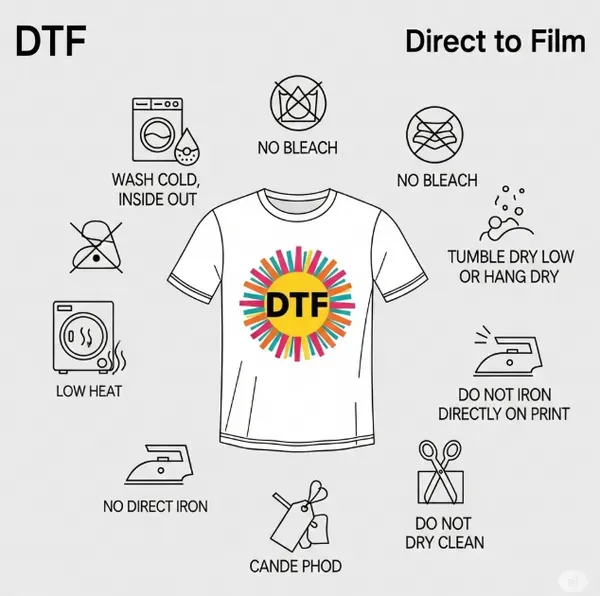
UV DTF transfer prints care starts with understanding how the printed design bonds to fabric and what that means for washability, wear, and color longevity. When you invest in high-quality transfers, following DTF transfer maintenance tips and a thoughtful care routine pays off in durability and vibrant appearance. This quick guide blends practical steps with tips on how to wash UV DTF prints, helping you protect edge detail and color integrity. By following care guidelines for UV DTF prints and general care practices, you reduce color fade and edge cracking while preserving the feel of the print. From curing times to storage tactics, the routine you choose directly affects overall durability.
In other words, protecting these UV-curable ink transfers involves understanding fabric chemistry, project usage, and how routine care tools influence adhesion. Think of maintenance as a holistic program that covers pre wash handling, gentle laundering, and mindful drying to extend print life. Best practices touch on the same goals expressed by our related keywords—long lasting color, strong adhesion, and minimal surface cracking—framed through DTF transfer durability and care in everyday terms. By approaching care from a materials and process perspective, you can see how washing, storage, and ironing guidelines map to real world results. Consider testing prints on a small swatch first to gauge how your fabrics respond over time. Regularly checking care steps against new transfer guidelines can help you stay ahead of wear. This framework helps designers and crafters set realistic expectations for wear and maintenance, so outcomes remain consistent across different fabrics and uses.
Frequently Asked Questions
What are the essential care guidelines for UV DTF prints?
Post-transfer guidelines: cure 24–48 hours before washing. Then wash inside out in cold water with a mild detergent on a gentle cycle. Do not use chlorine bleach or fabric softeners; avoid high heat. Air-dry when possible or use a low-heat dryer, away from direct sunlight. Following these care guidelines for UV DTF prints helps preserve color fidelity and edge integrity, supporting durability.
How to wash UV DTF prints to preserve color and longevity?
To wash UV DTF prints: turn the garment inside out, use cold or warm water with a mild liquid detergent, and select a gentle cycle with reduced agitation. Avoid bleach and fabric softeners, which can degrade adhesion and color. Air-dry or use a low-heat dryer, and avoid prolonged sun exposure. This approach protects vibrancy and extends the life of the transfer.
DTF transfer durability and care: what factors influence long-term color retention?
Key factors include proper curing time, initial adhesion, heat exposure, washing temperature, abrasion, and storage. Ensure full cure before washing and follow transfer instructions; use gentle washing and avoid harsh chemicals and high heat. Store away from direct sunlight and minimize friction during wear to prevent cracking and fading, improving long-term color retention.
DTF transfer maintenance tips: what routine should I follow after washing?
DTF transfer maintenance tips include establishing a pre-wash routine to minimize surface friction, inspecting prints after every few washes, and using a microfiber bag for delicate items. Choose a color-safe detergent, avoid overloading the machine, and handle prints gently. If you notice early wear, adjust washing settings or consult the transfer supplier for guidance.
UV DTF transfer print care: what post-transfer curing steps are recommended for best adhesion?
Post-transfer curing is essential: allow the print to cure 24–48 hours before washing to ensure adhesion and color fidelity. After curing, follow washing and drying guidelines—use cold or warm water, mild detergent, and a gentle cycle. Avoid high heat during drying or ironing on the printed area. Adhering to these steps preserves adhesion and long-term durability.
Care guidelines for UV DTF prints: storage and handling tips to extend life?
Storage and handling should emphasize a cool, dry place away from direct sunlight. Avoid folding directly over the print; hang garments or roll with tissue between folds to prevent creases. Keep away from moisture and heat that can degrade adhesives and pigments. Regularly review storage conditions to maintain vibrant color and prolong life.
| Key Point | Description | Practical Tips |
|---|---|---|
| What UV DTF transfer prints are | UV DTF prints are created by transferring a cured ink layer onto fabric with a heat press, yielding a durable, vibrant print with good color accuracy and a relatively soft hand—the bond to fabric supports regular use when cared for properly. | Bonded print, not just pigment; treats print as a bonded layer rather than surface color. Ensure proper curing and handling to maximize longevity. |
| Durability and care impact | Durability comes from cure and adhesive bond. Improper handling can cause cracking, fading, or peeling. Gentle handling, appropriate washing temperatures, mindful drying, and proper storage help preserve vibrancy and edge detail. | Avoid harsh handling, hot water, and aggressive drying; follow temperature and storage guidelines to extend life. |
| Post-transfer curing | After printing, allow curing for 24–48 hours as recommended by the transfer maker to ensure adhesive and ink set. | Do not wash before curing window ends; adhere to manufacturer guidance. |
| Washing guidelines | Turn garments inside out; use cold or warm water with a mild, enzyme- and bleach-free detergent; select a gentle cycle with low agitation; avoid chlorine bleach and fabric softeners. | Inside-out washing, mild detergent, gentle cycle, no bleach/softeners; consider air-dry. |
| Drying and heat exposure | Air-dry is ideal; if using a dryer, opt for low heat and remove promptly. Avoid prolonged sun exposure to prevent fading. | Air-dry preferred; use low heat if needed; protect from direct sun. |
| Ironing and heat | Do not iron directly on printed area. Turn garment inside out or place a cloth between the iron and print; use medium-to-low heat and minimal steam. | Use protective cloth, low heat, no direct steam. |
| Storage and handling | Store in a cool, dry place away from direct sunlight. Avoid folding over the print; hang or roll with tissue to minimize creasing. | Cool, dry storage; avoid creasing over print. |
| Fabric considerations | Cotton tolerates higher wash temps and aggressive drying more than blends or synthetics; whites and light fabrics may require extra care. | Follow garment care labels and transfer-specific guidance; wash separately if unsure. |
| Maintenance tips | Pre-wash routine to minimize surface friction; use microfiber bag for delicates; choose color-safe detergent; inspect transfer after a few washes and adjust care as needed. | Establish routine checks and gentle handling; consider protective steps. |
| Washing quick reference | Turn inside out, cold water, mild detergent, gentle cycle; avoid bleach/softeners; air-dry or low-heat dryer; iron inside out on low heat if needed. | Quick steps for washing and care. |
| Color durability and print integrity | Color retention depends on avoiding harsh detergents and chlorine-based products; adjust wash frequency and temp to preserve vibrancy. | Use milder wash routines and avoid color-degrading products. |
| Troubleshooting | Peeling edges: review curing time and wash handling; fading: reduce wash frequency and heat exposure; cracking: verify curing and ironing practices. | Address issues early with adjusted care steps. |
| Long-term maintenance | Create a simple maintenance calendar; inspect items regularly; re-seal if recommended; maintain optimal storage. | Set up periodic checks and storage improvements. |
| Common mistakes | Overloading washer; excessive dryer time; ironing printed areas; using non-specified heat settings for transfers. | Follow transfer instructions precisely; avoid overloading and high-heat processing. |
Summary
Conclusion