
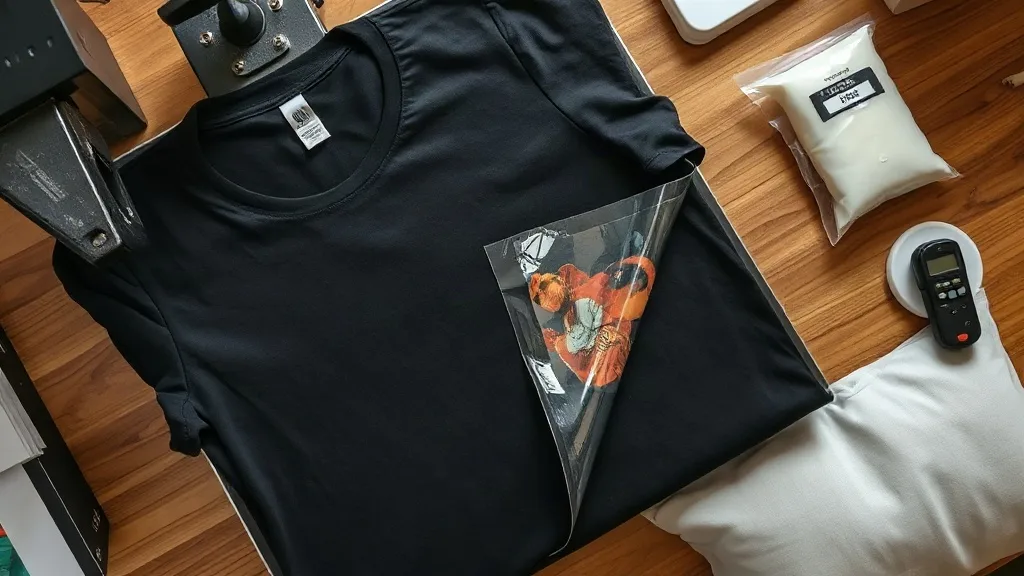
Most people who start looking into dtf transfers do it for the same reason: they want full-color prints on cotton without buying a screen printing setup or fighting with vinyl weeding at midnight. That part of the pitch is real. What the marketing pages tend to skip is the part where the film sits in a humid room for three weeks, the press drifts five degrees, and suddenly your transfers crack along the shoulder seam of a hoodie. This guide is about that second part.
I have run dtf transfers through a two-press shop for a few years now, mostly on small runs for local teams, bands, and a handful of Etsy sellers who send me their artwork at 11 p.m. the night before a market. What follows is what I actually do, not what the spec sheet says you should do.
What DTF actually is, minus the hype
A dtf transfer is a printed film: water-based pigment inks laid down on a PET sheet, then dusted with a hot-melt adhesive powder, cured, and cut. You press it onto fabric with heat, the adhesive melts into the fibers, you peel the film, and the print stays. There is no pre-treatment, no weeding, and no color separation. That is the whole trick.
The reason it works on cotton, blends, canvas, and even some nylon is that the adhesive does the bonding, not the ink. The ink just rides along on top. This matters when you troubleshoot, because almost every DTF failure is an adhesive failure, not an ink failure.
The variables that actually matter at the press
You will see a lot of press settings thrown around online. The honest answer is that every film and every press runs a little differently, and you need to dial in your own numbers. But the relative importance of the variables is consistent.
Temperature is the one to get right first
Too low and the powder never fully melts; the transfer looks fine out of the press and starts flaking after the first wash. Too high and you scorch the adhesive layer, which reads as a dull, slightly greasy finish and poor peel. On a standard platen press I start at 300°F (150°C) and adjust from there. If your press has a temperature probe, verify it against an infrared thermometer once a month. Mine drifted 12 degrees over a year and I only caught it because a batch of black hoodies started peeling at the collar.
Pressure is more forgiving than you think
Medium pressure is enough for most garments. What matters more is even pressure. A worn platen pad creates a band along one edge where the transfer lifts, and you will chase that defect for weeks thinking it is a film problem. Replace the pad when it starts to feel compressed or glazed.
Time is where you fine-tune
Ten to fifteen seconds is a normal range for the press. Thicker fabrics and heavier ink coverage want the longer end. If you are pressing a transfer onto a seam or a pocket, press the garment flat first for a couple of seconds to drive out moisture, then press the transfer.
Peel temperature: hot, cold, or somewhere in between
Most modern films are cold peel, meaning you let the garment cool for a few seconds before pulling the film. Hot peel films exist and speed up production, but they are less forgiving if your pressure is uneven. My rule: follow the film supplier's instruction, and if you are unsure, peel cold. A cold peel hides small pressure sins that a hot peel will expose as a matte patch.
Fabric behavior by type
This is the part that surprises people most, especially those coming from vinyl or screen printing.
- 100% cotton: the easiest and most consistent. Adhesive grips well, prints look saturated, wash durability is strong.
- Cotton/poly blends: very reliable, though lighter blends can show a faint texture through large solid areas.
- 100% polyester: workable, but you need lower press temperatures and shorter dwell times. High heat plus polyester equals dye migration, where the garment's own dye bleeds up through the print over time. A low-bleed film or a barrier layer helps, but the real fix is pressing cooler.
- Nylon and coated synthetics: inconsistent. Test every batch before you promise a customer anything.
- Canvas and denim: excellent, provided you press long enough to push the adhesive into the weave. Heavy canvas can need a second short press.
Storing film so it still works next month
Humidity is the quiet killer. Film that absorbs moisture from the air will produce a transfer that looks fine but peels early, because the moisture flashes to steam under the press and lifts the adhesive. Keep film sealed in its bag with a desiccant pack, store it flat, and avoid the corner of the shop where the dryer vents. If you live somewhere humid, a cheap sealed storage bin with a rechargeable dehumidifier pays for itself in one saved order.
Also: rotate stock. Film does not last forever, and older film prints with slightly weaker adhesion. First in, first out, the same as any other consumable.
Common defects and what they usually mean
When something goes wrong, work through the causes in this order: pressure evenness, temperature accuracy, film moisture, then fabric.
- Edges lifting after wash: almost always uneven pressure or a cold spot on the platen.
- Patchy, matte finish: over-pressing. Drop the temperature or shorten the dwell.
- Print peeling off in one sheet: the adhesive never bonded, so check film moisture and confirm you pressed the correct side down.
- Faint ghosting around the design: powder residue outside the print area. Brush the film gently before curing.
- Color looking washed out after pressing: too much pressure flattening the ink layer, or a polyester garment migrating dye.
When to order transfers instead of printing in-house
If you already own a DTF printer, great. If you are a one-person shop doing twenty shirts a week, the math often favors ordering printed transfers and keeping your capital in a heat press and a decent vinyl cutter. You skip printer maintenance, ink settling, powder mess, and the learning curve on color profiles. For anyone typing dtf transfers near me into a search bar, the practical question is turnaround and minimum order, not whether the technology works. Ask a supplier for a sample sheet on three fabric types before you commit to a bulk order.
Pricing and quoting without losing money
Transfers are cheap per unit at volume and expensive per unit at low quantity, so quote accordingly. Build your price from the transfer cost, the garment, your press time, and a reprint allowance. A 10% reprint buffer sounds pessimistic until you have a week where two hoodies come back with lifted corners. Charge for the buffer quietly inside your margin rather than as a line item.
Frequently asked questions
How many washes should a DTF transfer survive?
With correct pressing on cotton, most transfers hold up for 50 or more home washes when turned inside out and washed cold. Polyester and heavy abrasion areas like cuffs will show wear sooner. If a transfer fails in the first three washes, the press settings or film storage are the likely cause, not the garment.
Can I press a DTF transfer over a zipper or a thick seam?
You can, but you need to build up the area first. Use a pressing pillow or a folded towel underneath so the seam sits level with the rest of the garment. Pressing a seam directly creates a low spot where the adhesive never contacts the fabric, and that is where it will peel.
Do DTF transfers work on dark shirts without a white underbase?
Yes. The film includes a white ink layer under the color, so dark garments print the same as light ones. That is one of the main reasons people switch from other methods. Just be aware that heavy white laydown means a slightly thicker hand feel on the shirt.
What is the difference between hot peel and cold peel film?
Hot peel film is pulled while the garment is still warm, which speeds production but demands even pressure. Cold peel film is pulled after a few seconds of cooling and tolerates small pressure inconsistencies better. Most small shops are better served by cold peel until their press habits are dialed in.
Can I reuse a transfer if the first press goes wrong?
Usually no. Once the adhesive has melted and bonded, pulling the film back up distorts the ink layer and leaves adhesive residue on the fabric. If the transfer lifted because of a cold spot, you can sometimes re-press the same film for a few seconds, but treat it as a rescue attempt, not a reliable fix.