
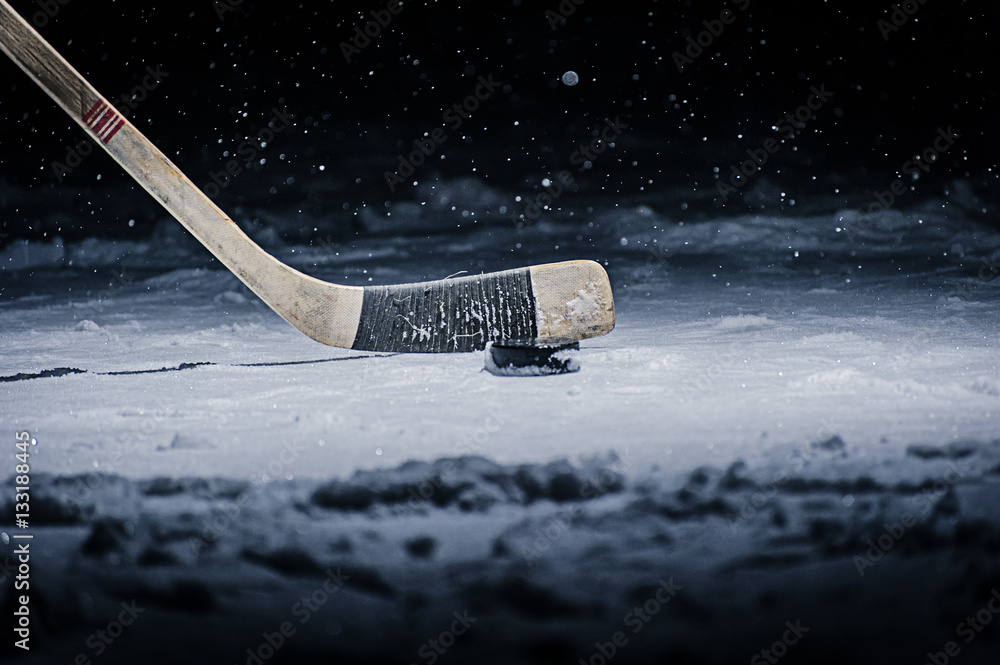
In the fast-paced world of ice sports, mastering the art of hockey stick and puck transfers is crucial for any player looking to elevate their game. This technique not only enhances your control over the puck but also significantly improves your overall performance on the ice. Whether you are a beginner or an experienced player, understanding the nuances of these transfers can make a substantial difference in your gameplay. In this article, we will delve into the various aspects of hockey stick and puck transfers, providing you with valuable insights and tips to refine your skills.
As you continue reading, you will discover the fundamental principles behind effective puck transfers, including the importance of body positioning and stick handling. We will explore different techniques that can be employed during gameplay, ensuring you are well-equipped to handle various situations on the ice. Additionally, we will discuss common mistakes players make during puck transfers and how to avoid them, allowing you to play with confidence and precision.
Furthermore, we will highlight drills and exercises designed to enhance your puck transfer skills, making practice both enjoyable and productive. By the end of this article, you will have a comprehensive understanding of hockey stick and puck transfers, empowering you to implement these techniques in your next game. So, lace up your skates and get ready to take your ice sports skills to the next level!
Understanding the Basics of Hockey Stick and Puck Transfers
The fundamental mechanics of hockey stick and puck transfers are crucial for players at all levels. A hockey stick is designed to control the puck, allowing players to pass, shoot, and maneuver effectively on the ice. Understanding the grip, stance, and body positioning is essential for executing successful transfers. Players must learn to use their wrists and arms to guide the stick, ensuring that the puck remains close and under control.
Moreover, the transfer of the puck from one side of the body to the other is a skill that requires practice. Players should focus on their hand-eye coordination and timing to make quick, accurate movements. This foundational knowledge sets the stage for more advanced techniques and strategies in ice hockey.
Techniques for Effective Puck Handling
Effective puck handling is a vital skill in ice hockey, enabling players to maintain possession and create scoring opportunities. Techniques such as the toe drag, backhand, and forehand moves are essential for navigating through defenders. Mastering these techniques allows players to execute smooth transitions and maintain control of the puck during fast-paced gameplay.
Additionally, players should practice puck protection techniques, which involve using the body and stick to shield the puck from opponents. This skill is particularly important in tight situations where maintaining possession can lead to scoring chances. Regular drills focusing on these techniques can significantly enhance a player’s overall performance on the ice.
The Role of Stick Flex and Curve in Transfers
The design of a hockey stick, including its flex and curve, plays a significant role in puck transfers. Stick flex affects how much energy is transferred to the puck during a shot or pass. A stiffer stick may provide more power, while a more flexible stick can enhance control and finesse. Players must choose a stick that complements their playing style and enhances their ability to transfer the puck effectively.
Moreover, the curve of the stick blade influences puck handling and shooting accuracy. Different curves can affect how the puck is lifted off the ice and how it behaves during passes. Understanding these aspects can help players make informed decisions when selecting their equipment, ultimately improving their performance on the ice.
Importance of Body Positioning in Transfers
Body positioning is a critical element in executing successful hockey stick and puck transfers. Proper stance and weight distribution allow players to maintain balance and control while making quick movements. Players should focus on keeping their knees bent and their center of gravity low to enhance stability during puck transfers.
Additionally, players must learn to pivot and shift their weight effectively to respond to the dynamic nature of the game. This agility enables them to evade defenders and create space for passing or shooting. Practicing body positioning drills can significantly improve a player’s ability to handle the puck under pressure.
Drills to Enhance Puck Transfer Skills
Regular practice is essential for improving puck transfer skills. Various drills can help players develop their handling, passing, and shooting techniques. For instance, the “Figure Eight” drill encourages players to maneuver the puck around cones, enhancing their control and agility. Another effective drill is the “Passing Against the Wall,” which helps players practice accurate passing and receiving skills.
Incorporating these drills into regular training sessions can lead to noticeable improvements in a player’s ability to transfer the puck effectively. Coaches should emphasize the importance of repetition and consistency in practice to build muscle memory and confidence on the ice.
Analyzing Game Situations for Better Decision Making
Understanding game situations is crucial for making effective puck transfers during matches. Players must learn to read the ice, anticipate opponents’ movements, and make quick decisions based on the flow of the game. Analyzing past games and identifying successful transfer moments can provide valuable insights into effective strategies.
Additionally, players should focus on communication with teammates, as effective puck transfers often rely on teamwork. Developing a sense of awareness and understanding of teammates’ positions can lead to more successful plays and scoring opportunities. Regular video analysis and discussions can enhance players’ decision-making skills during games.

