
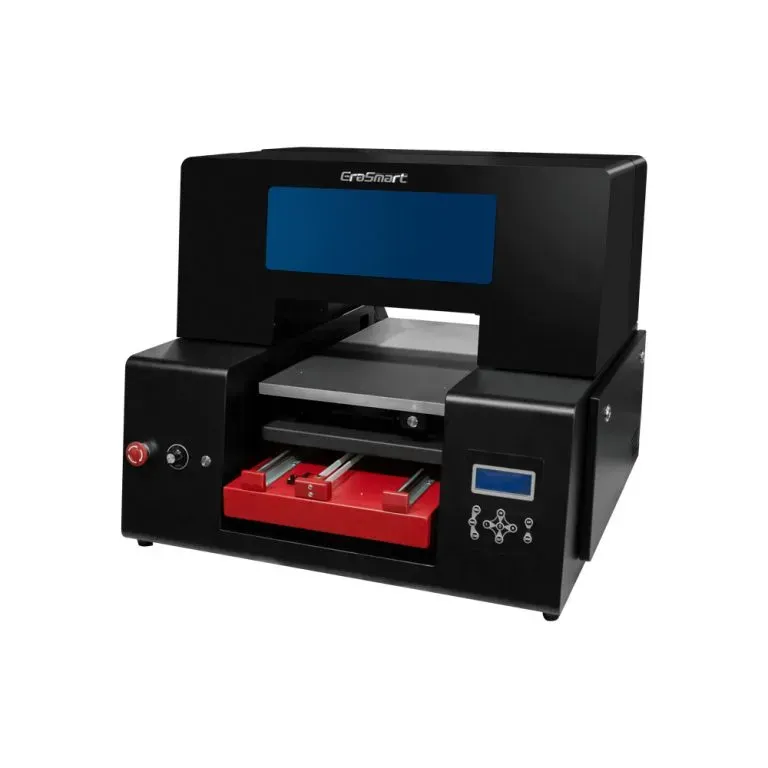
UV DTF Technology, or Ultra Violet Direct-to-Film technology, is at the forefront of modern printing innovation, redefining how businesses produce custom printed products on a variety of materials. As industries increasingly seek sustainable printing solutions, UV DTF stands out due to its environmentally friendly approach, significantly reducing harmful emissions compared to traditional methods. This printing technology trend is gaining momentum, allowing for faster production times and superior quality outputs, making it a preferred choice for businesses looking to enhance their market presence. With the potential to print on textiles, plastics, metals, and more, UV DTF technology offers unparalleled versatility that can cater to diverse customer needs. Join us as we explore the exciting advancements and applications of UV DTF technology in the world of printing.
Ultra Violet Direct-to-Film technology, often abbreviated as UV DTF, represents a significant leap forward in the realm of direct-to-film printing solutions. This cutting-edge method utilizes UV light to quickly cure inks, enabling businesses to print efficiently on a range of materials from fabric to rigid substrates. As sustainability becomes central to consumer choices, more companies are turning to this printing technology for its reduced environmental impact and high-quality outputs. Innovations in UV printing processes are shaping the future of custom printed products, making it essential for businesses to stay informed about these dynamic printing technology trends. Embracing alternative terms such as eco-friendly film printing and custom UV applications showcases the breadth of possibilities this technology brings to the marketplace.
Understanding UV DTF Technology
UV DTF (Direct-to-Film) technology significantly alters the landscape of printing by utilizing ultraviolet light to cure specially formulated inks. This innovative process not only ensures quick curing times but also provides impressive adhesion to a wide array of substrates, from textiles to metals. Unlike traditional printing methods that often struggle with diverse materials, UV DTF can seamlessly apply vibrant designs across a multitude of products, catering to different market needs with ease.
As businesses increasingly seek customized printed products, UV DTF technology offers unparalleled versatility. It's especially advantageous for brands looking to diversify their offerings without the limitations typically associated with conventional printing methods. The ability to print on films that are then transferred to various surfaces opens new opportunities, empowering companies to innovate in design and application.
The Rise of Eco-Friendly Printing Solutions
In recent years, environmental sustainability has become a top priority for consumers and brands alike. UV DTF technology aligns with this shift by presenting a cleaner alternative to traditional printing processes. One of its key benefits is producing significantly lower emissions of volatile organic compounds (VOCs). This reduction not only meets regulatory standards more easily but also appeals to environmentally-conscious consumers who are increasingly favoring green practices in their purchasing decisions.
Moreover, advancements in UV ink formulations are paving the way for sustainable printing solutions. Brands are now leveraging these eco-friendly inks to enhance their product offerings while minimizing their environmental footprint. By adopting UV DTF technology, companies demonstrate their commitment to sustainability, which resonates positively with their target audiences and enhances brand loyalty.
How Technological Advancements Enhance UV DTF Printing
The landscape of UV DTF technology is continuously evolving through technological advancements that improve its functionality and user experience. Innovations such as faster printing speeds and enhanced ink quality are transforming the capabilities of UV DTF printers. Modern models boast mechanics that allow for quicker job completion without sacrificing quality, catering to the urgent demands of high-volume production environments.
In addition to speed improvements, ongoing enhancements in ink formulations are critical for achieving vibrant colors and strong adhesion. This aspect becomes especially important for businesses in competitive sectors, such as fashion and promotional products, where aesthetic appeal directly impacts consumer choice. Furthermore, the introduction of user-friendly interfaces has made these technologies accessible to small and medium-sized enterprises, broadening the market for UV DTF technology.
Market Trends and Forecasts for UV DTF Technology
Market forecasts indicate that UV DTF technology is poised for substantial growth in the coming years. Experts predict a compound annual growth rate (CAGR) exceeding 20% between 2025 and 2030, highlighting the increasing demand for high-quality, customized printed products. This trend reflects a broader consumer preference for unique and personalized offerings, compelling businesses to explore innovative printing solutions.
As the market for UV DTF expands, brands that adopt this technology can expect significant advantages in product differentiation and branding. By leveraging UV DTF capabilities, companies are better positioned to create memorable and compelling products that meet evolving consumer demands. This strategic shift not only enhances competitiveness but also establishes a strong presence in a crowded market.
Exploring Application Diversity in UV DTF Printing
One of the standout features of UV DTF technology is its diverse application range. This printing method extends beyond traditional textiles to encompass various sectors such as promotional products, packaging, and interior décor. This adaptability allows brands to innovate and cater to niche markets that require specialized printing solutions, enhancing their overall product portfolios.
Companies utilizing UV DTF technology can easily respond to custom orders, providing tailored products that resonate with specific consumer preferences. This capability not only enhances customer satisfaction but also builds brand loyalty. As businesses tap into more creative applications of UV DTF, they can differentiate themselves in a competitive marketplace, strengthening their unique selling propositions.
Why UV DTF Technology is the Future of Printing
The convergence of quality, speed, and versatility in UV DTF technology marks it as a frontrunner in the future of printing. As industries continue to evolve, businesses that adopt this innovative technology are better equipped to meet the demands of modern consumers. The capability to swiftly produce high-quality prints on a variety of substrates means that companies can quickly pivot to trends and customer requests.
Additionally, UV DTF's eco-friendly attributes play a crucial role in its appeal. As consumers gravitate towards brands that prioritize sustainability, those utilizing UV DTF printing can position themselves favorably in the marketplace. The combination of cutting-edge technology, customization opportunities, and environmental consciousness makes UV DTF printing not just relevant, but essential for forward-thinking businesses.
Frequently Asked Questions
What is UV DTF Technology and how does it work?
UV DTF Technology, or ultraviolet Direct-to-Film printing, utilizes UV light to cure inks on a special film that can be transferred to various substrates. This advanced printing technology enables high-quality prints with strong adhesion on materials such as textiles, plastics, and metals.
What are the advantages of UV DTF Technology over traditional UV printing methods?
UV DTF Technology offers several advantages over traditional UV printing, including superior adhesion to a wider range of substrates, lower VOC emissions for a more eco-friendly process, and the capacity for vibrant colors and high-resolution images, making it ideal for custom printed products.
How is UV DTF Technology contributing to sustainable printing practices?
UV DTF Technology enhances sustainable printing by significantly reducing volatile organic compounds (VOCs) emitted during the printing process. With advancements in environmentally-friendly UV inks, this technology helps businesses adopt greener practices while appealing to eco-conscious consumers.
What are the latest trends in UV DTF Technology?
Recent trends in UV DTF Technology include faster printing speeds, improved ink formulations for better color vibrancy, and user-friendly interfaces that make the technology accessible to small businesses. These advancements are driving increased adoption across industries.
How can businesses benefit from utilizing UV DTF Technology for custom printed products?
Businesses can leverage UV DTF Technology to produce high-quality custom printed products that stand out in the market. Its versatility allows for unique applications across various industries, catering to diverse consumer demands and fostering creative expression.
What is the market outlook for UV DTF Technology in the coming years?
The market for UV DTF Technology is projected to grow significantly, with a compound annual growth rate (CAGR) exceeding 20% from 2025 to 2030. This growth is driven by rising demand for customized and high-quality prints across multiple sectors.
| Key Trends in UV DTF Technology | Description | Impact |
|---|---|---|
| Growing Market Adoption | Rapid integration of UV DTF printers to enhance production and print quality. | |
| Environmental Considerations | Shift towards eco-friendly solutions with lower VOC emissions and sustainable inks. | |
| Technological Advancements | Improvements in printing speeds, ink quality, and user interfaces make the technology more accessible. | |
| Market Forecasts | Estimated CAGR over 20% from 2025 to 2030 suggests significant growth opportunities. | |
| Application Diversity | Expanded usage in promotional products, interior décor, and custom packaging. |
Summary
UV DTF technology is revolutionizing the printing industry with its innovative approach to printing on diverse materials. As this advanced method utilizes ultraviolet light to cure inks, it offers superior adhesion and versatility, significantly boosting its market adoption across various sectors. Environmental considerations are becoming increasingly important, making UV DTF a preferential choice due to its lower VOC emissions compared to traditional methods. Technological advancements such as faster printing speeds and better ink quality are making UV DTF more accessible to businesses of all sizes. Furthermore, the growth forecasts suggest a bright future for UV DTF technology, with a diverse range of applications that cater to the evolving demands of the market. Embracing UV DTF technology not only enhances sustainability practices but also allows businesses to stand out with customized, high-quality printed products.