
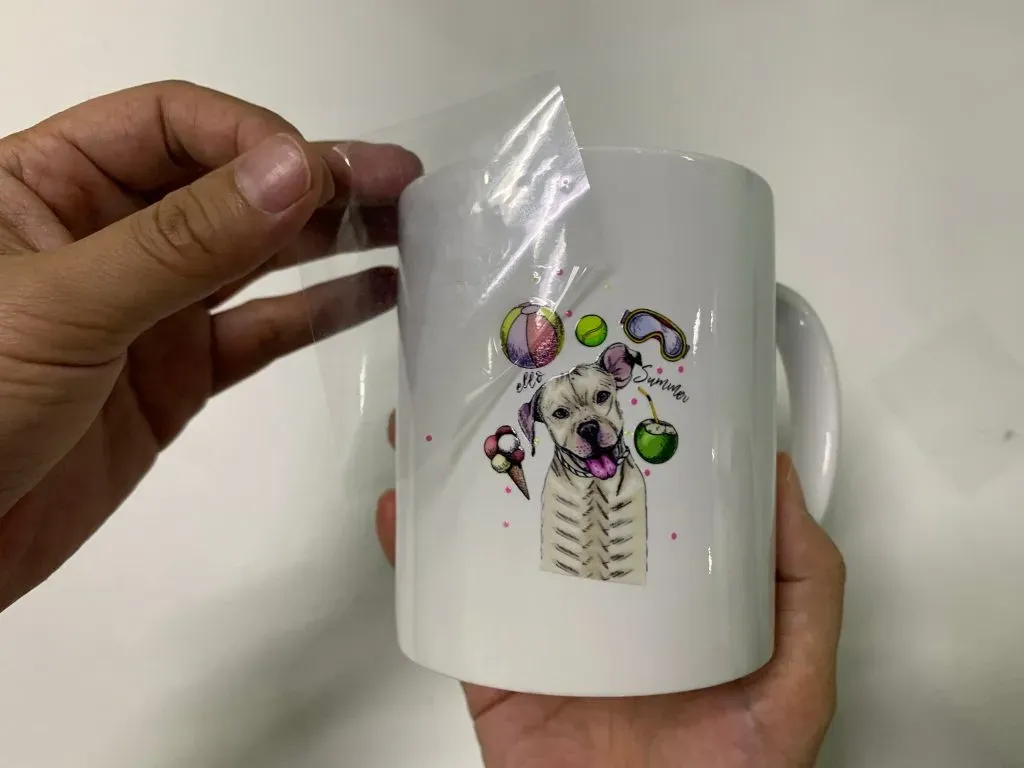
UV DTF printing is revolutionizing the printing landscape, merging high quality with remarkable efficiency in custom apparel printing. This advanced technique enables creators to achieve vibrant colors and intricate details on a diverse range of materials, significantly enhancing the appeal of any design. As we delve into the art of maximizing prints, we will share essential UV DTF tips that help optimize your workflows using innovative Gangheet printing techniques. Such methods not only streamline the design process but also significantly reduce production time, allowing businesses to quickly fulfill customer orders. In an ever-evolving market, mastering efficient printing methods like UV DTF is vital for success in today's competitive environment.
Also known as Direct to Film technology, UV DTF printing stands out as a cutting-edge solution in the realm of modern printing techniques. This method employs ultraviolet curing to ensure that inks adhere flawlessly to various substrates, offering a practical choice for custom printing needs. Creative professionals can employ these advanced Gangheet techniques to optimize layouts and maximize materials, thereby enhancing overall print quality. With a focus on rapid curing, this revolutionary process facilitates quicker turnarounds, making it easier to meet the demands of a fast-paced market. Embracing this efficient printing technology can propel your printing business forward, enabling you to deliver outstanding results that captivate your audience.
Understanding the Benefits of UV DTF Technology
UV DTF printing is rapidly becoming a favored choice for many in the custom apparel and print industries due to its high-quality output and versatility. This technology can print on various materials, including cotton, polyester, and even rigid substrates, making it a top contender for diverse applications. The ability to produce vibrant colors and intricate details with quick turnaround times sets it apart from traditional printing methods, allowing businesses to meet the growing market demand efficiently.
One significant advantage of UV DTF is its rapid curing capabilities under ultraviolet light, which not only speeds up the printing process but also enhances color durability. As a result, printed designs maintain their vibrancy and integrity over time, even after multiple washes or exposure to various elements. This benefit is particularly crucial for custom apparel printing, where maintaining the visual quality of designs is essential for customer satisfaction.
Mastering Pre-Press Preparation for Optimal Prints
To achieve extraordinary print results with UV DTF, pre-press preparation is a crucial step that should not be overlooked. Cleanliness of substrates is paramount; any dust or oil can drastically affect adhesion and quality. Implementing a thorough cleaning process will ensure that the printing surface is immaculate, which translates to better ink adherence and prevents common issues such as peeling or fading.
Moreover, checking the moisture content in fabrics prior to printing is essential for achieving optimal results. Excess moisture can pose severe challenges during the printing process, leading to poor adhesion and subpar quality. Thus, employing techniques to test and adjust the moisture levels will enhance the overall effectiveness of your UV DTF outputs.
Design Optimization Techniques for Quality Results
To ensure your prints stand out, utilizing high-resolution vector graphics is a must. Unlike raster images, vector files retain clarity at any scale, ensuring crisp lines and vibrant visuals regardless of size adjustments. This quality is especially beneficial for detailed designs typical in custom apparel printing, where every intricate detail matters in attracting consumers.
Additionally, understanding the physical capabilities of your printing equipment will allow for better design adjustments. By aligning your designs with your printer's specifications, you can avoid potential challenges and guarantee that your prints come out just as envisioned. This foresight in design choice enhances both productivity and customer satisfaction in the final product.
Innovative Ink Management for Enhanced Print Quality
Effective ink optimization is instrumental in producing quality prints that last. Experimenting with different ink densities can yield beneficial results; balancing brightness and longevity ensures that prints have the vividness clients expect while standing up to wear over time. Adjusting ink settings based on substrate types is another crucial aspect of UV DTF, allowing printers to strike the perfect balance between saturation and durability.
Moreover, ensuring that the ink is properly calibrated for various materials is essential. For instance, natural fibers may require different formulations compared to synthetic ones. By refining your ink management processes, you can significantly enhance print vibrancy and longevity, leading to satisfied customers who will return for more.
Streamlining Post-Processing Techniques for Durability
Post-processing is equally important as pre-press and printing methods in creating a lasting print product. Engaging in effective curing methods enhances the durability of UV DTF prints, ensuring that designs withstand the test of time. Using the proper equipment and techniques during the curing phase can significantly extend the life of your prints, providing customers with valuable prints that maintain high quality, wash after wash.
Post-processing also includes tailored finishing techniques such as cutting and trimming. These finishing touches are essential for quality assurance and can elevate the overall perception of the printed products. By focusing on these details, you improve customer satisfaction and potentially enhance your reputation as a provider of premium custom apparel.
Emerging Trends in UV DTF Printing
The landscape of UV DTF printing continuously evolves, driven by advancements in technology. Innovations are not only enhancing printing speeds but also dramatically improving overall print quality. Staying abreast of these trends is crucial for any business seeking to maintain a competitive edge within the printing industry. Leveraging the latest technologies can lead to increased output efficiency and superior product offerings, attracting a broader customer base.
Additionally, an increasing focus on sustainability practices is reshaping the UV DTF market. As companies transition towards eco-friendly inks and printing processes, there is a rising opportunity for those in the industry to market environmentally conscious practices. Embracing sustainable methods not only fulfills corporate responsibility but also appeals to a growing demographic of eco-aware consumers, ultimately establishing brand loyalty and expanding the clientele.
Frequently Asked Questions
What is UV DTF printing and how does it differ from traditional printing methods?
UV DTF printing, or Direct to Film printing using ultraviolet technology, applies inks onto a film that are then cured using UV light before being heat-pressed onto various substrates. Unlike traditional printing methods, which may rely on solvents or water-based inks, UV DTF allows for faster curing, vibrant colors, and intricate detailing while also being suitable for a broader range of materials including cotton and polyester.
How can I maximize prints using UV DTF Gangheet printing techniques?
Maximizing prints with UV DTF Gangheet techniques involves efficient layout planning and batch processing. By arranging multiple designs on a single substrate and utilizing software for visual layout planning, you can minimize waste and optimize resource usage, leading to enhanced print production efficiency.
What are some effective pre-press preparations for UV DTF printing?
Effective pre-press preparations for UV DTF printing include thoroughly cleaning the substrate to ensure proper adhesion and checking moisture content in fabrics. These steps help to prevent issues like peeling or ink absorption problems, leading to higher quality prints.
What design adjustments should I consider for UV DTF custom apparel printing?
When designing for UV DTF custom apparel printing, use vector graphics and high-resolution images to maintain quality across size adjustments. Additionally, keep in mind the capabilities and limitations of your printer to produce optimal print quality without complications.
What are UV DTF tips for optimizing ink settings?
To optimize ink settings for UV DTF printing, experiment with different ink densities tailored to specific substrates. This process involves finding the right balance between color vibrancy and durability to ensure your prints stand out while maintaining longevity.
What are the latest trends in UV DTF printing?
Recent trends in UV DTF printing include advancements in printing speeds and quality due to technological innovations. There is also a growing emphasis on sustainability, with many operations moving towards eco-friendly inks and processes, which can enhance brand reputation and appeal to environmentally conscious customers.
| Key Points | Details |
|---|---|
| Understanding UV DTF Printing | UV DTF printing uses UV inks applied to a film that are heat-pressed onto substrates, suitable for various materials with rapid curing capabilities. |
| Techniques for Mastering UV DTF | Develop a systematic approach including pre-press preparation, design optimization, and ink management for quality output. |
| Pre-Press Preparation | Clean substrates and assess moisture content to improve adhesion and print quality. |
| Design Adjustments | Use vector graphics and high-resolution images, and understand printer limitations for superior outcomes. |
| Ink Optimization | Experiment with different ink densities and adjustments specific to materials for effective results. |
| Gangheet Techniques for Efficiency | Layout planning and batch processing help maximize substrate use and maintain color consistency. |
| Post-Processing Techniques | Implement proper curing and finishing techniques for durability and quality assurance of prints. |
| Latest Trends in UV DTF | Advancements in technology and emphasis on sustainability reshape the UV DTF market, enhancing printing quality and eco-friendliness. |
Summary
UV DTF printing is revolutionizing the way custom prints are produced, intertwining quality with efficiency. By mastering the various techniques highlighted in this guide, such as meticulous pre-press preparation, innovative design adjustments, precise ink optimization, and effective Gangheet techniques, printers can optimize their workflow to reduce costs and time while enhancing print quality. The focus on sustainability and adaptability to ongoing trends in UV DTF lays a strong foundation for long-term success in this dynamic market. As the demand for high-quality custom prints continues to rise, embracing these strategies will empower print businesses to navigate the challenges of the industry and secure a competitive edge.