
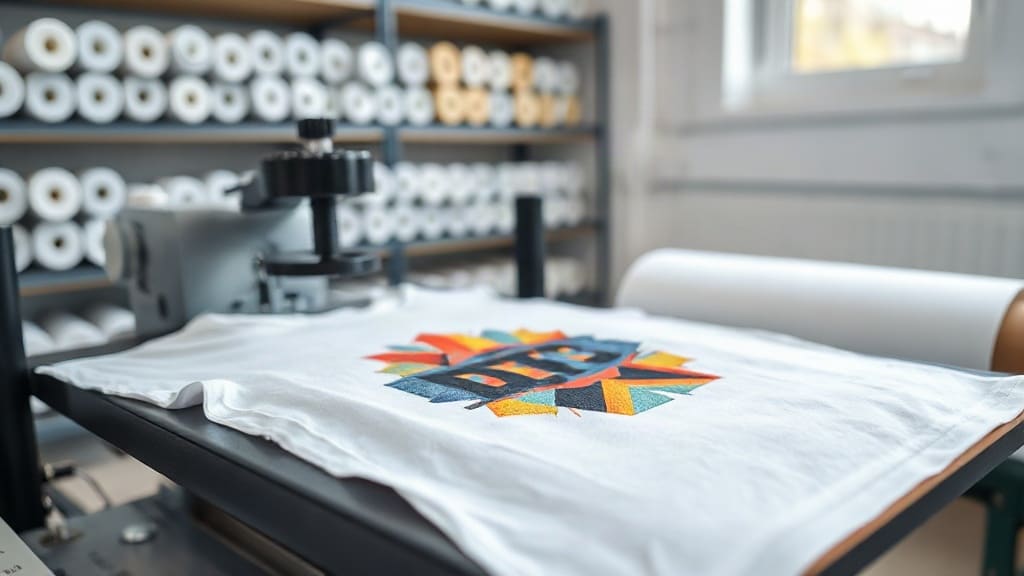
If you've ever searched for "DTF" or "DTF transfers near me," you already know how many options pop up. But finding a local supplier you can trust isn't just about the first result on Google. From print quality and turnaround time to pricing and customer service, there are several factors to weigh. In this guide, I'll walk you through what to look for when choosing a provider, how to evaluate sample quality, and the questions you should ask before placing a bulk order. By the end, you'll have a clear strategy to source reliable DTF transfers right in your area.
Why Local DTF Transfers Matter
When you search for "DTF transfers near me," you're not just looking for convenience. Local suppliers often offer faster shipping, lower freight costs, and the ability to see products in person. If you run a small apparel business or print on demand, minimizing turnaround time can be a game changer. Plus, working with a nearby company means you can build a relationship, ask for samples, and communicate directly if issues arise.
But local doesn't automatically mean better. You still need to vet the printer's capabilities and consistency. Let's break down the key criteria for choosing a great local DTF partner.
Evaluating the Quality of DTF Transfers
Not all DTF transfers are created equal. The quality depends on several factors: film type, ink, adhesive powder, and the printing process itself. Before committing to a supplier, always request a sample pack. Here's what to inspect:
- Color vibrancy: Are the colors bright and saturated? Dull or washed-out prints can indicate poor ink or low resolution.
- Detail sharpness: Look at small text and fine lines. Blurry edges are a red flag.
- Stretchability: Apply the transfer to a fabric and stretch it. Does the design crack or peel? Good transfers should flex without breaking.
- Wash durability: Wash the sample a few times. If it fades or cracks quickly, the transfer is low quality.
- Feel: A quality transfer should feel soft on the fabric, not like a thick plastic sticker.
When you search for "DTF transfers near me," ask the supplier about their ink and film brands. High-quality inks and films cost more but produce better results. If they can't tell you what they use, that's a warning sign.
Turnaround Time and Production Capacity
Another critical factor is how fast a local printer can fulfill orders. Some small shops may only handle a few orders a day, while larger facilities can process hundreds. If you have a deadline, ask about their current workload and typical turnaround.
For example, a friend of mine runs a small T-shirt business. She used to order from a supplier that took two weeks to ship. Switching to a local company that could deliver in three days transformed her business. She could now offer custom orders with tight deadlines, which boosted her sales significantly.
When you talk to potential providers, ask:
- What is your standard turnaround time?
- Can you accommodate rush orders? Is there an extra fee?
- What is your daily production capacity?
If a company is vague or hesitant about these questions, move on. Transparent communication is essential.
Pricing: What's Fair for DTF Transfers?
Pricing for DTF transfers varies widely depending on size, quantity, and complexity. Generally, you'll pay more for smaller quantities and larger prints. To compare prices effectively, ask for a quote based on your specific design dimensions and order volume.
Here are typical price ranges (as of 2024):
- Small designs (up to 4x4 inches): $0.50 to $1.50 per transfer for bulk orders.
- Medium designs (8x10 inches): $1.50 to $3.00 each.
- Large or full-back designs (12x16 inches): $3.00 to $6.00 or more.
But don't choose solely on price. A bargain transfer that cracks after one wash will cost you more in customer returns and reputation. Look for a balance between cost and quality. Also, consider hidden fees like shipping (if not local enough for pickup) or setup charges.
When you find a local provider, ask if they offer volume discounts or loyalty programs. Many small businesses appreciate repeat customers and may offer perks.
How to Find Reputable DTF Transfer Providers Near You
Now that you know what to look for, how do you actually find these providers? Start with a simple online search for "DTF transfers near me." But don't stop there. Use these strategies:
- Check reviews: Look at Google Reviews and social media. Pay attention to comments about product quality and customer service.
- Ask for recommendations: Join local business groups or forums. Other apparel makers can share their experiences.
- Visit trade shows: If you're near a major city, there are often printing expos where you can meet suppliers face-to-face.
- Use directories: Websites like Printful or even local chamber of commerce lists can point you in the right direction.
Once you have a shortlist, contact each one. Ask for samples, pricing, and lead times. A reputable company will be happy to provide this information.
Questions to Ask a Potential DTF Transfer Supplier
Before you commit, schedule a phone call or visit the shop if possible. Here's a list of questions to ask:
- What is your minimum order quantity?
- Do you offer white toner or special effects like glitter or metallic?
- Can you print on dark and light fabrics?
- What is your resolution and color management process?
- Do you provide a proof before production?
- What is your return policy for defective transfers?
These questions will help you gauge their professionalism and capability. If they hesitate to answer or seem annoyed, it's a red flag. A good supplier will welcome your curiosity.
Tips for Working with a Local DTF Transfer Provider
Once you've chosen a provider, here are some tips to ensure smooth collaboration:
- Prepare your files correctly: Ensure your artwork is high-resolution (300 DPI) and in the right format (usually PNG or PDF). Ask about their file requirements.
- Communicate clearly: Describe your expectations regarding colors and sizing. Use Pantone codes if you need exact color matching.
- Order a small test batch first: Before placing a large order, test with a small quantity to verify the quality and consistency.
- Establish a timeline: If you have regular ordering cycles, set up a schedule with your supplier to ensure they can accommodate you.
Building a strong relationship with your local supplier can lead to better pricing, priority service, and even custom solutions.
Common Mistakes to Avoid When Sourcing DTF Transfers
Even with careful research, people make mistakes. Here are some pitfalls to avoid:
- Choosing based on price alone: The cheapest option often costs more in the long run due to quality issues.
- Ignoring customer service: If a supplier is unresponsive before you order, they'll likely be worse after.
- Skipping sample tests: Never rely on digital mockups. Always test real transfers on your actual garments.
- Not considering eco-friendly options: Some suppliers offer water-based inks or recyclable films. If sustainability matters to your brand, ask about it.
By avoiding these mistakes, you'll save time and money.
How to Get the Best Results from Your DTF Transfers
Once you have your DTF transfers, proper application is crucial. Here's a quick refresher:
- Use a heat press at the recommended temperature (usually around 300°F to 320°F).
- Apply medium pressure for 10-15 seconds.
- Peel the film hot or cold, depending on the supplier's instructions.
- Always do a test press on a scrap fabric before applying to your final product.
If you're unsure about the process, ask your supplier for detailed instructions. Most will provide a guide or video.
Frequently Asked Questions About DTF Transfers
What is the difference between DTF and screen printing?
DTF printing uses a special film and adhesive powder to transfer designs onto fabric, while screen printing uses stencils and ink pressed through a mesh. DTF is more versatile for small runs and detailed designs, but screen printing is often cheaper for large quantities with few colors.
How long do DTF transfers last?
With proper application and care, DTF transfers can last for many washes. On average, they hold up well for 50+ washes if you use high-quality materials and follow care instructions (washing inside out in cold water).
Can I use DTF transfers on any fabric?
DTF transfers work best on cotton, polyester, and blends. They can also be used on other materials like canvas or denim, but always test first. The fabric's texture affects adhesion and durability.
Do I need a heat press to apply DTF transfers?
Yes, a heat press is recommended for consistent pressure and temperature. While you can use a home iron, it's harder to achieve even heat and pressure, which may result in poor adhesion.
How much do DTF transfers cost on average?
The cost varies based on size, quantity, and complexity. For small orders, you might pay $1 to $3 per transfer. For bulk orders, the price can drop to $0.50 or less. Always request a quote for your specific needs.
Final Thoughts on Finding DTF Transfers Near You
Searching for "DTF transfers near me" can lead to many options, but with the right knowledge, you can find a reliable partner that meets your needs and budget. Remember to prioritize quality, communication, and consistency over pure cost. Start by requesting samples, asking detailed questions, and testing a small batch. Building a strong relationship with a local supplier will pay off in the long run.
If you're ready to start your search, put together a list of questions, check reviews, and reach out to a few providers today. Your perfect DTF partner is out there, and you now have the tools to find them.