
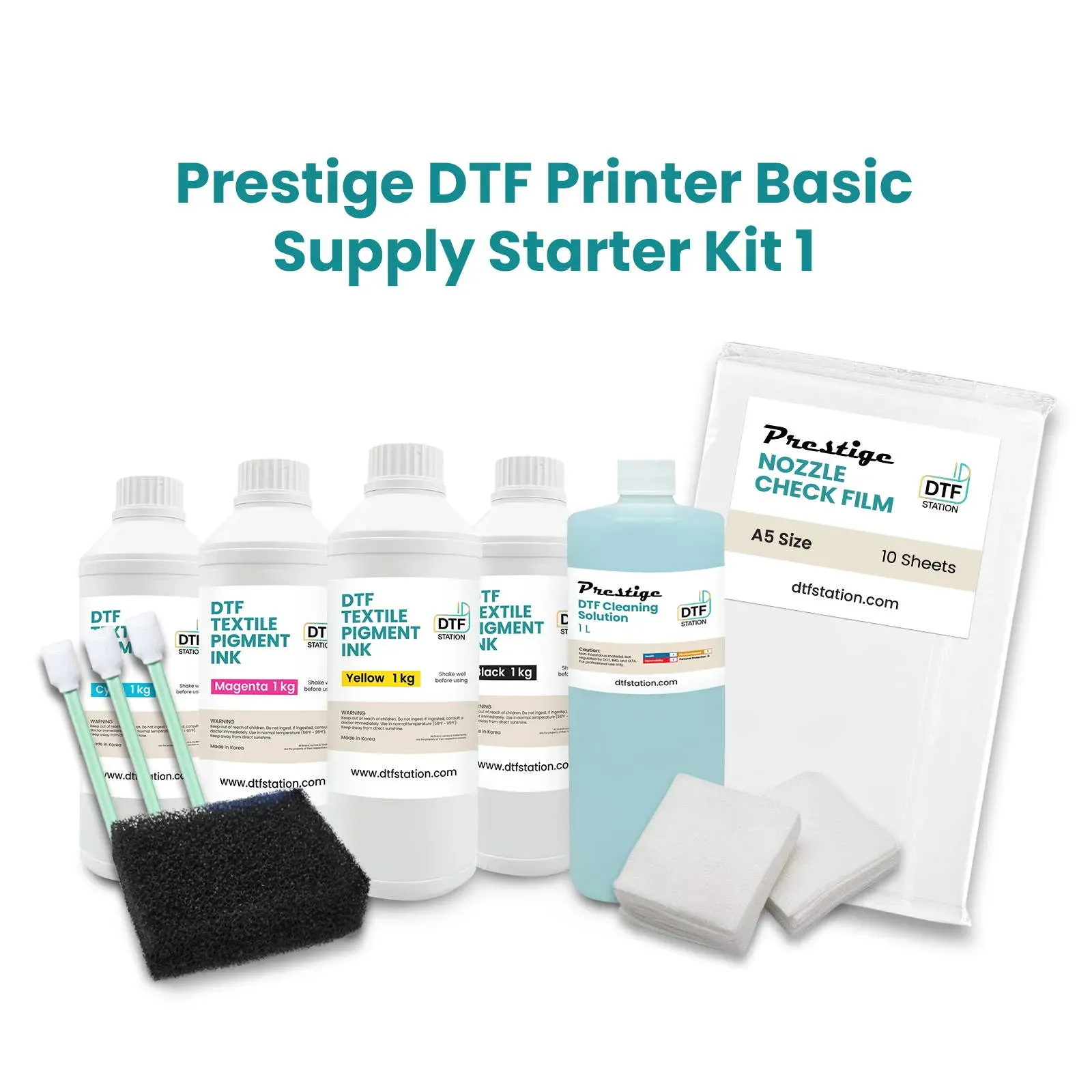
DTF supplies are essential for anyone looking to dive into the innovative world of Direct-to-Film printing. This method has captured the attention of both hobbyists and professionals due to its ability to produce vibrant designs on various fabrics. At the heart of DTF printing lies a specialized DTF printer that works seamlessly with high-quality DTF transfer film and inks, ensuring exceptional results. Whether you're eager to start DTF printing for a small business or as a creative outlet, understanding the essential components of the DTF printing process is crucial. In this guide, we will explore everything you need, from choosing the right equipment to mastering the printing techniques that will elevate your projects.
In the realm of contemporary fabric printing, direct-to-film technology has risen as a game-changer, providing remarkable versatility for textile enthusiasts. Often referred to as DTF printing, this approach utilizes specialized printers and coated transfer materials to facilitate stunning graphics on diverse apparel. Those wishing to embark on a custom textile printing journey will benefit significantly from explorations into DTF supplies, such as innovative transfer films and vibrant inks. By understanding the foundational elements involved in the DTF process, creators can unlock the potential to produce unique, high-quality merchandise. The following sections will delve deeper into the necessary tools and techniques that will bolster your printing endeavors.
The Essential DTF Printing Equipment You Need
Starting your DTF (Direct-to-Film) printing journey requires a solid foundation built on essential equipment that ensures the quality and durability of your prints. The centerpiece of your operation is the DTF printer, a specialized piece of machinery designed to handle the unique demands of DTF inks and films. Popular models from brands such as Epson and Brother are recommended due to their reliable performance and compatibility with various ink formulations. The right printer will not only provide crisp, vibrant designs but also support the efficiency of your workflow. As such, investing in a high-quality DTF printer should be your top priority.
Besides the printer, you will also need other critical components like DTF transfer film, which plays a pivotal role in the printing process. A good quality transfer film is coated with a special adhesive layer, which bonds perfectly with DTF inks. This ensures that your prints maintain their vibrancy and integrity over time, reducing the risk of peeling or fading. The combination of a reliable printer and high-quality transfer films also allows for better handling of intricate designs, making it essential to select the right supplies for your DTF printing needs.
How to Choose the Right DTF Transfer Film
Selecting the right DTF transfer film can significantly impact the quality of your prints and the overall success of your DTF printing project. When choosing a transfer film, look for those that have been designed specifically for use with DTF inks, as incompatible films can lead to poor adhesion and unsatisfactory results. High-quality films will have a smoother finish that not only enhances print quality but also improves the ability of the inks to adhere correctly. Additionally, the opacity of the film can play a crucial role in how well colors appear on the final fabric, so aim for transfer films known for their full-color vibrancy and transparency levels.
It’s also vital to consider the thickness and durability of the DTF transfer films you select. A thicker film may offer enhanced durability and resistance to wear and tear, but it could also add weight to your designs. Conversely, thinner films may provide a softer feel on the garment but might not hold up as well during washing. Therefore, conduct thorough research and even test different types of films on your garments to find the best balance between print quality and fabric comfort for your specific applications.
Understanding the DTF Printing Process
The DTF printing process consists of several key steps that, when followed correctly, will yield high-quality results. Initially, you will need to create or refine your digital design using graphic design software, ensuring it is in the right format suitable for printing. Once your design is ready, the next step involves printing it onto the DTF transfer film using your specialized DTF printer. This is where choosing the correct ink becomes crucial—the water-based, pigment inks are specifically engineered to bond with both the film and the expected application surfaces.
After printing, applying the hot-melt adhesive powder is essential. This adhesive, when applied correctly, will create a robust bond between the film and the fabric after transferring. Trying out different curing techniques will help identify the most effective method to set the adhesive firmly. Finally, the application of heat using a heat press is where the magic happens; ensuring that the correct temperature and pressure settings are used will help guarantee that your design adheres well and lasts after multiple washes.
The Importance of DTF Inks in Your Printing Process
DTF inks play an instrumental role in the quality of your printed designs, making it crucial to comprehend their properties and advantages. Typically, these inks are water-based and formulated specifically for use with DTF transfer films, allowing for vibrant colors and a softer hand on the printed fabric. The unique composition of DTF inks ensures they bond effectively with the adhesive on the transfer film, enabling easy application to various fabric types like cotton, polyester, and blends. As a result, investing in high-quality DTF inks is paramount to achieving the vibrant and durable prints that DTF printing promises.
Moreover, DTF inks are known for their flexibility, allowing for a wide range of designs, from detailed graphics to text and intricate patterns. The ability to produce high-quality prints with exceptional color accuracy is a testament to the advancements in DTF ink formulations. Choosing the right inks not only impacts the vibrancy of the print but can also affect wash durability and the overall longevity of the design on the fabric. Therefore, ensure that you source inks from reputable suppliers that guarantee quality and compatibility with your chosen DTF printer and transfer film.
Tips for Optimizing Your DTF Printing Setup
To achieve optimal results in DTF printing, organizing your workspace is crucial. A clean and well-structured environment will not only enhance your efficiency but also minimize risks associated with clutter, such as misprints and equipment mishandling. Ensure that your DTF printer, heat press, and materials like transfer films and inks have designated spaces that allow for easy access. Moreover, using storage solutions that are organized according to the types of supplies can help streamline the entire printing process.
Another vital optimization tip involves fine-tuning the settings on your DTF printer. Each DTF printer model may have unique settings concerning temperature, speed, and ink delivery that can drastically affect print quality. It's advisable to conduct regular maintenance checks on the printer, which can prevent common issues like ink clogs or misalignment during print runs. Regularly referencing the manufacturer's guidelines and experimenting with test prints can yield significant insights into the best settings for a variety of fabric types and design complexities.
Frequently Asked Questions
What supplies do I need to start DTF printing?
To start DTF printing, you'll need a DTF printer, DTF transfer film, DTF inks, hot-melt adhesive powder, a heat press machine, and possible pretreatment sprays for certain fabrics. Each of these supplies plays a crucial role in achieving high-quality prints.
How does the DTF printing process work?
The DTF printing process involves printing your design onto DTF transfer film using a specialized DTF printer, applying adhesive powder, and then using a heat press machine to transfer the design onto fabric. This method ensures vibrant and durable prints.
What is the best type of DTF printer for beginners?
For beginners, it's recommended to invest in brands like Epson or Brother that offer reliable performance and support. Look for printers specifically designed for DTF printing, as these are optimized for use with DTF inks and films.
What makes DTF transfer film different from other transfer films?
DTF transfer film is uniquely coated to adhere well to DTF inks, ensuring a strong bond during the transfer process. This special coating helps prevent issues like peeling or fading, making it essential for successful DTF printing.
Can I use any inks for DTF printing?
No, DTF printing requires specific water-based, pigment-based inks that are formulated to bond effectively with DTF transfer films. Using non-compatible inks may result in poor print quality and inadequate adhesion.
Why is adhesive powder important in the DTF printing process?
Adhesive powder is crucial as it helps fuse the print to the fabric during the heat transfer. Using the correct hot-melt adhesive ensures that your designs remain intact and can withstand washing and wear.
| Key Aspect | Details |
|---|---|
| DTF Printer | Essential for printing designs on transfer films. Recommended brands include Epson and Brother. |
| DTF Transfer Film | A specialized film that ensures designs adhere well to fabrics. |
| Inks | Water-based, pigment-based inks that provide vibrant and durable prints. |
| Adhesive Powder | Hot-melt powder that aids in sticking prints to fabrics during heat transfer. |
| Heat Press Machine | A machine used to apply heat and pressure, crucial for transferring designs. |
| Pretreatment Sprays | Enhances ink adhesion on certain fabrics, improving color vibrancy. |
Summary
DTF supplies are essential for anyone looking to dive into the world of Direct-to-Film printing. This process enables the creation of vivid and durable designs on various fabrics, opening the door to new business opportunities. By understanding the vital components like DTF printers, transfer films, specialty inks, and heat press machines, you can successfully create custom garments. This guide serves as a stepping stone for both beginners and professionals to navigate their DTF printing journey, ensuring you have the knowledge to make informed decisions about your equipment and supplies.