
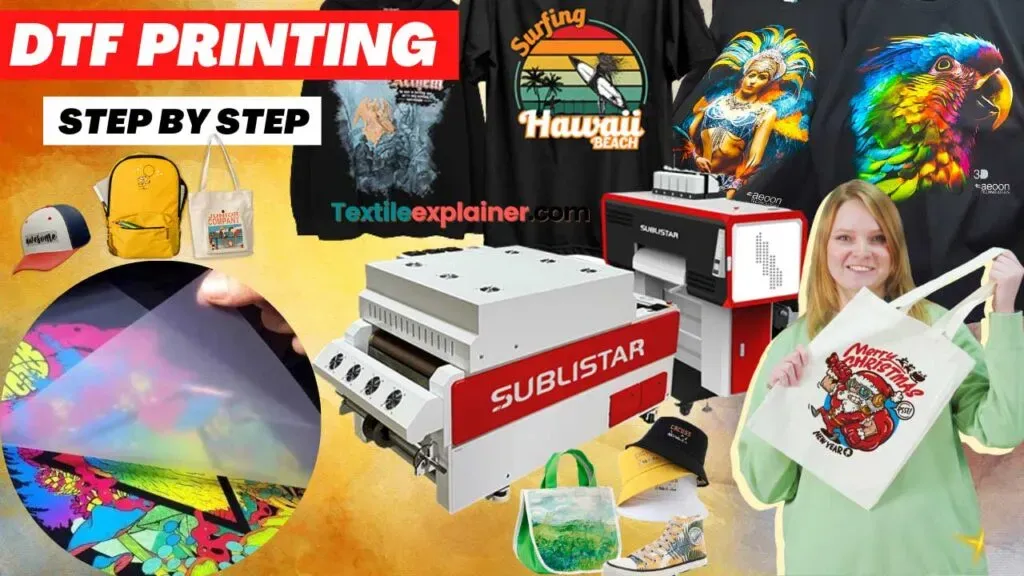
DTF printing techniques have transformed the landscape of modern printing, providing an innovative way to create vibrant designs that leave a lasting impression. With Direct-to-Film (DTF) technology, designers can effortlessly bring colorful prints to life on a variety of substrates, from fabrics to promotional products. This technique not only ensures high-quality results but also embraces sustainable printing practices that resonate with the eco-conscious consumer. As we delve deeper into the intricacies of DTF printing, we'll uncover its advantages, including its versatility and the ability to cater to print-on-demand needs. Join us on this journey to explore how DTF printing can elevate your creative projects with stunning designs.
The world of printing is evolving with methods like Direct-to-Film (DTF) rapidly gaining popularity among designers and artists. This approach, often labeled as a game-changer, allows for the creation of stunning graphic prints that feature vivid colors and intricate details. By utilizing a unique printing process, users can achieve remarkable outcomes on various materials, catering to a diverse range of applications including custom apparel, promotional merchandise, and art prints. The appeal of this technique lies not only in its ability to produce colorful prints but also in its efficiency and sustainability, reflecting a growing trend in the print industry. In this article, we will discuss the compelling aspects of DTF technology and its potential to redefine your approach to graphic design.
The Magic of Vibrant Designs in DTF Printing
Vibrant designs are at the core of Direct-to-Film (DTF) printing techniques, allowing artists to express their creativity with exceptional color depth and clarity. These prints stand out due to their ability to display a wide spectrum of hues, making them ideal for applications that require attention to detail and visual impact. High-resolution graphics can be achieved through the specialized inks used in DTF printing, providing both intricate detail and a smooth finish that captures the essence of vibrant artwork.
Designers can easily create vibrant patterns and motifs that rely on bold colors that can engage viewers at first glance. This vividness is not only appealing but also memorable, setting DTF printed products apart in a saturated marketplace. By utilizing DTF techniques, artists can focus on creating eye-catching graphics that resonate with audiences, enhancing brand identity and recall.
Sustainability Benefits of DTF Printing
In recent years, sustainability has become a crucial consideration in every industry, and DTF printing techniques take this into account by minimizing waste and promoting eco-friendly practices. By using a print-on-demand model, businesses can produce garments and products only as needed, reducing unsold inventory that often ends up in landfills. This method not only saves resources but also aligns with the values of environmentally conscious consumers, making DTF an attractive option for those looking to support sustainable practices.
Moreover, the technology behind DTF printing reduces the environmental footprint by eliminating the need for excess water and chemicals that are typically required in traditional screen printing methods. This means that brands can shift towards a more sustainable printing solution without compromising on quality or color vibrancy, thus appealing to a growing audience of eco-aware shoppers.
Exploring The Versatility of DTF Printing Techniques
One of the most compelling aspects of DTF printing techniques is their versatility. Unlike other methods that may be limited to specific materials or products, DTF printing can be applied to a wide range of substrates, including fabrics, plastics, and even ceramics. This adaptability enables designers to explore multiple avenues for their creativity, whether it’s crafting intricate clothing designs, personalized gifts, or unique promotional items.
This broad application range not only boosts creativity but also broadens market opportunities for businesses. With DTF printing, companies can diversify their product lines, from apparel to home decor, without the need for costly investments in different printing setups. This flexibility makes DTF a favorite among emerging brands in the print-on-demand space, allowing them to cater to various client needs and preferences.
Choosing the Right Design Software for DTF Printing
Selecting appropriate design software is critical for executing vibrant designs using DTF printing techniques. Programs like Adobe Illustrator and CorelDRAW are favored among professionals because they offer powerful tools for creating high-resolution graphics and intricate vector designs. These software platforms provide the necessary resources for graphic manipulation, helping designers achieve stunning visuals that translate seamlessly onto printed materials.
Working with the right software ensures that graphic designers can optimize their projects for color management and resolution, critical factors in DTF printing. Utilizing features like layers and gradients can significantly enhance the vibrancy of the prints, making designs pop when printed on various substrates. Furthermore, these programs are equipped with tools that help simulate how colors look on the intended material, providing an added layer of assurance in the design process.
The Impact of Trend Analysis in DTF Printing
Staying current with trends in DTF printing is vital for designers aiming to lead in the competitive graphic design landscape. Emerging trends such as compact DTF printers have made quality printing more accessible to small businesses and freelancers, enabling them to deliver vibrant and professional designs without large overhead costs. This evolution in technology empowers a new generation of artists to experiment and innovate within the print-on-demand market.
By keeping an eye on industry trends, designers can adapt their styles and techniques to meet consumer preferences effectively. Innovations in sustainable materials, eco-friendly inks, and advanced print finishes mean that manufacturers can produce colorful prints that not only look good but also reflect the growing demand for responsibly produced goods. Thus, trend analysis becomes not just a marketing tool but a source of inspiration for fresh and engaging design concepts.
Finishing Touches to Enhance Your DTF Prints
Completing a DTF print doesn’t stop at transferring the design; adding finishing touches can significantly enhance the vibrancy and durability of the final product. Checking for color fastness and adding a protective layer can ensure that the vibrant colors remain intact against fading over time. Techniques such as using a heat press with the correct settings for various materials are essential to preserve the features of the design while ensuring long-lasting quality.
Furthermore, incorporating adhesive layers post-transfer may boost the overall lifespan of the design, preventing wear and ensuring it withstands repeated washing and use. These finishing techniques not only elevate the visual appeal but also contribute to strengthening the product’s market position by ensuring customer satisfaction through quality and durability.
Frequently Asked Questions
What are the main advantages of Direct-to-Film (DTF) printing techniques?
DTF printing techniques offer several advantages, including vibrant colors and intricate designs due to advanced inks that support over 16 million colors. This method also promotes sustainability by minimizing waste compared to traditional printing techniques. Additionally, DTF's versatility allows for applications across various substrates, making it suitable for both apparel and promotional products.
How does DTF printing differ from other printing methods like screen printing?
DTF printing differs from screen printing in its process and output quality. While screen printing uses stencils and ink to layer colors, DTF printing involves transferring designs printed on a specialized film with heat and pressure, allowing for more detailed, vibrant prints and greater color range. Furthermore, DTF printing typically generates less waste, making it a more sustainable option for businesses.
Can DTF printing techniques be used for print-on-demand services?
Yes, DTF printing techniques are ideal for print-on-demand services. They allow businesses to produce high-quality, customized products without the need for large printing runs. This flexibility enables quicker production times and a cost-effective approach for artists and entrepreneurs looking to meet consumer demand for unique and personalized items.
What materials can I use with DTF printing techniques?
DTF printing techniques can be applied to a wide range of materials, including fabrics like cotton, polyester, and blends, as well as non-fabric surfaces such as plastic, cardboard, and wood. This versatility enhances the ability of designers to create colorful prints across different products and applications.
What steps should I follow to create vibrant designs using DTF printing?
To create vibrant designs using DTF printing, first, choose graphic design software like Adobe Illustrator. Develop your artwork with a focus on bold colors and adaptability for various materials. Next, print your design onto DTF film, transfer it onto your substrate using a heat press, and consider adding a protective layer for longevity. This process ensures vibrant colors and high-quality output.
Is DTF printing techniques environmentally friendly?
Yes, DTF printing techniques are considered environmentally friendly. They reduce waste significantly compared to traditional methods like screen printing, as they require less ink and fewer materials for setup. By adopting DTF printing, businesses can produce vibrant designs while appealing to eco-conscious consumers looking for sustainable printing solutions.
| Key Point | Description |
|---|---|
| What is DTF Printing? | DTF printing involves printing ink onto a special film for transfer onto various substrates using heat and pressure. |
| Vibrant Colors and Detail | DTF printing produces vibrant, detailed prints with the ability to layer inks for up to 16 million colors. |
| Sustainability and Less Waste | DTF printing reduces waste compared to traditional methods, appealing to eco-conscious consumers. |
| Versatility in Applications | It can be applied to various products including apparel, decals, and promotional items. |
| Steps to Create Designs using DTF | 1. Choose Design Software 2. Create Vibrant Graphics 3. Prepare DTF Film 4. Transfer Design 5. Add Finishing Touches |
Summary
DTF printing techniques are becoming a pivotal part of the graphic design landscape, enabling artists and businesses to craft striking, colorful designs efficiently. This method not only produces remarkable quality and detail but also aligns with modern sustainability practices. As the printing industry continues to evolve, embracing DTF printing can provide you with the tools necessary for captivating your audience while also promoting eco-friendliness. Start your journey into DTF printing techniques today and unlock the potential of your creative designs!