Patch Trends 2026 are reshaping fashion storytelling, turning patches from mere embellishments into strategic signatures that convey brand identity, culture, and attitude across streetwear, heritage, and premium collections. In this evolving landscape, color language in patches is a guiding force, pairing bold hues with muted neutrals to create focal points while preserving a cohesive mood across seasons, resonating with editors, retailers, and wearers alike. Texture becomes a tactile narrative, with explorations in chenille and velvet, raised embroidery, and stitched collage that invite touch and reward careful viewing on jackets, backpacks, and denim. Embroidery remains the crown jewel of patch design, balancing precision with storytelling as artists blend machine-made motifs and artisanal touches to create small-scale icons that read clearly from a distance. To bring these ideas into collections, designers should plan a cohesive palette, varied textures, and thoughtful embroidery, testing colorways across textures to build a durable, market-ready patch program that tells a distinctive story.
Patch Trends 2026: Color Patch Trends and Color Storytelling
Patch Trends 2026 foreground color as a narrative tool. Designers are embracing bold, saturated hues that pop against neutrals and nuanced tonal palettes that add depth without shouting. This approach aligns with color patch trends, where contrast and cohesion coexist: patches can stand out on denim while still forming a unified color family. A practical strategy is to pair bright, punchy patches with more subdued garments to create focal points rather than overwhelming the entire look.
The color story for patches also leans into gradients, ombré effects, and metallic threads that catch light in subtle, futurist ways. Duotone and tri-tone patches offer a modern, streamlined aesthetic that remains legible from a distance. By testing color patch trends across jackets, backpacks, and sneakers, brands can craft a cohesive collection while leaving room for patch design inspiration 2026.
Texture Patch Trends in 2026: Tactile Depth and Sustainable Materials
Texture patch trends emphasize dimensionality that invites touch. In 2026, patches combine flat fabric with raised embroidery, chenille, or appliqué to create a sculptural surface. This tactile journey moves across a garment—from sleeve to shoulder to chest—creating depth and interest that readers can feel as well as see.
Plush textures like chenille and velvet patches add warmth and a touch of retro luxury when balanced with matte denim or leather. Raised embroidery and 3D appliqué push texture into the foreground, while sustainable textures such as recycled fabrics, cork, and recycled leather align with consumer demand for responsible fashion.
Embroidery Trends 2026: Precision, Micro-Embroidery, and Mixed-Media Techniques
Embroidery trends 2026 emphasize precision, variety, and storytelling. Machine embroidery continues to deliver intricate motifs with clean lines suitable for mass production, while hand-finished touches provide an artisanal premium. Micro-embroidery allows tiny branding or icons to read clearly from a distance.
Mixed-media embroidery blends traditional stitches with yarns, ribbons, and metallic threads to create patches that shimmer and move. Stitch density and finish quality remain crucial for consumer expectations, especially in larger runs. Sustainability-driven motifs and narrative through texture show how embroidery can become a wearable badge of identity.
Production, Materials, and Sustainability for Patch Trends 2026
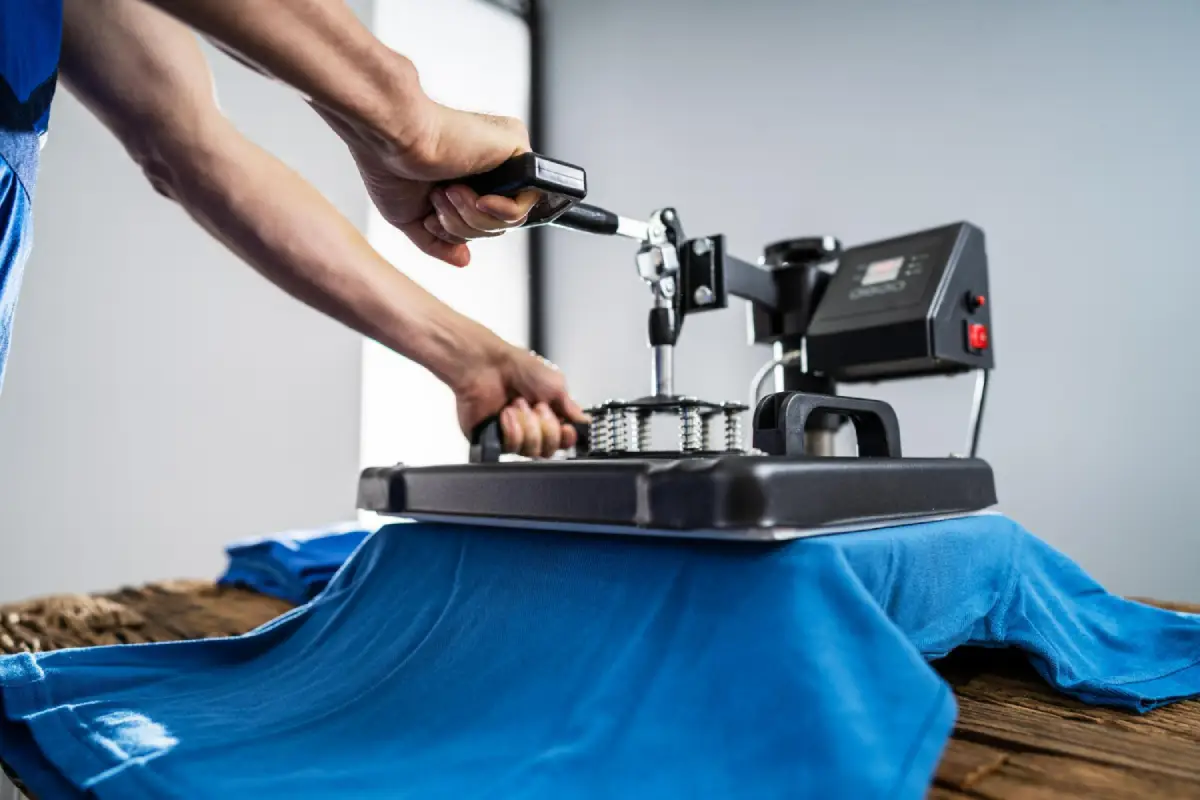
This section highlights how backing fabrics, adhesives, and edge finishing color the patch landscape, with heat-seal backings offering fast production while sew-on patches sustain premium lines where longevity matters. Patch trends 2026 are as much about process as aesthetics, balancing speed with quality.
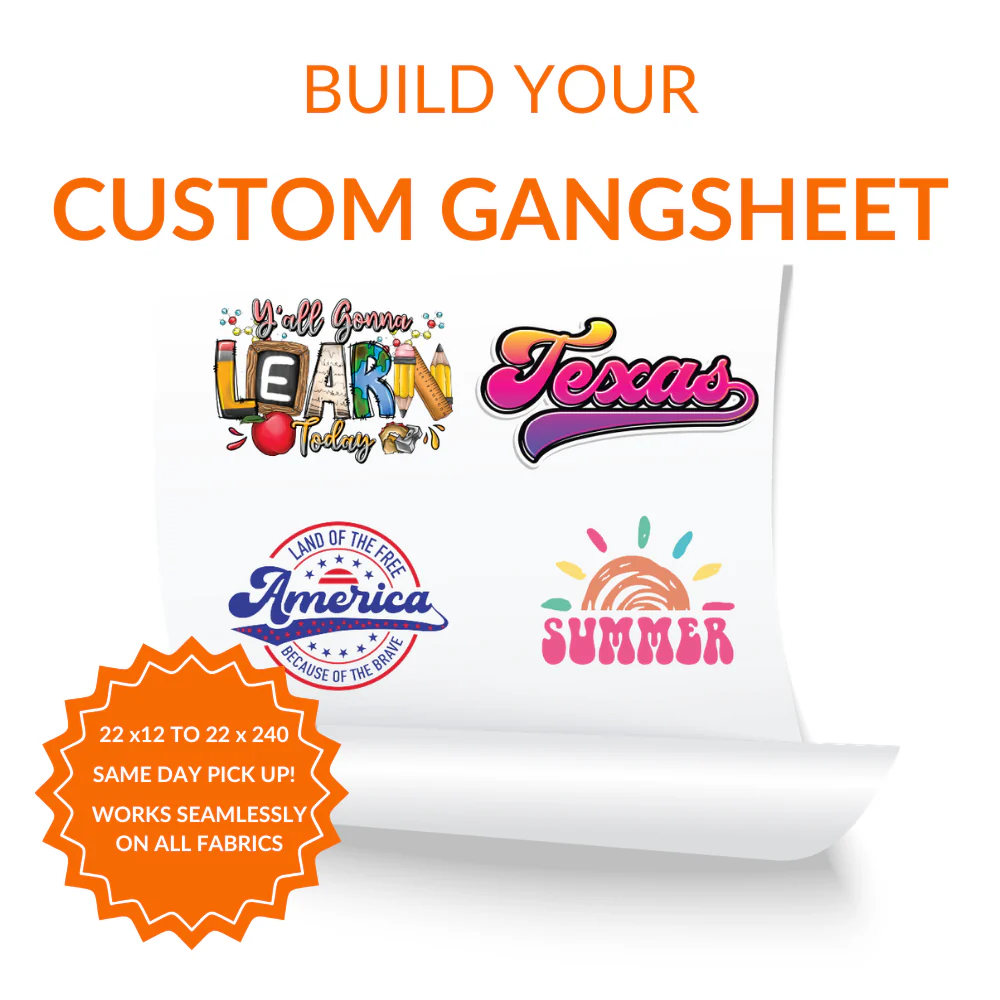
Sustainability informs all choices—from recycled polyester and organic cotton to water-based inks and eco-friendly embroidery threads. Patch designers also weigh lifecycle considerations, including end-of-life recyclability, repairability, and the potential to reuse or repurpose patches. Digital printing and pre-assembled patch sheets help scale color and texture across batches while supporting color patch trends and texture patch trends in a responsible way.
Designing for 2026: Practical Tips and Patch Design Inspiration 2026
To design successfully in 2026, start with a color palette of 2-4 core colors and 1-2 accents to anchor color patch trends while maintaining unity. Mix textures deliberately—pair plush chenille with flat patches, or combine raised embroidery with flat printed patches to create visual contrast and tactile interest across garments.
Embrace embroidery diversity: use a mix of micro-embroidery for detail and larger stitches for logos, with optional mixed-media embroidery to capture movement and light. Surface placement matters: plan a narrative across a garment—chest patch, sleeve accents, and a back statement piece—and prioritize durability with secure edges and colorfast threads. By aligning color patch trends, texture patch trends, and embroidery trends 2026, designers can craft patches that are visually striking, emotionally resonant, and ready for the market.
Frequently Asked Questions
What is Patch Trends 2026 and how do color patch trends influence design decisions?
Patch Trends 2026 centers color, texture, and embroidery as the core language of patches. Color patch trends in 2026 favor bold, saturated hues, high-contrast combinations, and gradient or ombré effects, often with restrained use of metallic threads for a futuristic edge. To apply these ideas, plan 2–4 core colors with 1–2 accents to keep outfits cohesive while patches pop, pairing bright patches with neutral garments to create focal points.
How do texture patch trends in Patch Trends 2026 affect patch fabrication and garment feel?
Texture patch trends for 2026 emphasize dimensionality, using combinations of flat fabric with raised embroidery, chenille, or 3D appliqué to create tactile depth. Plush textures like chenille and velvet add luxe, retro vibes when paired with matte denim or leather, while raised embroidery and 3D elements deliver visual interest on diverse surfaces. Consider sustainable textures such as recycled fabrics or cork, and plan edge finishing and backing to ensure durability across washes.
What embroidery trends 2026 drive patch design inspiration 2026 for brands and collections?
Embroidery trends 2026 spotlight precision machine embroidery, micro-embroidery, and mixed-media techniques that blend traditional stitches with yarns or metallic threads. This allows detailed branding or logos on small patches and rich textures on larger patches, with finish quality remaining crucial for mass production. Sustainability-driven motifs and storytelling through texture also guide patch design inspiration 2026, helping patches become conversation-starting wearable badges.
How can brands balance color patch trends with sustainability in Patch Trends 2026?
Balance is achieved by choosing eco-friendly materials (recycled fabrics and low-impact threads), using responsible dye processes, and favoring patch designs that are repairable or recyclable at end of life. Adopting limited color palettes and smart color blocking reduces waste while still delivering impactful color patch trends. Small-batch production and digital methods can further minimize environmental impact without sacrificing look or quality.
What practical steps from Patch Trends 2026 can fuel patch design inspiration 2026 across collections?
Start with a cohesive color palette (2–4 core colors, 1–2 accents) to support color patch trends, then mix textures deliberately by pairing plush chenille with flat patches and combining raised embroidery with flat prints. Embrace embroidery diversity by using micro-embroidery for detail and larger stitches for logos, and consider mixed-media embroidery to capture movement. Plan surface placement across jackets, backpacks, and hats to tell a complete narrative while prioritizing durability and sustainability.
| Section | Key Points |
|---|---|
| Introduction |
Patch trends are reshaping design thinking across fashion, from streetwear to high fashion. Patch Trends 2026 centers on three drivers: color, texture, and embroidery, influencing not only appearance but how patches feel and tell a garment’s narrative. This guide explores color, texture, and embroidery trends and offers practical ideas for applying them to collections. |
| Color Patch Trends in 2026 |
|
| Texture Patch Trends in 2026 |
|
| Embroidery Trends 2026 |
|
| Materials, Production, and Sustainability |
|
| Designing for 2026: Practical Tips |
|
| Case Studies and Inspiration |
|
| Care, Longevity, and Care Instructions |
|
Summary
Patch Trends 2026 describe a dynamic evolution in fashion storytelling, reshaping how patches function as signature elements that communicate brand identity, culture, and attitude. This overview highlights three core drivers—color, texture, and embroidery—that influence not only patch aesthetics but also how they feel and wear on a garment. Designers can leverage bold color stories, tactile textures, and intricate embroidery to build patches that anchor narratives across jackets, bags, and accessories. Sustainability, production versatility, and mindful placement remain crucial as brands balance impact with durability. As Patch Trends 2026 unfold, designers are encouraged to test colorways, textures, and stitch techniques in small runs to craft a cohesive yet flexible patch program for future collections.