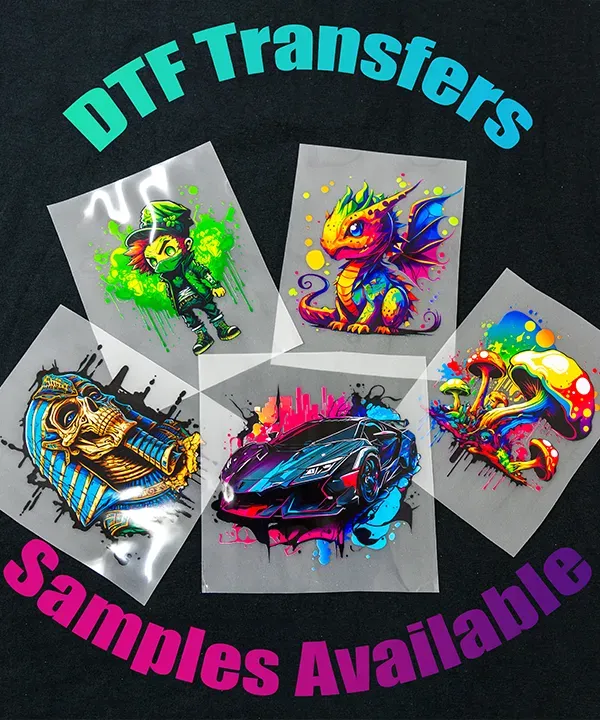
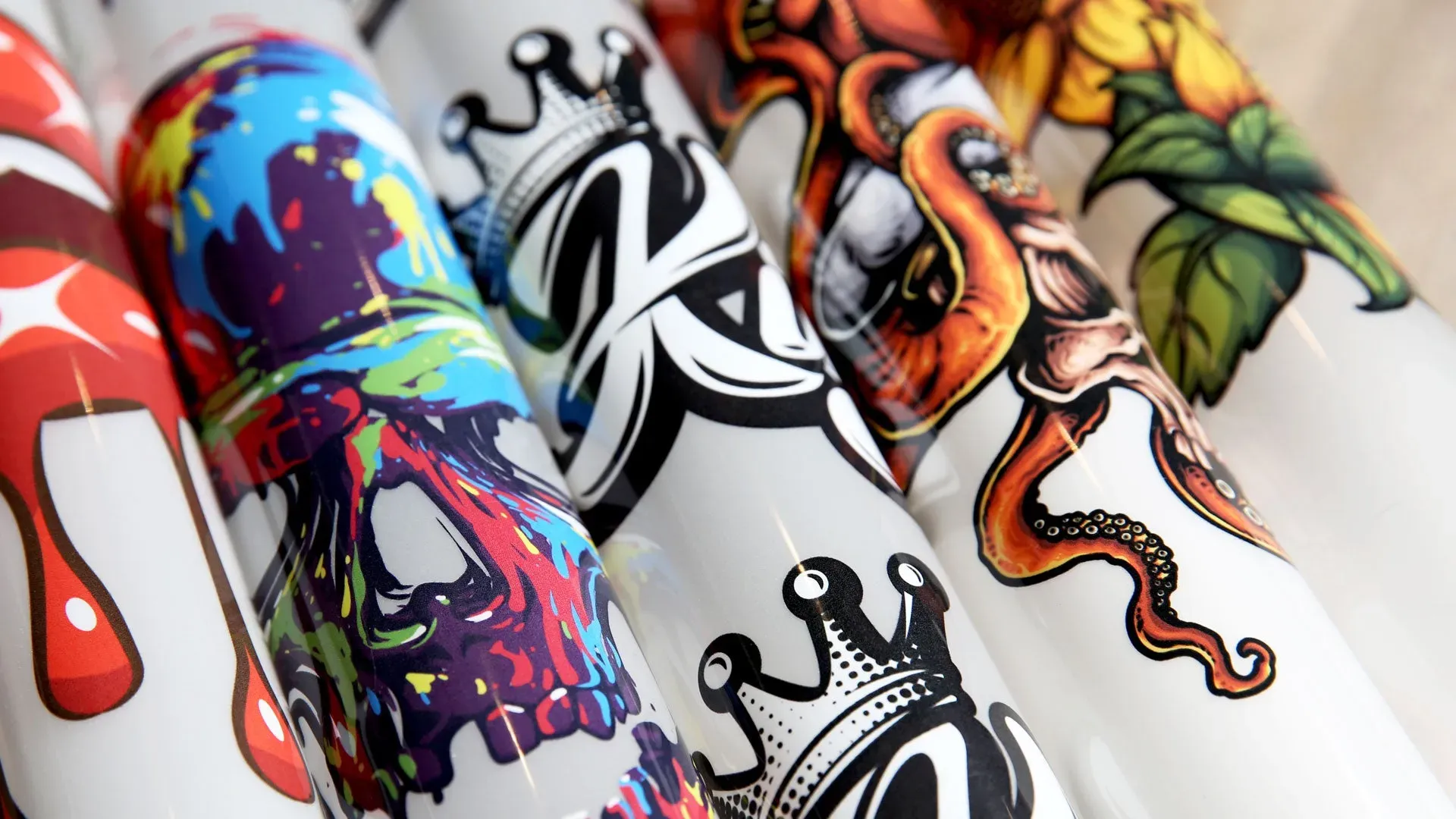
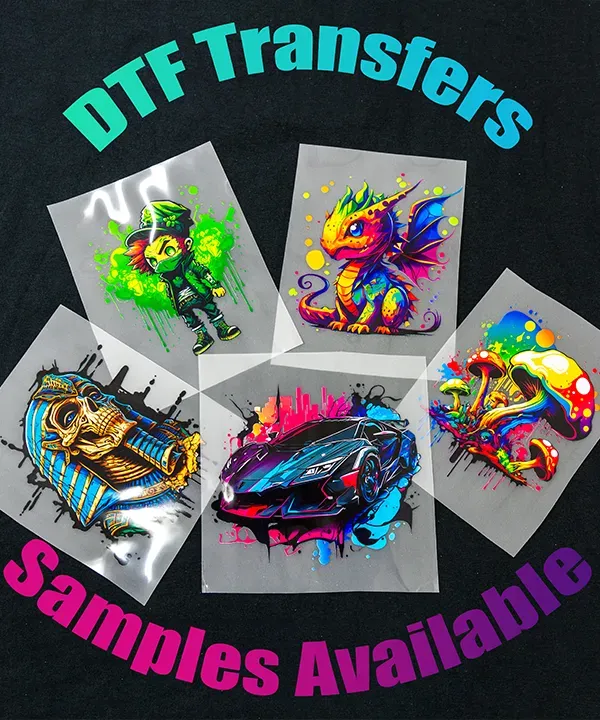
A UV DTF printer is a pivotal tool for modern print shops seeking durable, vibrant transfers across multiple fabrics. From apparel to promotional items, it enables rapid production on textiles, blends, and even some synthetics. Choosing the right model can impact product quality, production speed, and overall profitability. This guide offers practical evaluation tips, sample-testing suggestions, and a clear path to smart investments. Whether you run a small shop or a mid-size operation, preparation now will help you select the best option.
From a broader perspective, this topic can be described as UV-curable ink transfer technology used for digital textile transfers. LSI principles suggest weaving in related terms such as uv printing vs dtf printing and dtf transfer printing workflows. These terms echo the same core idea—durable color, broad substrate compatibility, and efficient production. Recognizing synonyms and related concepts can improve content relevance for both readers and search engines. This framing helps readers connect technical specs with practical buying decisions.
What is a UV DTF printer? How it works and why it matters
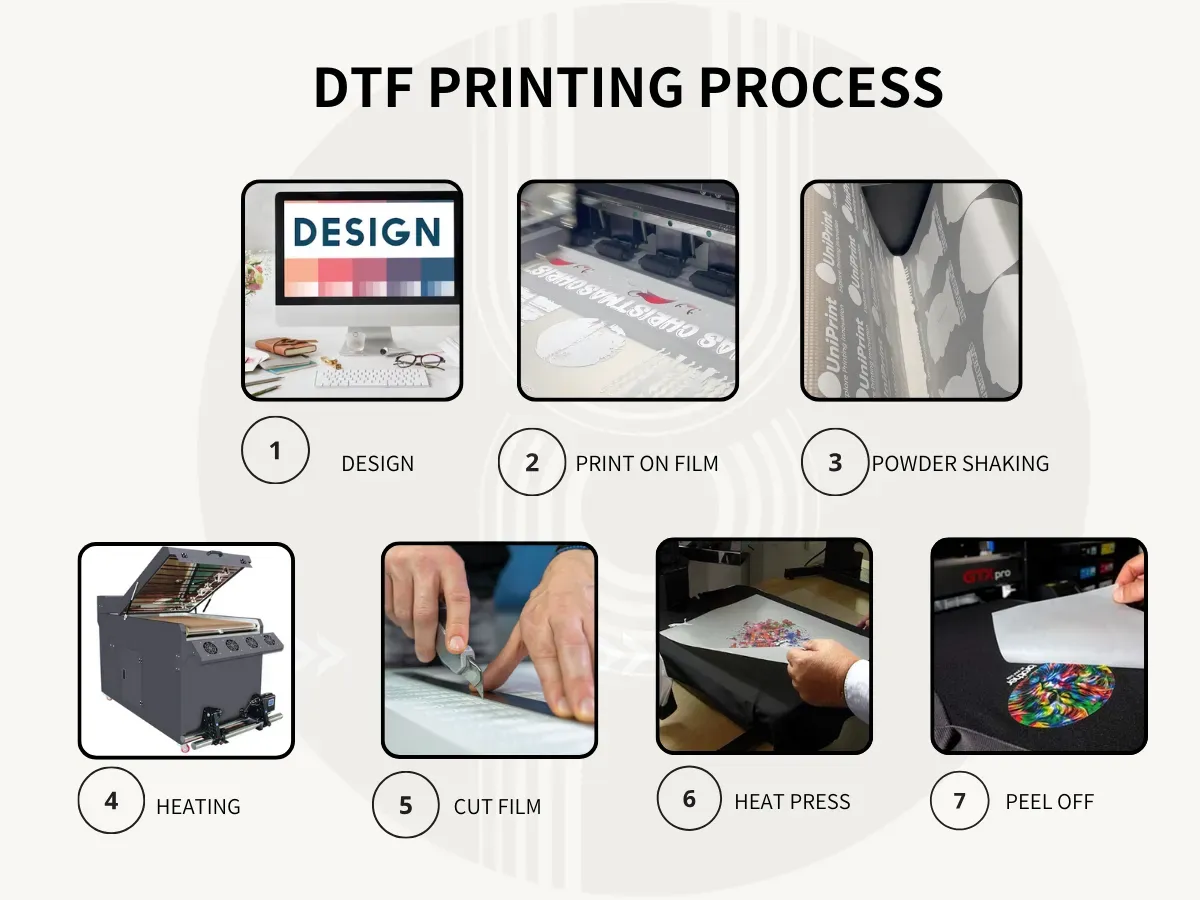
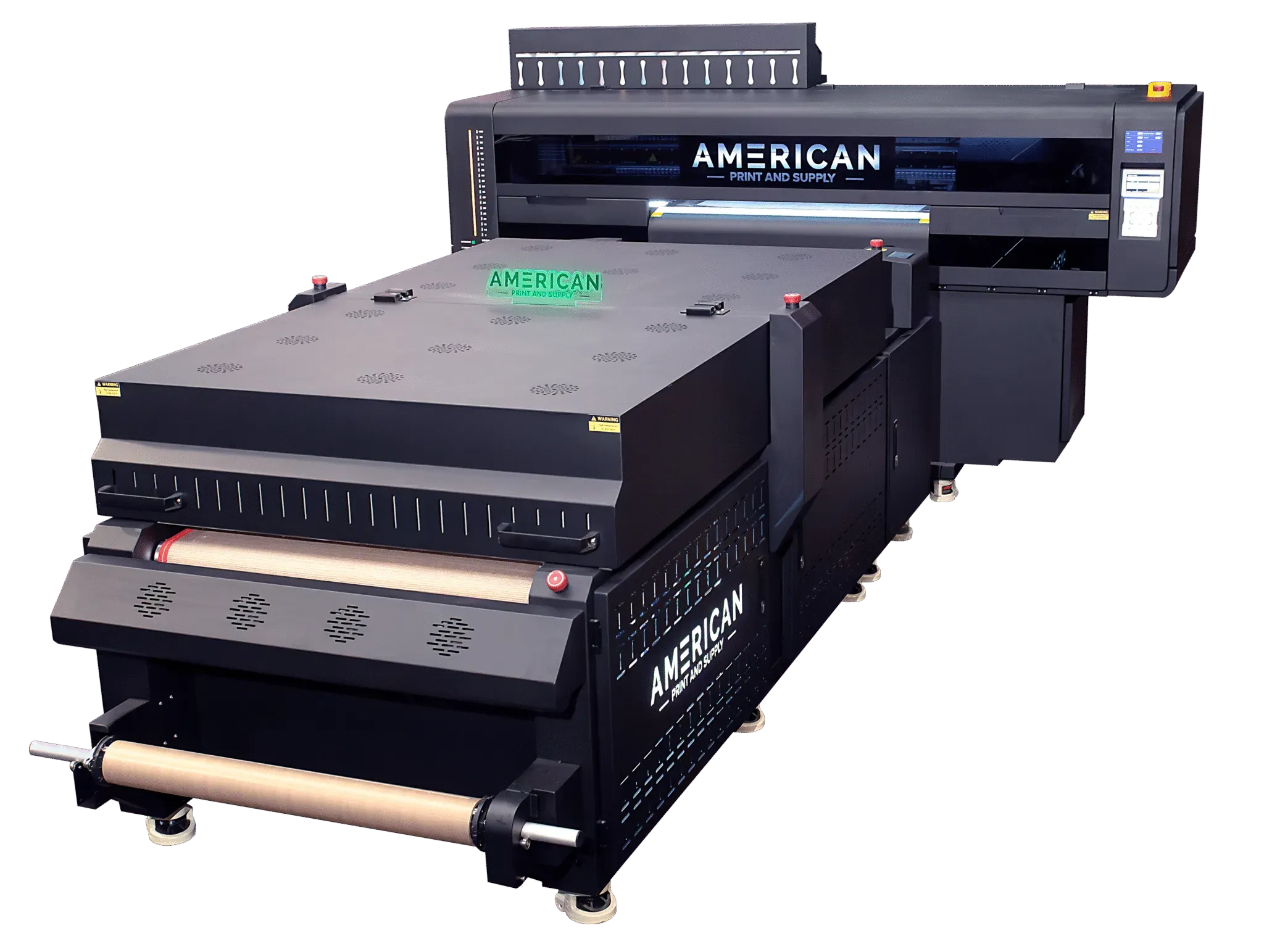
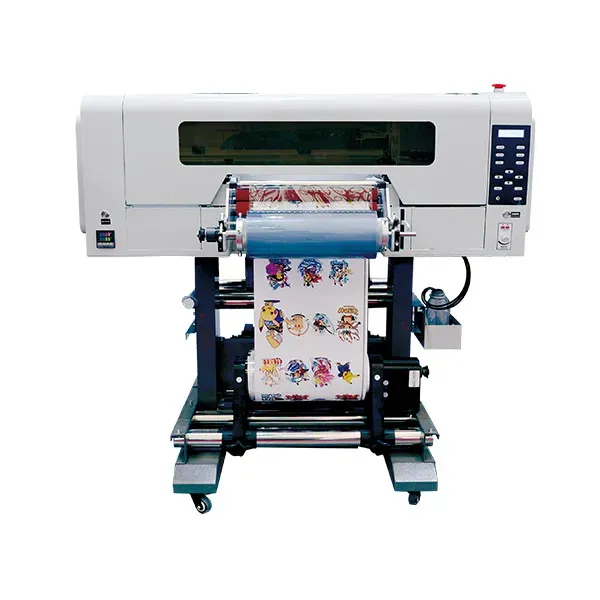
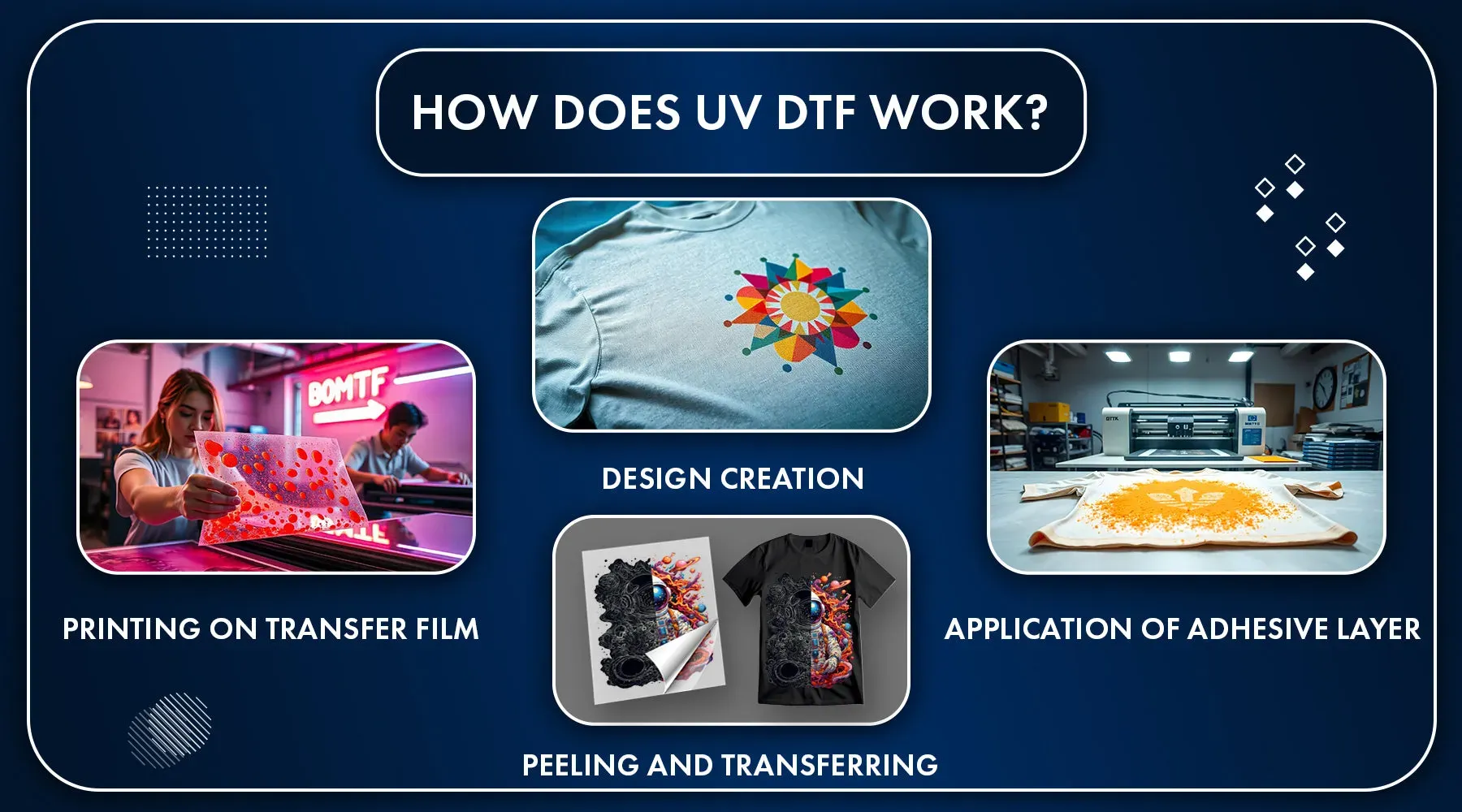
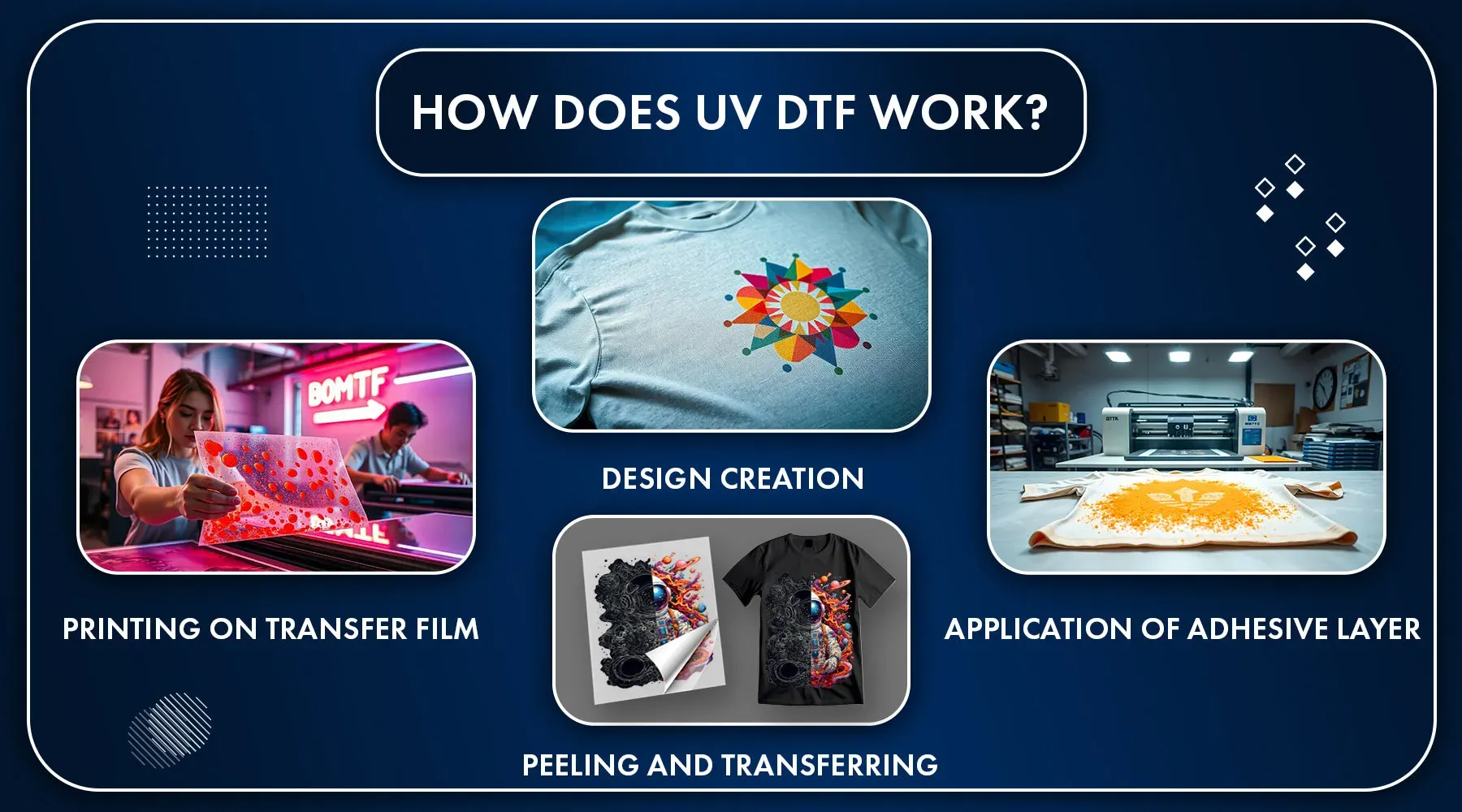
A UV DTF printer is a device that applies UV-curable inks to transfer films, which are then used to create durable designs on fabrics and other substrates. The inks cure instantly under UV light, delivering crisp edges, strong adhesion, and resistance to washing. For shop owners, this means more reliable results and the ability to expand offerings across a wider substrate range.
Understanding the UV DTF transfer process helps explain why this method is often favored for apparel and promotional items. When compared to traditional printing, UV curing enables shorter production cycles and robust color fidelity, which is particularly important for designs with fine detail or bright, long-lasting colors. In discussions of uv printing vs dtf printing, many shops find the UV DTF approach strikes a balance between speed, durability, and substrate versatility.
Key specs that drive print quality: resolution, white ink, and color management
Print resolution and color management are primary determinants of image sharpness and fidelity. Look for a native resolution of at least 720 x 1200, with models offering 1440 x 1440 or higher for very detailed artwork. A printer with robust color management, calibration options, and reliable ICC profiles will produce more consistent, shop-ready results across fabrics.
White ink capability is essential for operating on dark fabrics and achieving opacity in layered designs. Evaluate white ink reliability, channel design, and maintenance simplicity, since white layers often drive throughput in dtf transfer printing. A system with multiple white channels or a proven white-layer strategy can significantly impact throughput and final output quality.
Substrate compatibility and ink chemistry: what you can print on
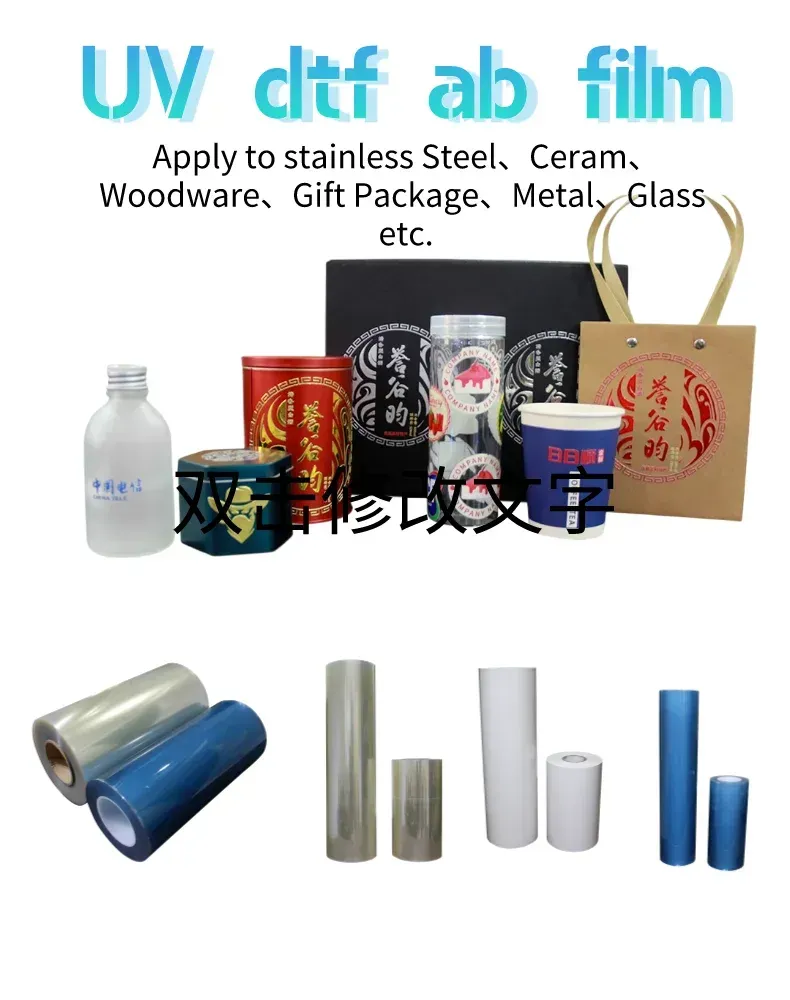
Substrate compatibility is a core consideration. A good UV DTF system supports polyester, cotton blends, and even certain synthetics, enabling a broader product mix from apparel to promotional items. For a uv dtf transfer printer, substrate versatility directly affects profitability and the ability to offer differentiated designs.
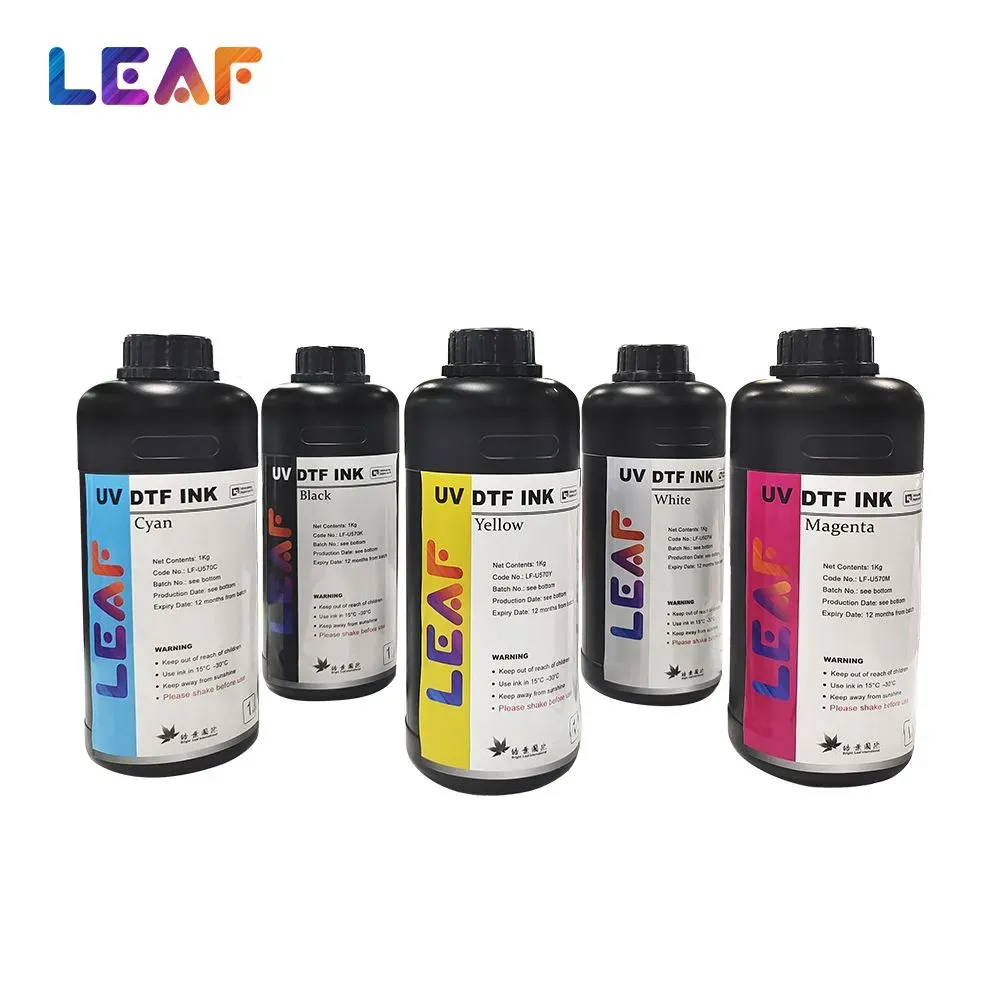
Ink chemistry and curing behavior shape how inks bond to different fabrics and surfaces. Some UV inks cure quickly on cotton blends, others excel on synthetics, and post-cure handling can influence wash resistance. When evaluating options, consider how ink formulation aligns with your substrates and peak production hours, as well as how it compares in uv printing vs dtf printing scenarios.
Throughput, bed size, and media handling: aligning speed with quality
Throughput and print area are closely linked to business goals. Assess printable area per hour and how speed impacts color fidelity, with an eye toward models that offer efficient curing and reliable media paths. For shops with steady demand, a UV DTF printer that balances fast output with consistent quality can be a strong differentiator.
Media handling features—such as auto-feeding, take-up reels, and bed type (flat-bed vs. roll-to-roll compatible)—affect workflow efficiency and waste. Larger print areas expand capabilities but require careful consideration of footprint, electrical needs, and ventilation for UV inks. In choosing a printer, align print area and media handling with typical job sizes to avoid over-spending on unused capacity.
Workflow, RIP, and total cost of ownership
A streamlined workflow reduces setup time and color drift. Verify compatibility with your preferred RIP software, color profiles, and integration with your existing software stack. A printer that plays nicely with your software ecosystem helps ensure consistent results across job runs and simplifies operator training.
Total cost of ownership goes beyond the sticker price. Consider ink consumption, maintenance, spare parts, and service plans. While a premium UV DTF printer may have a higher upfront cost, lower running costs or longer maintenance intervals can improve ROI in the long run. Vendors offering strong warranty and reliable support—along with access to replacement parts—are essential in sustaining productivity.
Practical evaluation and real-world scenarios for growth
Practical evaluation starts with sample prints on your most-used substrates. Request side-by-side comparisons on dark and light fabrics, test curing speed at different settings, and assess opacity and color consistency across runs. Involving your production team early helps gauge throughput, ease of use, and maintenance needs.
Real-world scenario: a mid-sized shop printing on cotton blends and polyesters for fashion and promotional wear. The ideal setup emphasizes strong white ink performance, a balanced print area, efficient curing, and a reliable support network. Such a configuration enables new offerings, faster turnarounds, and growth opportunities, helping you confidently compare the uv dtf transfer printer landscape with options like the best uv dtf printer for shop and understand the nuances between UV printing vs dtf printing.
Frequently Asked Questions
What is a UV DTF printer and how does it impact DTF transfer printing?
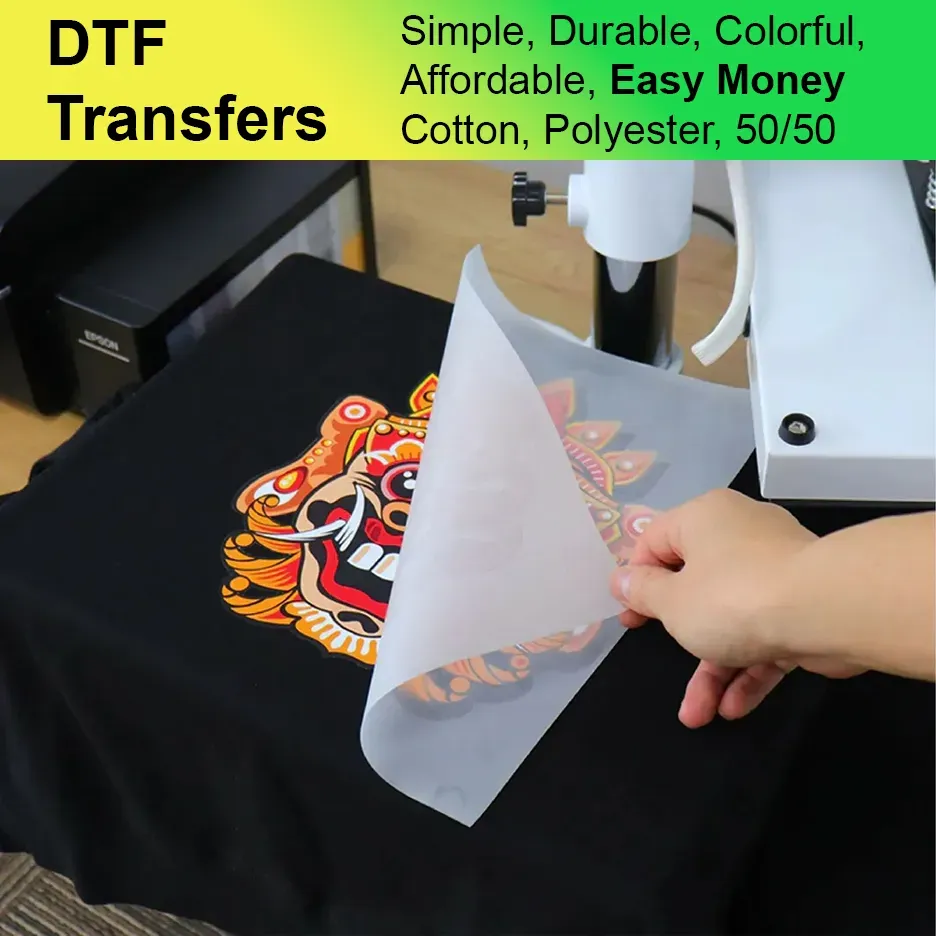
A UV DTF printer uses UV-curable inks that cure instantly with UV light, enabling transfers from film onto fabrics. This UV DTF transfer printing method delivers sharp detail, strong adhesion, and excellent wash resistance, with broad substrate compatibility and fewer reprints when properly cured.
What features define the ‘best uv dtf printer for shop’ and how should I evaluate it?
Look for native resolution of 720 x 1200 or higher and robust color management, reliable white ink capability, wide substrate compatibility, an adequate print area and bed type, and solid ink maintenance processes. Also assess RIP/software integration, total cost of ownership, and vendor support to identify the best uv dtf printer for shop.
How does white ink capability affect UV DTF transfer printing on dark fabrics?
White ink serves as the base layer for dark fabrics. A UV DTF printer with reliable white ink channels, stable clearing/flush routines, and multi-channel white capability reduces ghosting and improves opacity, producing brighter colors and higher throughput on dark garments.
Which substrates can a UV DTF printer handle and what ink chemistry should I expect?
A UV DTF printer can print on cotton, polyester blends, and many other fabrics and some non-textiles, depending on ink chemistry. Check substrate compatibility, cure times, and post-cure handling, as different UV inks bond differently to materials and affect washfastness and color accuracy.
What are the key differences between UV printing vs DTF printing in terms of durability and workflow?
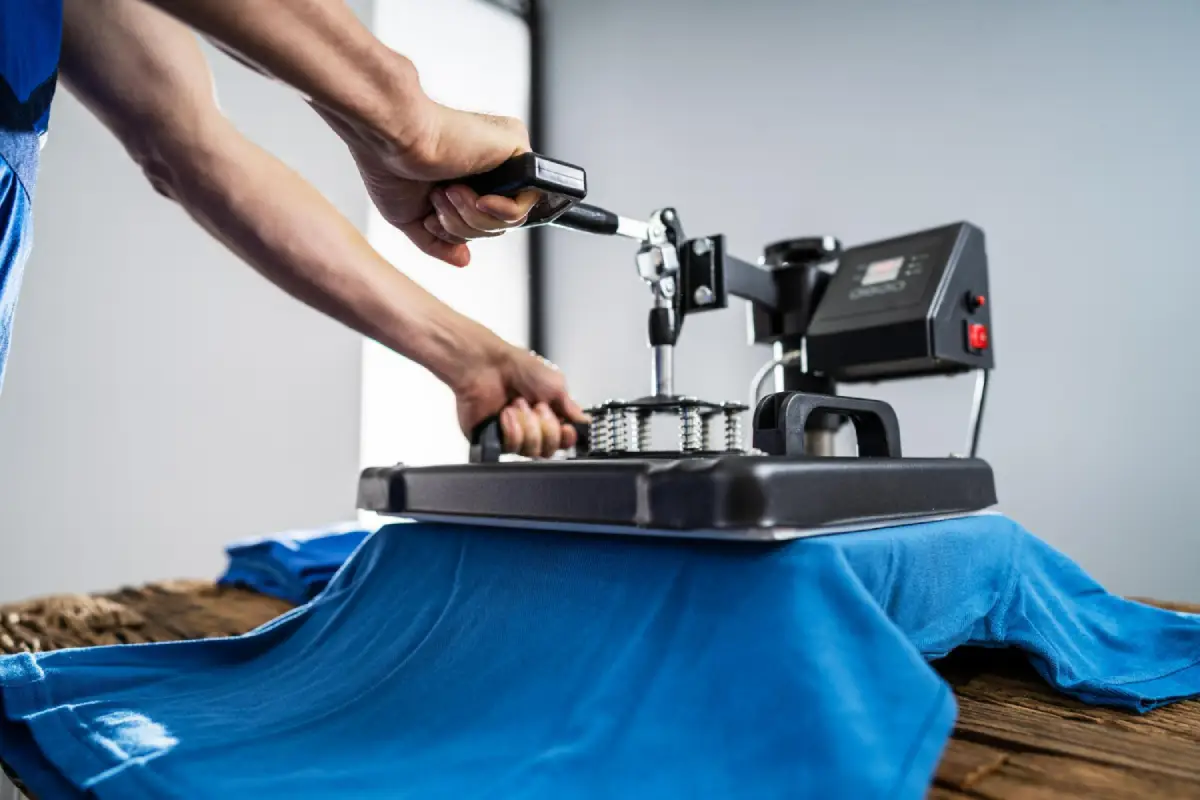
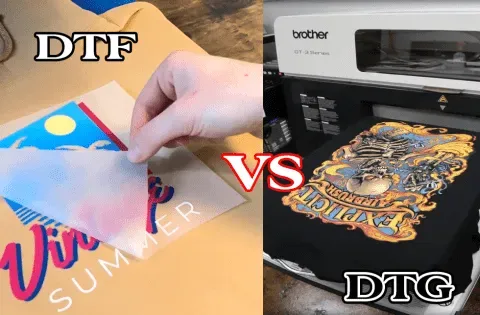
UV printing uses UV-curable inks applied directly to the substrate, while DTF printing uses a transfer film and a heat-press step. Durability can be excellent for both with proper curing; workflow differences include a potentially faster single-pass UV process versus the additional film-transfer steps in DTF printing, plus separate ICC profiling and color-management considerations.
How should I assess speed, throughput, and total cost of ownership when selecting a UV DTF transfer printer?
Evaluate print area and job throughput per hour, cure time, and how speeds affect color fidelity. Compare ink consumption and maintenance costs, service plans, and consumables to estimate total cost of ownership. Request substrate-specific samples to verify opacity and color, and choose a UV DTF transfer printer with solid vendor support to maximize ROI.
| Topic | Key Points |
|---|---|
| What is a UV DTF printer? | A device that applies UV-curable inks to transfer films, creating durable designs on fabrics and other substrates; inks cure instantly under UV light for crisp images with good wash durability. |
| Your goals before you shop | Define production volume, substrates, finish quality, space and budget, and your existing RIP/software workflow to guide model selection. |
| Print resolution & quality | Look for native resolutions at least 720×1200; 1440×1440+ offers detail. Consider color gamut and reliable ICC profiles for consistent results. |
| White ink capability & color layering | Reliable white ink channels and solid opacity reduce ghosting on dark fabrics and improve throughput. |
| Ink chemistry & substrate compatibility | Check cure times, post-curing handling, and substrate ranges to ensure color accuracy and durability across planned fabrics. |
| Speed & throughput | Balance printable area per hour with print quality; features like parallel channels and efficient curing help high-volume shops. |
| Ink management & maintenance | Intuitive maintenance routines, easy cleaning, and accessible spare parts minimize downtime. |
| Print area, bed type & media handling | Larger print area expands capability; choose flat-bed vs roll-to-roll; auto-feeding and take-up reels matter. |
| Printer footprint & electrical needs | Assess space, cooling, ventilation, and whether dedicated electrical circuits are required. |
| Software, RIP & workflow integration | Ensure compatibility with your RIP and color-management tools to reduce setup time and color drift. |
| Total cost of ownership | Consider ink consumption, maintenance, service plans, and consumables alongside the upfront price. |
| Supplier support & warranty | Onboarding, training, service contracts, reliable warranty, and accessible support are essential. |
| Practical evaluation tips | Request samples on common substrates, compare outputs, test curing at different speeds, review maintenance intervals, involve the team. |
| Real-world scenario | A mid-sized shop prioritizes white ink reliability, suitable print area, efficient curing, and good media handling to grow offerings. |
| Maintenance & ongoing care | Regular nozzle checks, calibration, timely consumable replacements, proper ink storage, and ventilation considerations. |
Summary
UV DTF printer technology enables shops to deliver durable, vibrant transfers across a wide range of fabrics and substrates, aligning print capabilities with production goals and budget. By prioritizing print quality, reliable white ink performance, ink management, appropriate print area, and smooth workflow integration, you can select a model that minimizes waste and maximizes throughput. A careful evaluation—with sample prints, clear use cases, and a plan for maintenance—helps avoid costly missteps and supports long-term profitability. For shops expanding into apparel, accessories, or promotional items, investing in a capable UV DTF printer can shorten turnaround times and broaden service offerings, driving growth in a competitive market.