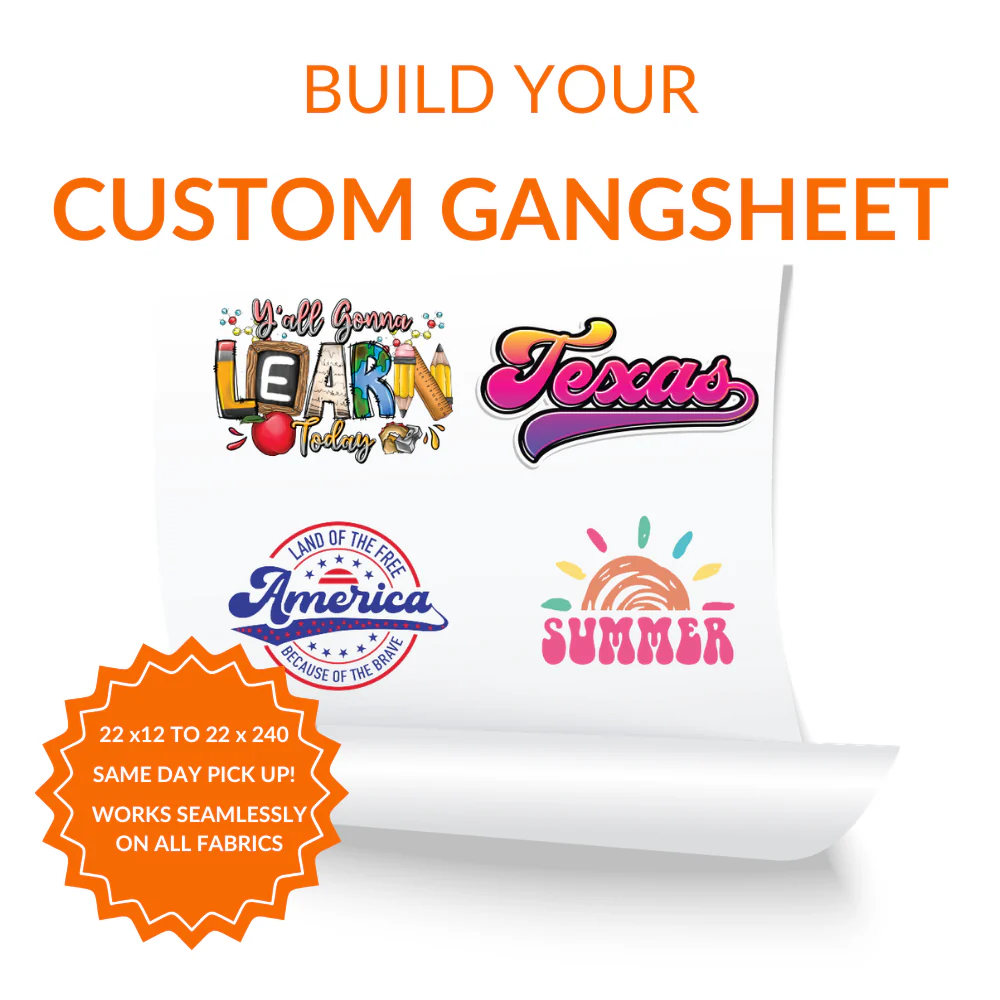
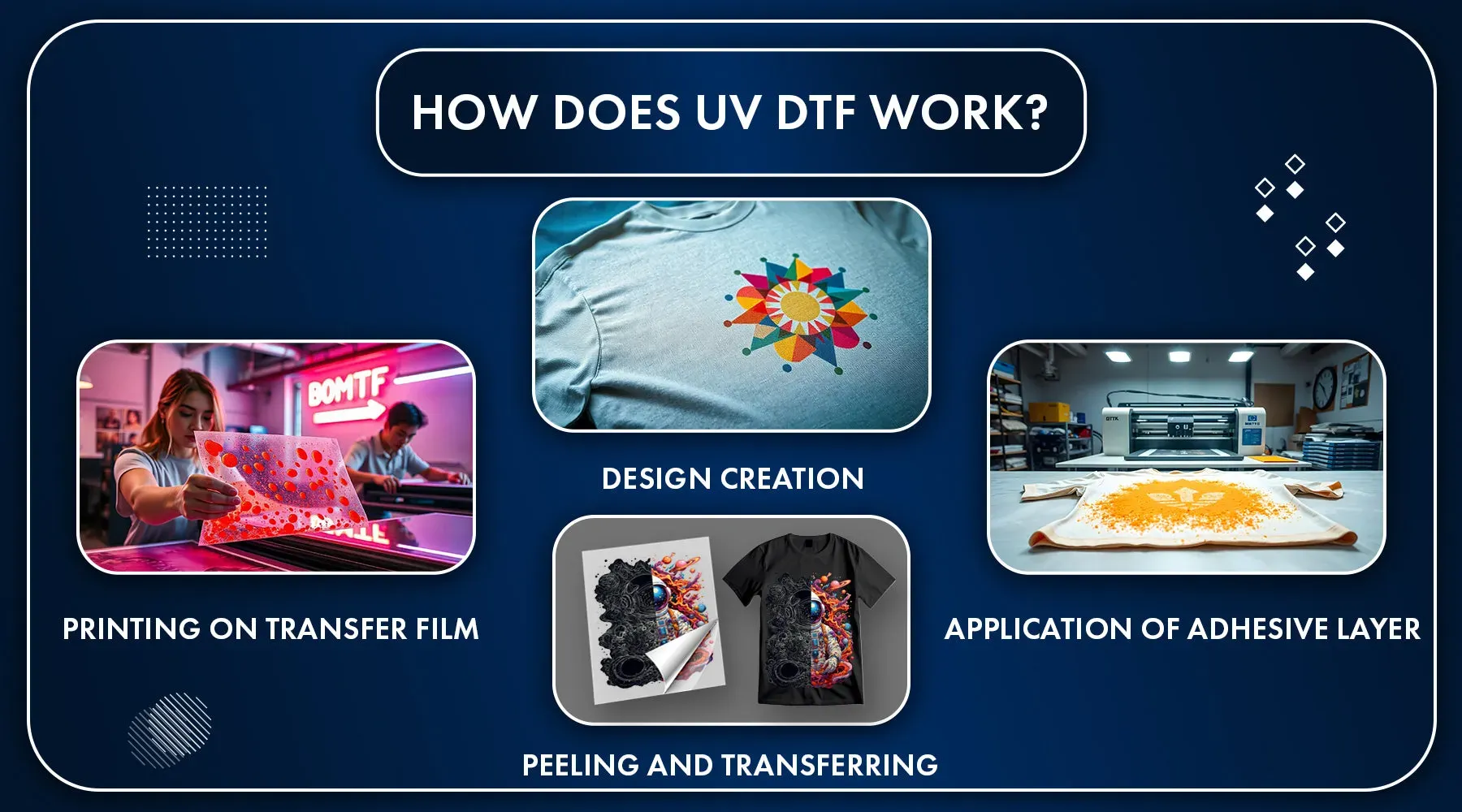
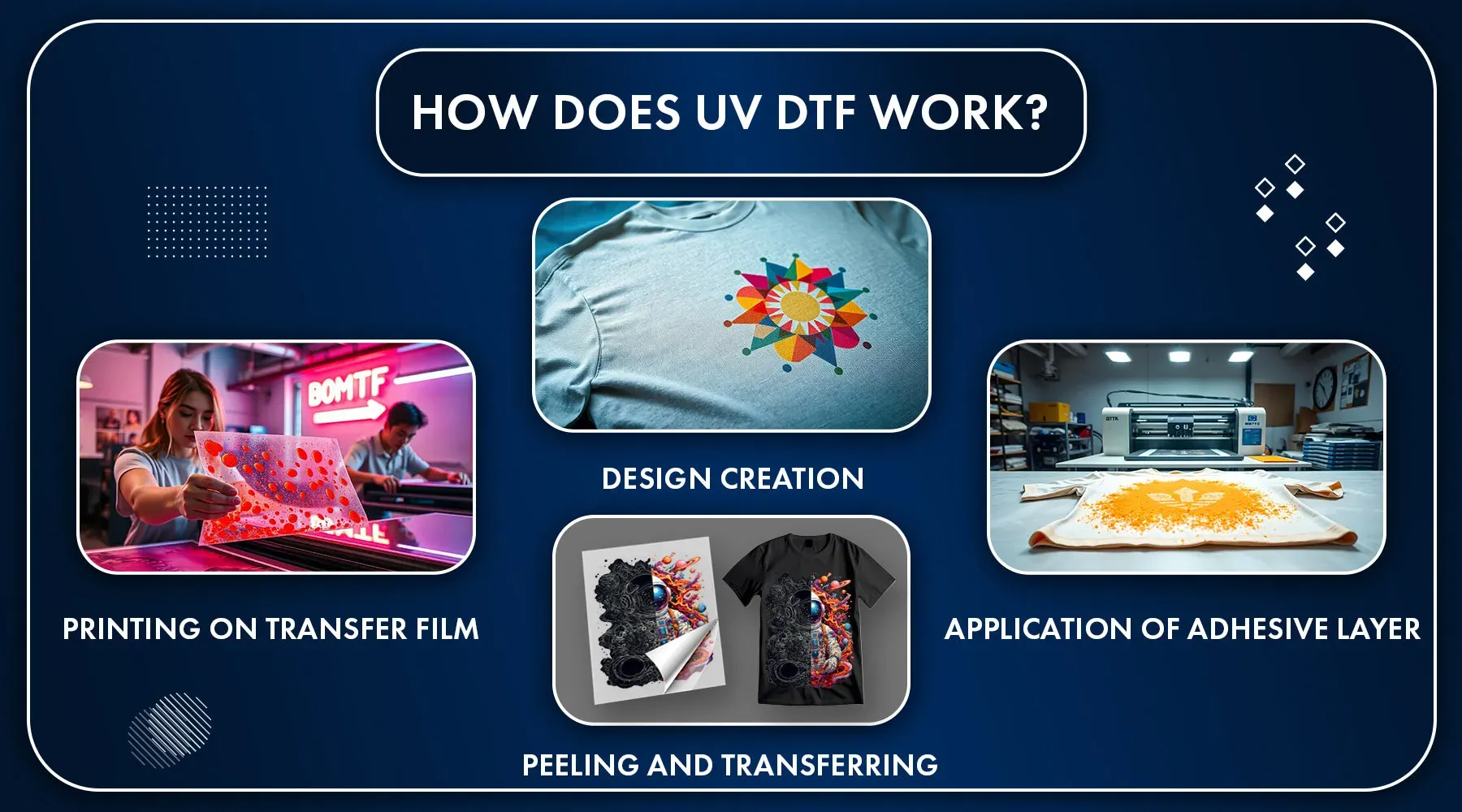
DTF printing in Houston is shaping how local entrepreneurs design and produce high-quality custom apparel at scale, turning imagination into market-ready garments with speed and consistency. From choosing a reliable DTF printing equipment setup to understanding the economics of production, this guide helps you map the journey from concept to finished transfers while staying responsive to Houston’s vibrant markets and scalable support services from vendors and repair networks across Texas. By examining the typical costs, timelines, and practical workflows, you can estimate DTF transfer costs and anticipate scheduling across diverse fabrics, from cotton tees to blends, with attention to humidity and climate factors that Houston’s climate imposes. A well-planned approach also highlights the operational cadence—the DTF printing timeline, curing steps, and finishing checks—that keeps first runs efficient and consistent as you scale in a competitive Houston environment. Whether you’re starting in a home studio or expanding to a small production floor, embracing the right tools and processes in Houston, including a dependable Houston heat press, sets you up for sustainable growth and repeat business.
Beyond the shorthand of ‘DTF,’ industry professionals describe this method as digital direct-to-film printing in Houston, a film-based transfer workflow that moves artwork from screen-ready files to fabrics with a final heat press. In LSI-friendly terms, this approach is often framed as digital transfer printing, film-to-fabric transfer, or press-ready artwork applied via transfer film. The emphasis is on compatible fabrics, reliable curing schedules, and predictable wash durability, all of which fit well with local production demands. By reframing the topic with related concepts like heat press cycles, pigment inks, and color management, readers grasp how this technology integrates into a broader garment-printing ecosystem.
DTF printing in Houston: Setup, Equipment, and Costs
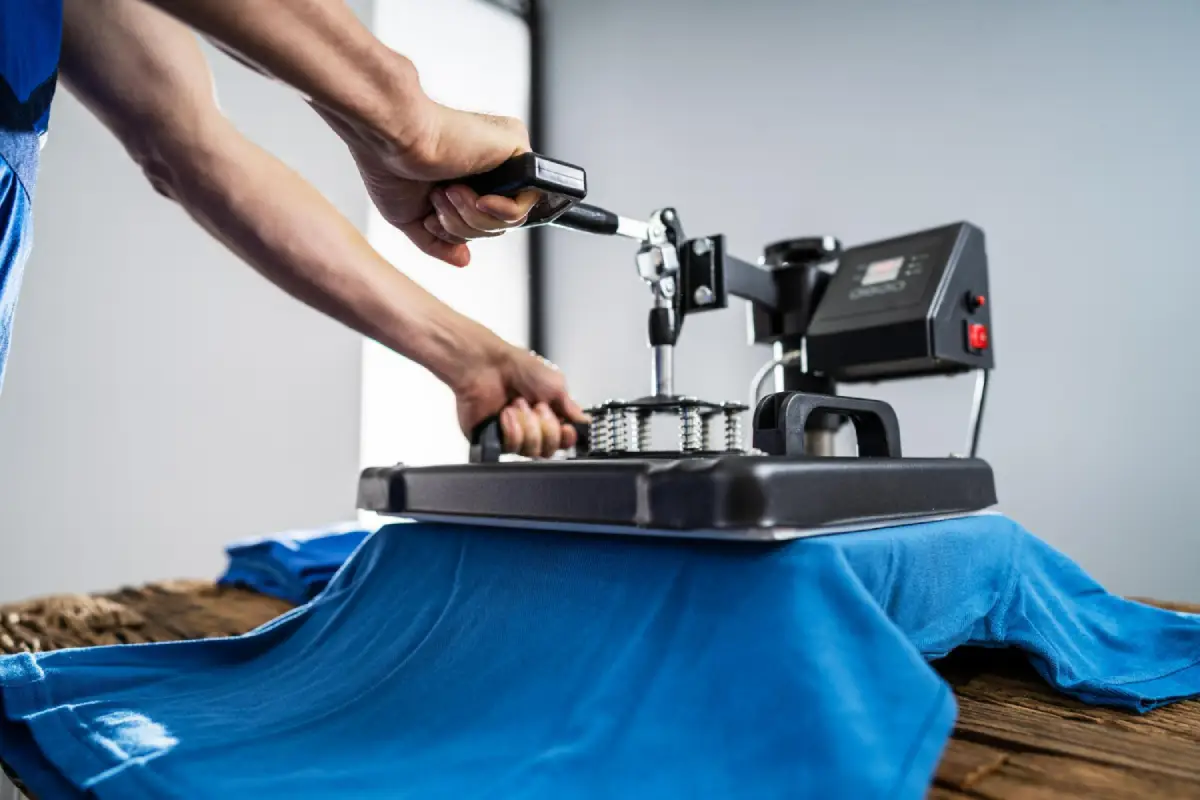
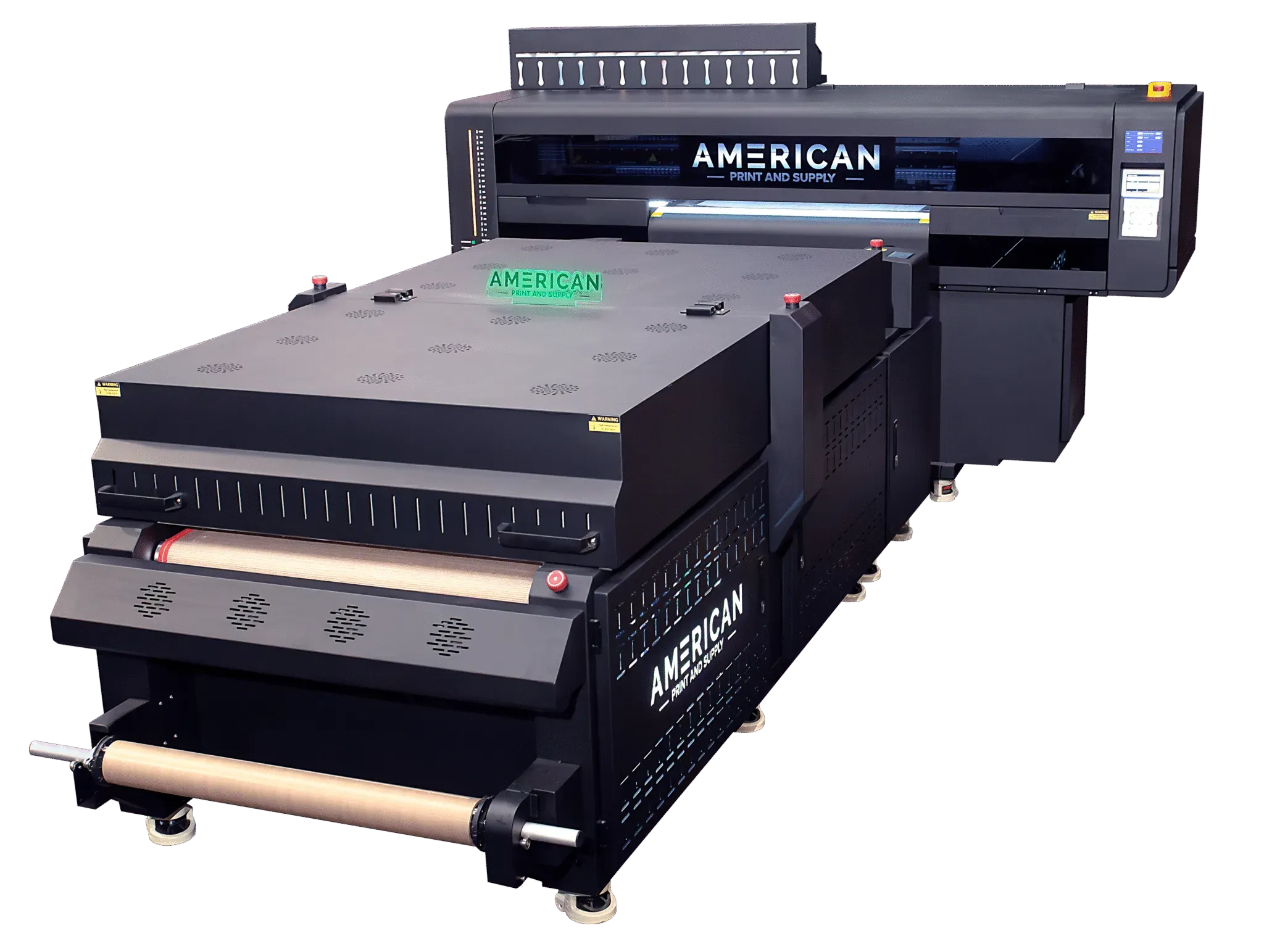
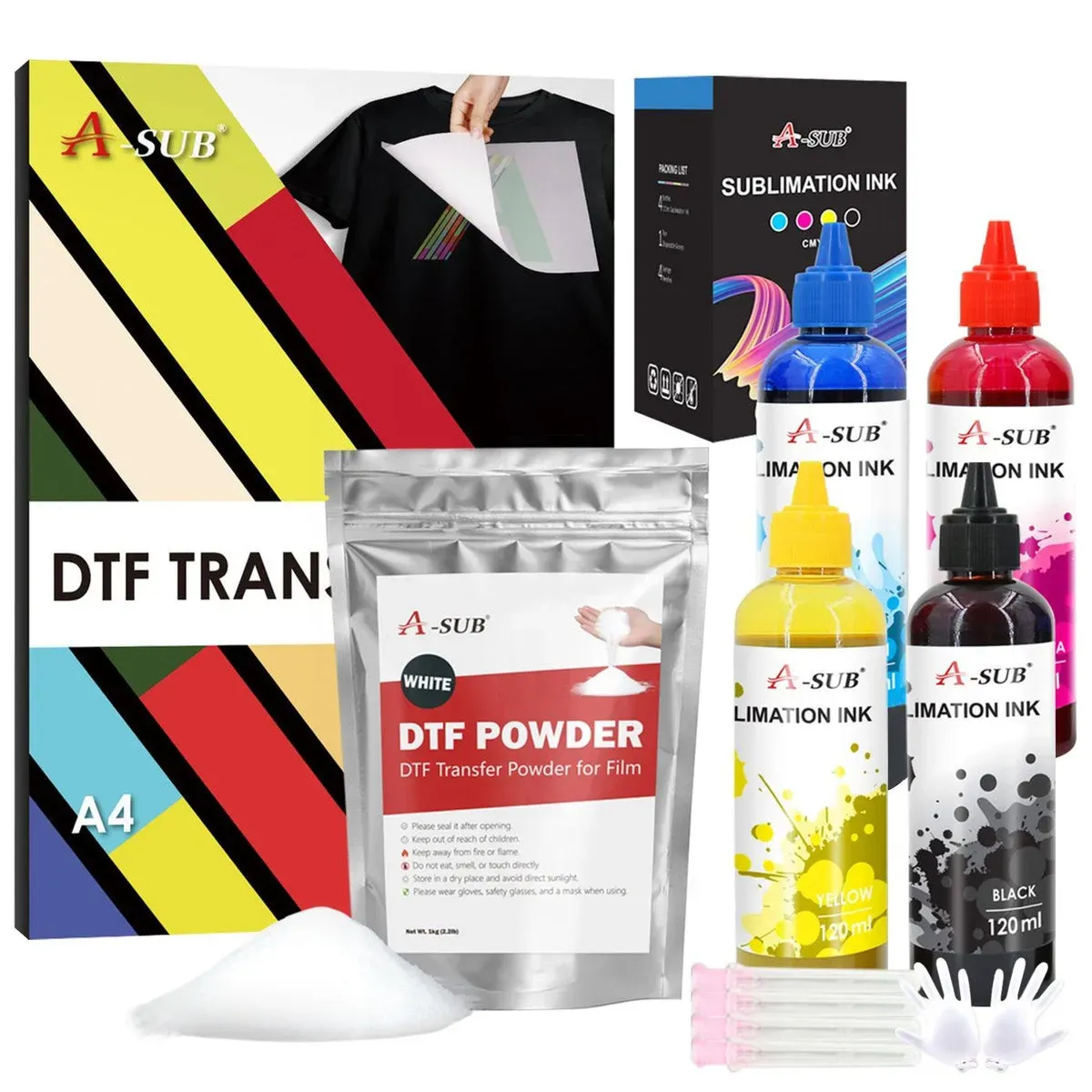
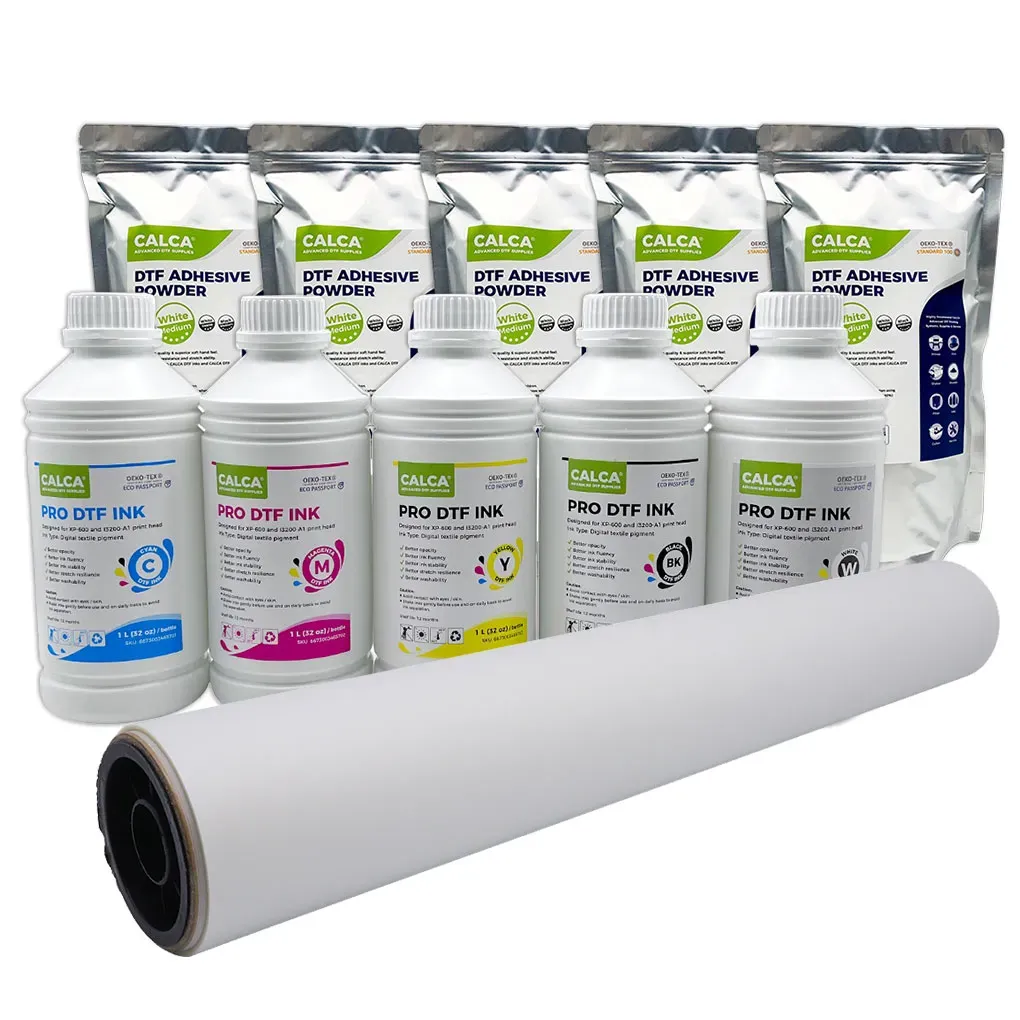
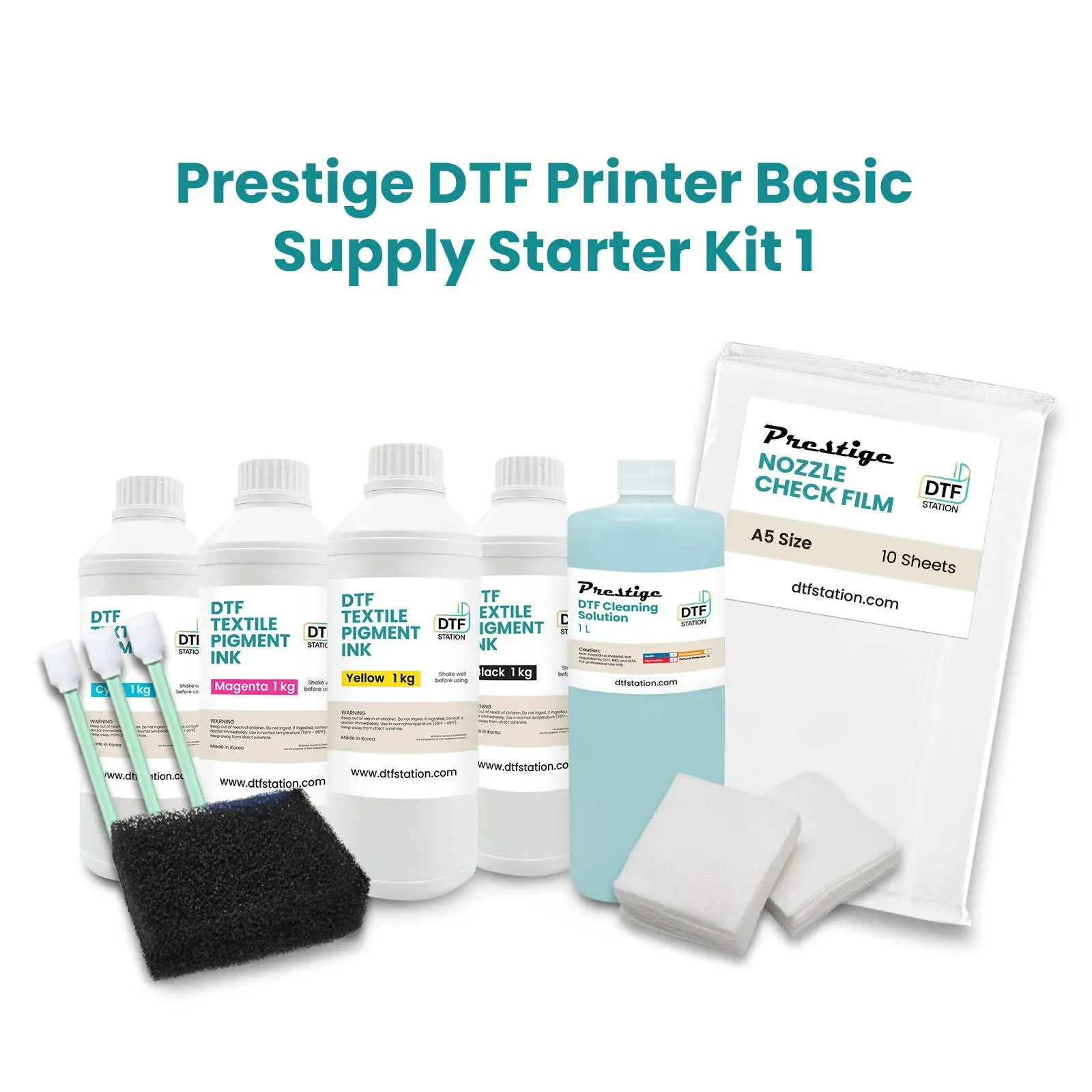
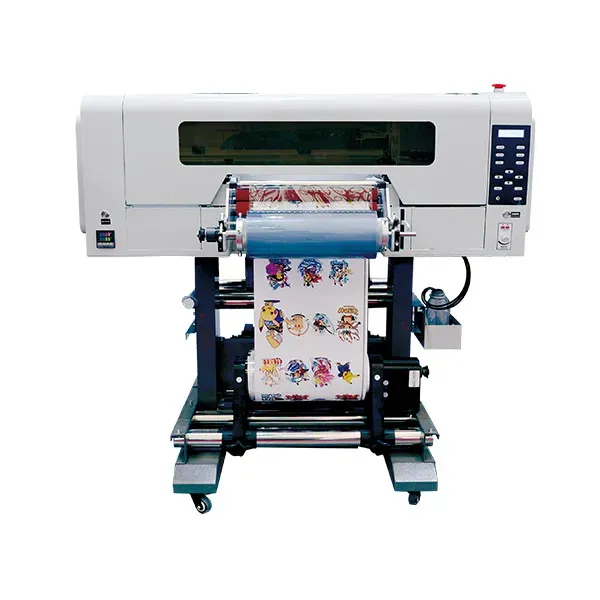
DTF printing in Houston isn’t just a trend; it’s a practical path for entrepreneurs who want to produce custom apparel with high quality at scale in a thriving, diverse market. To get started, you’ll rely on core DTF printing equipment such as a dedicated DTF printer, a reliable Houston heat press, and curing or drying devices, plus compatible transfer film, adhesive powder, and fabrics. Investing in solid equipment and a calibrated workflow helps you deliver consistent, brand-accurate transfers that appeal to local teams, events, and small businesses. Thoughtful equipment selection—along with compatible RIP software and color management—sets the foundation for scalable production in Houston’s climate and workspace environments.
Budgeting for tools and ongoing costs is essential in Houston. A starter system can be assembled on a modest budget, but a production-oriented setup often lands in the $12,000–$35,000 range, depending on printer speed, print width, and included support. Beyond the upfront purchase, consider ongoing DTF transfer costs such as inks, films, powders, and pretreatment materials, along with electricity, workspace climate control, and maintenance. Tracking per‑shirt costs and optimizing material usage will help you tighten margins and sustain profitability while meeting local demand in Houston’s competitive but opportunity-rich market.
DTF printing timeline and costs in Houston: From concept to production
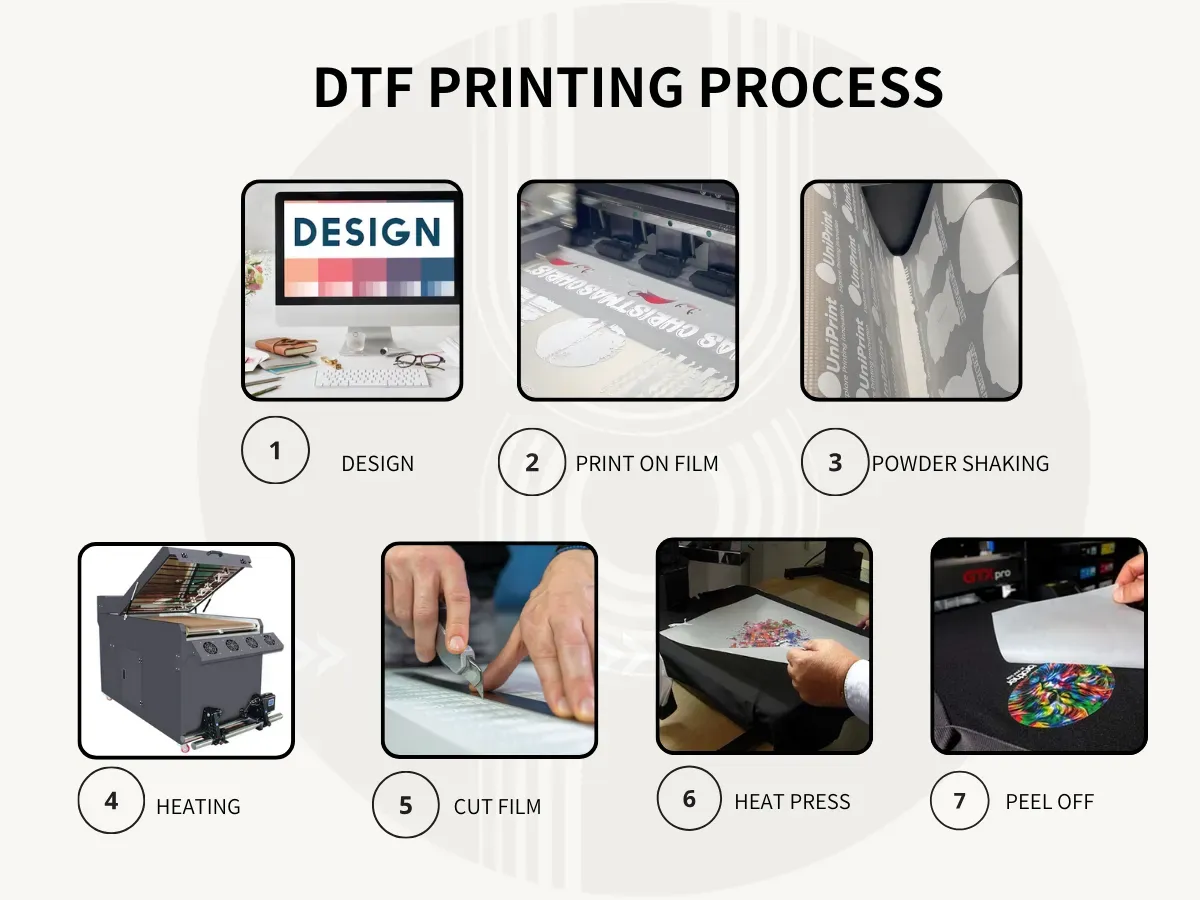
DTF printing timeline planning in Houston involves clear milestones from initial research to the first commercial run. Begin with niche definition, target price points, and supplier selection for film, powder, and ink; then move through equipment procurement, setup, and calibration. This Descriptive timeline helps you anticipate lead times, ensure color accuracy, and validate durability on common fabrics, ensuring your first production run proceeds smoothly once tests pass quality checks.
Cost planning in Houston should account for upfront equipment investments, consumables, and ongoing maintenance. Differentiate between entry‑level and production‑grade systems to estimate capital needs, and include additional costs such as heat press sizing, facility expenses, and ventilation. Emphasize DTF transfer costs (inks, films, powders, and pretreatment) and the value of local supplier relationships to reduce lead times and keep costs predictable as you move from concept to ongoing production.
Frequently Asked Questions
DTF printing equipment in Houston: what equipment do I need to start a small shop?
Starting a DTF printing operation in Houston requires a focused equipment stack. Core components include a dedicated DTF printer with white and CMYK inks, a reliable heat press, curing or drying equipment, transfer film, adhesive powder, and pretreatment supplies as needed. You’ll also want RIP software and color management for accurate branding. Budget for a compact starter system in the low thousands, or a full professional setup in the $12,000–$35,000 range depending on speed, width, and support. Consumables (ink, film, powder, fabrics) add ongoing costs, so track per‑shirt material usage. In Houston, ensure your workspace is climate-controlled and adequately vented, and plan for ongoing maintenance and potential expansion as demand grows.
DTF transfer costs and the timeline for DTF printing in Houston: what to expect for a new shop?
DTF transfer costs in Houston depend on materials, throughput, and process choices. Key cost drivers are ink, transfer film, adhesive powder, fabrics, and energy. Upfront equipment costs typically range from $6,000–$12,000 for entry‑level setups or $15,000–$40,000 for production‑grade systems, with heat press finishing equipment adding $1,000–$4,000. Ongoing consumables can run several hundred dollars per quarter at moderate throughput; track per‑shirt costs by ink, film, powder, pretreatment, and curing time to optimize margins. Regarding the DTF printing timeline in Houston: plan a phased rollout—research and planning (1–2 weeks), equipment procurement (1–4 weeks), setup/calibration (1–2 weeks), test prints and quality checks (1–2 weeks), and a first production run in week 5–6. Sourcing locally can reduce lead times, and a climate‑controlled workspace helps stabilize drying and curing. Start with pilot orders to validate pricing and turnaround before scaling.
| Aspect | Key Points |
|---|---|
| Overview | DTF printing in Houston is a practical path for entrepreneurs to produce custom apparel with high quality at scale. Suitable for starting a home-based operation or a mid-sized studio. Understand the tools, costs, and timelines to launch efficiently. |
| Tools & Equipment | Core setup includes: DTF printer and inks; transfer film, adhesive powder, and curing supplies; pretreatment and curing equipment; heat press; RIP software and color management. |
| Budget & Costs | Upfront costs vary by new vs. used gear; entry-level setups can start in the few-thousand range, while production-oriented systems often run $15,000–$40,000. Ongoing costs include ink, film, powder, fabrics, maintenance, and facility expenses. Track per‑shirt costs to improve margins. |
| Timelines | Research and planning (1–2 weeks); equipment procurement (1–4 weeks); setup/calibration (1–2 weeks); test prints and quality checks (1–2 weeks); first production run (week 5–6). Plan for lead times and vendor coordination. |
| Local Considerations | Regulatory requirements, local sourcing in Houston, climate effects on drying and handling, and market opportunities (schools, sports teams, small businesses) that favor fast turnaround and reliable service. |
| Starter Plan | Step 1: Define niche and goals. Step 2: Choose core equipment based on budget and throughput. Step 3: Build Houston supplier relationships. Step 4: Learn color management and calibration. Step 5: Create SOPs for prep, print, cure, finish, QA. Step 6: Develop a simple pricing model. Step 7: Launch with pilot orders to test and adjust. |
| Best Practices & Pitfalls | Test prints are crucial for color and durability. Maintain a clean, organized workspace. Plan for durability with wash tests. Track costs meticulously to monitor profitability and identify optimization opportunities. |
Summary
Conclusion