DTF transfers workflow: From design to delivery you can duplicate

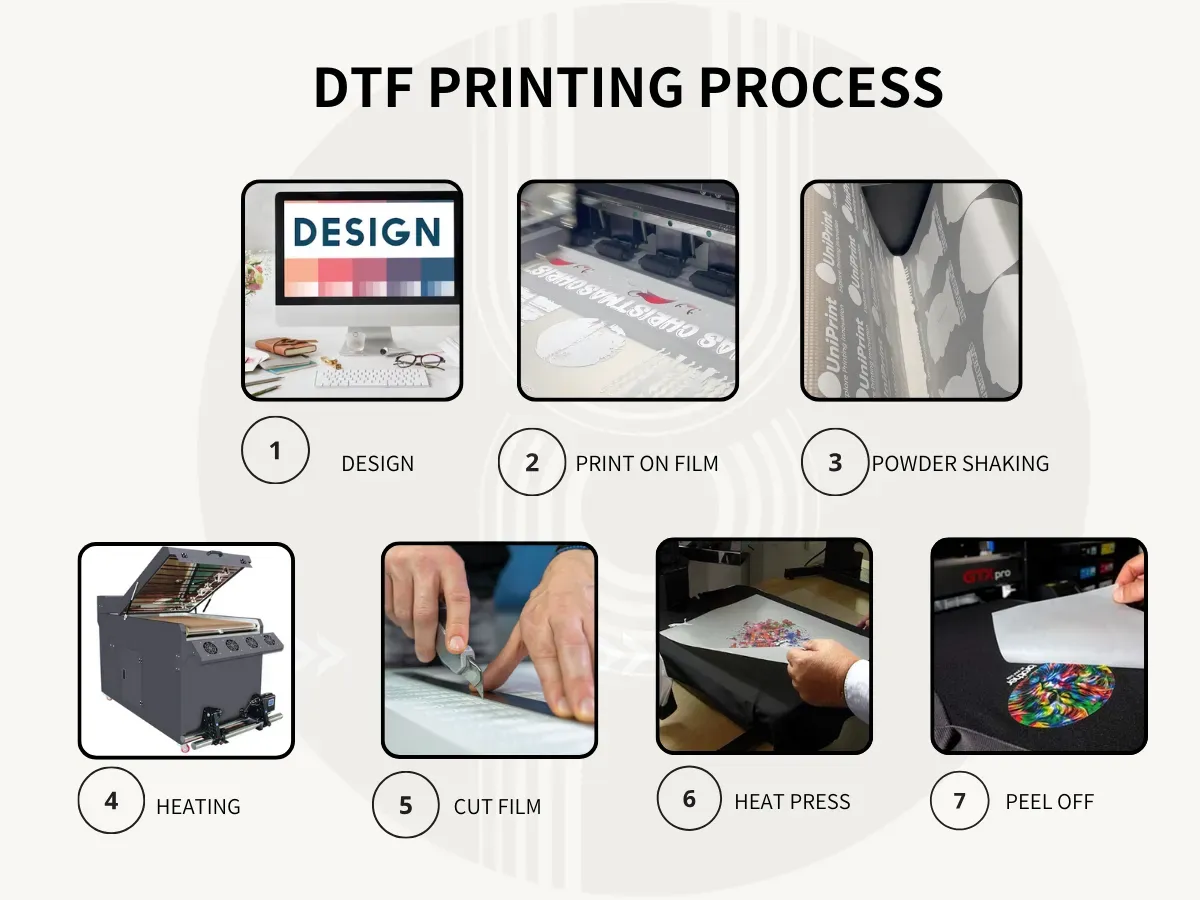
DTF transfers workflow is the backbone of turning designs into finished garments quickly and consistently. A well-documented routine unifies design, preparation, printing, transfer, and delivery into a repeatable process you can multiply across orders. By aligning tooling, color management, and heat-press parameters, you reduce errors, speed up production, and ensure reliable results for every client, aligning with DTF heat press guidelines. This descriptive overview references the DTF printing process and Direct-to-film transfers to anchor the workflow in common industry terms. Follow DTF workflow steps and build a scalable, repeatable system that confidently handles apparel, totes, and promotional items.

In other terms, this approach maps from artwork and film prep to the finished garment through a film-to-fabric transfer pipeline. Think of it as an end-to-end production sequence that pairs design files, color control, and press settings into a repeatable garment-decoration workflow. Additionally, Direct-to-film design to delivery encapsulates the full arc from concept to customer while keeping the terminology aligned with search intent. Using LSI-friendly synonyms and related concepts, such as end-to-end production, color management, and post-press care, helps readers and search engines grasp the topic.

DTF transfers workflow: From design to delivery

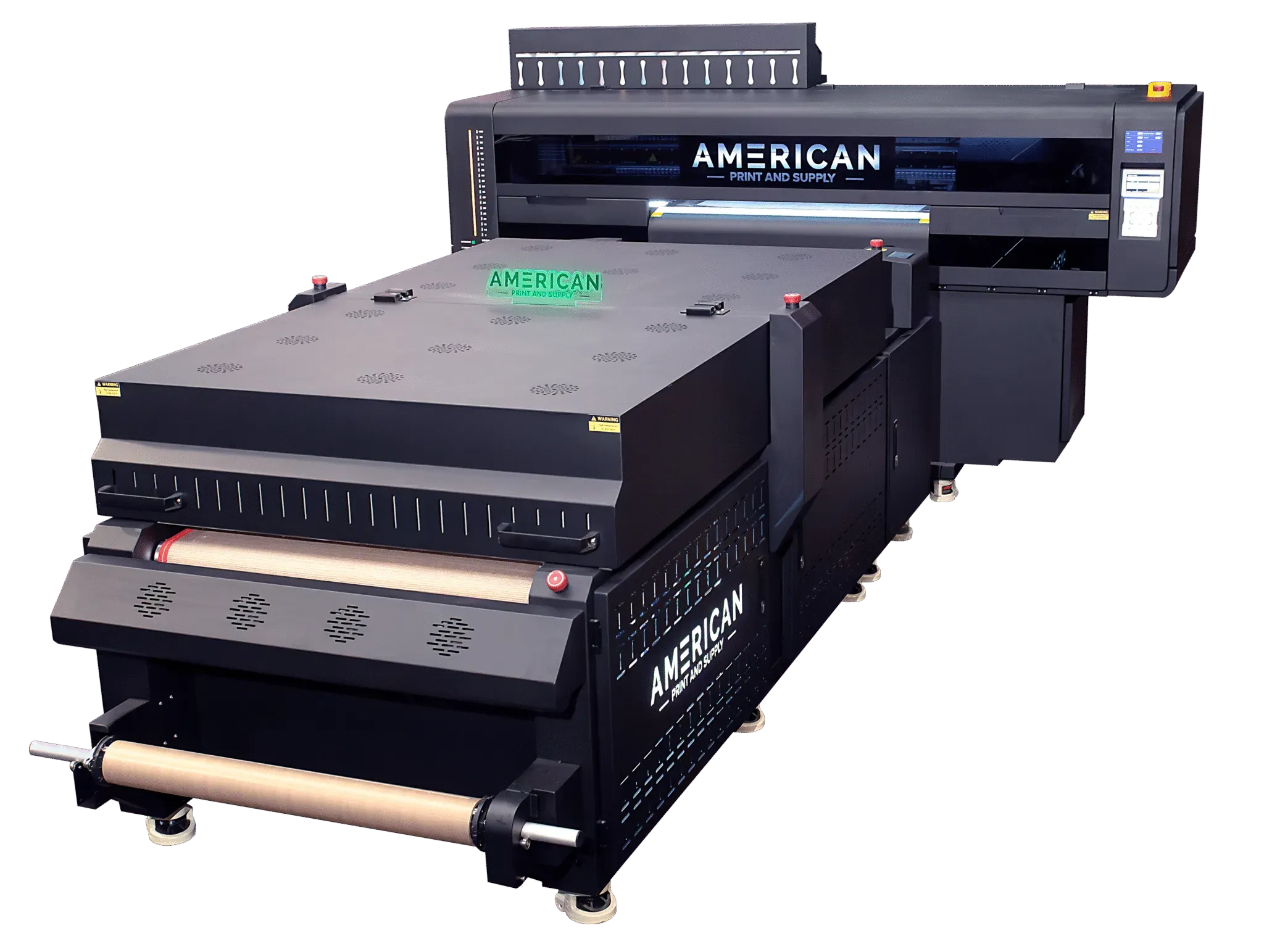
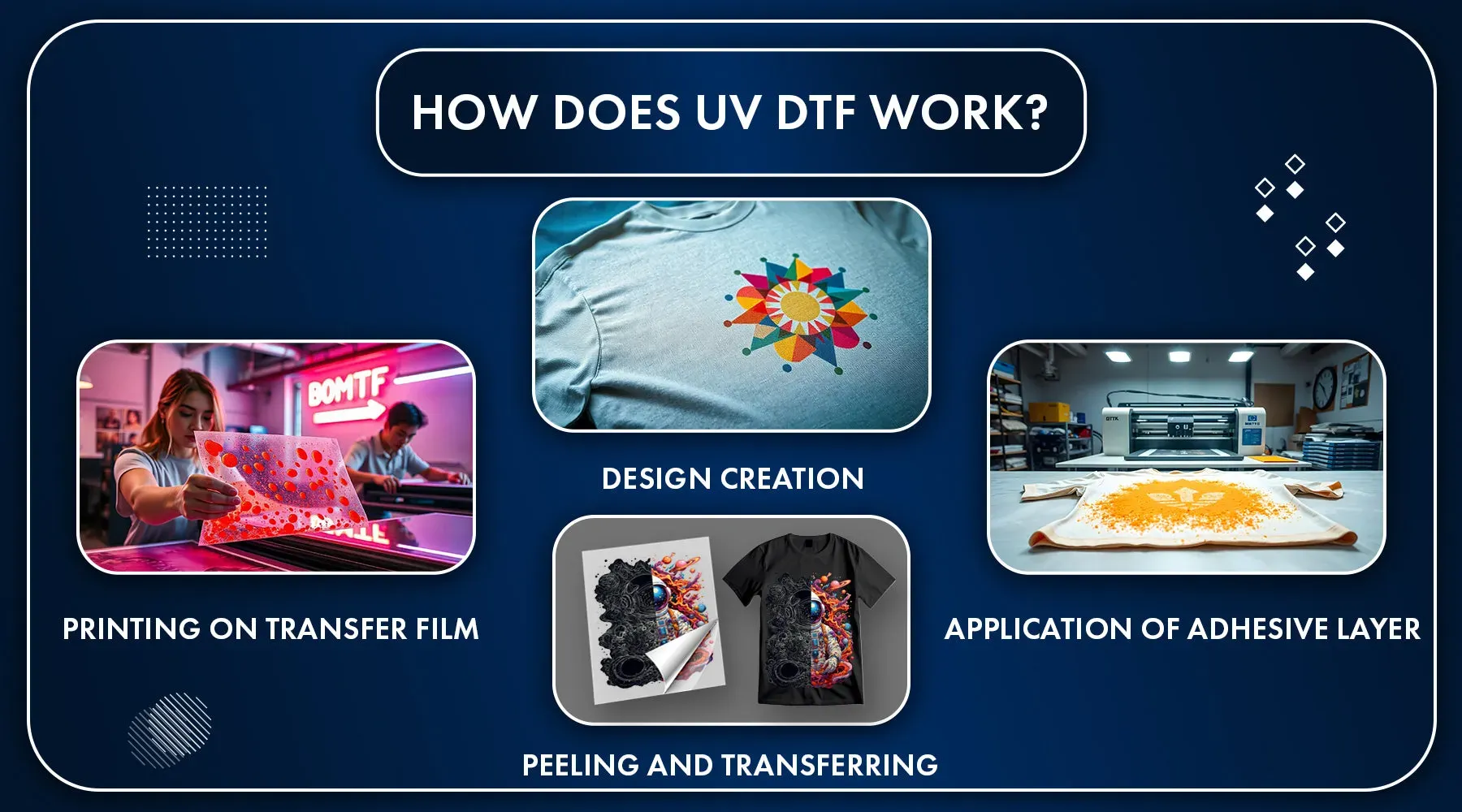
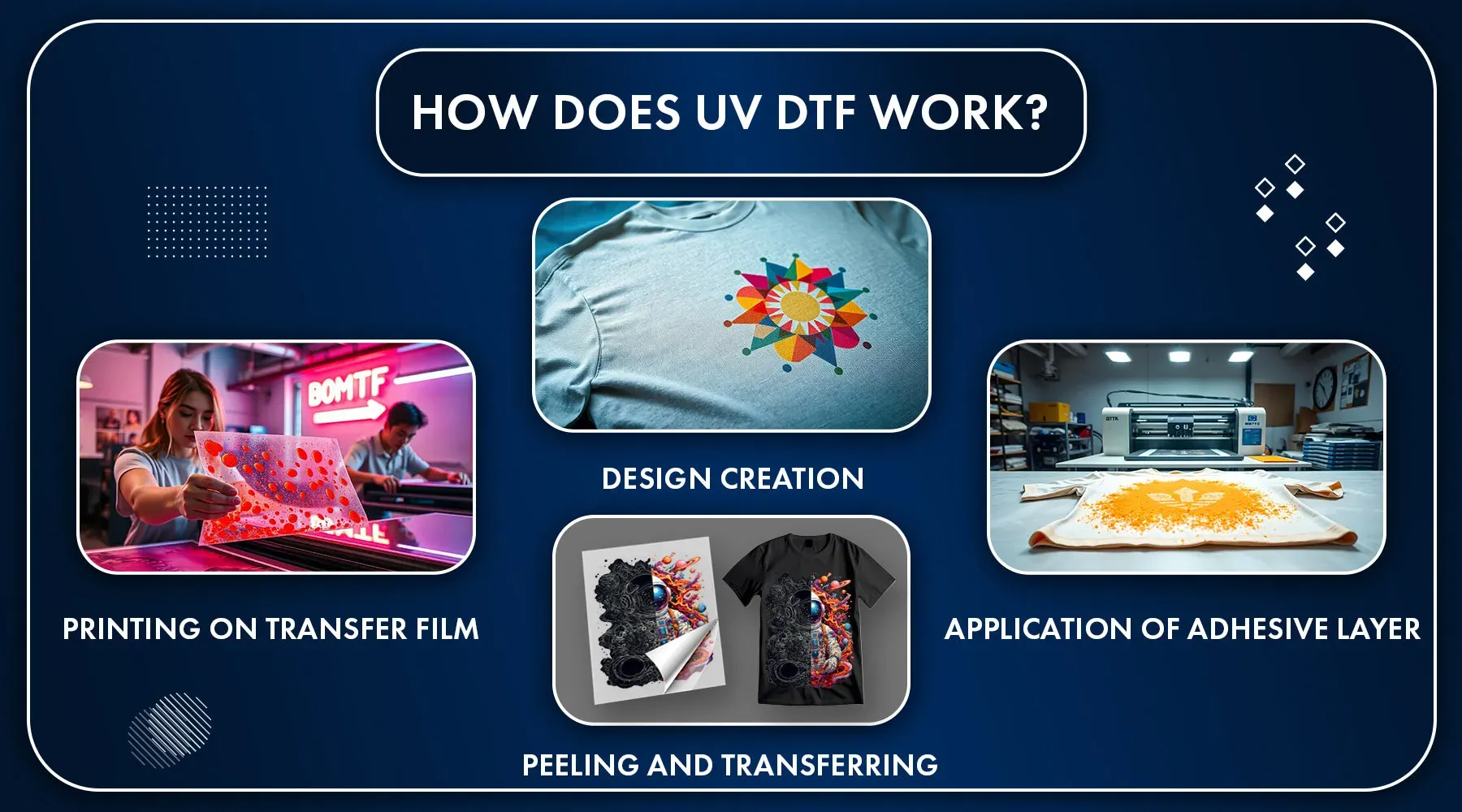
DTF transfers workflow unites design, prep, printing, transfer, and delivery into a repeatable process you can clone for every order. Understanding the DTF printing process helps align film type, adhesive, ink chemistry, and color management, reducing guesswork and errors. By treating Direct-to-film transfers as an end-to-end system, you emphasize the importance of the entire pipeline—from file prep and RIP settings to the heat press parameters on fabric. This mirrors documented DTF workflow steps that guide each stage and ensure consistency across runs.

With clear SOPs, checklists, and a sample library, the team can duplicate results even when staffing changes. Direct-to-film design to delivery provides a practical framework you can map to different garment types, print runs, and client specifications. Emphasize the need for consistent color management, a calibrated heat press, and controlled drying and handling to maintain quality across orders, so every transfer matches the target design and fabric.

Optimizing the DTF printing process for consistency and efficiency

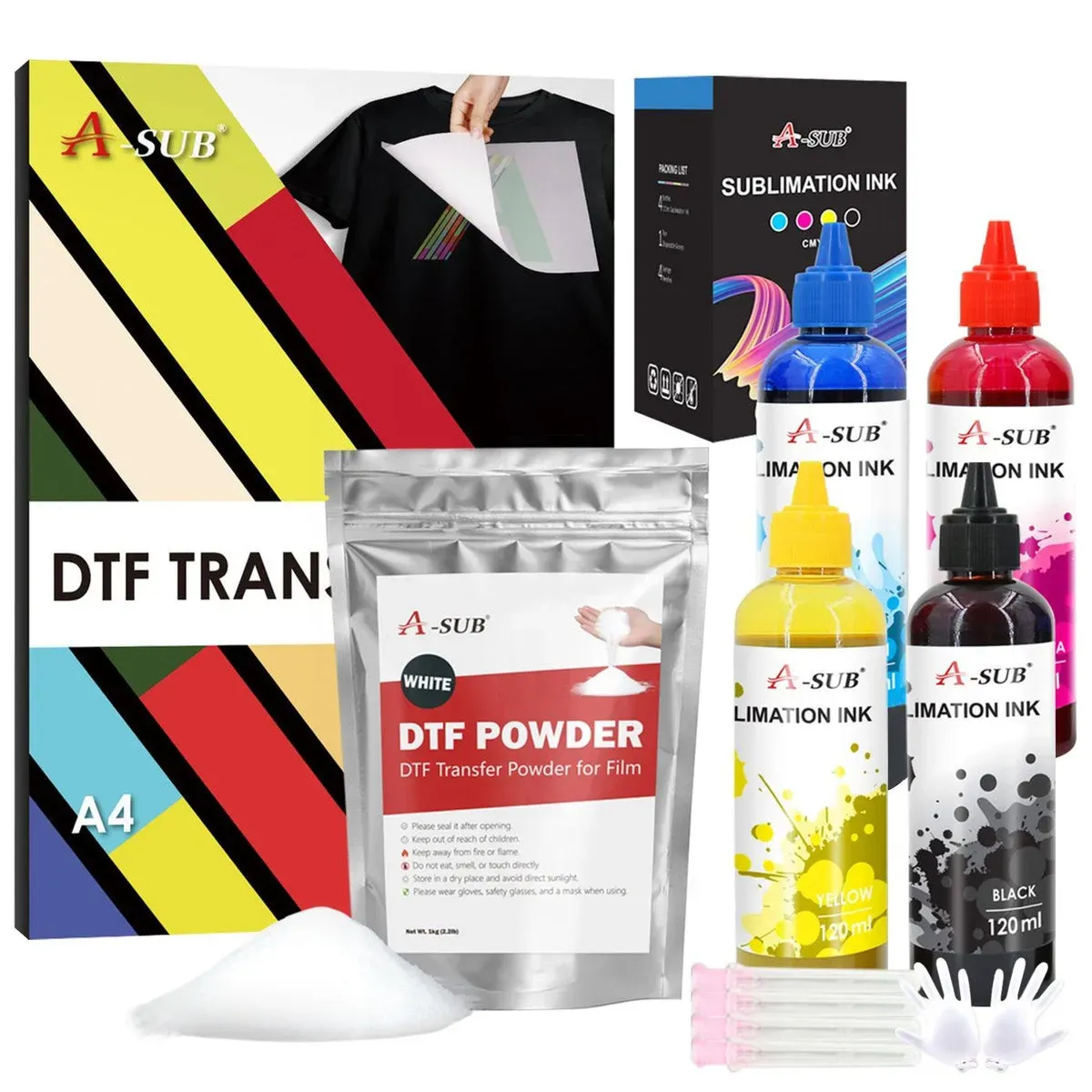
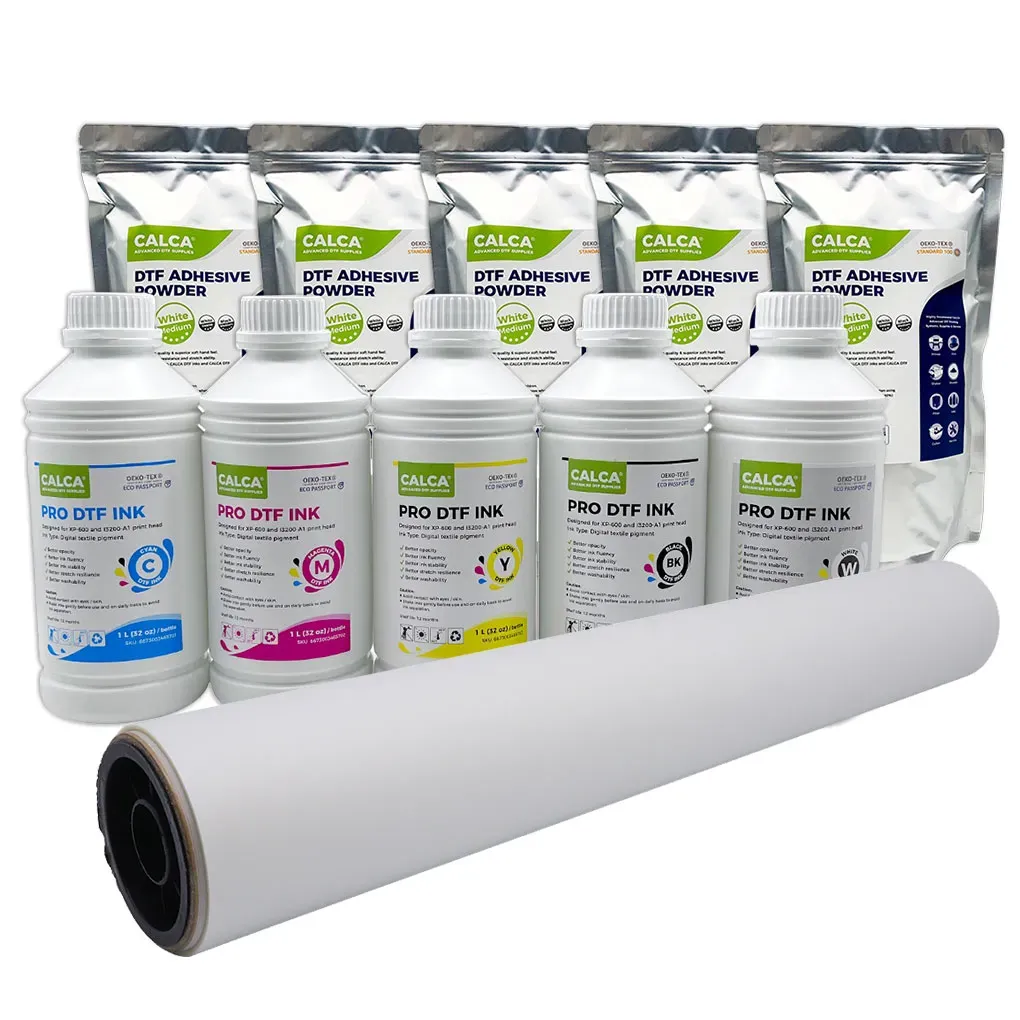
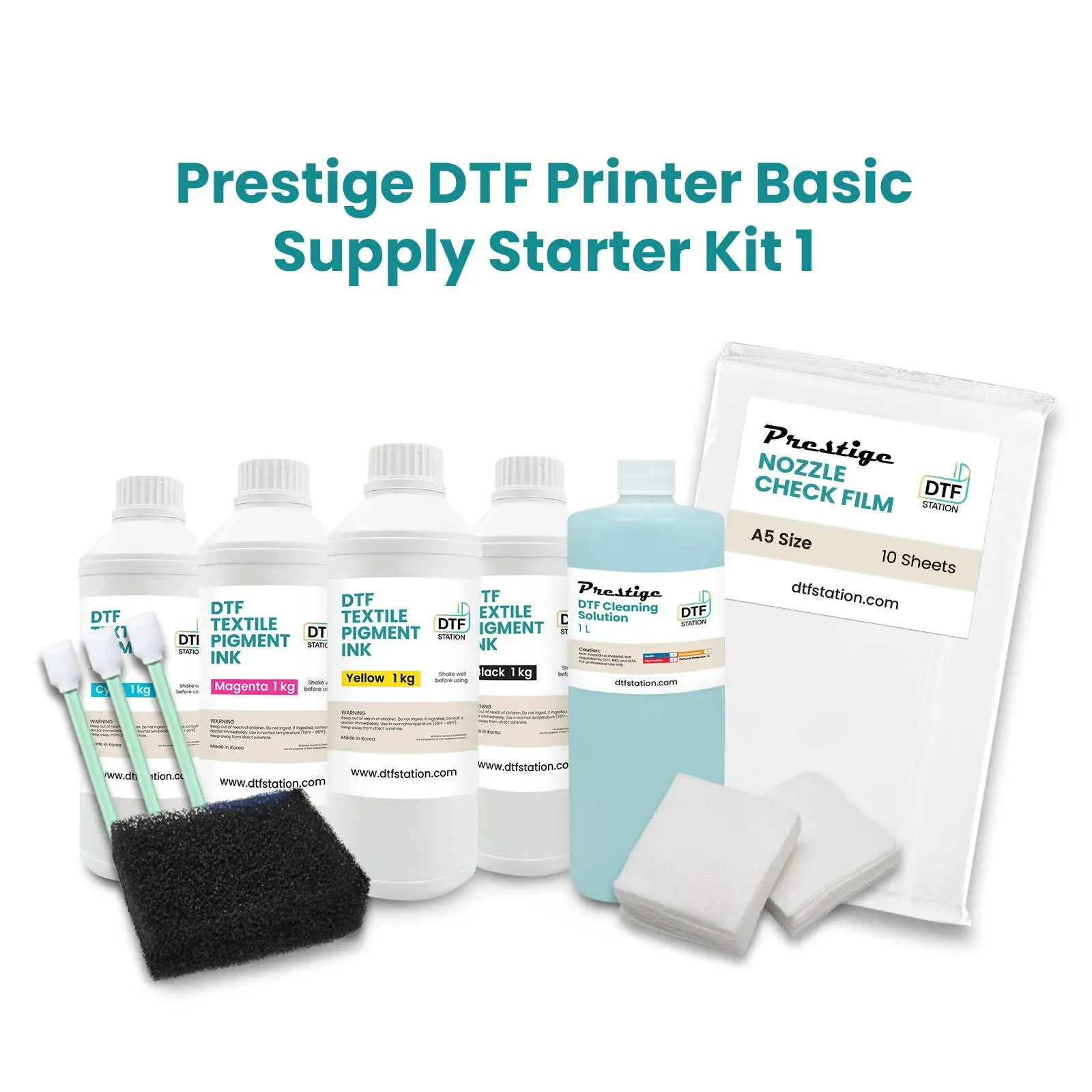
To optimize the DTF printing process, start with film selection and ink chemistry that match your printer and fabric—whether you’re printing on matte fabrics or blends. Use reliable Direct-to-film transfers with water-based pigment inks designed for DTF, and standardize RIP settings and ICC profiles to maintain color consistency across runs. Pay close attention to DTF heat press guidelines to set correct pressure, dwell time, and platen temperature, and perform regular nozzle checks and test prints to keep color density and edge detail stable.

Beyond the print stage, implement duplicable workflows with explicit SOPs for design to delivery, checklists for design, print, transfer, and post-press care, and a straightforward troubleshooting guide to quickly address color shifts, ghosting, or adhesion issues. Packaging and care instructions at the end of the pipeline reinforce a positive customer experience under Direct-to-film design to delivery, helping clients understand how to care for their finished items and enabling repeat orders with confidence.

Frequently Asked Questions

What are the essential DTF workflow steps from design to delivery to ensure repeatable results across orders?

This is the core of the DTF transfers workflow. Follow the essential DTF workflow steps: define prerequisites, proceed from design to print/file prep, then RIP and color management, move to the printing process with film selection, perform transfer finishing and quality control, apply DTF heat press guidelines, and finally establish duplication through SOPs and proper packaging. Framed as Direct-to-film design to delivery, these steps align tooling, color management, and press parameters to reduce errors and enable scalable production across multiple machines or shifts.

What are the key DTF heat press guidelines within the DTF transfers workflow to ensure durable, high-quality results?

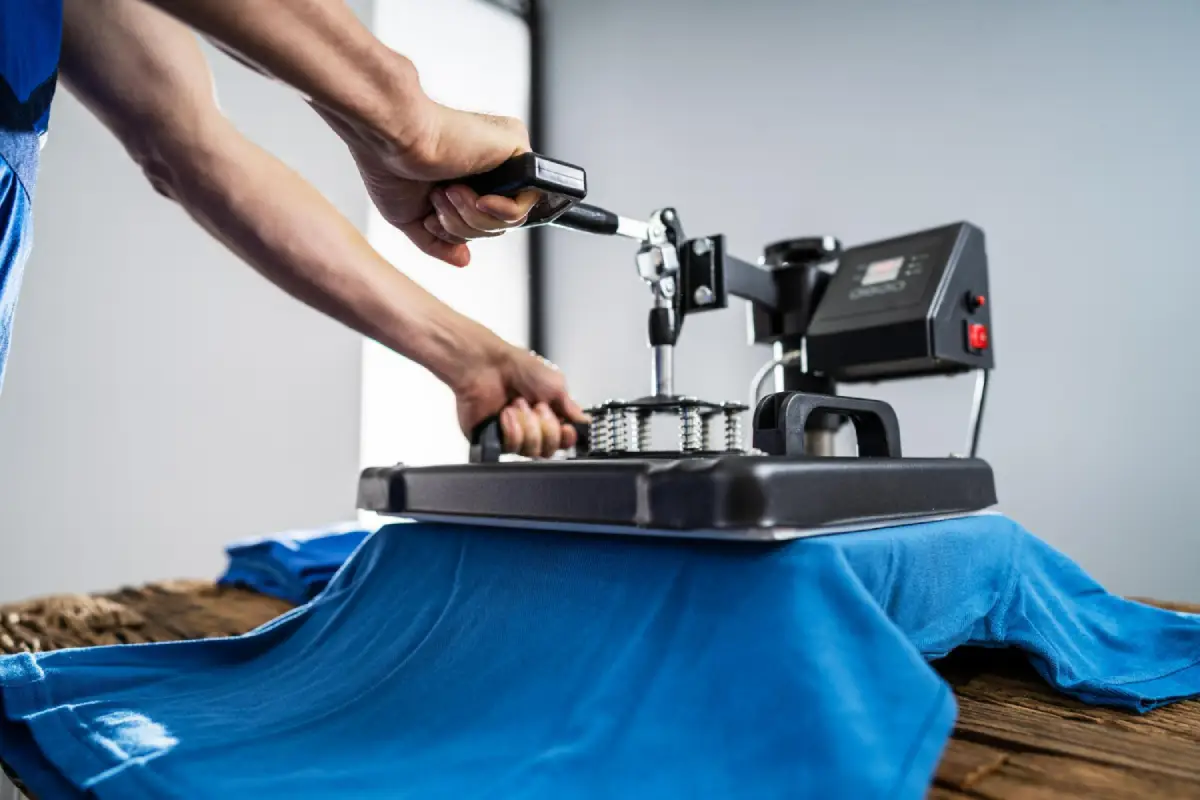
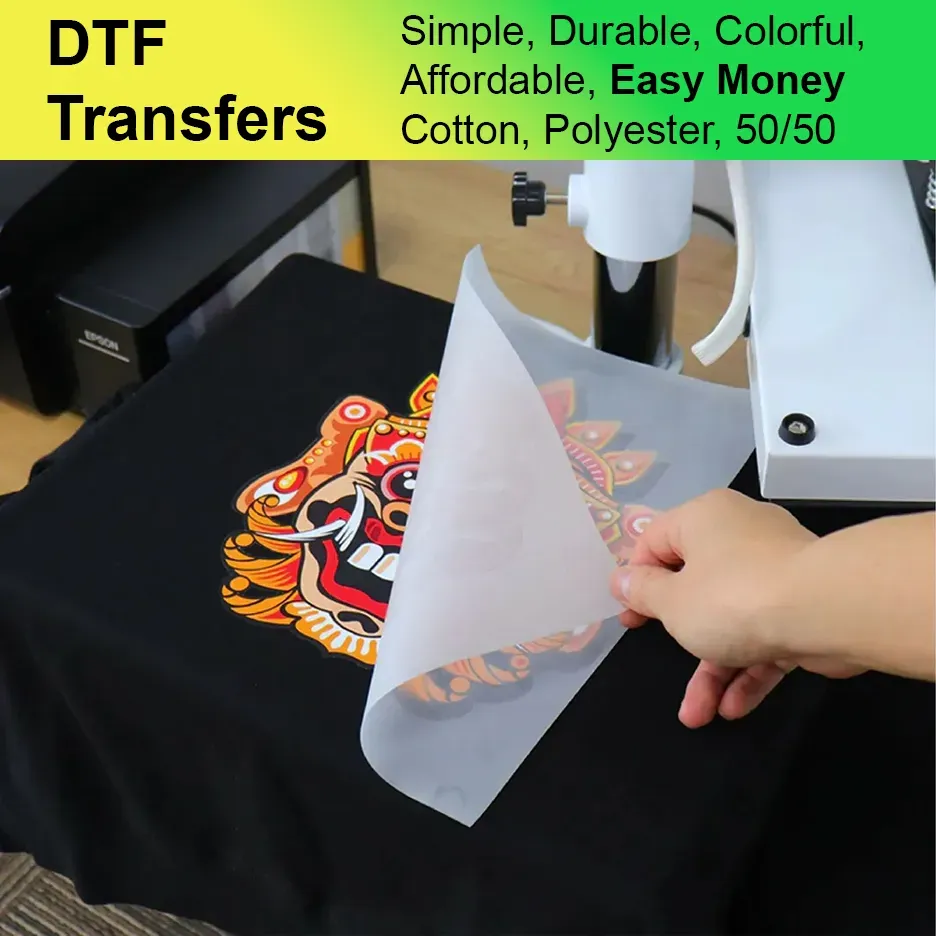
Key guidance within the DTF heat press guidelines includes: pre-press to remove moisture and flatten the garment, maintaining stable temperature and time, applying appropriate pressure for garment weight, ensuring even platen contact across the transfer area, selecting the correct peel method (cold or warm) as recommended, and proper post-press handling and maintenance. Following these DTF heat press guidelines ensures strong adhesion, accurate color, and wash durability, supporting a reliable Direct-to-film transfers process from design to delivery.

Workflow Step Key Points Practical Takeaways
1) Define the workflow and prerequisites
  • Reliable workstation with good lighting and clean prep area
  • Design software that exports print-ready files (PNG with transparency; vector PDFs)
  • Consistent color workflow with ICC profiles or soft proofing
  • DTF film/ink setup, calibrated heat press, testing protocol
  • Standard operating procedures (SOPs) or checklists
Lays the foundation for repeatable, scalable results across orders and machines
2) Design to print file prep (design to print)
  • File formats: high-res PNGs with transparency; vector PDFs
  • Color management: defined profile and soft proofing
  • White underlay/layering strategy for DTF
  • Bleed and margins included
  • Asset checks: resolution, vector integrity, no stray marks
Preps set tone for accurate RIP processing and color reproduction
3) RIP and color management (digital preparation)
  • ICC profiles for consistent color across runs
  • Color separation aligned with printer ink configuration
  • Dithering/halftoning for edge quality
  • Soft proofing and calibration; test print on similar fabric
  • Clean naming/organization for repeats
Minimizes color surprises; supports repeatable results across orders
4) Printing process and film selection (DTF printing process)
  • Choose transfer film matched to printer/ink; consider fabric finish
  • Water-based pigment inks designed for DTF
  • Calibrate nozzle checks, print speed, temperature
  • Artwork alignment with garment dimensions; account for shrinkage
  • Drying/handling: dry thoroughly; handle by edges
Stable printing setup reduces variability before transfer
5) Transfer finishing and quality control (DTF transfer creation and checks)
  • Pre-press garment to remove moisture
  • Temperature/time/pressure guidelines (e.g., ~180-190°C for 10-15s)
  • Post-press handling and cooling
  • Quality checks for color accuracy, alignment, and white ink behavior
  • Sealing/curing steps if applicable
Ensures the transfer adheres properly and looks as intended
6) Heat press guidelines (DTF heat press guidelines)
  • Pre-heat the garment; remove moisture
  • Maintain stable temperature and timing
  • Appropriate pressure for garment thickness; even contact
  • Decide on cold vs warm peel and standardize
  • Safety/maintenance of the press
Consistent heat pressing reduces variability across operators
7) Duplication and SOPs (from design to delivery you can duplicate)
  • Create a master SOP covering prep, RIP, film handling, press parameters, post-press care
  • Stage checklists for each phase
  • Templates for common orders to speed prep
  • Sample library with settings notes
  • Troubleshooting guide for common issues
Enables cloning the workflow across machines/teams
8) Troubleshooting and optimization (common issues and fixes)
  • Color mismatch: revisit RIP profiles and soft proof
  • Ghosting/bleeding: white underlay opacity; proper drying; accurate registration
  • Pee ling or poor adhesion: verify temperature/pressure/time
  • Cracking/dull wash: improve cure; test wash temps
  • Film misalignment/tearing: ensure platen alignment; layout guides
Keeps the process efficient and waste-free by addressing issues quickly
9) Packaging, delivery, and post-sale care
  • Protective packaging and care instructions
  • Documentation with SOP reference for reprints
  • Returns/feedback process to refine color/fit/printing
Finishes the process with a positive delivery experience and repeat business

Summary

Conclusion: A reliable DTF transfers workflow is the backbone of a scalable, repeatable printing operation. By aligning design prep, RIP and color management, film selection, printing, heat pressing, and rigorous quality control, you create a system that can be duplicated across orders and teams. The goal is simple: fewer surprises, faster turnaround, and consistently high-quality results that keep clients coming back. With clear SOPs, robust checklists, and ongoing optimization, you can transform your DTF process from a single successful print into a repeatable production line that reliably delivers great-looking transfers, every time.

Scroll to Top
houston dtf | georgia dtf | austin dtf transfers | san antonio dtf | california dtf transfers | texas dtf transfers |

© 2025