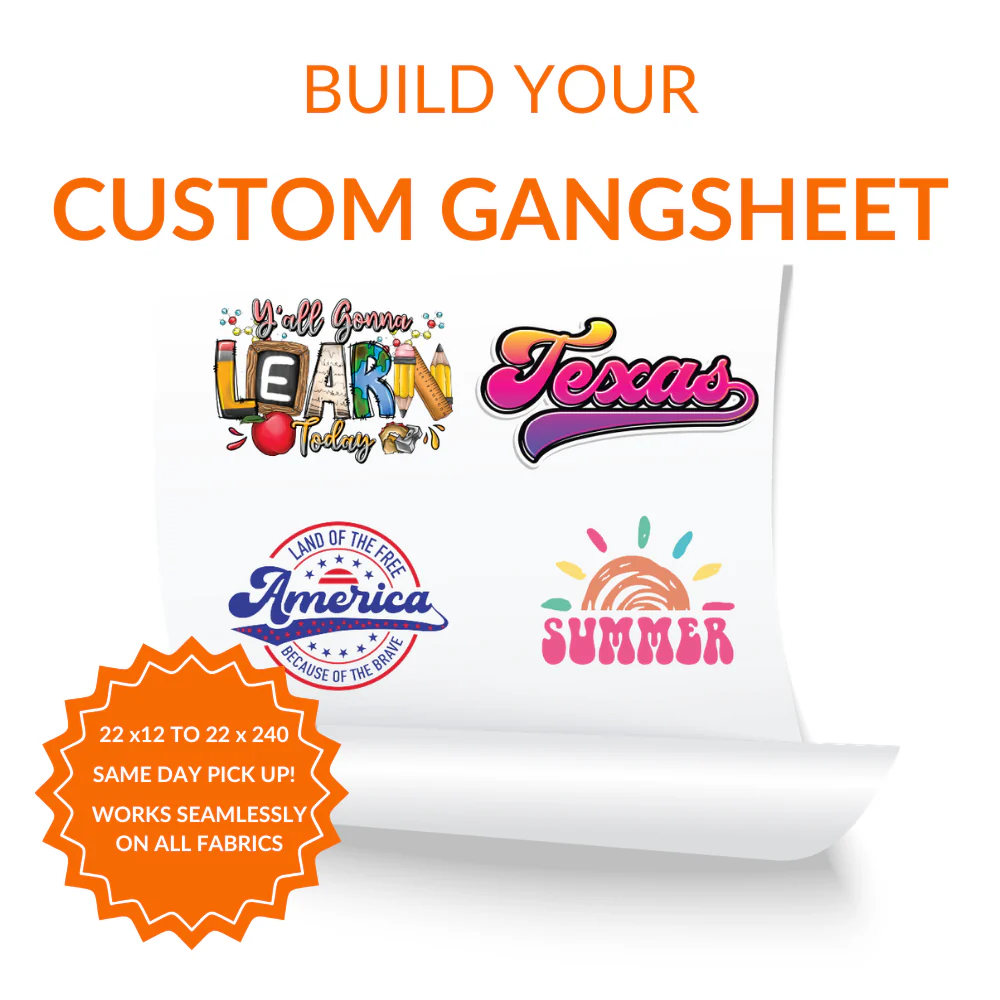
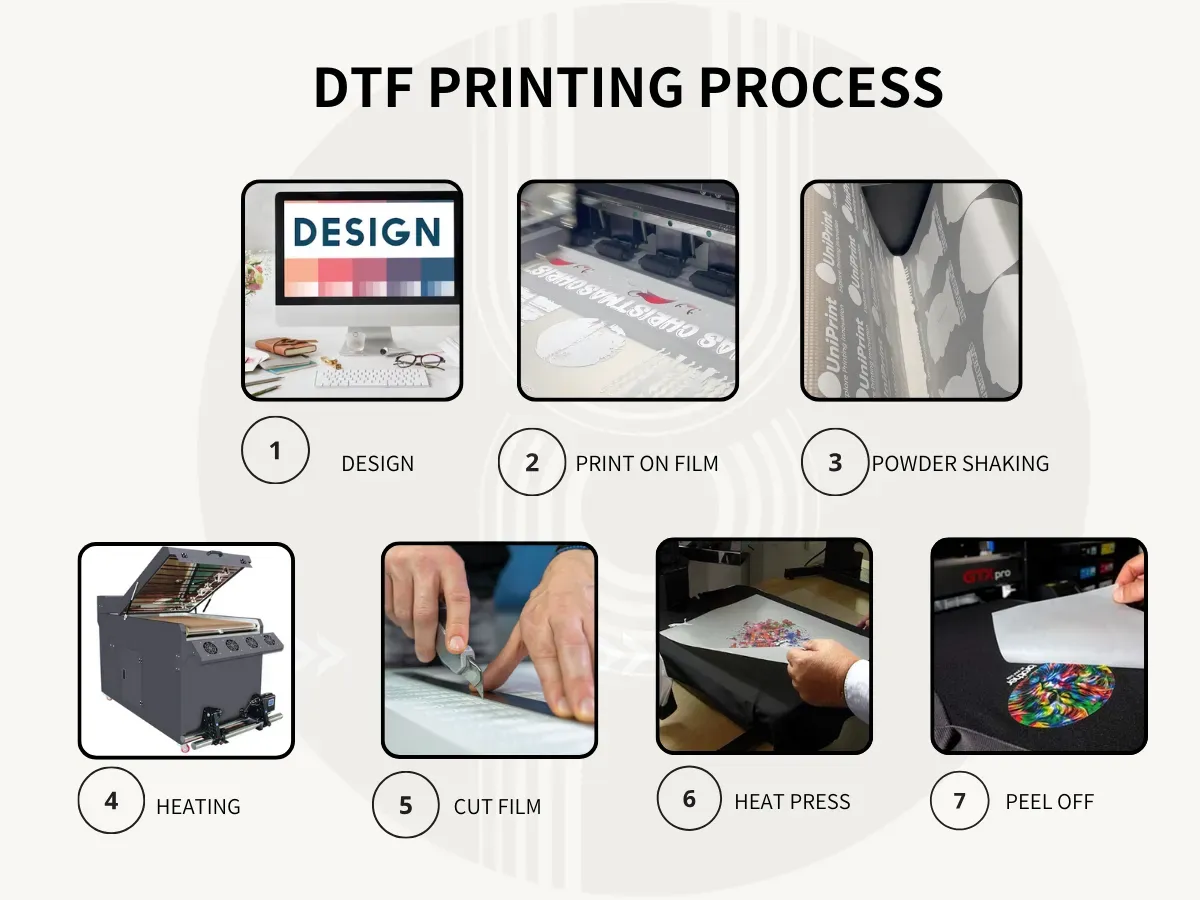
The DTF gangsheet builder is rapidly becoming a core tool for apparel brands aiming to maximize production efficiency. This specialized software lets you place many designs on a single transfer sheet, enabling print run optimization across your batches. By orchestrating layout, bleed, and color management, the tool supports streamlined production workflows and reduces waste. Advanced features such as auto-fit layouts and safe margins help maintain consistent quality across designs. With practical templates and export options, this approach helps you rapidly scale output while preserving transfer quality.
From an LSI perspective, the concept can be framed with terms like batch layout optimization, multi-design planning, and sheet-wide efficiency improvements. In practice, teams gather diverse graphics, align them to a common sheet size, and stage them on a single production layout to minimize handling and transfer steps. This shift tends to streamline the prepress phase, enabling faster proofs, reduced reprints, and tighter control over color balance across items. Automation and intelligent spacing reduce manual guesswork, while clear bleed and margin policies prevent edge flaws and misalignment during pressing. Many shops find that a structured run strategy improves material usage, minimizes setup time, and offers a repeatable template for future jobs. To keep operations predictable, teams should map out standard sheet sizes, maintain a central library of approved designs, and routinely test a small batch before committing to a full run. In short, treating multiple designs as a single, well-planned sheet set can dramatically improve throughput without compromising quality, especially when integrated with the printer and finishing equipment. In practice, teams may also monitor yield metrics and adjust layouts based on feedback from presses and clients. Finally, documentation of layouts and approvals helps maintain consistency across seasons and product lines. This data-driven approach supports continuous improvement and clearer communication with suppliers and print partners.
DTF Printing Efficiency with a DTF Gangsheet Builder for Higher Throughput
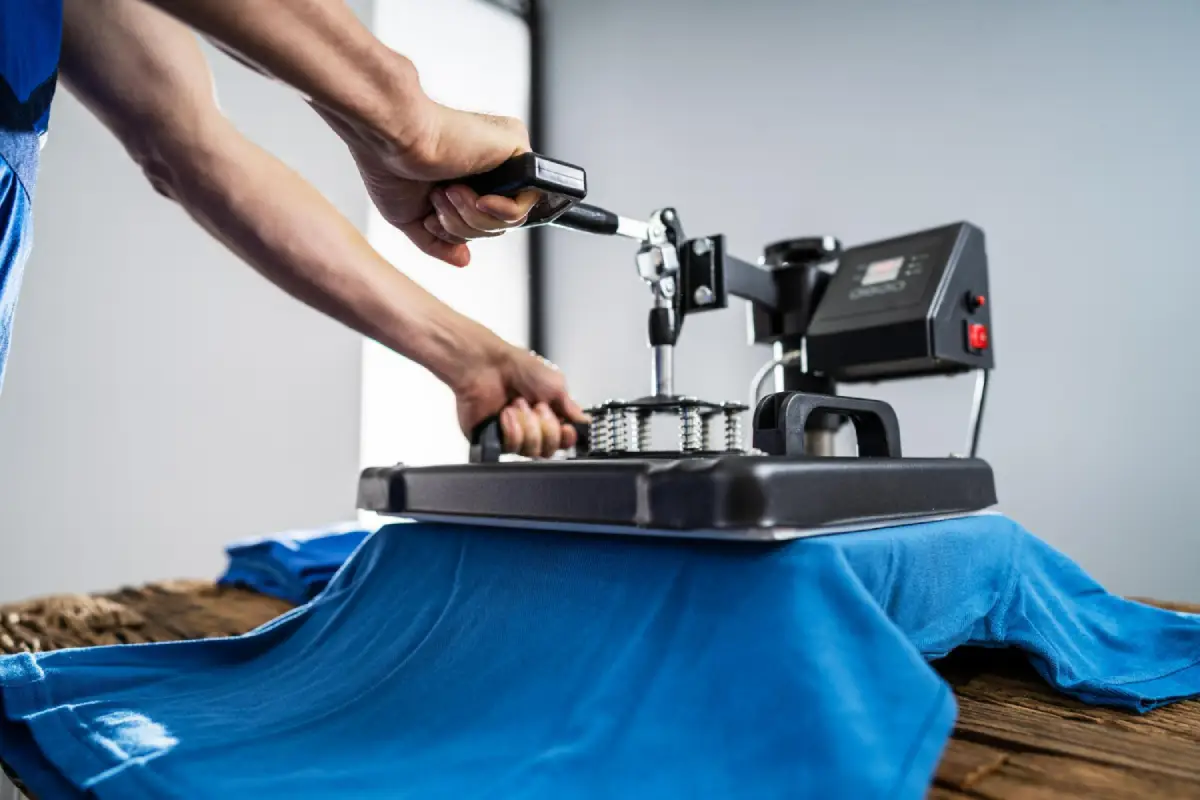
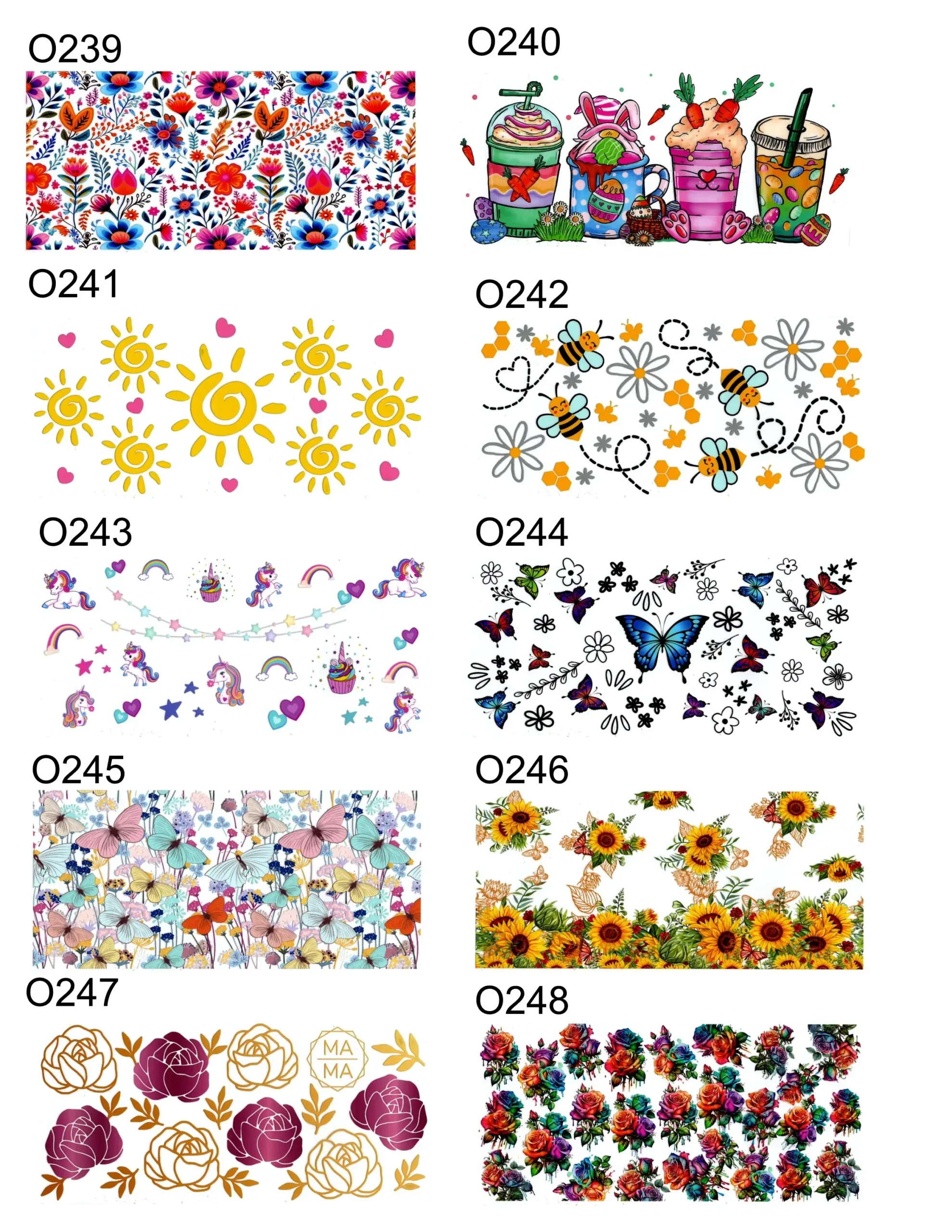
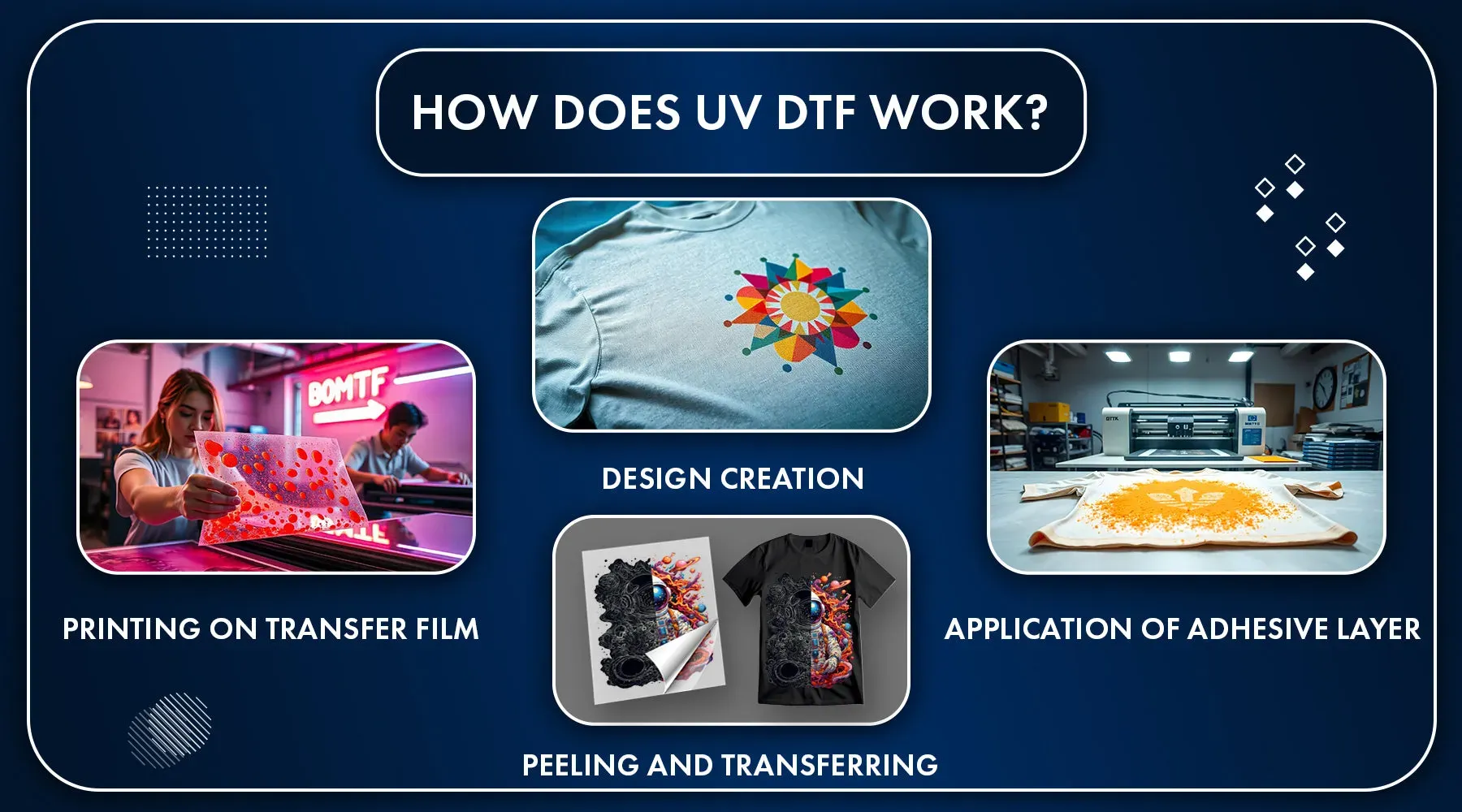
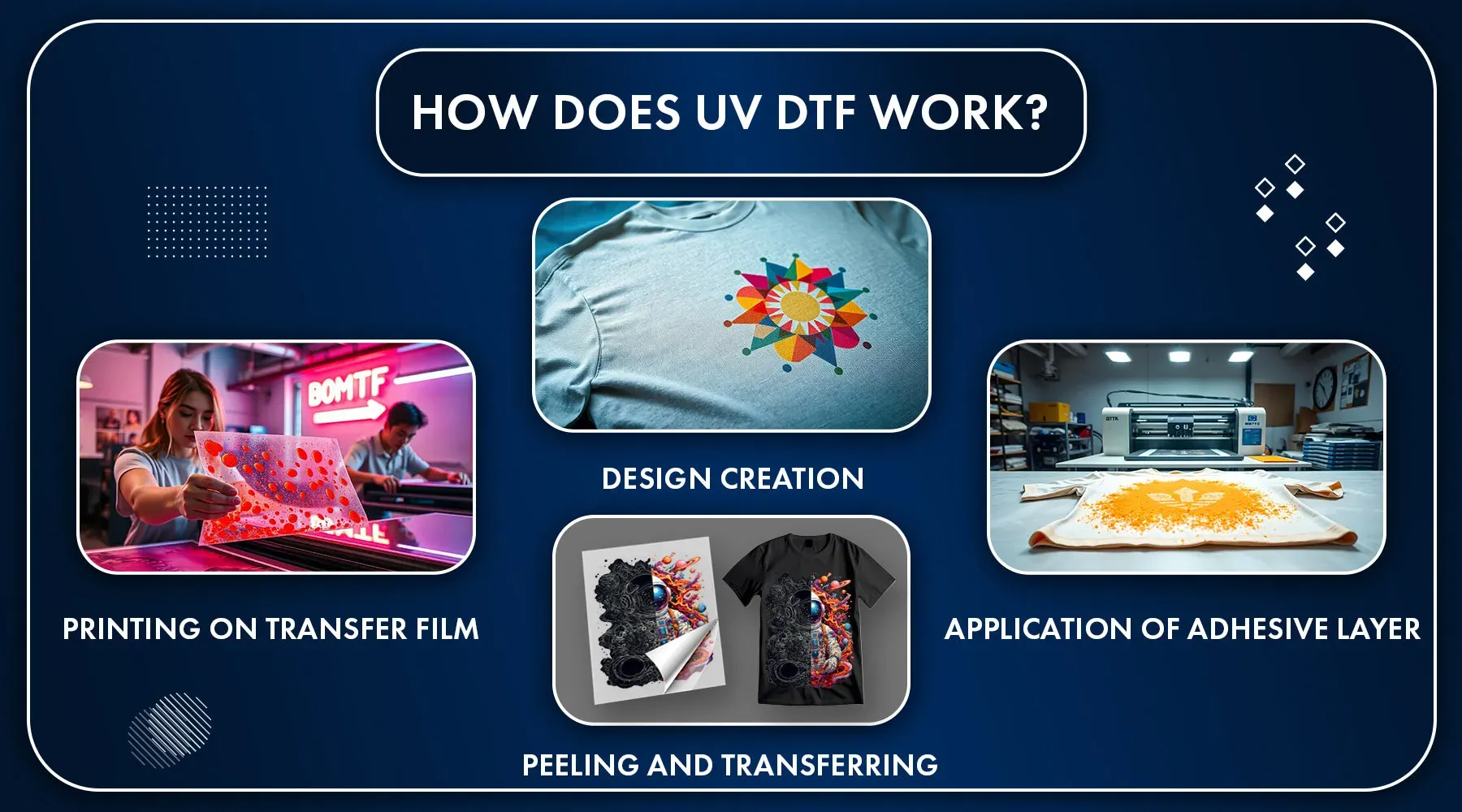
Using a DTF gangsheet builder transforms how you approach DTF printing by packing multiple designs onto a single sheet, which directly boosts print run optimization. By automating placement, bleed, margins, and color management, you can extract more shirts per batch while reducing the number of printer cycles and handling steps in your heat press workflow. This efficiency translates into shorter lead times, more predictable production, and scalable capacity for growing apparel lines.
Beyond throughput, the gangsheet builder supports substrate compatibility and consistent color across items printed on the same sheet. Real-time previews, auto-fit layouts, and template libraries help minimize waste and ensure the transfer film lines up with a variety of fabrics—cotton, blends, and performance materials—even when different substrates require adjusted heat settings. With these features, you can scale DTF printing while preserving transfer quality and color fidelity.
Print Run Optimization, Substrate Compatibility, and Gang Sheet Builder Best Practices
Plan layouts with purpose: select sheet size (for example 12×16 or 16×20 inches), orientation, and bleed; use the gang sheet builder to auto-fit multiple designs and maximize transfers per sheet while maintaining safe zones. This disciplined approach is central to print run optimization and keeps the heat press workflow predictable, reducing last-minute layout changes and reprints. Also align color profiles to your printer and chosen substrate to prevent color shifts during transfer.
Substrate compatibility testing is essential for long-term success. Run small test batches across fabrics—polyester, cotton, and blends—to calibrate heat press times, temperatures, and pressure. The builder’s templates, batch processing, and export options help you reproduce successful configurations, scale production, and achieve consistent results across different substrates while maintaining a reliable heat press workflow.
Frequently Asked Questions
What is a DTF gangsheet builder and how does it boost print run optimization in DTF printing?
A DTF gangsheet builder is software that arranges multiple designs on a single sheet sized to your printer substrate. It boosts print run optimization by maximizing designs per sheet, reducing waste, and speeding up production. It offers auto-fit layouts, proper bleed and safe margins, and real-time color previews to keep the heat press workflow efficient and color-consistent across designs. Many tools also provide substrate compatibility guidance to minimize color shifts across fabrics.
Which features should I prioritize in a DTF gangsheet builder to maximize production and ensure substrate compatibility in a heat press workflow?
Prioritize auto-fit intelligent layout, accurate bleed and margins, color management previews, and a template library with easy export options compatible with your heat press workflow. Batch processing speeds up multiple jobs, and substrate compatibility insights help you predict how transfers perform on different fabrics. Together with test sheets for color and alignment, these features maximize production and ensure consistent results.
| Aspect | Key Points |
|---|---|
| What is a DTF gangsheet builder? | Software (or a design-suite plugin) that arranges multiple designs on one sheet, automates placement, bleed, margins, color management, and outputs print-ready gang sheets to maximize shirts per run and speed production. |
| Why use a gangsheet builder to maximize print runs? | Increases throughput by fitting more designs on each sheet; reduces material and time waste; supports consistent color and quality with previews; minimizes setup friction through templates and auto-arrangement. |
| Key features to look for | Auto-fit and intelligent layout; Bleed, margins, and safe zones; Color management and previews; Template library and design integration; Export options and workflow integration; Batch processing and automation; Substrate compatibility insights. |
| How to plan layouts for maximum print runs | 1) Gather designs and define order requirements; 2) Decide on sheet size and orientation; 3) Account for bleed and safe zones; 4) Arrange designs with efficiency; 5) Optimize color and print readiness; 6) Create test sheets; 7) Export and queue for production. |
| Step-by-step workflow for using a DTF gangsheet builder | – Step 1: Prepare designs in required formats; – Step 2: Import designs into the gangsheet builder; – Step 3: Use the layout engine to auto-fit the designs; – Step 4: Review color settings and previews; – Step 5: Add cut lines, marks, or registration guides; – Step 6: Export print-ready files; – Step 7: Run a test print and press; adjust if needed. |
| Maximizing print runs: practical tips | – Standardize templates; – Build a design library with metadata; – Maintain color consistency across runs; – Do prepress checks; – Substrate testing; – Documentation and traceability. |
| Common pitfalls and how to avoid them | – Overcrowding on a sheet: use spacing controls and margins; – Inconsistent color: calibrate color profiles and preview separations; – Poor registration: ensure accurate registration marks; – Underestimating bleed: enable adequate bleed for each design. |
| Real-world example | A small apparel shop migrated from single-design prints to gangsheet printing (8–12 designs per 16×20 sheet), increasing completed units per cycle by ~2.5x while keeping material costs stable; templates and color previews aided consistency. |
| Best practices for long-term success | – Invest in training; – Maintain a design-to-press checklist; – Stay updated with firmware and software; – Monitor results and iterate. |
Summary
DTF gangsheet builder is a transformative tool for scale, enabling you to maximize print runs and boost production efficiency. By consolidating multiple designs on a single gang sheet, you reduce waste, cut setup times, and improve throughput without sacrificing color accuracy or transfer quality. The core practice is to plan layouts with bleeding zones, margins, and safe areas, using auto-fit layouts and real-time previews to anticipate how designs will translate to heat-transfer substrates. Integrated with your design workflow, templates and batch processing streamline repeat orders, enabling faster turnarounds and predictable production. A well-designed gangsheet approach supports substrate compatibility guidance, ensuring you select fabrics and finishes that minimize color shifts. Adopting standard templates, maintaining consistent color profiles, and documenting configurations provides traceability and repeatability across runs. For small shops and growing studios, a DTF gangsheet builder can unlock higher throughput, better profitability, and more reliable quality across larger print runs.