
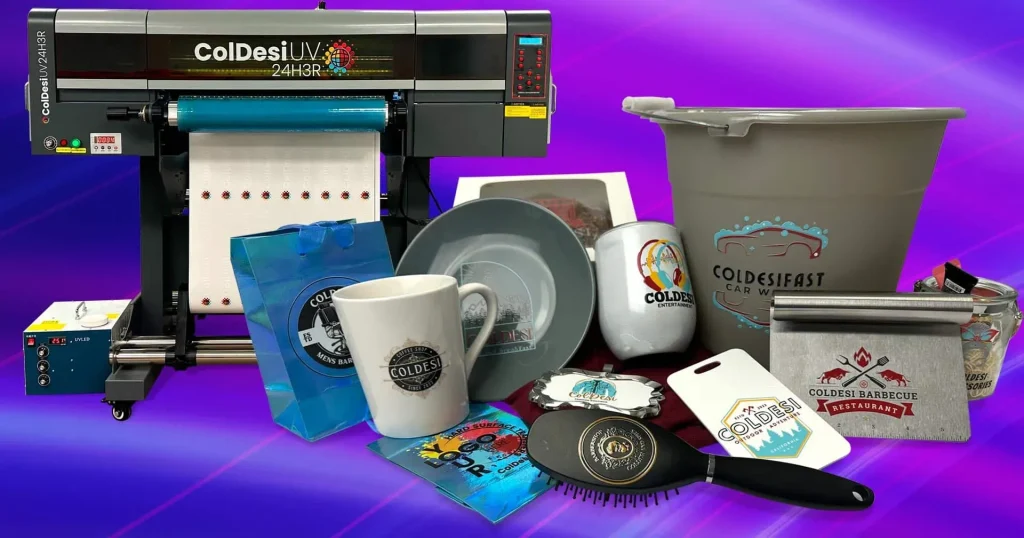
UV DTF printing has emerged as a revolutionary technique in the world of printing, captivating both beginners and seasoned professionals alike. This unique method combines the strengths of UV printing techniques with DTF (Direct to Film) technology, resulting in stunning and vibrant prints that adhere seamlessly to various surfaces. As you embark on your journey into this fascinating realm, understanding how to start UV DTF is essential for unlocking the potential of your creative projects. In this beginner UV DTF guide, we will provide crucial DTF printing tips and insights into selecting the right UV DTF materials that elevate your designs to new heights. Get ready to dive into a world where creativity meets innovation, transforming your printing endeavors with ease and excellence.
Direct to Film (DTF) solutions, particularly in the context of ultraviolet technology, are reshaping the landscape of modern printing. This approach not only enhances the vibrancy and quality of prints but also provides flexibility across diverse substrates. As you familiarize yourself with these advanced printing methodologies, it becomes crucial to grasp the essentials of how to effectively start using DTF processes, alongside acquiring the right materials suited for UV applications. Additionally, mastering techniques that align with UV DTF printing can boost your skill set significantly. Whether you’re looking to elevate your hobby or launch a printing business, understanding these cutting-edge trends will empower you to succeed in this exciting field.
An Introduction to UV DTF Printing Techniques
UV DTF printing techniques blend the best of both worlds, traditional UV printing and Direct to Film, resulting in vibrant visuals that pop on various substrates. The technology provides a unique advantage by allowing prints to maintain their vibrancy over time, even when subjected to harsh conditions. This technique is revolutionizing the printing industry, making it accessible for hobbyists and professionals alike to create stunning designs that stand out in today’s competitive market.
One of the core principles behind UV DTF printing is the use of specialized UV inks that ensure durability and longevity. Unlike traditional inks, UV inks are cured with ultraviolet light, making them resistant to fading and wear, which is essential for items that will face light exposure and physical handling. Understanding these techniques will enhance your capabilities as a beginner and pave the way for creating high-quality work.
Getting Started: A Beginner’s Guide to UV DTF Materials
Choosing the right materials is crucial when starting with UV DTF printing. There are specific films designed for this process, typically labeled as DTF films. These films are engineered to ensure optimal adhesion and compatibility with UV inks, which is vital for producing high-quality prints that can withstand washing and wear. Beginners should invest in good-quality materials that provide a solid foundation for their printing projects.
Moreover, selecting the appropriate substrates is equally important. UV DTF printing works effectively on an array of materials, including textiles, plastics, and metals. It’s advisable to conduct tests on various substrates to find the best combinations that yield the most vibrant and durable results. By educating oneself on the available materials and how they interact with UV DTF technology, beginners can significantly enhance their printing endeavors.
Essential Tips for Effective DTF Printing
For those diving into UV DTF printing, certain tips can make a dramatic difference in the output quality. One of the first tips is to ensure your printer settings are optimized for the DTF process. This includes adjusting the DPI settings and ensuring the right amount of ink is used; too much or too little can lead to subpar prints. Conducting thorough test prints before starting a larger job can help fine-tune these settings.
Additionally, keeping your printer in optimal condition through regular maintenance is essential. Clogged nozzles or filthy printing heads can significantly degrade print quality. Regularly cleaning the print heads and ensuring that inks are stored properly will help prevent issues and extend the life of your equipment. These tips not only save time but also resources in the long run.
Key Heat Pressing Techniques for Beginners
Heat pressing is a pivotal part of the UV DTF process, where the heat applied is critical to the success of the transfer. Beginners should familiarize themselves with different heat pressing techniques, including the ideal temperature and pressure settings required for various substrates. Experimentation with test samples across materials such as cotton and nylon can yield findings that significantly impact the quality of the final product.
Furthermore, understanding the duration of time needed for the heat press to apply to the transfer can help fine-tune your results. It is recommended to document successful settings during trials to build a reference for future projects. Mastering these pressing techniques will enhance not only the adhesion of the designs but also their appearance and longevity.
One final aspect to consider during heat pressing is the cooling period after pressing. It’s crucial to let the material rest before handling it to ensure that the adhesion is complete. This might seem minor, but it can make a big difference in the durability of the print.
Post-Printing Care: Importance of Curing
After the printing process, allowing adequate curing time for the UV inks is essential for achieving a durable finish. Curing involves exposing printed materials to UV light, which solidifies the inks and enhances their resistance to scratching and fading. For beginners, understanding the right duration and conditions for curing can be challenging, but it’s critical for ensuring that your designs stand the test of time.
Additionally, implement a quality control mechanism to detect any inconsistencies in your prints post-curing. This step is vital in identifying potential issues early on. Maintaining a consistent quality across all printed materials will help build a good reputation for your work, whether for personal projects or business ventures.
Staying Ahead: Continuous Learning in UV DTF Technology
Given the rapidly evolving nature of UV DTF technology, continuous learning is imperative for anyone serious about their craft. Engaging with online communities and professional groups can provide valuable tips and updates about the latest trends in UV DTF printing. Resources like forums or platforms such as **Printavo** often feature insights from seasoned professionals who share their knowledge freely.
Furthermore, exploring video tutorials and online workshops can be incredibly beneficial for beginners looking to refine their skills. Such resources can help clarify complex processes and introduce innovative techniques that enhance the quality of prints. Staying updated with industry trends not only keeps your work relevant but also improves your adaptability to market demands.
Frequently Asked Questions
What is UV DTF printing and how does it work?
UV DTF printing, or Direct to Film printing, combines traditional UV printing techniques with DTF technology. It allows users to print vibrant designs onto films using UV inks, which are then transferred onto various substrates like textiles, plastics, and metals. This method is particularly valued for its versatility and cost-effectiveness, providing high-quality prints that last.
How do I start my journey with UV DTF printing?
To start your journey with UV DTF printing, first acquire a suitable UV printer that offers high resolutions, such as those from brands like Mimaki and Roland. Next, gather quality UV DTF materials including films and inks designed specifically for this printing method. Finally, familiarize yourself with the preparation, printing, and post-printing processes to ensure successful prints.
What are some essential tips for successful UV DTF printing?
Essential tips for successful UV DTF printing include using high-quality films designed for UV applications and inks that enhance color vibrancy. Properly prepare your substrates by cleaning them thoroughly to improve adhesion. Additionally, mastering heat pressing techniques and allowing sufficient curing time under UV light are critical for achieving optimal print durability.
What materials are best suited for UV DTF printing?
The best materials for UV DTF printing include specially coated films that facilitate better ink adhesion and durability. Substrates such as textiles, plastics, and even metals can be used effectively. Always ensure that the materials you choose are compatible with UV DTF inks for the best results.
What is the significance of heat pressing in the UV DTF process?
Heat pressing is a crucial part of the UV DTF process as it ensures that the printed design adheres properly to the substrate. The right balance of temperature and pressure must be applied during this stage to maintain the design’s integrity and achieve optimal quality. Conducting test runs can help identify the best settings for different materials.
How can I stay updated with trends in UV DTF technology?
To stay updated with trends in UV DTF technology, actively engage with online communities, forums, and professional groups focused on printing. Resources like Printavo offer valuable insights and updates. Additionally, following industry news and watching video tutorials can help you learn new techniques and stay competitive in the evolving UV DTF landscape.
| Key Points | Details |
|---|---|
| Introduction to UV DTF | UV DTF (Direct to Film) printing combines traditional UV printing with DTF technology for vibrant, durable designs on various substrates. |
| Essential Equipment | Invest in high-quality UV printers like Mimaki and Roland that offer high resolution and versatility. |
| Film and Inks Selection | Use high-quality UV films and inks for better adhesion and color vibrancy. |
| Pre-Press Preparation | Clean surfaces thoroughly to ensure optimal adhesion and print quality. |
| Heat Press Techniques | Experiment with temperature and pressure settings for optimal adherence and print integrity. |
| Post-Printing Care | Allow adequate curing time under UV light for durability and implement quality control. |
| Continuous Learning | Stay updated through online communities and resources to improve skills and efficiency. |
| Recent Trends | Adopt eco-friendly inks as consumer demand for sustainability grows. |
Summary
UV DTF printing is an innovative technique that brings a blend of creativity and technology to the forefront. This printing method allows individuals and businesses to produce high-quality, vibrant designs on a wide range of materials, making it a versatile choice for many applications. As you delve into the world of UV DTF printing, it’s essential to familiarize yourself with the necessary equipment, select quality materials, and prioritize proper preparation and techniques. Continuing to learn about new trends and advancements will not only enhance your skills but also help you remain competitive in a rapidly evolving market. With dedication and practice, UV DTF printing can open up endless creative possibilities.