
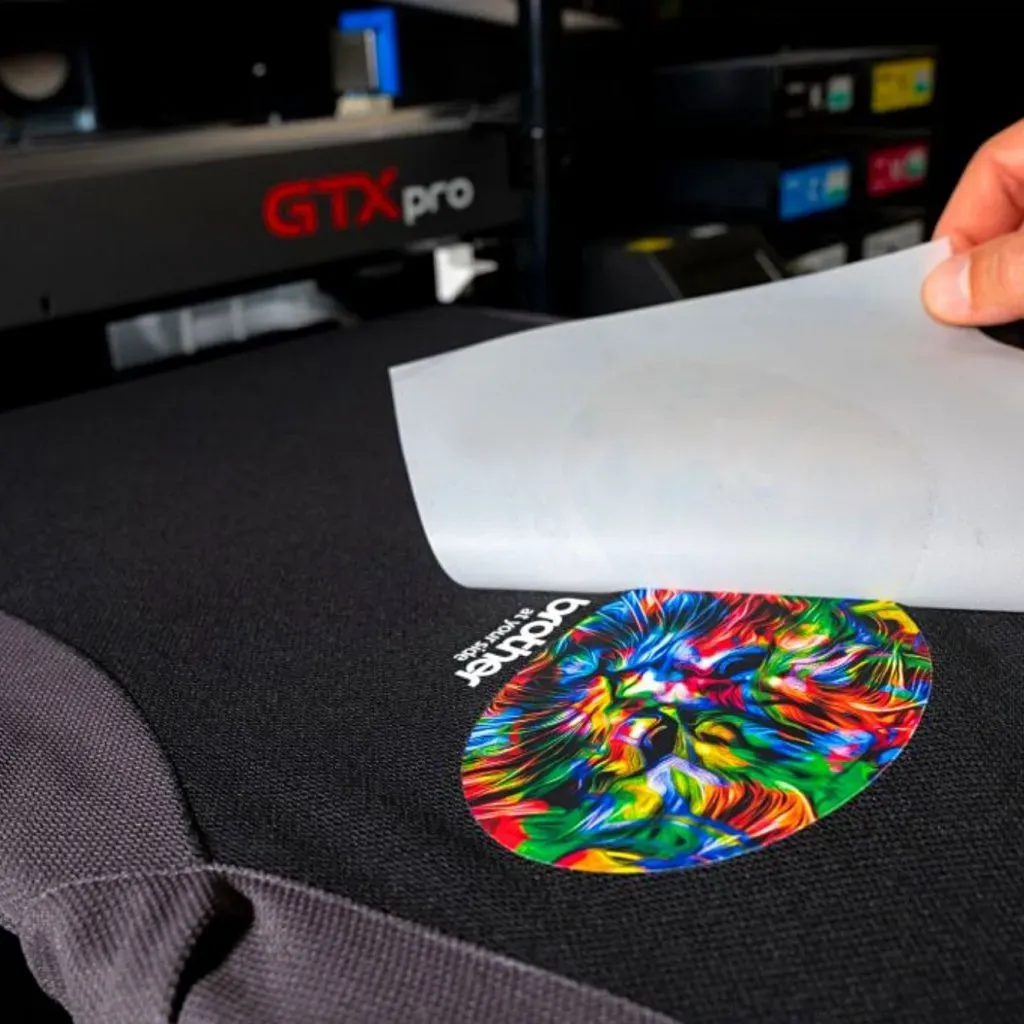
DTF printing techniques have revolutionized the world of custom apparel printing, introducing an innovative method that delivers stunning, vibrant prints with remarkable durability. This advanced approach, known as Direct to Film (DTF) printing, enables designers to transfer intricate designs directly onto special films before applying them to various fabrics. As more businesses and creators explore the benefits of DTF transfer technology, a solid understanding of these techniques becomes essential for achieving optimal results. With its ability to produce long-lasting prints that captivate audiences, the DTF printing method is quickly becoming a preferred choice for high-quality merchandise. Join us as we delve deeper into the nuances of DTF printing techniques and discover how they can elevate your custom apparel creations.
Exploring the fascinating realm of digital transfer printing reveals a wealth of possibilities for garment customization. Often referred to as direct-to-film printing, this innovative technique simplifies the transfer of intricate graphic designs onto a wide variety of fabric substrates. As the custom apparel landscape adapts to emerging technologies, the advantages of utilizing DTF methods become increasingly evident—ranging from eye-catching vibrant prints to impressive long-term durability. This technology not only caters to individual artists but also empowers businesses to offer unique apparel solutions. Let’s take a closer look at the nuances and applications of these transformative printing methodologies.
Exploring Direct to Film Printing Techniques
Direct to Film (DTF) printing techniques have revolutionized the way custom apparel is manufactured. This innovative process involves printing designs on a specially coated film that acts as a medium for transferring vibrant prints onto clothing. DTF technology stands out because it allows for intricate designs with rich colors that can appeal to diverse consumer tastes. As businesses adopt DTF printing, they can cater to customers looking for unique and personalized apparel options.
Another key advantage of DTF printing techniques is their ability to produce long-lasting prints. Unlike other printing methods, DTF ensures high washability and durability, making it ideal for garments that will endure regular wear and tear. This not only satisfies consumer demands for quality but also helps brands position themselves as leaders in the custom apparel market. As more entrepreneurs recognize the benefits of DTF, it’s becoming increasingly essential to master these techniques for business success.
The Advantages of DTF Transfer Technology
DTF transfer technology presents a myriad of advantages over traditional printing methods, enhancing both efficiency and quality. With DTF, the process allows for stunning and vibrant colors, ensuring the final product captures the attention of potential buyers. The ability to print intricate designs without losing detail makes DTF a preferred option for many custom apparel businesses looking to stand out in a saturated market.
Moreover, DTF printing serves as a bridge between quality and customization. The technology accommodates various fabric types, including cotton, polyester, and blends, allowing more versatility in product offerings. As businesses leverage DTF transfer technology, they gain a significant competitive edge in the custom apparel sector, opening up new markets and attracting a broader audience.
Trends in the DTF Printing Industry
The DTF printing industry is currently witnessing transformative trends that reflect the increasing demand for personalization in custom apparel. Among these trends, the rise of in-house transfer services, like those offered by Sam’s DTF Transfers, showcases a shift towards quality and accessibility. Such initiatives empower both large and small businesses to tap into the profitability of DTF, making it essential for newcomers to stay informed on these emerging trends.
Furthermore, the push for compact DTF printers, such as the recently launched A3 model, highlights the movement towards smaller-scale operations. This development caters to freelancers and micro-businesses, enabling them to produce high-quality prints without the need for extensive resources. By following these trends, entrepreneurs can adapt their strategies to effectively meet consumer demand and foster growth in their apparel businesses.
Best Practices for Successful DTF Printing
To ensure success in DTF printing, entrepreneurs must adhere to best practices that optimize quality and efficiency. Investing in high-quality DTF printers and premium materials is paramount. This not only guarantees vibrant prints but also enhances durability, ensuring customer satisfaction and repeat business. Well-equipped businesses are better positioned to deliver exceptional products that stand the test of time.
Additionally, honing design skills plays a critical role in maximizing the capabilities of DTF technology. Engaging in design software workshops or courses can empower entrepreneurs to create visually appealing graphics that attract customers. Staying attuned to ongoing market trends and consumer preferences is equally vital, allowing businesses to maintain relevance in the competitive landscape of custom apparel.
Building an Online Presence for DTF Businesses
In the modern marketplace, a robust online presence is crucial for the success of any DTF printing venture. Social media platforms serve as effective channels for showcasing vibrant prints and connecting with potential customers. Utilizing platforms like Instagram and Facebook not only extends reach but also cultivates a loyal following that appreciates unique, custom apparel.
Moreover, e-commerce websites provide an avenue for customers to browse and purchase DTF products conveniently. Effective SEO practices, including targeted keywords around DTF printing and vibrant prints, enhance discoverability in search engines. By building an engaging online platform, businesses can capture the interest of a wider audience, driving sales and fostering brand loyalty.
Future Prospects of DTF Printing Techniques
The future of DTF printing techniques looks promising as advancements continue to unfold. With increasing technological improvements and growing interest in sustainable practices, the custom apparel industry is set to benefit. Innovations in ink formulations and printing technology promise to enhance both vibrancy and longevity of prints, meeting consumer expectations for high-quality apparel.
An increasing focus on personalized products will likely elevate the demand for DTF printing. As fashion trends evolve and consumers seek one-of-a-kind pieces, DTF printing techniques will play a pivotal role in fulfilling these desires. Positioning one’s business to adapt to these anticipated changes will be crucial for long-term success and competitiveness in the rapidly evolving custom apparel landscape.
Frequently Asked Questions
What is DTF printing techniques and how does it compare to traditional printing methods?
DTF printing techniques, or Direct to Film printing, involve printing designs onto a special film before transferring them to fabrics. This method stands out from traditional screen printing due to its ability to produce vibrant prints with intricate details and exceptional durability. Unlike screen printing, which requires various screens for different colors, DTF printing simplifies the process by allowing multiple colors to be printed in one go onto the film.
What are the main advantages of using DTF transfer technology for custom apparel printing?
DTF transfer technology offers several advantages for custom apparel printing, including vibrant colors, long-lasting prints, and compatibility with a wide range of materials. This versatility allows for high-quality prints on cotton, polyester, leather, and more, making it ideal for diverse custom apparel needs.
How does DTF printing maintain the vibrancy and longevity of prints?
DTF printing maintains vibrancy and longevity by utilizing quality inks and a unique adhesive powder that bonds to the fabric. The printing process ensures that colors remain rich and detailed, while the durable nature of the prints allows them to withstand multiple washes without fading or deteriorating.
What materials can I use for DTF printing techniques?
DTF printing techniques are notably flexible, allowing for printing on various materials including cotton, polyester, canvas, and even leather. This adaptability makes DTF technology an excellent choice for producing custom apparel, hats, bags, and other fabric-based products.
Are there any recent technological advancements in DTF printing techniques?
Yes, recent advancements in DTF printing techniques include the launch of compact printers, such as the A3 DTF printer by AM.CO.ZA, designed for small businesses. Innovations like these are aimed at lowering entry barriers for freelancers and small enterprises, enhancing accessibility to high-quality custom printing.
What tips can help me succeed in the DTF custom apparel printing market?
To succeed in the DTF custom apparel printing market, focus on investing in high-quality equipment, using premium inks and materials, enhancing your design skills, staying updated on industry trends, and building a strong online presence. These strategies will help ensure the production of vibrant, long-lasting prints that satisfy customer demands.
| Key Point | Details |
|---|---|
| Introduction to DTF Printing | DTF (Direct to Film) printing revolutionizes custom apparel with vibrant, long-lasting prints on various materials. |
| How DTF Works | DTF prints a design onto a film using eco-friendly ink, applies adhesive powder, heats, and then transfers to fabric. |
| Advantages of DTF Printing | 1. Vibrant colors suitable for detailed graphics. 2. Long-lasting durability through excellent washability. 3. Compatibility with various materials like cotton, polyester, and leather. |
| Current Trends | 1. Sam’s DTF Transfers leads with quality services for all business sizes. 2. Compact A3 printers launched to lower entry barriers for small businesses. 3. Focus on customer support enhances business sustainability. |
| Best Practices for Success | 1. Invest in quality DTF equipment. 2. Use high-quality inks and materials. 3. Enhance design skills. 4. Stay updated on industry trends. 5. Build a strong online presence. |
Summary
DTF printing techniques not only provide vibrant and durable options for custom apparel, but also enhance the creative possibilities for personalization and branding. By understanding the innovative processes that fuel DTF printing, such as selecting quality materials and adapting to new technologies, businesses can significantly improve the quality of their products. Recent advancements from leading companies like Sam’s DTF Transfers and the introduction of user-friendly printers exemplify the rapid evolution within the DTF sector. To succeed in this competitive market, aspiring entrepreneurs must invest wisely in their equipment, maintain a keen eye on market trends, and continuously refine their design capabilities. Embracing these strategies will lead to long-lasting prints that not only meet but exceed customer expectations.