UV DTF Printing vs. Traditional Printing: Key Insights

In the rapidly advancing landscape of printing technologies, **UV DTF printing** stands out as a revolutionary method that effectively combines speed, versatility, and exceptional print quality. Unlike traditional printing methods, UV DTF printing utilizes ultra-violet light to cure inks instantly onto diverse substrates, resulting in vibrant and durable designs. This innovative approach opens up a world of printing possibilities, making it a popular choice among businesses eager to cater to varied customer needs. By offering quick turnaround times and superior color vibrancy, UV DTF printing is changing the game and challenging the conventional wisdom surrounding print quality comparison. Explore the benefits of DTF printing and discover how this cutting-edge technology might be the solution your project requires.

Often referred to as Ultra Violet Direct to Film printing, this advanced printing technology has captured the attention of industries looking for efficient and high-quality output. Many companies are making the transition from traditional printing techniques to UV DTF due to its impressive ability to produce stunning results on unconventional materials, ranging from textiles to rigid surfaces. This method not only streamlines the production process with its quick curing times but also enhances the durability of prints, setting a new standard in the realm of digital printing solutions. As we delve deeper into the mechanics and advantages of UV DTF printing, it’s essential to assess how it aligns with current industry trends and the specific needs of print projects.

Introduction to Modern Printing Technologies

In today’s fast-paced world, the printing industry is undergoing remarkable transformations, bringing advanced technologies to the forefront. Among these innovations are UV DTF printing and traditional printing, each with unique strengths that cater to a variety of applications. Businesses are increasingly scrutinizing their options, aiming to optimize print quality and efficiency. The rise of advanced printing methods has contributed to greater access to high-quality prints for a wider array of materials, making it essential to understand each technology thoroughly.

Understanding modern printing technologies is crucial for businesses that wish to remain competitive. With traditional printing methods often associated with longer setup times and intricate processes, newer technologies like UV DTF printing bring a breath of fresh air, streamlining production and enhancing creative possibilities. By engaging with this evolving landscape, companies can make informed decisions that align with their operational goals and customers’ expectations.

Exploring the Mechanisms of UV DTF Printing

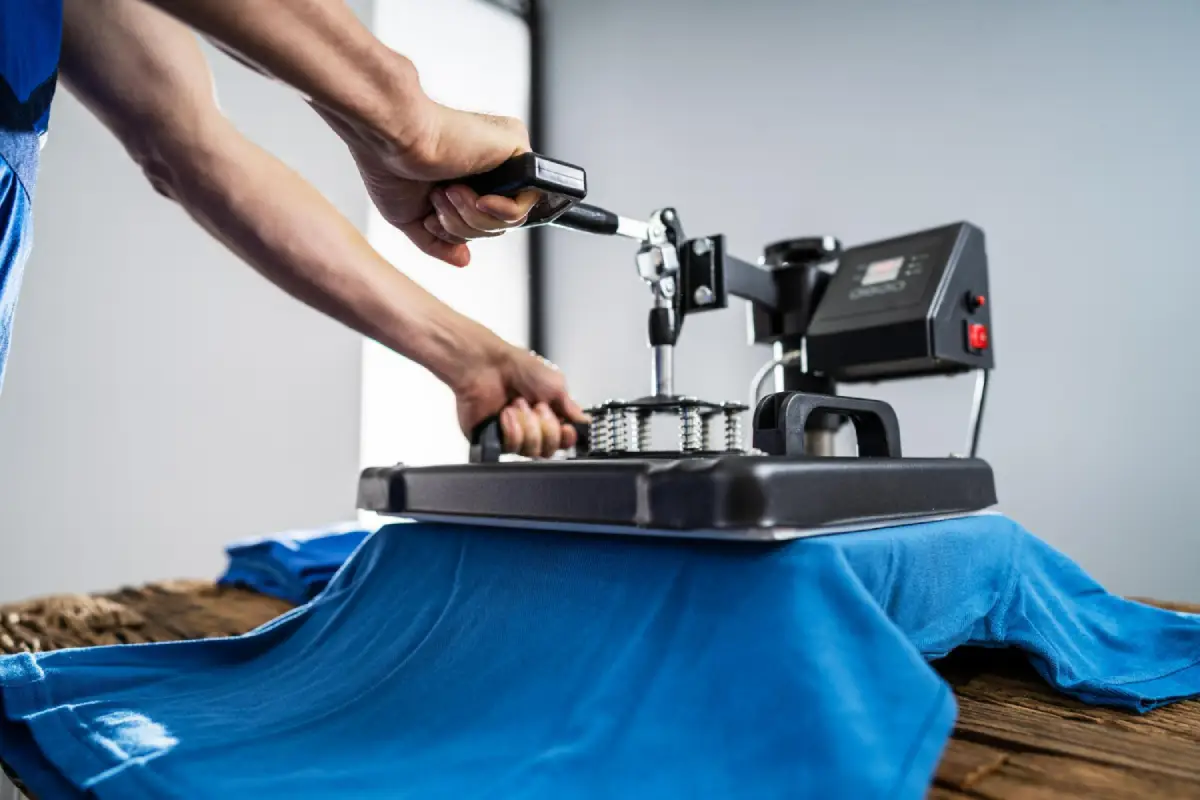
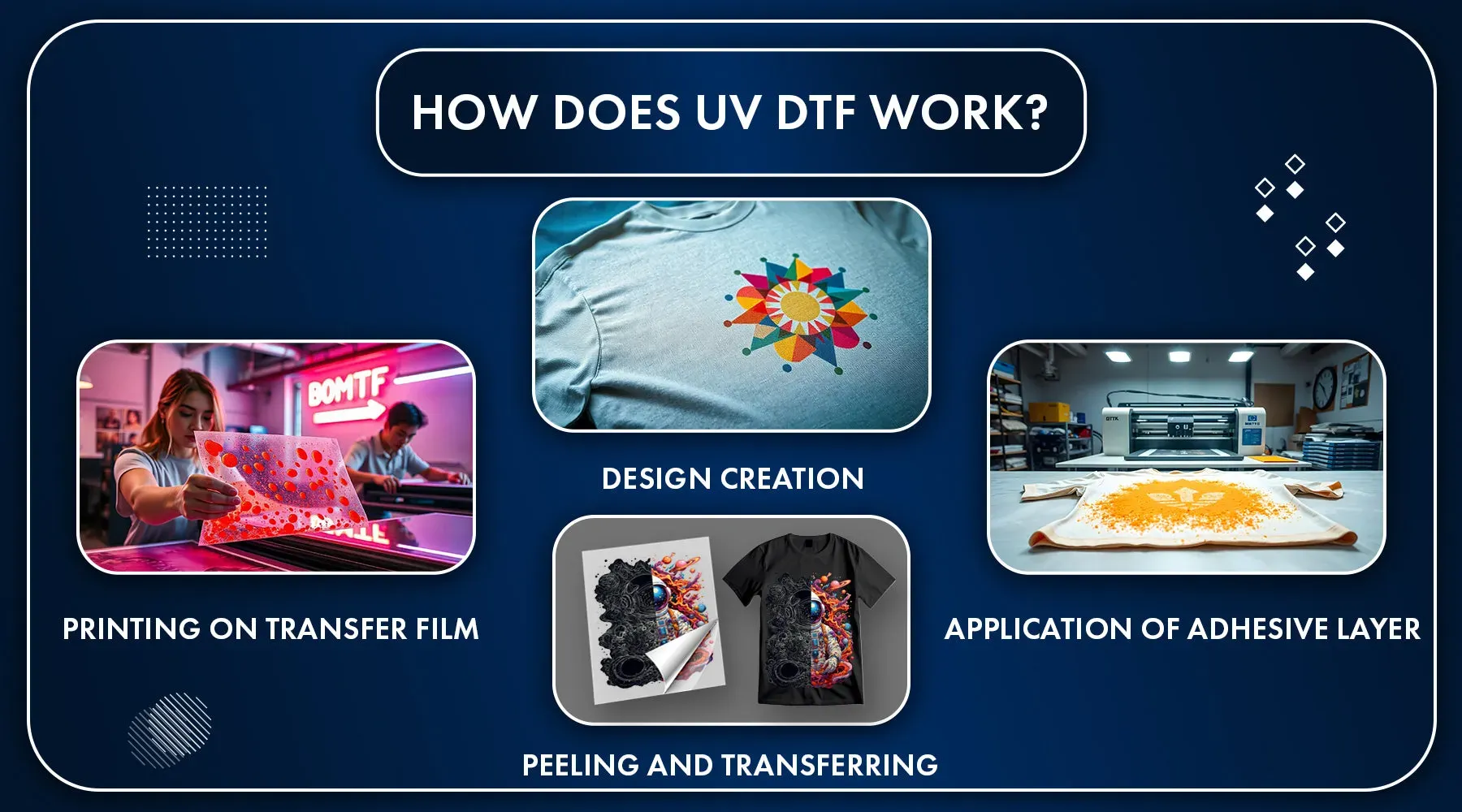
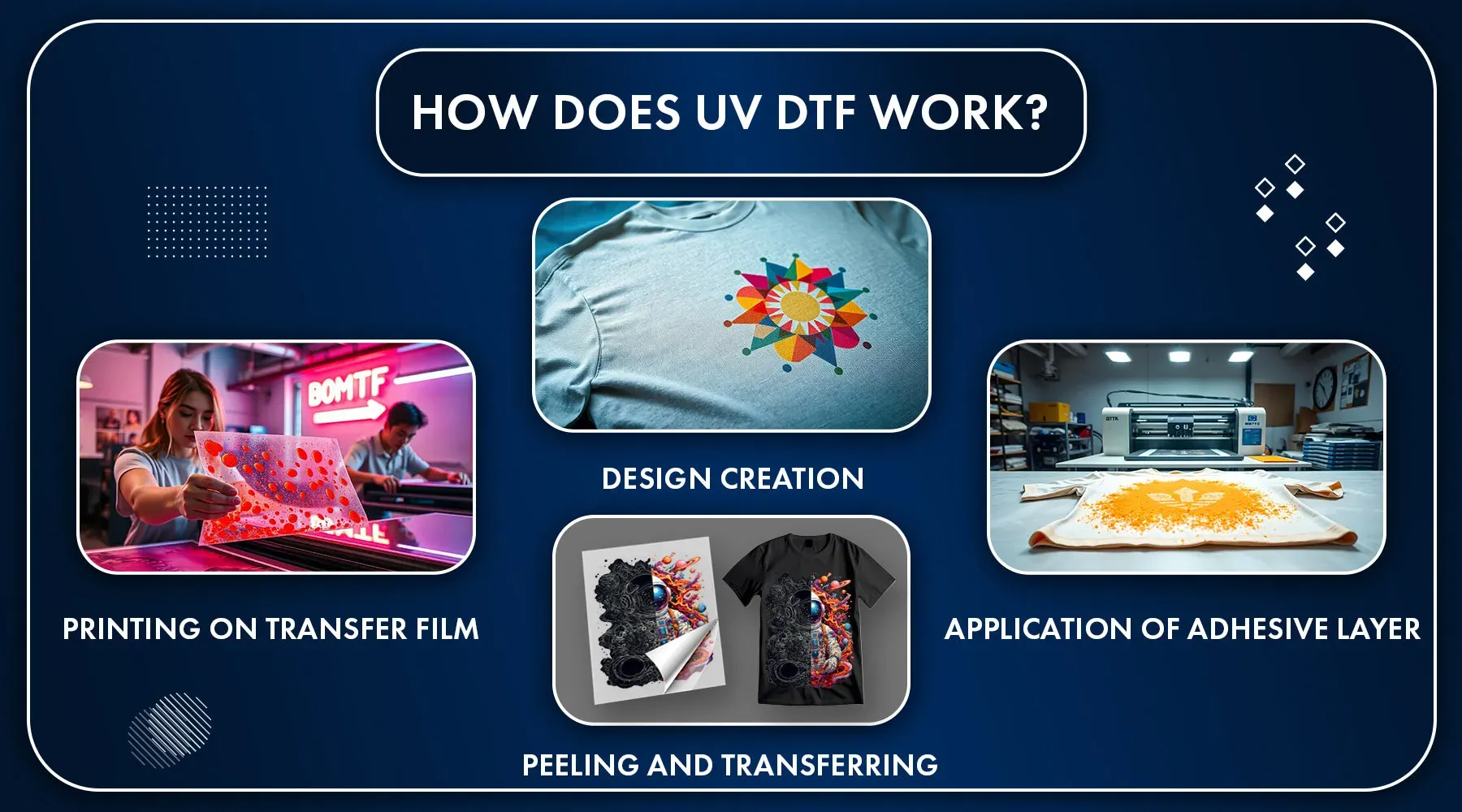
UV DTF printing, or Ultra Violet Direct to Film printing, represents a significant advancement in printing technology. This method utilizes ultraviolet light to cure the inks during the printing process, allowing for immediate print readiness. Unlike traditional printing techniques, which may require extended drying and curing times, UV DTF streamlines these aspects significantly, resulting in a more efficient workflow that is especially beneficial for high-demand printing environments.

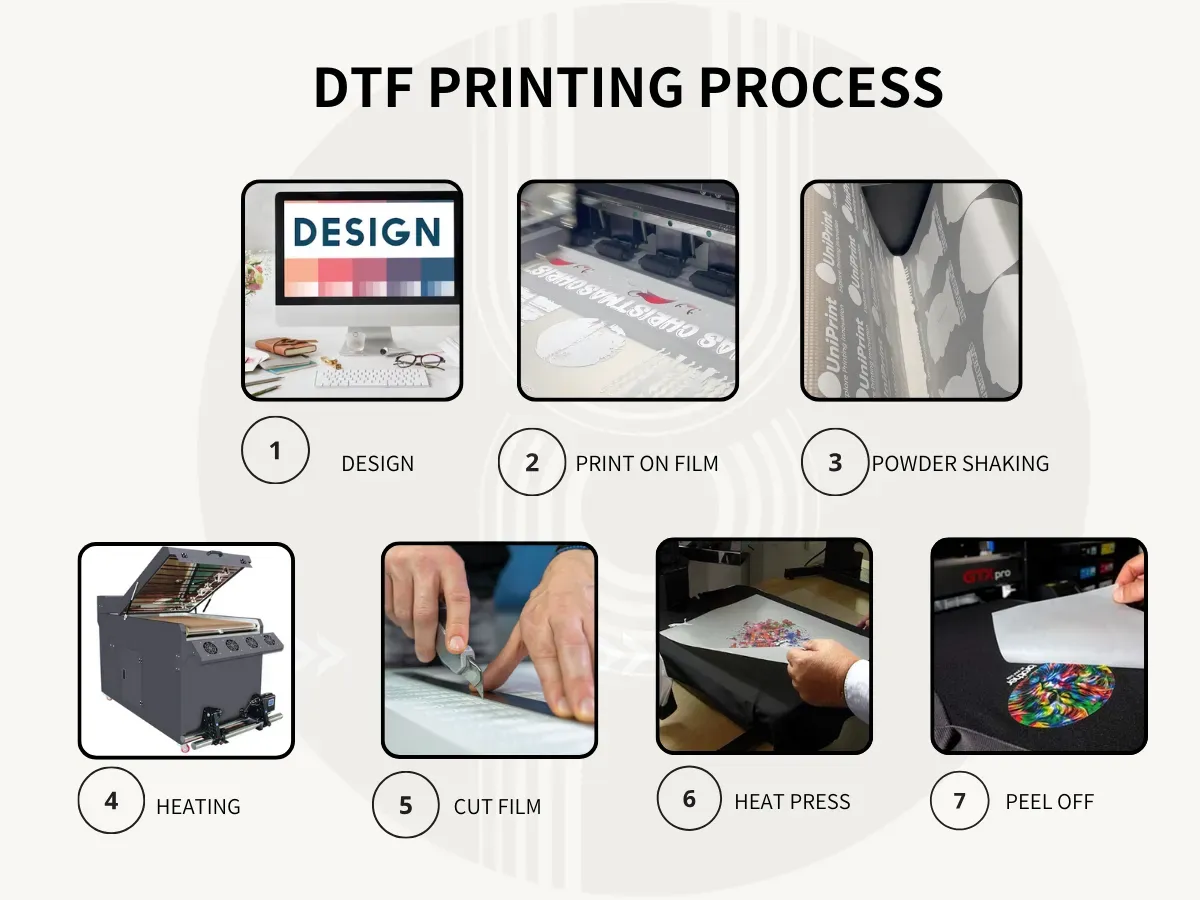
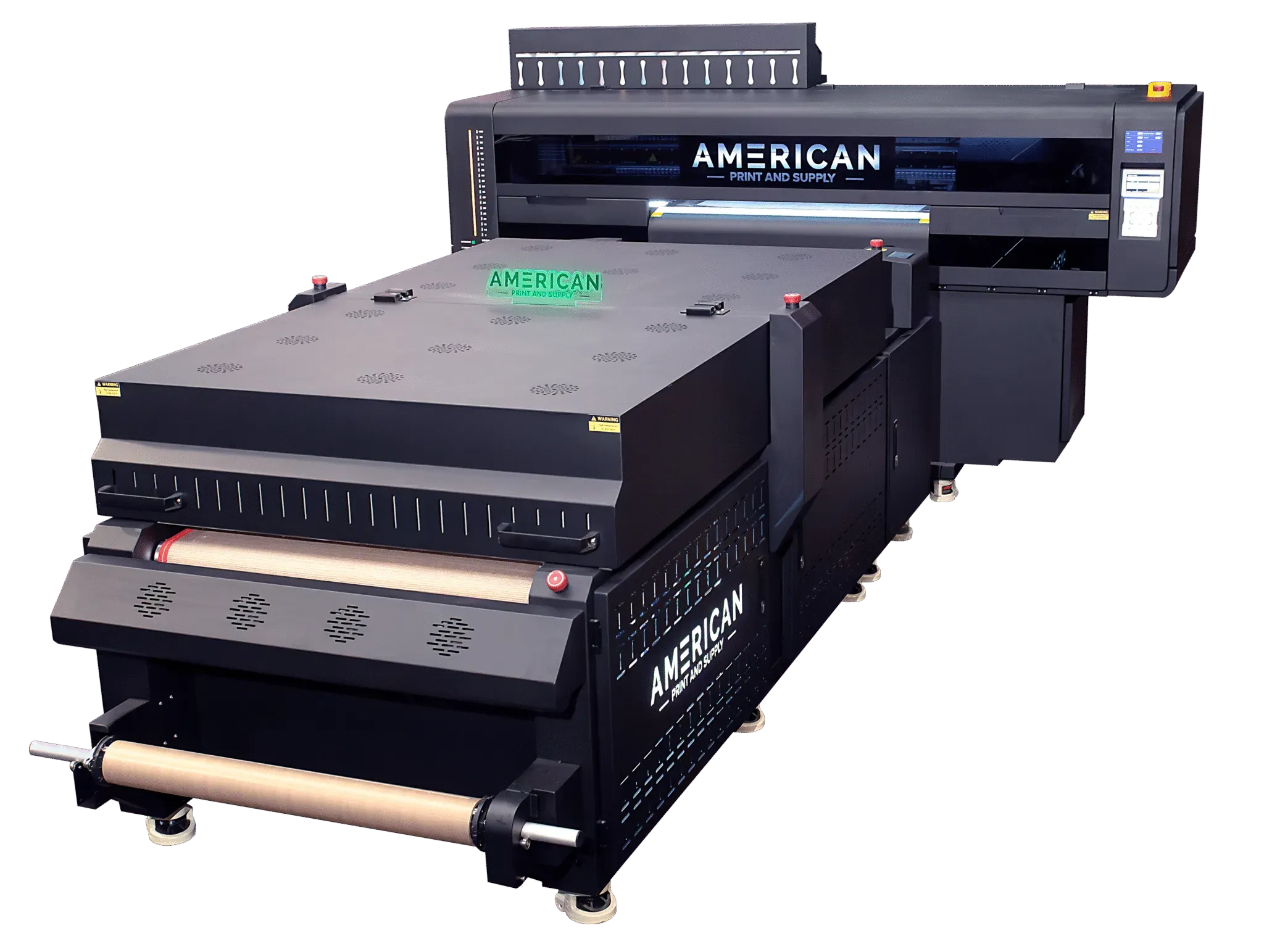
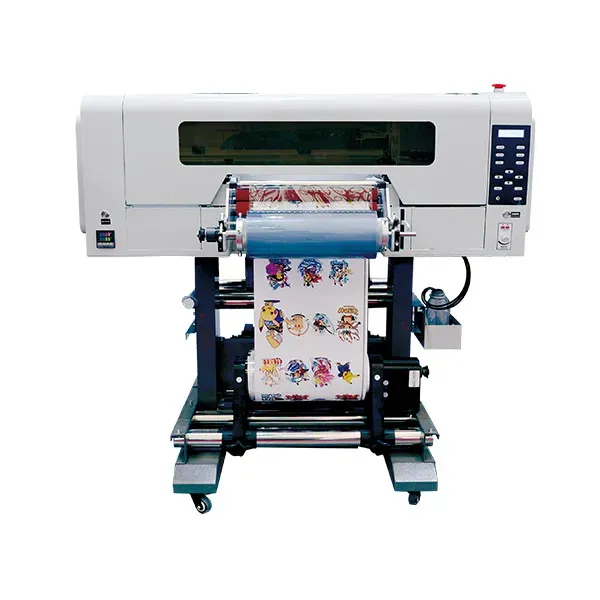
The operational mechanics of UV DTF printing involve a printer designed specifically for this process, where inks are laid onto a special film and subsequently cured by UV lights. This quick curing action not only enhances print quality but also ensures that the inks adhere securely to various substrates, thus opening up new avenues for printing on textiles, plastics, and other unconventional materials. Such versatility is a strong advantage over many traditional methods, making it an increasingly popular choice for businesses seeking to innovate.

Benefits of UV DTF Printing Over Traditional Methods

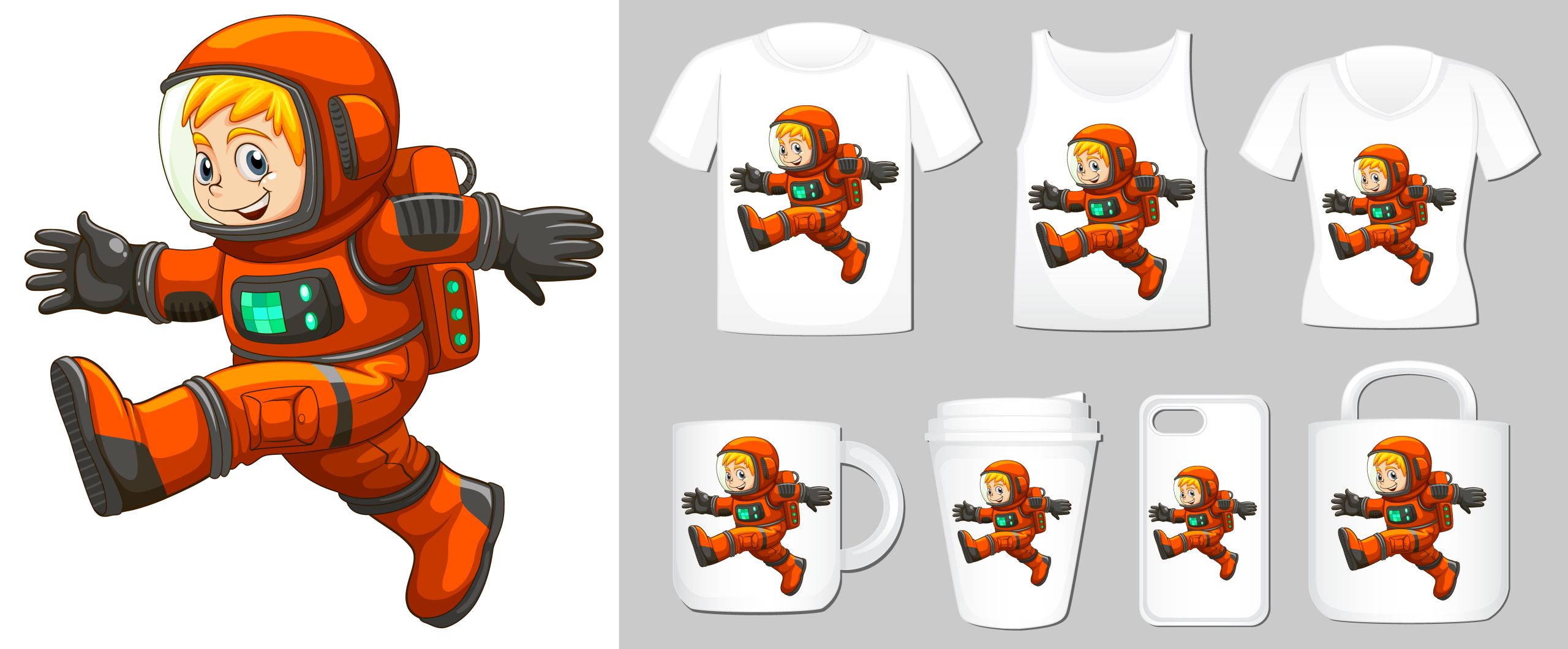
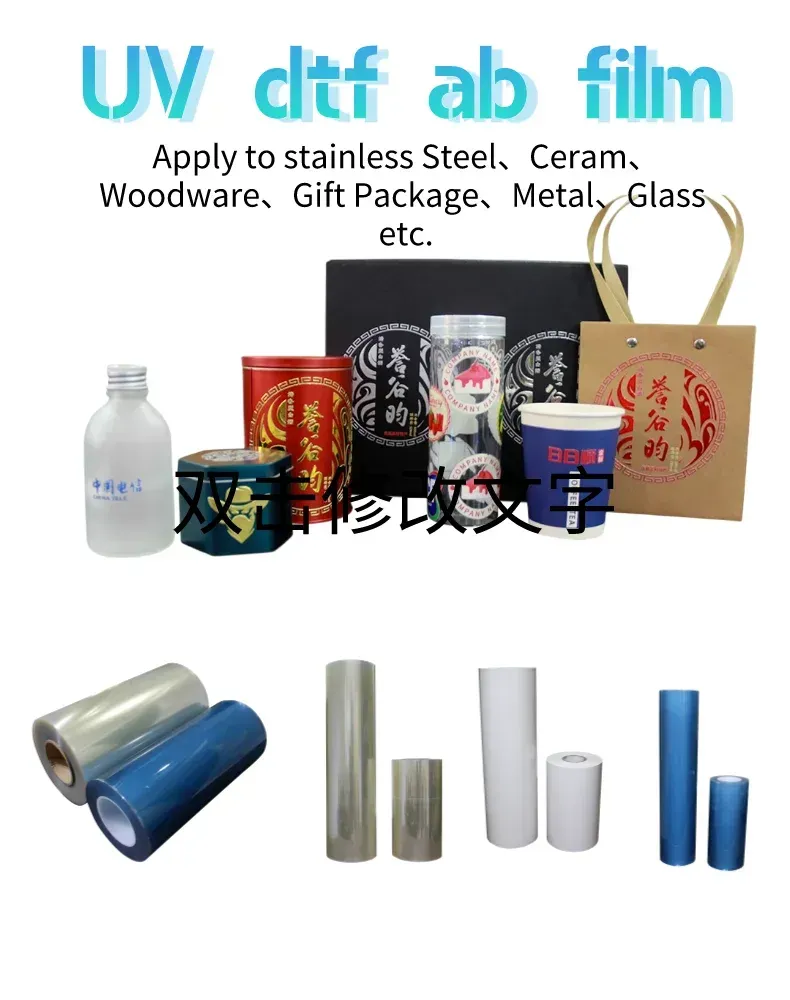
One of the standout advantages of UV DTF printing is its remarkable flexibility. Unlike traditional printing methods, which often require specific setups and can be limited to certain materials, UV DTF allows for printing on a diverse array of surfaces. This can include textiles, ceramics, and even rigid materials like wood and metal. Such versatility enables businesses to cater to a broader range of customer demands, providing customized solutions that align with market trends.

Moreover, UV DTF printing is known for its impressive output quality. The curing technology used ensures that colors remain vibrant and true, while also enhancing the durability of prints. This contrasts with traditional methods that may not achieve the same level of color richness and may suffer from fading over time. As businesses strive for high-quality outputs, adopting UV DTF printing could be a game-changer in achieving excellent print quality and customer satisfaction.

Speed and Efficiency: Key Advantages of UV DTF

In the competitive world of printing, time is often of the essence. Traditional printing methods can introduce lengthy delays in production, especially due to required drying times and extensive setup processes. UV DTF printing addresses these challenges head-on, allowing for almost instantaneous printing results. The ability for inks to cure instantly under UV light translates to faster turnaround times, enabling businesses to meet tight deadlines without compromising quality.

This efficiency does not just lead to quicker project completions; it also means that businesses can increase their overall output without adding significant operational costs. With UV DTF printing, the reduced waste and higher yield potential contribute to its overall cost-effectiveness, ultimately making it an attractive option for companies aiming to maximize productivity while maintaining high standards of print quality.

Print Quality Comparison: UV DTF vs. Traditional Printing

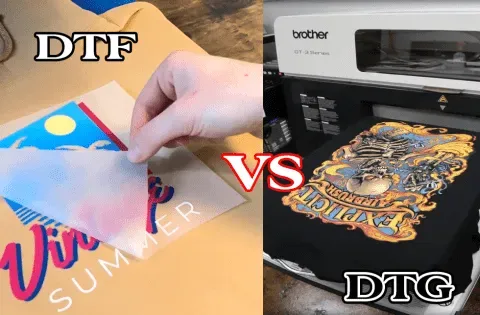
When comparing print quality between UV DTF and traditional printing methods such as screen printing or direct-to-garment (DTG), several notable differences arise. UV DTF printing leverages state-of-the-art technology that ensures remarkable vibrancy and detail, resulting in prints that stand out for their sharpness and color fidelity. The immediate curing process plays a critical role in preserving these qualities, making UV DTF an ideal choice for projects requiring exceptional accuracy and visual appeal.

On the other hand, while traditional printing methods have their merits, they may sometimes fall short in achieving the same level of detail and brightness, particularly when working on complex designs. This can lead to dissatisfied customers seeking alternatives that offer enhanced quality. For businesses looking to elevate their print offerings, incorporating UV DTF printing can be a strategic move towards delivering superior results to clients.

Navigating the Decision: Choosing the Right Printing Method

As businesses evaluate their printing needs, the choice between UV DTF and traditional printing methods hinges on various project requirements. Factors such as material compatibility, print durability, and production timeline all play a crucial role in making an informed decision. For projects demanding versatility—capable of handling multiple substrates—UV DTF leads the way in providing adaptable solutions for a variety of applications.

Additionally, considering print longevity is paramount when selecting a printing method. Clients often prefer products that display resistance to fading and wear, especially for items intended for outdoor use. UV DTF printing provides a higher level of durability compared to traditional methods, thus assuring customers of the quality and sustainability of their investment in printed materials. Ultimately, businesses must assess their specific needs to determine the most suitable printing technology for their objectives.

Frequently Asked Questions

What is UV DTF printing and how does it compare to traditional printing?

UV DTF printing, or Ultra Violet Direct to Film printing, is an advanced printing technology that utilizes UV light to instantly cure ink on various substrates. Unlike traditional printing methods, which often involve longer drying times and complex setups, UV DTF printing allows for immediate output, making it highly efficient and versatile across different materials like textiles and plastics.

What are the benefits of UV DTF printing over traditional printing methods?

The benefits of UV DTF printing include its remarkable versatility, allowing for prints on a wide range of substrates, including challenging surfaces. It also provides immediate results, eliminating long drying times found in traditional printing, and offers superior color vibrancy and durability, making it ideal for high-quality production.

How does print quality compare between UV DTF printing and traditional printing?

When comparing print quality, UV DTF printing tends to offer higher color intensity and detail, thanks to the instant curing process. Traditional printing methods may not provide the same level of vibrancy and durability, especially when exposed to outdoor environments. Thus, UV DTF printing is often preferred for projects requiring exceptional color accuracy.

Is UV DTF printing cost-effective compared to traditional printing?

While the initial cost of UV DTF printing equipment may be higher relative to traditional printing, the long-term savings are significant. Reduced waste, higher print yields, and quicker production times contribute to lower overall costs, making UV DTF printing a financially viable option over time.

What materials can UV DTF printing be used on?

UV DTF printing is highly versatile and can be used on various materials including textiles, ceramics, wood, metal, and even plastic surfaces. This flexibility allows businesses to explore creative possibilities and cater to a broader range of consumer needs compared to traditional printing methods.

What should I consider when choosing between UV DTF printing and traditional printing?

When deciding between UV DTF printing and traditional printing methods, consider factors such as the types of materials required for your project, the durability needed in your prints, and your production timeline. UV DTF printing excels in versatility and speed, making it suitable for projects with diverse substrate needs and tight deadlines.

Key Point Details
Introduction to UV DTF Printing UV DTF printing is a modern technique that cures inks using ultraviolet light, making it versatile and efficient.
Versatility in Materials Can print on textiles, ceramics, wood, metal, and challenging surfaces like PVC.
Instant Results Immediate curing results in faster production and shorter turnaround times.
Vibrant Colors Delivers high color intensity and detail due to the quick curing process.
Comparison with Traditional Printing Easier setup, cost-effective in the long run, and more durability compared to traditional methods.
Considerations Assess project needs for substrate flexibility, durability, and production timeline when choosing between methods.

Summary

UV DTF printing stands out as a transformative approach in the printing industry, offering unmatched versatility, immediate results, and vibrant color outputs. By harnessing the power of ultraviolet light, this technology ensures prints are durable and suitable for a variety of materials, making it a perfect choice for businesses looking to enhance their production capabilities. As businesses evaluate their printing needs, understanding the advantages of UV DTF printing will enable them to make informed decisions that align with their operational goals and customer demands.

Scroll to Top
houston dtf | georgia dtf | austin dtf transfers | san antonio dtf | california dtf transfers | texas dtf transfers |

© 2025