
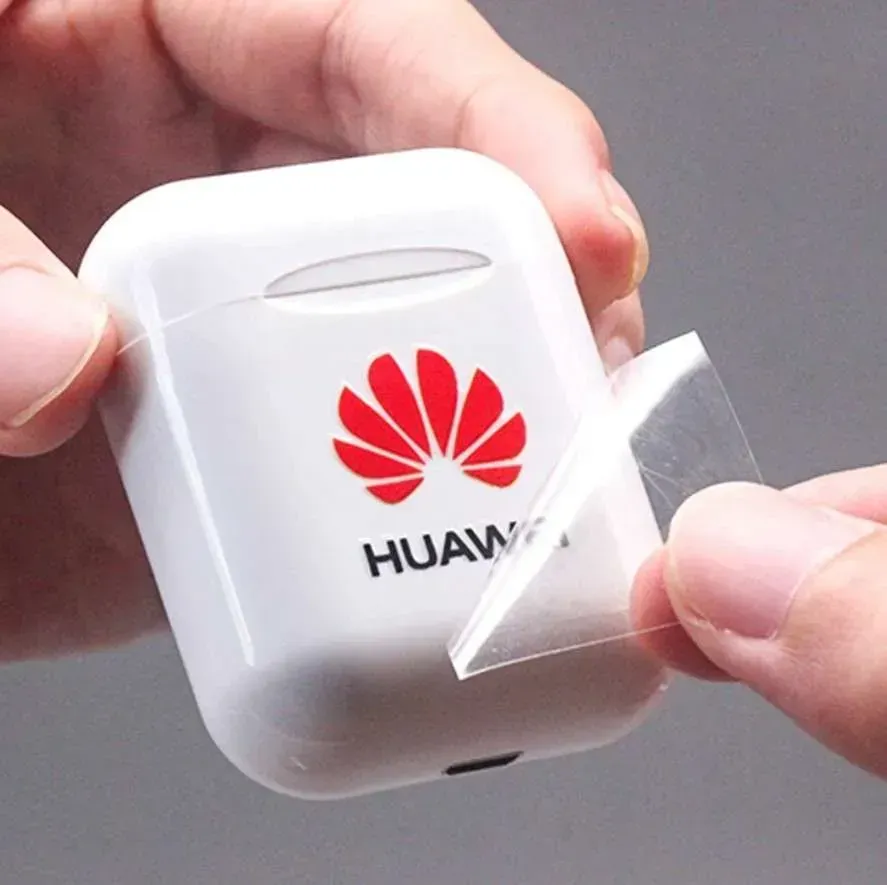
UV DTF, or Ultraviolet Direct-to-Film printing, is revolutionizing the printing industry by combining cutting-edge UV printing technology with the efficiency of direct-to-film techniques. This innovative approach allows for exceptional print quality and versatility, making it a preferred choice for businesses seeking custom printing solutions across various materials. As consumer demand for high-quality and durable products grows, UV DTF stands out by providing vibrant colors and intricate details that traditional printing methods often struggle to achieve. With its ability to print on textiles, plastics, and even metals, UV DTF is redefining possibilities in the world of DTF technology. Discover how this exciting advancement is shaping the future of printing and meeting the evolving needs of diverse industries.
In the world of advanced printing solutions, the emergence of ultraviolet direct-to-film technology has become a game-changer, offering new pathways for customization and efficiency. As the printing landscape evolves, this state-of-the-art method integrates UV curing processes into traditional direct-to-film printing, resulting in vivid and durable outputs. Known for its adaptability, this technique caters to numerous applications, from fashion to promotional products, ensuring that businesses can meet consumer expectations for unique and high-quality designs. With an increasing focus on sustainable practices, UV DTF is also aligning with eco-friendly initiatives, further enhancing its appeal in the competitive printing arena. Explore the transformative impact of this technology in personalized merchandise and other sectors, and how it is setting new standards in print quality and efficiency.
What Sets UV DTF Apart from Other Printing Technologies
UV DTF (Ultraviolet Direct-to-Film) technology represents a significant leap forward in printing methodologies, distinguishing itself from traditional approaches such as screen printing and direct-to-garment (DTG) printing. One key aspect of UV DTF is its ability to print directly onto various substrates with incredible detail and vibrancy, thanks to the curing process that utilizes ultraviolet light. This capability enables businesses to deliver high-quality, precise designs on materials ranging from soft fabrics to rigid surfaces like metal and glass, thus broadening the scope of potential applications.
Another advantage of UV DTF lies in its efficiency and cost-effectiveness. The elimination of transfer paper in the printing process not only speeds up production times but also reduces material costs for businesses. By curing inks in real-time with UV light, the technology minimizes the risk of smudging or misalignment, ensuring a cleaner finish compared to other technologies that rely on transfer methods to achieve similar outcomes. This combination of quality and efficiency gives UV DTF a competitive edge in the fast-paced printing industry.
Exploring the Versatility of UV DTF Printing
One of the most compelling features of UV DTF printing is its exceptional versatility. Unlike traditional printing methods that often struggle with specific materials, UV DTF effortlessly adapts to a wide array of substrates. Whether it’s printing custom designs on textiles, promotional products, or industrial labels, the technology excels across multiple domains. This adaptability not only caters to diverse customer needs but also positions UV DTF as an indispensable tool for businesses looking to expand their product offerings.
The versatility of UV DTF is further illustrated in the fashion industry, where designers are harnessing this technology to create tailored prints that meet consumer trends for personalization and unique designs. By accommodating short-run productions, UV DTF allows brands to experiment with diverse applications while responding swiftly to market demands. This flexibility not only enhances creative possibilities but also reinforces the growing trend towards customization in the printing sector.
The Eco-Friendly Aspect of UV DTF Printing
In today’s environmentally conscious world, UV DTF printing stands out with its commitment to sustainability. The UV-cured inks used in this process are formulated to reduce harmful emissions compared to traditional solvent-based inks, aligning with eco-friendly initiatives across the printing industry. This pursuit of greener technologies resonates with consumers and businesses alike, fostering a responsible approach to production without sacrificing quality.
Moreover, the efficient use of resources inherent in UV DTF technology contributes to minimizing waste. The absence of transfer materials not only reduces unnecessary consumption but also leads to a more streamlined workflow, conserving energy and materials during the production process. By prioritizing sustainability, UV DTF not only meets regulatory standards but also appeals to a growing market segment that values eco-efficient practices.
Enhancements in UV DTF Technology: What to Expect
The UV DTF landscape is continually evolving, with ongoing enhancements paving the way for higher efficiency and quality. Manufacturers are implementing cutting-edge technology to design faster printers with improved curing systems, which significantly magnifies both printing speed and output quality. These advancements are crucial as they allow businesses, especially small to medium-sized enterprises, to adopt UV DTF solutions that were previously out of reach due to cost or complexity.
Furthermore, as the market for UV DTF expands, developments in ink formulations are also on the rise. Enhanced inks not only improve adhesion to various substrates but also offer a wider palette of color options, allowing for more creative freedom in custom printing projects. As technology progresses, we can anticipate more innovations that will establish UV DTF as a dominant player in the printing industry.
The Future of Custom Printing Solutions with UV DTF
UV DTF technology is rapidly redefining the landscape of custom printing solutions, aptly fitting the modern consumer's appetite for personalized products. As demand for unique and tailored merchandise grows, UV DTF excels by providing a robust solution for short-run productions and quick turnarounds. Businesses can easily pivot to meet customer preferences without significant upfront investments in inventory, thus facilitating a more agile production model.
Moreover, the growing emphasis on customization through UV DTF is enabling companies to enhance customer engagement. By offering personalized items, brands cultivate deeper connections with their audiences, which is crucial in today’s competitive market. This focus on consumer-centric solutions aligns seamlessly with both current trends and future directions within the printing industry, indicating that UV DTF will play an integral role in shaping the future of custom printing.
Understanding the Applications of UV DTF Printing
The applications of UV DTF printing are impressively diverse, extending far beyond apparel to encompass various sectors such as home decor, industrial marking, and promotional products. In the fashion industry, for instance, designers are utilizing UV DTF to create bespoke prints that cater to niche markets while maintaining high standards of durability and detail. This technology allows for quick adaptations to seasonal trends and provides brands with a competitive edge in a saturated marketplace.
Additionally, UV DTF technology excels in the home decor segment, where its ability to produce stunning artwork and unique personalized gifts is gaining significant traction. Customers are increasingly seeking distinctive home accents that reflect their styles, and UV DTF enables businesses to meet these demands efficiently. By harnessing the capabilities of UV DTF, companies can explore new avenues for innovation and market expansion across multiple applications.
Frequently Asked Questions
What is UV DTF and how does it enhance direct-to-film printing?
UV DTF, or Ultraviolet Direct-to-Film printing, is an innovative printing technology that merges UV printing techniques with direct-to-film (DTF) processes. This method allows for high-resolution, vibrant prints on a variety of materials, significantly improving quality and efficiency in the printing industry.
What are the benefits of using UV DTF in custom printing solutions?
The benefits of UV DTF in custom printing solutions include versatility across different substrates, exceptional color vibrancy, durability against scratches and fading, eco-friendly ink formulations, and streamlined production processes. These advantages make UV DTF ideal for industries requiring high-quality, personalized prints.
How does the UV curing process work in UV DTF printing?
In UV DTF printing, designs are printed onto a specialized film using UV inks. When exposed to UV light, these inks instantly cure and adhere to the substrate, resulting in quick production times and high-quality prints without the need for transfer paper, making it a game-changer in the printing industry.
What materials can be printed using UV DTF technology?
UV DTF technology is known for its versatility and can print on a wide range of materials, including textiles, plastics, metals, glass, and more. This ability to print on various substrates opens countless applications in both fashion and promotional items, making it a valuable addition to custom printing solutions.
Why is UV DTF considered a sustainable option in the printing industry?
UV DTF is considered a sustainable option because it utilizes eco-friendly ink formulations that reduce harmful emissions during production. As businesses increasingly seek environmentally responsible manufacturing practices, UV DTF meets these demands while providing high-quality printing solutions.
How has UV DTF technology evolved in recent years?
Recently, UV DTF technology has seen significant advancements, including faster printers, improved curing systems, and ink optimizations. As a result, more businesses can adopt this efficient printing method, leading to increased market expansion and a rise in customized merchandise options.
| Key Points | Details |
|---|---|
| What is UV DTF? | A printing method combining direct-to-film printing with UV curing techniques for high-resolution prints on various materials. |
| Key Features | Versatility, vibrant colors, durability, eco-friendliness, and streamlined production are the main features of UV DTF. |
| Benefits | Offers quick production, minimal waste, superior graphic quality, and environmental responsibility. |
| Recent Developments | Technological innovations, market expansion, and increased opportunities for customization are emerging in UV DTF. |
| Applications | Fashion, home decor, industrial marking, and custom merchandise are key areas utilizing UV DTF. |
Summary
UV DTF printing has emerged as a revolutionary technology in the printing industry, offering versatile and high-quality solutions tailored to meet the demands of modern consumers. This innovative method integrates direct-to-film and UV curing techniques, allowing for stunning graphics and intricate designs on a diverse range of materials. With benefits such as enhanced durability and eco-friendliness, UV DTF stands out as a sustainable option for businesses looking to optimize their production processes. As advancements in technology continue to evolve, UV DTF is poised to redefine the landscape of customized printing, making it an essential choice for industries seeking efficiency and quality.