
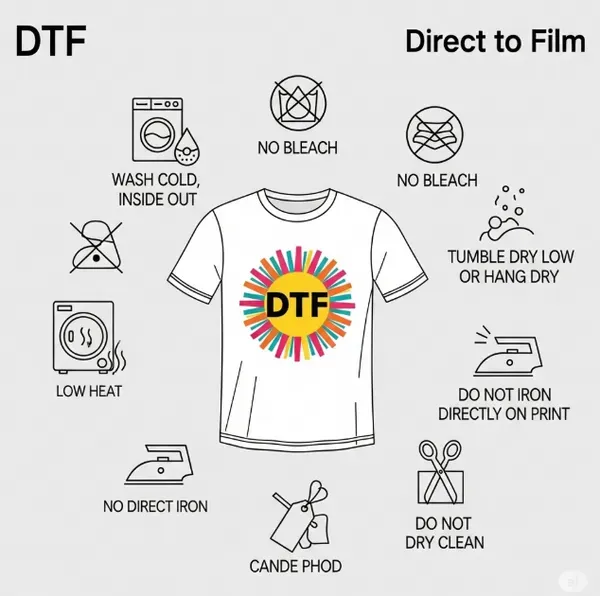
UV DTF transfer prints care is not just marketing hype—it's a practical approach that helps protect color, texture, and durability from the first wear. This guide walks you through DTF transfer printing care, including washing UV printed transfers, heat management, and gentle handling for long-lasting results. Understanding the durability of UV DTF prints and how to wash DTF transfers can save you time and money. By following gentle wash cycles, avoiding harsh chemicals, and turning garments inside out, you can maintain vibrancy across many washes. Whether you’re a hobbyist or running a small shop, these practices help preserve the look you love while keeping fabrics comfortable.
In plain terms, UV-curable digital textile transfers require a thoughtful care routine to stay vibrant and soft to the touch. Framing the topic this way aligns with LSI principles, describing care for UV-printed graphics on apparel, with emphasis on fabric compatibility, gentle washing, and controlled heat. Related terms you may encounter include UV DTF imagery maintenance, heat-setting considerations, and color-fast finishing for fabrics.
UV DTF transfer prints care: Essential Guidelines for Color Longevity and Durability
Maintaining the vibrancy of UV DTF transfer prints starts with a clear understanding of UV DTF transfer prints care. This approach combines careful washing, gentle handling, and controlled heat to preserve color, texture, and overall durability, ensuring the design remains vibrant after many wears. By prioritizing proper care, you can minimize edge cracking and color fade, extending the life of the print and the garment alike.
Durability of UV DTF prints hinges on how the print is cured, the fabric base, and the laundering routine you adopt. The right care strategy reduces stress on the transfer system, helping colors stay rich and edges sound. When you align washing, drying, and finishing steps with the transfer instructions, you’ll notice fewer issues over time and a clearer return on your investment in custom designs.
DTF transfer printing care: How Fabric Choice Impacts Longevity
DTF transfer printing care begins long before the wash cycle, starting with fabric selection and pre-wash planning. Different substrates—100% cotton, polyester blends, and elastane-containing blends—respond differently to moisture, heat, and friction. Recognizing these differences allows you to tailor your care plan so the print can adhere effectively and remain flexible under daily wear.
Pre-wash considerations, including removing sizing and testing edge adhesion, set the stage for lasting results. By checking fabric composition and performing gentle pre-wash when possible, you reduce dye migration and minimize shock to the transfer interface. Such preparation is a cornerstone of DTf transfer printing care and helps maintain print integrity over many washes.
Washing UV printed transfers: Temperature, Detergents, and Gentle Handling
Washing UV printed transfers should be done using cold to warm water (around 30°C/86°F) on a delicate cycle. This practice minimizes pigment wear, preserves adhesion, and reduces stress on the fabric. Selecting a mild, color-safe detergent further protects color integrity and helps maintain the print’s surface gloss and hand feel over time.
To prevent abrasion and edge lift, turn garments inside out before washing and avoid overloading the machine. Skip fabric softeners and heavy-duty products, and use minimal friction during the cycle. These measures are central to washing UV printed transfers and are designed to extend the garment’s life while preserving the visual impact of the print.
How to wash DTF transfers: Step-by-Step Washing Practices
How to wash DTF transfers effectively is about reducing agitation, heat, and chemical exposure. Start by turning the garment inside out, selecting a gentle cycle, cold water, and a mild detergent. Limiting exposure to harsh cleaners keeps colors vibrant and prevents the transfer from feeling stiff or cracking at the edges over time.
For stains, apply a small amount of mild detergent directly to the spot before washing, and gently work it in with a soft brush rather than scrubbing across the print. After washing, air drying is preferred, but if you must use a dryer, choose a low-heat setting and give the print ample space to dry. These practices exemplify careful care for DTF transfers and help maintain long-term durability.
Drying, Heat Management, and Finishing Tips for UV DTF Prints
Drying and heat management play a critical role in preserving the durability of UV DTF prints. Air drying flat or hanging away from direct sunlight minimizes heat exposure and helps the print cure evenly without risking edge cracking. This approach aligns with the broader UV DTF transfer prints care philosophy by prioritizing low-stress drying.
If a dryer is necessary, select a low-heat or delicate setting and avoid crowding items, which can cause heat concentration and uneven drying. When finishing, avoid direct contact with high temperatures and consider re-adhering any lifted edges with a heat press according to the transfer supplier’s guidelines. Thoughtful heat management supports ongoing color fidelity and print integrity.
Troubleshooting and FAQs for DTF Care: Cracks, Fading, and Lifting
Even with proper care, issues like edge cracking, fading, or peeling can occur. Cracking often results from excessive heat or aggressive washing; reducing drying temperatures and adopting gentle cycles can mitigate this. If minor cracking appears, re-adhering with a heat press following manufacturer instructions can restore the look without replacing the garment.
Common questions address how to wash DTF transfers, whether hand-washing offers real benefits, and how often to launder items with UV prints. Generally, hand-washing can be gentler, but a delicate machine cycle works well for many fabrics when you minimize agitation and heat. Always test fabrics first, follow transfer guidelines, and tailor care to the specific print and fabric to preserve durability.
Frequently Asked Questions
What is UV DTF transfer prints care and why does it matter for longevity?
UV DTF transfer prints care refers to the careful washing, drying, and handling practices that protect color, adhesion, and texture. Proper care—washing cold or at ~30°C on a gentle cycle, using a mild detergent, avoiding harsh chemicals, turning garments inside out, and air drying—helps prevent cracking and fading and extends the life of the print.
How does washing UV printed transfers fit into DTF transfer printing care?
Washing UV printed transfers is a core part of DTF transfer printing care. Use cold water (around 30°C), a gentle cycle, and a mild color-safe detergent; turn the garment inside out to reduce abrasion; avoid bleach and fabric softeners; air dry or tumble dry on low heat to maintain color and adhesion.
What steps in UV DTF transfer prints care help prevent cracking and fading?
Key steps include proper heat management and careful washing: wash in cold water, use a mild detergent, avoid harsh chemicals, turn garments inside out, skip fabric softeners, air dry when possible, and avoid direct sun or high heat that can stress the print.
Can you wash DTF transfers in a washing machine, and how to wash DTF transfers to maximize durability?
Yes, you can machine wash DTF transfers with a gentle cycle and cold water. Turn garments inside out, use a mild detergent, avoid bleach and fabric softeners, don’t overload the machine, and prefer air drying or a low-heat drying setting to keep the print durable.
What is the impact of heat on the durability of UV DTF prints and how to manage it in UV DTF transfer prints care?
Heat can cause cracking, fading, or edge lifting if not managed properly. Manage by air drying when possible, using a low-heat dryer setting, avoiding prolonged heat exposure, and following the transfer’s recommended heat pressing temperatures. If ironing is needed, use a protective cloth and low heat.
Which fabrics should you avoid to protect the durability of UV DTF prints in UV DTF transfer prints care?
Avoid highly absorbent or rough fabrics that wear prints faster. Always test a small area first, pre-wash to remove starches or sizing, and follow the transfer manufacturer’s guidance for the base fabric (e.g., cotton blends vs. polyester elastane blends) to optimize UV DTF transfer prints care.
| Aspect | Key Points | Practical Tips |
|---|---|---|
| What are UV DTF transfer prints care? | Care is essential to preserve color, texture, and durability; combines smart washing practices, heat management, and gentle handling. | Follow the guidelines below to keep designs vibrant. |
| Why care matters | UV DTF inks cure under UV light; durability depends on cure, fabric, and washing; harsh care can cause cracking, fading, or edges peeling from the fabric. | Use gentle washing and appropriate fabrics; avoid harsh chemicals and high heat. |
| Pre-wash considerations and fabric selection | Fabric blends behave differently; pre-wash minimizes dye transfer and removes starches/sizing that could interfere with adhesion; inspect print edges. | Pre-wash when possible; tailor washing to fabric base; inspect edges and handle gently. |
| Washing guidelines | Wash in cold to warm water (≈30°C/86°F) on a gentle/delicate cycle; use a mild, color-safe detergent; avoid bleach and heavy stain removers. | Don’t overload; turn garments inside out; use mild detergent; avoid fabric softeners and aggressive scrubbing on the print. |
| Drying and heat management | Air dry preferred; if using a dryer, choose low-heat or delicate settings; avoid direct sun and crowding. | Air dry when possible; if using a dryer, keep loads light and dry with low heat; give prints space to dry evenly. |
| Ironing, heat pressing, and finishing touches | Use indirect heat; place a thin protective cloth between the print and iron; follow transfer guidelines for heat pressing. | Always use a barrier and low heat; adhere to supplier’s recommended temps and times. |
| Longevity tips and best practices | Store garments properly; minimize wash frequency; wash heavy-print items separately; protect from abrasion. | Fold or hang in a cool, dark place; air out between uses; wash heavy-print items separately when feasible. |
| Common issues and troubleshooting | Cracking, fading, peeling, or gloss changes; fixes include gentler washing and re-adhering with heat press as needed. | Re-adhere edges with a heat press per transfer guidelines; switch to milder detergents if needed. |
| FAQs | Can you machine wash DTF transfers? Yes, with gentle cycle, cold water, and inside-out. Is hand-washing better? Can be gentler; test first. How often to wash? Wash only as needed. Can I iron directly on prints? Generally no; use barrier or low heat. Any fabrics to avoid? Test small area first and follow manufacturer guidance. | Follow manufacturer guidelines; test a small area first; avoid direct ironing on prints; use protective cloth as needed. |
Summary
UV DTF transfer prints care is a mindful practice that begins with gentle washing, careful drying, and thoughtful handling to preserve color, texture, and the overall durability of your designs. By tailoring routines to fabric type, following the transfer manufacturer’s guidelines, and avoiding harsh chemicals or high heat, you extend the life of your prints and keep them looking bold from the first wear to many future ones. With consistent, mindful care, your UV DTF designs will remain vibrant, flexible, and true to their original look—season after season.