
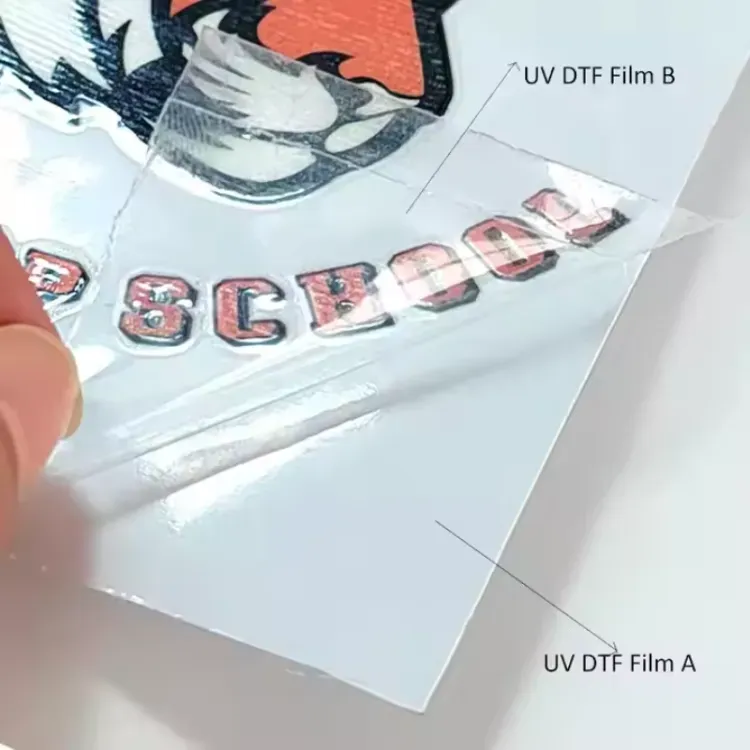
UV DTF transfer materials form the backbone of professional-grade prints, delivering vibrant color and reliable adhesion from the first pass. Choosing the right media and compatible inks is essential for consistent results. The right media, combined with a proper adhesive system, influences color accuracy and durability. A well-balanced workflow minimizes edge halos and ensures smooth handling across batches. This concise overview guides you toward material choices that consistently deliver high-quality results.
Beyond the exact products, the broader DTF workflow uses printing materials, transfer film, and UV-curable inks that work in harmony with an adhesive system. Optimizing heat press settings, including temperature, dwell time, and pressure, remains critical for clean transfers. UV curing for DTF prints can be part of the process when using UV-curable inks, helping to speed up production and improve durability. Testing on a range of fabrics ensures color management and edge-to-edge adhesion before large runs.
1. Understanding UV DTF Transfer Materials for Consistent Quality
UV DTF transfer materials form the backbone of a reliable transfer workflow, guiding the journey from printed image to a finished garment. The core stack includes UV DTF transfer paper or film, UV-curable inks, an adhesive system, and a protective finishing layer. Compatibility among these parts is critical: the paper must hold ink evenly, the inks must cure cleanly under UV exposure, and the adhesive must bond through repeated wear without cracking. When these components are aligned, you gain predictability in color fidelity, edge definition, and wash durability across batches. This is the foundation of using DTF transfer materials in professional workflows.
Understanding how each piece interacts—paper, inks, adhesive, and top coatings—helps you select a cohesive set rather than a collection of independent parts. This alignment reduces edge halos, minimizes ink bleed, and improves production efficiency, especially in high-volume runs. In practice, the right combination also supports faster setup times and more consistent results across diverse substrates.
2. Choosing UV DTF Transfer Paper and Inks for Bright, Durable Prints
Selecting UV DTF transfer paper and inks is a balancing act among color accuracy, durability, and cost. Look for transfer paper with consistent coat quality and ink holdout, and inks formulated for DTF that cure cleanly under your UV lamp. A solid pairing with a compatible adhesive yields crisp transfers on a range of fabrics. This is a core consideration when evaluating different DTF transfer materials for professional work.
Test across substrates—dark and light fabrics, cotton and blends, synthetics. A wider color gamut in professional DTF inks can deliver richer tones but may require precise color management, ICC profiling, and careful calibration of your printer, media, and light source. Emphasize UV-curable inks and their compatibility with your chosen paper to maintain vibrant results across runs.
3. Adhesive Systems, Finishing, and Release Films in DTF
Adhesive selection is a critical control point in the DTF process. Choose an adhesive system compatible with your transfer paper and fabric type; options include spray adhesives, slurry, or pre-coated films. Pair the adhesive with a release film that resists heat and solvent migration, ensuring clean transfer and minimal residue. The adhesive you select is a key link in the DTF transfer materials chain and directly affects wash-fastness and edge durability.
Finish layers and post-processing matter just as much as ink and paper. A protective top coat or lamination can improve abrasion resistance, while a controlled post-press cure helps set the adhesive for lasting performance. If your workflow uses UV curing for DTF prints, ensure the finishing layer is compatible with that curing step to maximize durability on fabrics and hard substrates alike.
4. DTF Heat Press Settings: Temperature, Time, and Pressure for Best Results
Getting the heat-press conditions right is where many transfers succeed or fail. DTF heat press settings typically fall within moderate to high heat ranges, commonly around 300–350°F (150–175°C), but exact numbers depend on the adhesive system and fabric type. Start with the manufacturer’s guidelines and perform a small test to dial in temperature, time (about 10–20 seconds), and uniform pressure that yields even transfer without scorching.
Pre-press steps to remove moisture can boost adhesion, and a gentle post-press or cooldown helps set the adhesive fully. Use consistent pressure across the platen and verify results on both white and dark fabrics. Document each parameter set as part of your standard operating procedure to ensure repeatability across operators and jobs, which is essential in a professional DTF workflow.
5. Quality Control and Color Management in UV DTF Workflows
Quality control frames the outcome of your UV DTF workflow. Implement a color-managed pipeline with ICC profiles for your printer, transfer paper, and ink set, and calibrate your monitor to the print output. Track color vibrancy, edge sharpness, and smooth gradations across test swatches to maintain consistency across runs. A disciplined color management approach reduces variance and helps you meet client expectations.
Beyond color, perform wash tests, check for ghosting and halos, and document your settings. A standard test sheet with primary colors and gradients helps you quickly flag issues. For durability, verify that UV curing for DTF prints and the adhesive hold up after multiple cycles and laundering conditions, and adjust profiles or curing steps as needed to keep output consistent.
6. Storage, Handling, and Longevity of UV DTF Transfer Materials
Proper storage preserves both media and inks. Keep UV DTF transfer paper and films in a cool, dry place away from direct sunlight, with sealed containers for inks and solvents to minimize exposure. Store adhesive systems in moisture-controlled environments to prevent clumping or performance loss. Well-managed storage is a practical pillar of maintaining the integrity of DTF transfer materials over time.
Implement a rotation and lifecycle management plan to avoid expired materials. Label batches with manufacture dates and recommended shelf life, and retrain staff on handling to prevent contamination. Regularly audit inventory to reduce waste and ensure you always have peak-performing UV DTF transfer materials on hand for your next production run.
Frequently Asked Questions
What are UV DTF transfer materials and why are they important for professional DTF prints?
UV DTF transfer materials are the core components used to print and transfer images: UV DTF transfer paper or film, UV-curable inks, an adhesive system, and a finishing layer. Using well‑matched UV DTF transfer materials ensures vibrant color, sharp detail, and durable, repeatable results in professional DTF prints.
How do I choose the right UV DTF transfer paper for different fabrics?
When selecting UV DTF transfer paper or film, choose media designed for white or dark fabrics and check ink holdout, coating quality, and adhesive compatibility with your substrate. Also consider wash durability and edge quality to avoid halos or peeling.
What role do professional DTF inks play in UV curing for DTF prints?
Professional DTF inks, especially UV-curable inks, provide strong color density and a wide color gamut. They cure quickly under UV light and must be compatible with your UV DTF transfer material and adhesive to maintain durability and color fidelity across runs.
What heat press settings should I use for UV DTF transfers?
For UV DTF transfers, start with standard DTF heat press settings: about 300–350°F (150–175°C) for 10–20 seconds with even pressure. Pre-press to remove moisture and adjust time for fabric type and adhesive as needed.
How does UV curing for DTF prints fit into the workflow and what benefits does it bring?
UV curing for DTF prints speeds up production, reduces handling time, and can improve wash durability and color stability. Integrate UV curing after printing when using UV-curable inks and ensure the finishing layer is compatible with the cure process.
What common mistakes should I avoid with UV DTF transfer materials?
Avoid using mismatched UV DTF transfer materials, skipping pre-press, or over-/under-curing inks, and rushing production. Always verify compatibility between UV DTF transfer paper, inks, adhesive, and heat‑press settings, and run a small test sheet first.
| Aspect | Summary |
|---|---|
| What UV DTF transfer materials are | Components used to print onto transfer film/film and apply to fabrics or substrates; require compatibility between layers for clean transfers. |
| Core components | UV DTF transfer paper or film, UV-curable inks, adhesive system, protective finish/release film, and finishing tools for heat pressing. |
| Why they’re popular | Offer color vibrancy, durability, consistency across runs, faster production cycles, and substrate versatility (textiles and some hard surfaces). |
| Choosing the right paper and inks | Aim for compatibility with inks and adhesive, consider ink density and color gamut, surface compatibility with fabrics/substrates, and wash/durability performance. |
| Heat press settings | Typical range: 300–350°F (150–175°C); dwell 10–20 seconds; apply even medium pressure; include pre-press and post-press steps as needed for best adhesion. |
| Quality control and testing | Use test sheets, ICC color profiles, washing tests, check for ghosting/edge halos, and document process settings for consistency. |
| Storage & handling | Store materials in cool, dry conditions away from direct sunlight; seal inks; maintain clean environments for adhesives to preserve performance. |
| Common mistakes | Mismatched components, skipped/poor pre-press, incorrect curing, and rushing production without adequate testing or color management. |
Summary
Conclusion: UV DTF transfer materials unlock the potential for vibrant, durable, and efficient professional-grade prints. By selecting compatible UV DTF transfer paper, inks, and adhesive systems, and by tuning heat press settings, you can achieve consistent results across fabrics and substrates. A data-driven workflow with color management, testing, and ongoing quality checks helps ensure your UV DTF transfers meet customer expectations. Whether you’re printing apparel, promotional items, or custom gifts, investing in high-quality UV DTF transfer materials pays off in print quality and production reliability.