
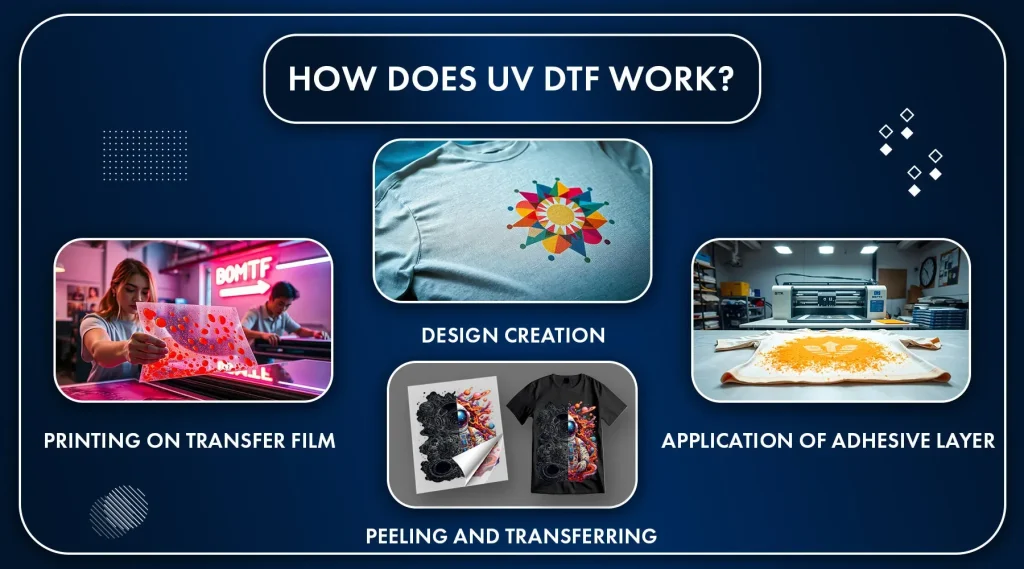
UV DTF transfer technology combines vivid color capabilities with durable, non-toxic inks to produce flexible prints on a variety of fabrics and surfaces. When you invest in UV DTF systems, DTF transfer maintenance isn’t just a recommended practice—it’s essential for maximizing print lifespan and preserving color accuracy over time. This guide dives into maintenance hacks designed for print lifespan extension, helping you keep colors sharp, adhesives strong, and fabrics feeling like-new after repeated washes. Whether you’re printing on cotton, blends, or synthetics, the core ideas stay the same: proactive care, proper curing, and smart DTF transfer care. Pair these UV DTF printing tips with regular DTF print cleaning tips to keep every run consistent.
In other terms, this technique relies on UV-curable inks combined with a heat-activated adhesive to create durable graphics on textiles and hard surfaces. The focus remains on sustaining image fidelity over time, addressing durability, proper curing, and post-print handling. To optimize outcomes, operators should consider substrate compatibility, pretreatment options, and routine calibration—core concepts that map to DTF transfer upkeep and consistent results. Viewed as a modern garment transfer workflow, it requires selecting the right fabric, adhesive system, and curing conditions to keep the design vivid after multiple washes.
Daily care and machine hygiene for UV DTF transfer systems
Daily upkeep starts with a clean workspace and a spotless transfer platen. Regular dust control and a lint-free wipe of the platen, pinch rollers, and any optical sensors help prevent micro scratches that dull color over time. This is a core part of DTF transfer maintenance and sets the stage for consistent results across batches.
Inspect transfer sheets before loading to catch contaminants on the film or substrate that can affect adhesion and cure quality. A quick visual check, followed by a light wipe if needed, supports reliable adhesion and stabilizes color during the print path, tying into DTF transfer care and DTF print cleaning tips.
Keep the printer and dryer path clear by vacuuming or brushing away debris from the print head housing, capping stations, and ink lines. Regularly check seals and gaskets for wear so air streams don’t pull in dust that can settle on the print as it cures, helping extend the life of UV DTF transfers.
Optimizing curing for longevity and color stability
Calibrate the curing setup by adjusting the distance from the UV lamp to the substrate and setting the lamp intensity. Correct cure depth and polymerization directly influence color fidelity and durability, while under curing risks cracking and fading after washing.
Follow manufacturer recommended cure times and run test prints to verify full set without scorching the fabric. Document the results and iterate settings to achieve true print lifespan extension for typical substrates.
Monitor UV lamp age and schedule replacements before performance drops. Tracking lamp hours helps prevent under curing and keeps UV DTF prints flexible and durable over time.
Substrate compatibility and ink care for durable DTF transfers
Match inks and the adhesive layer to the substrate. Cotton and blends behave differently than synthetics, so selecting inks and adhesives that suit the fabric improves wash durability and prevents edge wear.
Consider pretreatment where necessary. Proper pretreatments can dramatically extend print lifespan and maintain color vibrancy, reducing the need for reprints due to adhesion or wash issues.
Handle with care after printing and curing. Allow transfers to cool fully before removing pressure to avoid micro-scratches, and store prints in a way that protects the surface from dust and impact.
Storage and handling of transfer sheets to preserve adhesion
Store transfer sheets in a cool, dry place away from direct sun. UV exposure and heat can cause inks to dry unevenly or adhesion to weaken, affecting consistency between batches.
Use protective covers or sleeves to shield films from dust and humidity when not in use. Organize by batch and exposure date and label key parameters to support repeatability.
Keep an orderly workflow by tagging sheets with substrate type and print settings so teams can reproduce results and minimize waste across runs.
Troubleshooting issues that affect print lifespan and durability
Fading colors after washing often point to cure depth or wash conditions. Check cure depth, washer temperature, and drying method, then adjust cure time and verify the chosen substrate is compatible.
Cracking or peeling on flex areas can indicate improper curing or substrate strain. Revisit cure settings, ensure the garment isn’t stretched during cure, and confirm the adhesive works with the fabric’s stretch.
White edge halos around graphics may result from improper layering or misalignment. Recheck alignment, ensure even adhesive distribution, and validate transfer order for clean edges.
Best practices for extending print lifespan and repeatable results
Invest in high quality substrates and compatible adhesives. The longevity of a UV DTF transfer hinges on the interaction between ink, adhesive, and fabric, so component quality pays off in longer lasting results.
Optimize washing and drying routines. Use mild detergents and cold to warm cycles to preserve colors, and avoid harsh solvents or bleach that can degrade prints.
Establish a preventive maintenance plan and keep test swatches. Regularly clean optical sensors, calibrate color profiles, and document parameters so you can reproduce successful results batch after batch.
Frequently Asked Questions
What is UV DTF transfer and why is DTF transfer maintenance essential for performance?
UV DTF transfer uses UV-curable inks and a thermally activated adhesive to bond images to fabrics and surfaces. DTF transfer maintenance is essential to preserve color accuracy, adhesion, and durability, which directly impacts print lifespan extension and long-term performance.
What are some UV DTF printing tips to optimize curing and maximize print lifespan?
Follow UV DTF printing tips such as calibrating lamp distance and intensity, using manufacturer-recommended cure times, and testing on representative substrates. Regularly monitoring lamp age and avoiding over- or under-curing helps with print lifespan extension and keeps color vibrant.
What daily DTF transfer care steps should I follow to keep UV DTF transfer prints looking their best?
Practice DTF transfer care daily by cleaning the printing surface, platen, and sensors with a lint-free cloth dampened with isopropyl alcohol; inspect transfer sheets before loading; and keep the print path free of debris to prevent defects and wear.
What are DTF print cleaning tips to maintain color and adhesion on UV DTF transfers?
DTF print cleaning tips include wiping the transfer film after use, avoiding harsh solvents that can degrade adhesive, and storing films with lids or sleeves to prevent dust and moisture from contaminating the adhesive layer.
How should I store DTF transfer sheets to maximize UV DTF transfer durability?
Store sheets in a cool, dry place away from direct sunlight and dust. Use protective covers and organize by batch to reduce contamination and ensure consistent adhesion across prints—an important part of DTF transfer maintenance.
What common issues affect UV DTF transfer print life and how can I troubleshoot using maintenance practices?
Common issues include fading colors after washing, cracking, or white halos. Troubleshoot by confirming cure depth and lamp performance, ensuring fabric stretch is managed during curing, and rechecking alignment and adhesive compatibility; applying UV DTF printing tips and routine maintenance for print lifespan extension helps keep projects durable.
| Topic | Key Points |
|---|---|
| Understanding UV DTF Transfer and Maintenance |
|
| Daily care and machine hygiene |
|
| Optimizing curing for longevity |
|
| Substrate compatibility and ink care |
|
| Storage and handling of transfer sheets |
|
| Troubleshooting common issues that affect print lifespan |
|
| Best practices for extending print lifespan |
|
Summary
Conclusion