
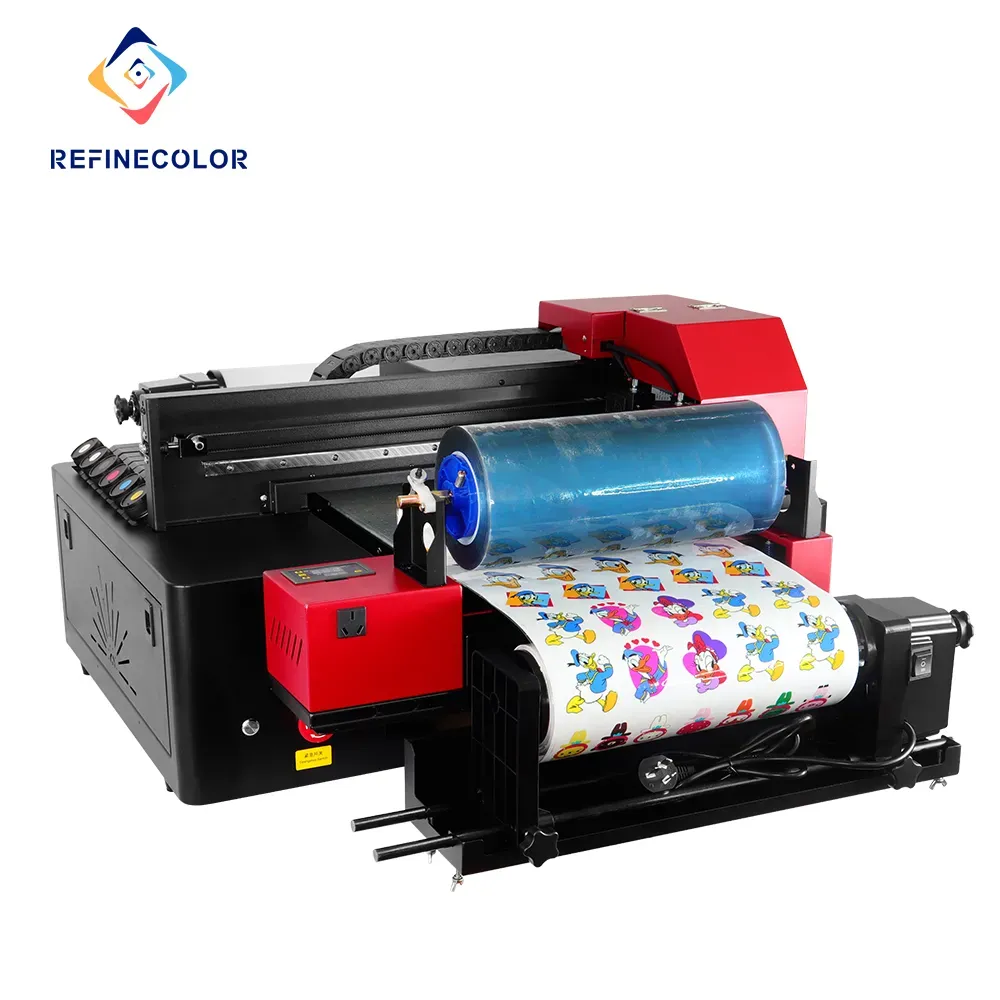
UV DTF, or Ultra Violet Direct-to-Film printing, is a groundbreaking advancement in print technology that has quickly become a favorite among businesses and creatives seeking versatile custom printing solutions. This method uniquely employs ultraviolet light to cure inks instantly, producing sharp and vibrant prints on a diverse range of surfaces, from textiles to hard materials. As we delve into the various printing methods comparison, UV DTF stands out for its seamless balance of speed, quality, and adaptability—especially when contrasted with traditional techniques like screen printing and Direct-to-Garment (DTG) printing. In this introductory post, we will examine the plethora of benefits UV DTF offers, as well as highlight its impressive capabilities that are redefining custom printing techniques. Prepare to discover how this innovative approach is reshaping the future of print and enabling endless creative possibilities.
Known for its impressive efficiency and exceptional output quality, UV DTF printing serves as a modern alternative to older techniques like screen printing and digital fabric printing. By utilizing ultraviolet light, this innovative process allows for quick curing and vibrant print results, making it a preferred choice for businesses looking to elevate their branding and merchandise offerings. As we explore various printing technology methodologies, UV DTF proves to be a versatile tool, adapting easily to different materials and design requirements. This overview will discuss how UV DTF compares with historical printing methods and the exciting potential it holds for customizing products across various industries. Join us as we dive into the realm of ultraviolet printing technology and discover its endless possibilities.
Understanding UV DTF Printing Technology
UV DTF printing stands at the forefront of modern printing technologies, blending innovation with versatility. Utilizing ultraviolet light to cure ink, this method enables the creation of vibrant and striking prints across a wide array of surfaces, from textiles to metals. This technology utilizes specialized films for a controlled and precise printing experience, ensuring that colors pop and details remain sharp. For small businesses and individual creators, the ability to produce high-quality graphics easily makes UV DTF an attractive option.
With compact devices like the eufyMake UV Printer E1 on the market, the landscape of personal printing has changed dramatically. These printers not only provide high-quality output but also redefine convenience, being more accessible to everyday consumers. This shift opens doors for creativity, allowing users to experiment with designs and materials they might not have previously considered.
The Advantages of UV DTF Over Traditional Printing Methods
When comparing UV DTF printing to traditional methods such as screen printing or Direct-to-Garment (DTG) printing, several advantages emerge. One major benefit is the print quality and durability that UV DTF provides. The instant curing process ensures that the ink bonds effectively with the surface, resulting in prints that are both vibrant and long-lasting. Traditional methods often struggle with ink adhesion, especially on non-cotton fabrics or rigid surfaces, making UV DTF the superior choice for diverse applications.
Moreover, the speed of production with UV DTF printing is unmatched. Unlike screen printing, which involves multiple steps and longer drying times, UV DTF can produce intricate designs faster and with less waiting. For businesses that prioritize quick turnaround times, this technology offers a significant competitive edge, allowing them to meet customer demands without compromising quality.
Comparison between UV DTF and Screen Printing
Screen printing has been a staple in the industry for years, known for its durability and affordability in bulk production. However, when compared to UV DTF, several limitations become apparent. Screen printing primarily relies on large runs of similar designs, making it less ideal for customized or small-batch orders. In contrast, UV DTF printing shines in its ability to handle one-off designs without significant cost increases, effectively catering to demand for personalized products.
Additionally, UV DTF outperforms screen printing in terms of material compatibility. While screen printing is often restricted to specific fabric types, UV DTF can be utilized on a diverse array of materials, including hard surfaces like plastics, metals, and even wood. This adaptability allows businesses to explore new product lines and markets, leveraging their printing capabilities beyond the limitations of traditional methods.
Exploring Custom Printing Techniques
The flexibility of UV DTF technology opens up a world of possibilities in custom printing techniques. Businesses can tailor their products like never before, creating unique offerings that stand out in the marketplace. With features for customization, such as attachments for cylindrical objects, printers can produce everything from personalized mugs to intricate labels, enhancing the creative potential across diverse industries.
Furthermore, the introduction of additional printing techniques within the UV DTF realm, like rotary printing and lamination, enhances the quality and durability of printed products. These techniques provide the ability to add textures and effects that elevate designs beyond standard flat prints, making every creation a potential masterpiece.
The Role of 3D Texture UV Printers in Modern Printing
The rise of personal 3D-texture UV printers, such as the eufyMake UV Printer E1, have reshaped the printing industry. These devices bring a unique element to custom printing by allowing creators to incorporate tactile features directly into their designs. By producing prints with depth and dimension, users can explore new creative avenues, ensuring their products are not only visually appealing but also engaging to the touch.
This technology fosters a new generation of designers and entrepreneurs who can leverage 3D effects to differentiate their products in a crowded market. With the capability to create intricate textures, businesses can cater to niche segments that seek innovative and tactile experiences, ultimately driving demand and customer satisfaction.
Environmental Impact and Sustainability of UV DTF Printing
As environmental awareness grows, the printing industry is evolving to meet sustainable practices. UV DTF printing stands out with its reduced volatile organic compounds (VOCs), ensuring a less harmful impact on the environment compared to traditional solvent-based printing methods. This eco-friendly approach is gaining traction among consumers who prioritize sustainability in their purchasing decisions, making UV DTF an appealing choice for responsible business practices.
Moreover, the advent of biodegradable inks is beginning to make waves in the UV printing space, further enhancing its sustainability profile. This innovation allows businesses to not only meet customer demands for eco-conscious products but also align with regulatory standards focused on reducing environmental footprints. Future developments in UV DTF printing technologies promise to bolster these efforts, making sustainability a core tenet of the printing industry.
Frequently Asked Questions
What is UV DTF printing and how does it differ from other printing methods?
UV DTF printing, or Ultra-Violet Direct-to-Film printing, is a modern printing technique that uses UV light to cure ink applied to a specialized film. Unlike traditional methods such as screen printing or DTG (Direct-to-Garment) printing, UV DTF offers faster drying times, enhanced durability, and wider material compatibility, making it suitable for a variety of surfaces including metals, plastics, and fabrics.
How does UV DTF compare to screen printing for custom print jobs?
When comparing UV DTF printing to screen printing, UV DTF generally provides quicker turnaround times due to its instant cure process. Additionally, UV DTF produces vibrant and durable prints without extensive setup, making it ideal for custom printing jobs that require speed and flexibility.
What are the environmental benefits of using UV DTF printing over traditional methods?
UV DTF printing utilizes inks that often emit fewer volatile organic compounds (VOCs) compared to solvent-based inks commonly used in traditional methods like screen printing. This makes UV DTF an environmentally friendly option, aligning with sustainability goals while delivering high-quality prints.
Can UV DTF printing produce textured designs unlike DTG or screen printing?
Yes, UV DTF printing is capable of creating 3D textures that are difficult to achieve with DTG or screen printing. This is largely due to the ability of UV DTF to print in layers, allowing for enhanced creativity and depth in custom designs.
What types of products can benefit from UV DTF printing technology?
UV DTF printing technology is incredibly versatile and can be used on a wide range of products including clothing, promotional items, and personalized gifts. Its compatibility with various materials makes it ideal for custom printing applications across multiple industries.
Is UV DTF printing suitable for small businesses looking to expand their printing capabilities?
Absolutely! UV DTF printing is increasingly accessible to small businesses thanks to compact and user-friendly printers like the eufyMake UV Printer E1. This technology allows small enterprises to create unique custom designs, enhancing their offerings and helping them stand out in competitive markets.
| Key Points | UV DTF Printing | Traditional Methods |
|---|---|---|
| Overview of Technology | Utilizes UV light to cure ink on film; versatile for custom applications. | Includes methods like screen printing and DTG, which have more limitations. |
| Recent Innovations | Personal 3D-texture UV printers like eufyMake are compact and user-friendly. | Less focus on innovation and versatility. |
| Speed and Quality | Faster turnaround times; instant ink curing reduces production time. | Slower processes compared to UV DTF due to manual setups. |
| Durability and Versatility | More durable prints; compatible with many materials including fabrics, metals, and plastics. | Limited material compatibility and often less durable results. |
| Environmental Impact | Produces fewer VOCs; more sustainable options available. | Solvent-based inks may have higher environmental impacts. |
| Creative Possibilities | Allows for intricate designs and enhanced texturing options. | Restricted by traditional limitations in design capabilities. |
Summary
UV DTF printing represents a groundbreaking advancement in the printing industry, merging convenience with high-quality output. This innovative technology not only enhances the versatility and durability of prints on various materials but also allows businesses to explore creative avenues that were previously limited by traditional methods. The rapid production times and environmental benefits offered by UV DTF make it an attractive choice for both small businesses and established companies. As this dynamic field continues to evolve, embracing UV DTF technology could very well become essential for staying competitive in a fast-paced market, ensuring that businesses can meet diverse customer demands effectively.

