
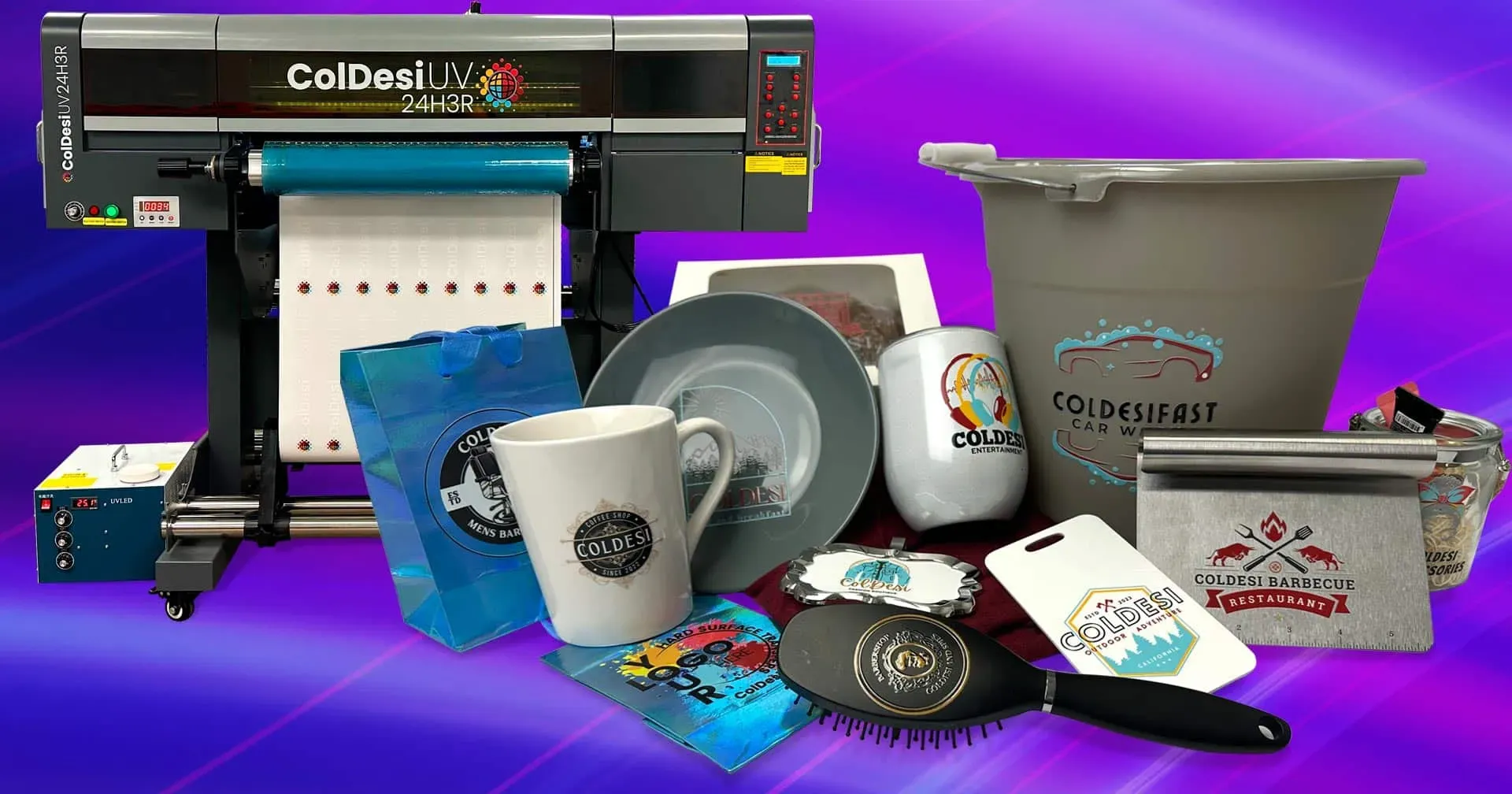
UV DTF printing, or Ultra-Violet Direct-to-Film printing, is revolutionizing the way designs are transferred onto various surfaces, merging the versatility of DTF printing with advanced UV curing technologies. This innovative process allows for the creation of stunning, high-quality prints that adhere seamlessly to an array of materials—be it fabric, plastic, or metal—making it ideal for garment decoration techniques and promotional items. As businesses and creators increasingly adopt UV printing techniques, this method ensures not only vibrant colors but also exceptional durability in their outputs. The emergence of home-based printing capabilities further empowers entrepreneurs to harness this technology for customized applications straight from their own creative spaces. With the advent of cutting-edge 3D UV printers, UV DTF printing presents ample opportunities for artists and small business owners alike to explore new frontiers in the world of printing.
When discussing UV DTF printing, we often touch upon its innovative intersection of direct-to-film and UV curing methodologies. This advanced printing approach, also recognized as Ultra-Violet Direct-to-Film technology, opens up exciting avenues for product personalization and high-definition printing. In recent years, the popularity of this method has surged, especially in home-based environments, encouraging creators to dive into the world of printing without significant initial investments. Identified as a leading trend in garment decoration and other applications, this technique harnesses unique printing capabilities that cater to a diverse range of surfaces. As the industry evolves, those engaged in printing now have access to groundbreaking equipment that transforms traditional printing paradigms, offering both flexibility and incredible design possibilities.
Understanding the Basics of UV DTF Printing
UV DTF printing is a revolutionary approach that merges traditional direct-to-film techniques with cutting-edge ultraviolet curing methods. This fusion enables the printing of vibrant, long-lasting designs on various surfaces, such as textiles, plastics, and metals, making it highly versatile in the printing industry. Unlike conventional printing methods, UV DTF allows for detailed imagery and rich color application, ensuring that even intricate designs can be replicated flawlessly.
This innovative technique addresses several challenges faced by traditional printing methods, particularly in terms of adhesion and durability. UV DTF prints are not only resistant to fading and scratching but also maintain their quality over extended periods. As such, businesses are increasingly turning to this technology to meet customer demands for high-quality, long-lasting products.
Recent Innovations in UV DTF Technology
The printing industry has witnessed remarkable advancements with the introduction of technologies like the 3D-texture UV printer. This printer, aimed at consumers, includes a unique Rotary Printing Attachment which allows it to print on both cone-shaped items and flat surfaces with precision. Such innovations enable independent artists and small businesses to produce highly customized items, catering to unique market needs while providing a competitive edge.
Additionally, the integration of UV DTF lamination machinery into these systems simplifies the production of stickers and promotional materials. This advancement is pivotal for small business owners, as it streamlines the process of creating professional-quality prints without the need for expensive or bulky equipment, thus enhancing accessibility within the market.
Shifts in the DTF Printing Market
There is a noticeable trend towards home-based DTF printing setups, especially due to the rise in home entrepreneurship. This shift is largely spurred by the availability of efficient and affordable printers like the Procolored Printer P13, which offers an ideal solution for those looking to establish their own printing business from home. Such devices bring professional-grade quality to the fingertips of aspiring entrepreneurs, opening up new avenues for creativity and earning potential.
As individuals seek to combine work and passion, DTF printing provides an attractive pathway to turn creative ideas into profitable ventures. This boom in home-based printing technologies highlights the growing demand for personalized and customized products, as consumers increasingly favor unique items over mass-produced alternatives.
Growth Prospects for UV DTF Printing
Market analysis projects significant growth for the UV DTF printing sector between 2025 and 2030, driven by an increasing adoption of diverse DTF technologies and specialized film materials. Industries encompassing apparel decoration, packaging, and home décor are particularly poised to benefit from this growth. As businesses recognize the value of high-quality prints, they are motivated to invest in DTF equipment that aligns with their creative needs and operational efficiency.
The expanding demand for DTF solutions suggests an exciting future for print service providers. The accessibility of varied technologies allows businesses of all sizes to enter the market with robust tools that can adapt to changing consumer preferences, enabling them to thrive in a rapidly evolving landscape.
Revolutionizing Garment Decoration Techniques
UV DTF printing is at the forefront of transforming garment decoration, particularly with platforms that offer speedy production of personalized apparel. Solutions like Snuggle’s innovative DTF platform enable businesses to respond promptly to trends, offering a production model that is both flexible and cost-efficient. This responsiveness is critical in the fashion industry, where consumer demands for unique designs are ever-increasing.
Furthermore, the speed and efficiency of DTF printing allow businesses to create personalized items at scale, meeting consumer desires for customization without sacrificing quality. The ability to quickly adapt designs based on market trends can significantly enhance competitive advantage, making DTF printing an essential tool for apparel producers.
The Future of UV DTF Printing
As UV DTF printing technology continues to evolve, it holds promise for a future filled with possibilities for entrepreneurs and creatives alike. The integration of advanced features, such as better resolution and faster curing times, are expanding the potential applications across various industries. These advancements not only enhance usability but also increase the operational efficiency of print providers.
Moreover, evolving market trends suggest a continual rise in demand for customization and personalization, positions UV DTF printing as a critical player in satisfying these consumer needs. Businesses that stay informed about upcoming technologies and trends will be best equipped to capitalize on emerging opportunities, cementing their place at the forefront of the printing industry.
Frequently Asked Questions
What is UV DTF printing and how does it differ from traditional DTF printing?
UV DTF printing is an advanced printing technology that combines Direct-to-Film (DTF) printing with UV curing techniques. Unlike traditional DTF printing, which relies on heat transfer, UV DTF printing uses UV light to cure the ink, allowing for vibrant colors and durability on a variety of surfaces, including fabrics, plastics, and metals.
Can UV DTF printing be used for home-based printing businesses?
Yes, UV DTF printing is ideal for home-based printing businesses. With the advent of user-friendly machines like the Procolored Printer P13, aspiring entrepreneurs can produce high-quality prints from the comfort of their homes, tapping into the growing demand for personalized products.
What materials can be printed on using UV DTF technology?
UV DTF technology is versatile and can print on an array of materials such as textiles, plastics, metals, and more. This flexibility makes it suitable for various applications, including garment decoration and packaging.
What are the benefits of using a 3D UV printer in conjunction with DTF printing?
A 3D UV printer enhances DTF printing by enabling textured and dimensional designs. This capability allows for innovative printing on both flat and three-dimensional objects, expanding creative potential in product offerings.
How is UV DTF printing transforming garment decoration techniques?
UV DTF printing is revolutionizing garment decoration by providing faster and more adaptable options for creating personalized apparel. Technologies like Snuggle’s DTF platform allow businesses to quickly respond to fashion trends, ensuring they meet consumer demands for unique designs.
What are the market trends influencing the growth of UV DTF printing technologies?
The growth of UV DTF printing is being influenced by rising interest in home-based printing solutions, the demand for customized products, and advancements in technology. With increased accessibility and efficiency, businesses are now more equipped to leverage these innovative printing techniques.
| Category | Key Points |
|---|---|
| Introduction | UV DTF printing combines traditional DTF printing and UV curing for enhanced adhesion and vibrant colors. |
| Recent Developments | Introduction of the world’s first consumer 3D-texture UV printer with Rotary Printing Attachment and Laminating Machine. |
| Market Trends | Shift towards home-based DTF printing setups; affordable options like Procolored Printer P13 support small businesses. |
| Industry Growth Insights | Predicted substantial growth in UV DTF printing industry from 2025 to 2030 across apparel, packaging, and home décor. |
| Garment Decoration | UV DTF printing is transforming garment decoration with platforms that allow rapid production of personalized apparel. |
Summary
UV DTF printing represents a transformative innovation in the printing landscape, merging traditional DTF methods with advanced UV technologies. This combination enhances the durability and vibrancy of prints, offering creative professionals a broader array of surface applications. With the ongoing evolution of UV DTF printing, businesses can leverage new opportunities to cater to personalized demands in diverse markets, including fashion and packaging. As this technology becomes more accessible, it opens up exciting possibilities for entrepreneurs and artists, driving industry growth and fostering creativity across various sectors.