
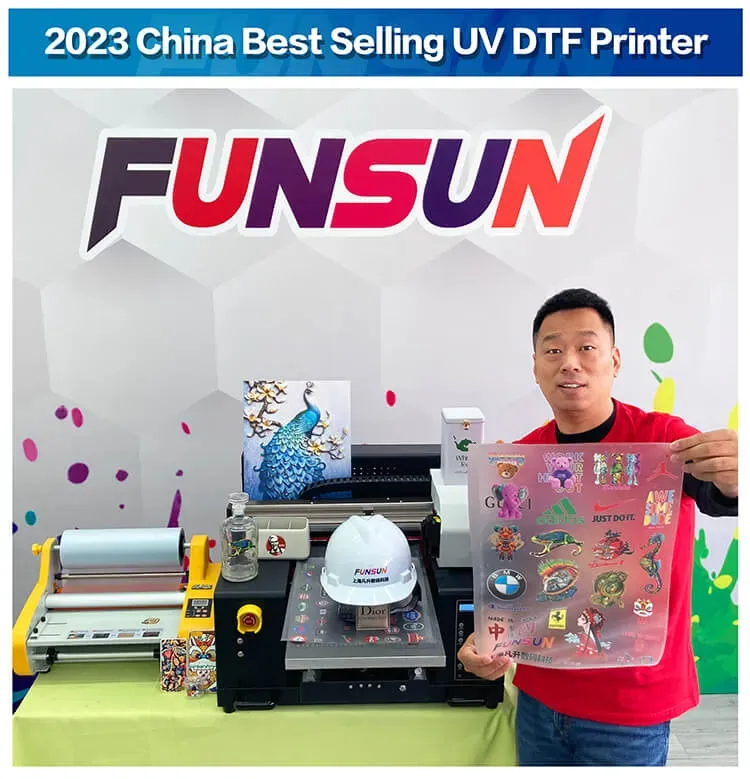
In the rapidly advancing realm of printing technology, **UV DTF printing** (Direct-to-Film) is carving out a niche that promises to challenge traditional printing methods profoundly. This revolutionary technique merges the benefits of ultraviolet printing with the efficiency of transfer printing, enabling high-quality outputs on a diverse range of surfaces. By leveraging **UV DTF technology**, businesses can achieve unmatched vibrancy and detail in their prints, often surpassing the performance of conventional methods. Additionally, the **advantages of UV DTF** include its speed, eco-friendliness, and versatility, making it a compelling choice for modern production needs. In this exploration, we will conduct print quality comparisons and evaluate the innovations introduced by companies like **Mimaki** to better understand the future of this exciting printing approach.
UV DTF printing, also known as direct-to-film UV printing, has emerged as a game-changer in the graphic reproduction industry, offering a vibrant and versatile alternative to more traditional processes. This innovative technology promises to elevate print quality standards while providing a quicker turnaround, making it increasingly popular among businesses seeking efficiency. When considering print solutions, many professionals are now turning to this technique not only for its striking color reproduction but also for its adaptability to various materials, including fabrics, plastics, and metals. The landscape of printing is swiftly shifting from old methods to this cutting-edge solution, highlighting the increasing importance of technology in meeting consumer demands. As we delve into the specifics, we will uncover how UV DTF stands out against older printing practices in both capabilities and performance.
Understanding UV DTF Printing and Its Mechanism
UV DTF printing, or Direct-to-Film printing, is an advanced technique that employs ultraviolet light to cure inks directly onto a specialized film. This process facilitates high-quality color application that maintains vibrancy and detail, making it a competitive option against traditional printing methods. Unlike screen printing or offset printing, which typically require lengthy setup times and significant materials for production, UV DTF streamlines this process by allowing rapid transitions between designs without the need for an extensive pre-treatment phase.
One standout feature of UV DTF is its adaptability to a variety of substrates. Artists and businesses can print on textiles, plastic, wood, and even metal, broadening their creative capabilities compared to the limitations often found in traditional techniques. Furthermore, it supports intricate designs and vibrant colors that traditional inks may struggle to achieve. This infused flexibility not only accelerates production but also offers a more dynamic approach to modern printing.
Innovative Advancements in UV DTF Technology
The latest innovations in UV DTF technology, particularly those from key players like Mimaki, mark a significant leap forward. Mimaki's recent focus on creating streamlined printing solutions has raised the bar for efficiency. By reducing reliance on numerous materials and setup processes, their equipment allows businesses to produce high-quality stickers and prints with minimal effort. Such advances indicate a shift where traditional methods may soon become outdated due to their slower, resource-intensive nature.
These technological strides not only enhance productivity but also empower businesses to adopt an eco-friendlier approach to printing. As UV DTF reduces waste through its efficient processes, it aligns with modern practices that prioritize environmental sustainability. With manufacturers increasingly embracing these innovations, we can anticipate an influx of competitive products entering the market, further solidifying UV DTF as a lasting choice in the industry.
Comparative Analysis: UV DTF vs. Traditional Methods
When comparing the efficacy of UV DTF printing against traditional methods such as screen and offset printing, the advantages become strikingly apparent. Traditional techniques often necessitate lengthy setup processes combined with limited color options, which can hamper creativity and innovation. Additionally, the requirement for extensive pre-treatment of surfaces can delay production times, making it less appealing for businesses that rely on quick turnaround.
In contrast, UV DTF boasts direct application capabilities, skipping many of the traditional pre-production requirements. This not only reduces lead times but also allows for greater versatility in prints. Businesses can realize intricate designs with ease, catering to the demands of specialized markets that seek unique and creative solutions. As a result, UV DTF positions itself as a formidable alternative, drawing attention away from the outdated practices of traditional printing methods.
Creative Uses for UV DTF Printing
The creative potential of UV DTF printing extends well beyond the confines of traditional applications. Smaller businesses and individual artisans have found a niche with this technology, allowing for unique, custom designs that resonate with consumers. By enabling users to print personalized graphics on diverse materials, UV DTF creates an opportunity for brands to stand out in increasingly crowded markets.
Furthermore, the ease of use associated with UV DTF printers makes them an inviting option for makerspaces and startups. These environments thrive on creativity and innovation, driving hobbyists to experiment and concoct new projects that can go from concept to reality in swift fashion. As these creators leverage the unique benefits of UV DTF, we may witness significant bursts of artistic expression and new product introductions, enriching the market landscape.
Future Prospects of UV DTF Printing
The future of UV DTF printing appears bright and dynamic, with continued advancements anticipated in the realm of technology and production practices. As industries increasingly adopt this method, we should expect a notable rise in its implementation across various sectors, including fashion, promotional products, and interior décor. Improved accessibility to UV DTF printers and technology will further drive small businesses to integrate these capabilities into their offerings.
Moreover, constant innovation among manufacturers means that the technological landscape will continue to evolve, leading to reduced costs and enhanced print quality. Such ongoing transformations ensure that UV DTF remains at the forefront of printing solutions, positioning it ideally to cater to ever-changing consumer demands, and creating a landscape that fosters sustainability, efficiency, and creativity.
Diving Deeper into the Advantages of UV DTF Printing
One of the primary benefits of UV DTF printing lies in its unmatched print quality and durability. The ultra-violet curing process allows inks to adhere firmly to various surfaces, resulting in graphics that are not only visually stunning but also resistant to fading and wear. This stands in stark contrast to many traditional printing methods, where print longevity can often be questionable, especially under harsh conditions or exposure to sunlight.
Additionally, the speed and efficiency offered by UV DTF technology create a compelling case for its widespread adoption. Quick production times translate to faster delivery and response rates for businesses, ultimately improving customer satisfaction. This operational efficiency allows businesses to manage their workflow effectively, which is vital in today's fast-paced market environment.
Frequently Asked Questions
What is UV DTF printing and how does it differ from traditional printing methods?
UV DTF printing, or Direct-to-Film printing using ultraviolet light, utilizes a specialized technique to cure ink onto a film, enabling vibrant and durable graphics. Unlike traditional printing methods, which often require extensive setup and preparation, UV DTF allows for quicker production and works seamlessly on various surfaces without extensive pre-treatment.
What are the advantages of UV DTF technology over traditional printing methods?
The advantages of UV DTF technology include faster production times, superior print quality with brighter colors and sharper details, and greater versatility in terms of substrate compatibility. It is also more eco-friendly, generating less waste compared to traditional methods like screen or offset printing.
How do print quality comparisons between UV DTF and traditional methods reveal UV DTF's superiority?
Print quality comparisons show that UV DTF printing produces significantly brighter colors and more detailed images than traditional methods. This is due to the use of modern UV inks that can cure quickly and adhere well to diverse materials, whereas traditional inks may lack vibrancy and require more preparation.
What recent innovations in UV DTF technology have been introduced by companies like Mimaki?
Recent innovations by Mimaki in UV DTF technology include advancements in equipment that enables sticker production using just ink and varnish. This technology streamlines the printing process, allowing for greater customization and adaptability to different shapes, which traditional methods struggle to achieve efficiently.
How is the market for UV DTF printing expanding in comparison to traditional printing?
The market for UV DTF printing is rapidly expanding as businesses seek higher productivity and efficiency. Companies are upgrading to larger-format DTF printers, recognizing the benefits of reduced setup times and increased versatility compared to traditional printing methods, leading to a clear industry shift.
What creative applications can benefit from UV DTF printing?
Creative applications benefiting from UV DTF printing include custom designs for textiles, promotional items, and personalized products. Its versatility enables artisans and small businesses to cater to niche markets and create intricate designs on various surfaces, enhancing their offerings and stimulating innovation.
| Key Point | UV DTF Printing | Traditional Printing Methods |
|---|---|---|
| Technology Overview | Utilizes UV light to cure ink on film, allowing for vibrant prints on various surfaces. | Includes methods like screen and offset printing, often requiring longer setup times and specific materials. |
| Speed and Efficiency | Faster production with reduced lead times due to less setup. | Long setup times, resulting in slower production overall. |
| Print Quality | Produces brighter colors and sharper details. | Can have limited vibrancy with traditional inks. |
| Environmental Impact | More eco-friendly with reduced waste. | Often generates more waste and requires more materials. |
| Versatility | Can print on multiple substrates without extensive pre-treatment. | Limited adaptability to different materials. |
Summary
UV DTF printing stands out as a revolutionary technique in the modern printing landscape, offering myriad benefits over traditional methods. Its unique approach combines speed, efficiency, and eco-friendliness, paving the way for high-quality prints on various surfaces. As businesses and creatives alike discover the versatility and vibrant output of UV DTF printing, this technology is set to become a preferred choice, enhancing production capabilities and fostering innovation across various industries. With ongoing advancements and growing market adoption, UV DTF printing not only enhances creative possibilities but also signifies a shift towards more sustainable and efficient printing practices.