
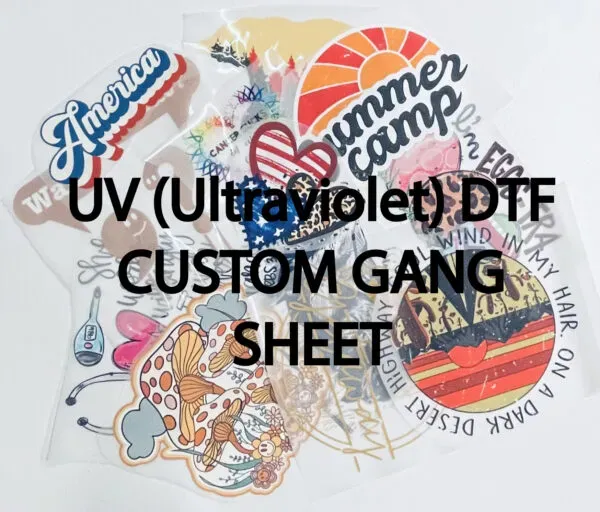
In the dynamic landscape of modern printing technologies, **UV DTF Gangheet** has emerged as a revolutionary method that redefines print quality and application versatility. This innovative UV Direct to Film (UV DTF) printing technique has gained immense popularity due to its remarkable ability to produce vibrant and durable designs on a variety of surfaces such as textiles, plastics, and metal. By leveraging advancements in UV DTF technology, businesses can enjoy an array of benefits, including enhanced durability, quicker drying times, and environmental friendliness, making it a wise choice for custom apparel printing and beyond. Understanding the benefits of UV DTF and its wide-ranging applications will empower businesses to adopt this seamlessly efficient printing method. In this guide, we will delve deep into the intricacies of UV DTF printing, exploring its applications, advantages, and the technological advancements driving its growth.
Exploring the realm of **UV Direct to Film printing**, we uncover a transformative approach that is reshaping the printing industry. This modern technique harnesses the power of ultraviolet light to cure inks, enabling high-resolution graphics on diverse substrates, making it a favored choice for designers and manufacturers alike. The advancements in **UV DTF applications** extend beyond traditional textiles, opening doors to printed materials that were previously challenging to achieve. The **benefits of UV DTF** printing, including its durability and vibrant color reproduction, create opportunities for custom creations that are both long-lasting and visually striking. As we investigate this remarkable technology, businesses stand to gain valuable insights into optimizing their production processes and enhancing design possibilities.
Understanding UV DTF Printing Technology
UV DTF printing, or Ultra Violet Direct to Film printing, represents a significant advancement in the realm of printing technologies. Unlike traditional methods, UV DTF utilizes ultraviolet light to cure inks as they are printed onto a specialized transfer film. This immediate curing process enables vibrant colors and intricate designs to be transferred onto various surfaces, expanding the potential applications of printed designs. From textiles to rigid substrates, this technology showcases versatility that many businesses are beginning to embrace.
By providing a means to apply detailed graphics on hard surfaces such as plastics and metals, UV DTF printing enhances the creative possibilities for businesses. As such, it stands in stark contrast to conventional DTF techniques, which are predominantly focused on soft materials like fabric. This key differentiation makes UV DTF a go-to solution for industries seeking to push the boundaries of custom design and branding.
The Benefits of Using UV DTF Printing
The benefits of UV DTF printing are manifold, making it an appealing choice for businesses in various sectors. One of the primary advantages is the vibrant color range that UV inks can produce. When compared to traditional inks, the colors achieved through UV DTF printing are more saturated, providing an impressive visual impact. This is particularly beneficial for promotional materials and custom apparel, where striking graphics can significantly influence customer engagement.
Durability is another critical benefit of UV DTF printing. The UV curing process results in prints that are more resistant to wear and tear, moisture, and UV rays, extending their lifespan across different applications. This makes UV DTF particularly attractive for high-traffic items, as brands can ensure quality and endurance while showcasing their designs.
Diverse Applications of UV DTF Printing
The versatility of UV DTF printing allows it to adapt to several industries, fulfilling various printing needs. In the realm of custom apparel, fashion brands are leveraging this technology to create personalized garments that stand out in the marketplace. By using UV DTF printing, designers can achieve high-definition graphics on t-shirts, hoodies, and other clothing items, satisfying the rising consumer demand for unique styles and custom branding.
Beyond fashion, UV DTF printing shines in the production of promotional products. Items such as phone cases, signage, and corporate giveaways benefit from the detailed, vibrant prints that this technology enables. By directly applying logos and intricate designs to these substrates, businesses enhance brand visibility and make a lasting impact on their target audience.
Recent Advancements in UV DTF Technology
The landscape of UV DTF printing is continuously evolving, fueled by technological advancements that enhance both speed and quality. Leading manufacturers are investing in research and development to optimize printer capabilities, ensuring that they meet the growing demands of the market. These innovations not only streamline production processes but also improve the overall efficiency of UV DTF printing, allowing businesses to compete effectively.
Trade shows and industry exhibitions play a crucial role in showcasing these advancements, providing a platform where industry professionals can exchange ideas and discover the latest solutions. As investment trends indicate a healthy growth trajectory for UV DTF technologies, businesses that stay informed about new developments will likely reap significant benefits.
Challenges in Implementing UV DTF Printing
Despite the many advantages, integrating UV DTF printing into existing operations presents challenges that businesses must consider. One significant barrier is the high initial cost associated with purchasing UV printing equipment and inks. This investment extends beyond the printer itself, as ongoing maintenance and the price of specialized UV inks can add to the overall expense, potentially deterring some businesses.
Additionally, material compatibility poses a challenge for successful UV DTF printing. Certain surfaces may require pretreatment to ensure adequate ink adhesion, complicating the production process. As such, understanding the specific requirements of various substrates is essential to achieving optimal results and maintaining print quality.
Conclusion: Embracing the Future of UV DTF Printing
In conclusion, UV DTF printing represents a revolutionary phase in the printing industry, offering vast opportunities for creative expression and the production of high-quality printed materials. As businesses explore the potential of UV DTF Gangheet, they are encouraged to stay abreast of emerging technologies and innovations that make this method a frontrunner in modern printing solutions.
The combination of vibrant colors, remarkable durability, and operational versatility positions UV DTF printing as a game-changer across numerous sectors. By adapting to ongoing advancements and understanding the nuances of this technology, businesses can leverage UV DTF for enhanced outcomes, superior products, and a competitive edge in today's market.
Frequently Asked Questions
What is UV DTF Gangheet and how does it work?
UV DTF Gangheet refers to the use of UV Direct to Film printing technology in producing high-quality graphic designs. This process utilizes ultraviolet light to instantly cure inks onto a transfer film, enabling vibrant colors and intricate details suitable for various substrates.
What are the benefits of UV DTF printing for custom apparel?
The benefits of UV DTF printing for custom apparel include vibrant color reproduction, enhanced durability against scratches and UV exposure, and the ability to print on a wide range of materials. Additionally, its quick curing process allows for faster production times, making it ideal for personalized apparel.
In what applications can UV DTF technology be utilized?
UV DTF technology can be utilized across various applications, including custom apparel printing, promotional products like drinkware and banners, and short runs or prototyping. This versatility allows for creative freedom in manufacturing diverse items that require high-quality prints.
How does UV DTF printing compare to traditional printing methods?
UV DTF printing outperforms traditional printing methods by providing a wider color gamut, better durability, and compatibility with both soft and hard substrates. The UV curing process minimizes issues like smudging and drying time, thus enhancing print quality and production efficiency.
What advancements have been made in UV DTF technology recently?
Recent advancements in UV DTF technology have focused on increasing print speed and quality, as well as improving printer capabilities. Leading manufacturers are optimizing their machines to cater to market demands, resulting in enhanced efficiency and new industry standards.
Are there any environmental considerations with UV DTF printing?
Yes, UV DTF printing is more environmentally friendly compared to conventional methods, as it uses UV inks with fewer volatile organic compounds (VOCs). This reduces environmental impact and promotes safer workplace conditions for operators in the printing industry.
| Aspect | Details |
|---|---|
| Definition | UV DTF printing is a technology that uses ultraviolet light to cure inks on a transfer film for vibrant and durable prints. |
| Curing Process | Instant drying of ink upon contact with the surface, reducing the chances of smudging. |
| Benefits | 1. Vibrant Colors 2. Durability 3. Versatility 4. Environmental Benefits |
| Applications | Custom apparel, promotional products, short runs, and prototyping. |
| Recent Developments | Advancements in speed, quality, and ongoing investments in technology. |
| Challenges | Initial equipment costs and material compatibility issues. |
Summary
UV DTF Gangheet signifies a transformative leap in printing technology, allowing for remarkable flexibility across diverse materials. This innovative technique not only produces vibrant and high-quality prints but also addresses the stringent demands for durability and environmental compliance. As this method continues to evolve, it opens up significant opportunities for businesses in the fashion, promotional products, and specialized printing sectors. By staying informed about advancements and trends, companies can strategically implement UV DTF printing to enhance their offerings and meet customer expectations effectively.