
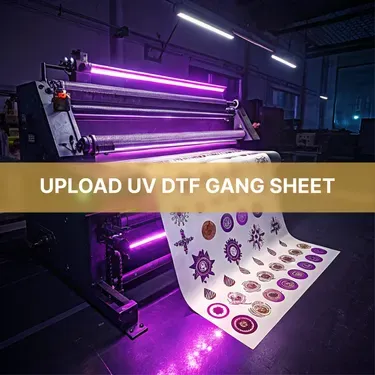
UV DTF Gangheet Technology is revolutionizing the textile industry by merging advanced UV printing capabilities with the efficiency of direct-to-film processes. This groundbreaking method ensures exceptional quality in fabric printing, setting a new standard for vibrant, detailed designs that are both durable and long-lasting. With the rising demand for innovative fabric printing solutions, UV DTF technology not only enhances product quality but also aligns with sustainable printing technology practices that minimize environmental impact. As brands seek to stay ahead in the competitive market, understanding the benefits of UV DTF gangheet technology becomes crucial. Key textile printing trends indicate that this innovation is not merely a fleeting phenomenon, but rather a critical step towards a more sustainable and efficient future in the fabric printing sector.
Introducing UV DTF Gangheet Technology opens a dialogue about the future of textile printing innovations that embrace both efficiency and quality. This state-of-the-art fabric printing technique utilizes a direct-to-film approach alongside cutting-edge UV printing solutions, offering a fresh take on durability and vibrancy in textile designs. As more manufacturers navigate the realm of sustainable printing technologies, the adaptability of UV DTF prints positions them to meet evolving consumer expectations and environmental standards. Consequently, the integration of UV DTF gangheet technology represents a significant trend within the textile printing landscape, emphasizing the need for brands to adapt to contemporary consumer demands and ecological consciousness. Understanding this shift will be essential for businesses aiming to thrive amid the changing tides of fabric printing trends.
The Advantages of UV DTF Gangheet Technology
UV DTF gangheet technology offers a multitude of benefits that are revolutionizing the fabric printing sector. One of its standout advantages is the superior quality of prints it produces. This technology leverages ultraviolet (UV) light to cure inks, resulting in vibrant, high-definition designs that are resistant to fading. The ability to achieve intricate details and vivid colors makes it an ideal choice for brands looking to create unique and eye-catching apparel. Additionally, the longevity of these prints ensures that consumers can enjoy their purchases without worrying about wear and tear, aligning perfectly with modern consumer demands for durability.
Another notable advantage is the process's compatibility with a variety of fabric types, including dark and textured materials that traditionally pose challenges for printing. The versatility of UV DTF gangheet technology means that designers can explore a wider range of textiles, unleashing their creativity while maintaining exceptional print quality. As a result, businesses can broaden their product offerings and cater to diverse market segments, further capitalizing on the growing trend towards personalization in fashion.
Sustainable Printing Technology in Fabric Production
Sustainability is a pressing concern in today’s fashion industry, and UV DTF gangheet technology addresses this imperative effectively. Unlike traditional methods that rely heavily on water and harmful chemicals, this printing technique uses UV-curable inks that significantly reduce environmental impact. By adopting UV DTF, manufacturers can minimize their water usage and eliminate the discharge of toxic inks, aligning their operations with eco-friendly practices that consumers increasingly expect.
Furthermore, the technology's lower emissions of volatile organic compounds (VOCs) contribute to healthier workplaces and greener production processes. As consumer awareness about environmental issues grows, brands utilizing UV DTF gangheet technology can appeal to the eco-conscious shopper, enhancing their marketability and brand loyalty. This sustainable angle not only fulfills corporate responsibility but also positions companies strategically within a competitive landscape that prioritizes environmental stewardship.
Exploring Direct to Film Printing Capabilities
Direct to film (DTF) printing is an innovative method that has gained traction in recent years, particularly when integrated with UV technology. This strategy allows multiple designs to be produced on a single film sheet, significantly enhancing production efficiency. By streamlining the printing process, businesses can reduce costs and turnaround times, which is crucial for meeting the fast-paced demands of today's fashion industry. This efficiency in design production also opens the doors for small batch runs and customized orders without compromising on quality.
Moreover, DTF printing encourages creativity by allowing designers to experiment with various visuals and use a broad spectrum of colors without the constraints typically associated with traditional printing methods. As a result, brands can offer an extensive range of products that cater to diverse customer preferences, from vibrant graphics to subtle, detailed designs. This adaptability not only fulfills consumer demand for uniqueness but also facilitates rapid responses to market trends.
The Impact of UV Printing Benefits on Market Trends
The benefits of UV printing, particularly in the context of UV DTF gangheet technology, are reshaping market dynamics in the fabric printing industry. Enhanced print quality and durability mean that brands can confidently market their products as high-performance garments designed to withstand the rigors of everyday life. This assurance not only appeals to consumers but also fosters brand loyalty, as customers are likely to return for products they trust will last.
Additionally, as consumer preferences shift towards personalized and customizable products, UV DTF technology stands out by offering brands the ability to quickly adapt and produce bespoke designs. This flexibility is increasingly becoming a crucial differentiator in a market saturated with generic offerings, thus enabling companies to carve out niche segments and enhance their competitive edge.
Textile Printing Trends in the Context of Innovation
As innovations like UV DTF gangheet technology come to the forefront, they highlight the evolving trends within the textile printing landscape. Current market reports suggest a growing inclination towards techniques that not only elevate production quality but also enhance operational efficiency. Companies are increasingly investing in advanced printing technologies to fulfill consumer demand for quick turnaround times while maintaining high standards of artistry and detail in their products.
In line with these innovations, the rise of digital fabrication methods is sparking a downturn in traditional printing techniques that may not support today's fast-paced retail environment. As more brands begin to recognize the advantages of UV DTF technology, especially regarding sustainability and customization, we can anticipate a shift that prioritizes new practices and foreshadows future advancements across the industry.
Challenges in Adopting UV DTF Gangheet Technology
While the potential of UV DTF gangheet technology is significant, businesses must navigate several challenges associated with its adoption. The initial investment required to procure state-of-the-art equipment can be considerable, and companies need to conduct thorough cost-benefit analyses before committing to such a transition. Understanding the long-term benefits and operational efficiencies gained from adopting this technology is essential to justifying the upfront costs.
Moreover, the requirement for skilled operators who can efficiently manage advanced machinery poses another hurdle. Training and continuous development are crucial for maximizing output and ensuring that the quality of printed fabrics meets consumer expectations. Investing in human capital alongside technology is vital to fully leverage the advantages of UV DTF gangheet technology and to position businesses favorably in an ever-evolving market.
Frequently Asked Questions
What is UV DTF Gangheet Technology and how does it benefit fabric printing?
UV DTF Gangheet Technology, which stands for Ultra Violet Direct to Film, combines innovative UV printing techniques with direct-to-film methods. This technology offers superior quality prints with vibrant colors and intricate details. Its benefits include durability against fading and cracking, making it ideal for fabrics, especially those with unique textures.
How does UV DTF Gangheet Technology contribute to sustainable printing practices?
UV DTF Gangheet Technology enhances sustainability in fabric printing by utilizing UV-curable inks which emit fewer volatile organic compounds (VOCs), reducing environmental impact. Additionally, it requires less water compared to traditional screen printing methods, aligning with eco-friendly manufacturing trends in the textile industry.
What trends are currently shaping the market for UV DTF Gangheet Technology?
The market for UV DTF Gangheet Technology is growing, driven by increasing consumer demand for customization and eco-friendly options. Brands are investing in this technology to offer personalized designs while meeting sustainability targets, making it a key player in the evolving landscape of textile printing innovation.
What are the production advantages of using UV DTF Gangheet Technology?
UV DTF Gangheet Technology supports rapid production capabilities, allowing businesses to streamline workflows by printing multiple designs on a single film sheet. This efficiency reduces production time and costs, enabling quicker turnarounds to meet fast fashion demands.
What challenges do businesses face when adopting UV DTF Gangheet Technology?
While UV DTF Gangheet Technology offers numerous benefits, businesses may face challenges such as the initial investment costs for equipment and the need for skilled operators trained in this advanced printing process. These factors require careful consideration for successful implementation.
Why is UV Printing considered beneficial in textile printing trends?
UV Printing, including UV DTF Gangheet Technology, is considered beneficial due to its ability to produce high-quality, durable prints with vibrant colors. Its environmentally friendly practices and capability for rapid production align with current textile printing trends focused on sustainability and customization.
| Key Points | Details |
|---|---|
| Technology Overview | UV DTF gangheet technology merges UV printing with direct-to-film printing, enhancing textile print quality and longevity. |
| Quality | Produces vibrant designs with superior durability, resistant to fading and cracking. |
| Environmental Impact | Uses less water and emits fewer volatile organic compounds, aligning with sustainability goals. |
| Production Efficiency | Enables fast production and quick turnarounds to meet the demands of fast fashion. |
| Market Trends | Growing adoption by brands for customization and eco-friendly products. |
| Challenges | High initial investment and the need for skilled operators to manage the technology. |
Summary
UV DTF gangheet technology is revolutionizing the fabric printing industry, combining quality, speed, and sustainability into a single solution. As the textile sector continues to evolve, this innovative technology offers brands the ability to produce high-quality designs on various fabrics while minimizing environmental impact. By using UV-curable inks and incorporating efficient production methods, companies can cater to the fast-paced demands of today's consumers while also appealing to the growing market's eco-conscious values. Consequently, adopting UV DTF gangheet technology positions businesses for future success and competitive advantage in the dynamic landscape of fabric printing.