
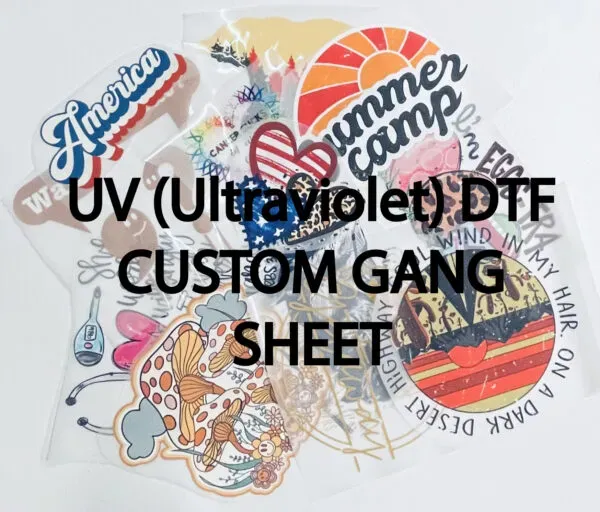
UV DTF Gangheet is revolutionizing the landscape of modern printing, providing businesses with the tools to maximize print quality like never before. This cutting-edge technology falls under the umbrella of UV Direct to Film printing, heralding advancements that highlight vivid color printing and durable outputs. By leveraging quick drying printing techniques, UV DTF Gangheet enables an efficient production process, allowing for designs that not only look spectacular but also stand the test of time. As industries evolve, incorporating these innovative printing methods become essential for staying ahead in a competitive market. In this exploration, we will uncover the remarkable benefits and best practices for utilizing UV DTF Gangheet to elevate your printing game.
Transitioning to the world of UV Direct to Film printing reveals a plethora of possibilities for enhancing print quality. Known in some circles as UV DTF gangHEET, this method is favored for its ability to produce strikingly vivid designs with remarkable detail. Innovators within the printing sector are embracing printing technology advancements that simplify processes while achieving stronger, more resilient prints. Whether for textiles, plastics, or metals, this versatile printing approach adapts to various substrates, making it a popular choice for businesses seeking to expand their product offerings. By implementing efficient systems that prioritize quick drying techniques, companies can not only enhance their output but also satisfy client demands for high-quality prints.
Understanding UV DTF Printing Technology
UV Direct to Film (DTF) printing technology is revolutionizing the printing landscape by offering businesses a unique blend of quality and efficiency. By utilizing UV-cured inks, this method allows for vibrant colors and high-resolution images to be transferred onto a variety of substrates. As one of the most advanced printing techniques available today, UV DTF printing offers durability that stands up against environmental challenges like moisture and UV radiation. This technology is not merely for aesthetics; it guarantees longevity and consistency, making it a preferred choice for businesses looking to enhance their brand's visibility.
The technological advancements behind UV DTF printing are continually evolving, further enhancing its appeal. The integration of superior curing systems ensures better ink adherence while decreasing the chances of smudging or fading over time. Such improvements in the printing process mean that companies can increase their productivity without compromising on quality. The versatility of UV DTF also extends beyond conventional printing substrates, expanding to textiles, plastics, and even metals, making it suitable for a multitude of industries.
Maximizing Print Quality with UV DTF Gangheet
To truly maximize print quality when using the UV DTF gangheet technique, businesses must leverage a combination of best practices, technological insights, and material selection. This method allows for exceptional color depth and precision, making it possible to bring the most intricate designs to life. A fundamental aspect of achieving outstanding print quality lies in understanding the compatibility of your substrates with the UV DTF processes, ensuring that the chosen materials enhance the vividness of the colors used.
Employing proper calibration of printing devices is equally imperative in the pursuit of excellence in print quality. Regular maintenance and adjustments to the printer settings help in accurately translating design elements from screen to substrate, providing life-like representations. Additionally, utilizing post-processing treatments can significantly elevate the final product's appearance by enhancing brightness and adding protective layers, ultimately extending the durability of prints in challenging environments.
Benefits of Quick Drying Techniques in UV DTF Printing
Quick drying techniques are one of the hallmark features of UV DTF printing, providing significant advantages for businesses focused on increasing production efficiency. The UV curing process used in DTF printing ensures that inks dry almost instantaneously, enabling rapid turnaround times for projects. This accelerated drying allows printing companies to fulfill large orders or last-minute requests without the constraints typically associated with traditional printing methods.
Moreover, fast-drying inks contribute to higher throughput, meaning that businesses can take on more jobs in the same timeframe. These quick drying capabilities also reduce the risk of smudging and ensure that prints maintain their quality from the production floor to the final product. As a result, the combination of vibrancy in color and swift production timelines makes UV DTF printing a game-changer for those in the printing industry.
Technological Advancements in UV DTF Printing
The printing industry is witnessing significant technological advancements in UV DTF printing, enhancing both the quality and accessibility of this innovative method. Innovations in machine technology, such as improved ink formulations and faster print speeds, have empowered small and medium-sized businesses to achieve high-quality prints without substantial capital investment. These advancements mitigate some of the challenges that smaller companies face while enabling them to compete effectively in today’s dynamic market.
As manufacturers continue to invest in R&D, we can expect to see even greater enhancements in UV DTF printing technology. Features like enhanced ink flexibility and better adhesion properties ensure that businesses can work with a broader range of substrates, adapting easily to various client needs. As these technologies evolve, they not only improve print quality and durability but also expand the creative possibilities for designs and applications.
Best Practices in Post-Processing for UV DTF Prints
Post-processing is an essential stage in the UV DTF printing workflow, playing a crucial role in enhancing both the appearance and durability of printed materials. Techniques such as heat treatment and applying protective coatings can contribute significantly to the final quality of the prints. This additional layer of care ensures that prints not only look beautiful but also withstand the test of time, especially for products subjected to frequent handling or exposure to the elements.
Using post-processing techniques can also help in achieving higher resolution and color depth, which is essential for maintaining the integrity of vibrant designs. It's advisable for businesses to experiment with various post-processing methods to find the optimal solutions that align with their specific needs, ultimately leading to an impressive final product that resonates with clients and customers alike.
The Future of UV DTF Printing in Various Industries
The UV DTF printing technology holds promising potential for growth across various industries, thanks to its versatility and quality output. As businesses continue to recognize the importance of personalized branding and custom products, the demand for UV DTF printing is expected to rise significantly. Industries ranging from fashion to promotional merchandise are increasingly turning to this innovative printing method, thereby expanding the scope and applications of UV DTF gangheet.
Furthermore, as sustainability becomes a critical focus in production processes, UV DTF printing offers eco-friendly alternatives by minimizing waste and utilizing inks that are less harmful to the environment compared to traditional methods. This alignment with sustainability goals can not only enhance brand reputation but also lead to new market opportunities as consumers become more conscientious about their purchasing choices. As a result, investing in UV DTF printing technology is a strategic move for businesses aiming to stay ahead in a competitive landscape.
Frequently Asked Questions
What is UV DTF gangheet and how does it enhance print quality?
UV DTF gangheet refers to the UV Direct to Film printing technique, which maximizes print quality through the application of UV-cured inks that provide vivid colors and exceptional detail. This advanced printing technology ensures that prints are not only vibrant but also durable, making them resistant to scratches and environmental factors.
How does the quick drying feature of UV DTF gangheet improve efficiency in printing?
The quick drying feature of UV DTF gangheet allows prints to cure instantly under UV light, drastically reducing production time. This efficiency in curing enables businesses to handle more projects within shorter timeframes, ultimately maximizing output and profitability while maintaining high print quality.
What materials can I use with UV Direct to Film printing for best results?
UV Direct to Film printing, specifically through the UV DTF gangheet method, is versatile and compatible with various substrates including textiles, plastics, and metals. Testing these materials for your specific designs will help identify the best options to achieve vivid color prints and durability in your finished products.
What technological advancements are associated with UV DTF gangheet?
Recent advancements in UV DTF gangheet technology focus on improving ink adhesion and flexibility, making high-quality printing more accessible to businesses of all sizes. These innovations enhance the application of UV Direct to Film printing, facilitating better results and broader substrate compatibility.
How can I maximize the vivid color printing of UV DTF gangheet in my projects?
To maximize vivid color printing with UV DTF gangheet, focus on regular calibration of your DTF printer based on substrate type and design. Additionally, post-processing techniques like heat treatment can enhance color saturation and print durability, ensuring that your products stand out.
What are the long-term benefits of using UV DTF gangheet for print quality?
Using UV DTF gangheet ensures long-term benefits such as durable prints that resist scratches, UV exposure, and water damage. This durability not only maintains high print quality over time but also enhances customer satisfaction, making it a smart investment for businesses looking to provide exceptional products.
| Key Points | |
|---|---|
| UV DTF Printing | A technique for transferring UV-cured ink to various substrates for vibrant, durable prints. |
| Advantages | 1. Vivid color and detail. 2. Versatile substrate compatibility (textiles, plastics, metals). 3. Quick drying times due to UV curing. 4. Environmental resistance (scratches, UV exposure, water). |
| Recent Developments | 1. Technological advancements improving ink adhesion and flexibility. 2. Increase in adoption for custom product printing in various industries. |
| Best Practices | 1. Choose the right material for printing. 2. Regular printer calibration for color accuracy. 3. Utilize post-processing techniques to enhance durability and appearance. |
Summary
UV DTF Gangheet is a revolutionary printing technique that significantly enhances print quality, making it crucial for modern businesses looking to thrive. By utilizing UV Direct to Film printing, companies can achieve stunning, long-lasting visuals that resist environmental wear and tear. The technique not only allows vibrant color depths and detail but also offers versatility with the ability to print on various materials including textiles and metals. As advancements in technology continue to evolve, staying updated with best practices will enable businesses to leverage UV DTF Gangheet effectively, ensuring exceptional quality in their prints. Embracing this innovative approach positions businesses at the forefront of the competitive printing landscape, ultimately leading to enhanced customer satisfaction and loyalty.