
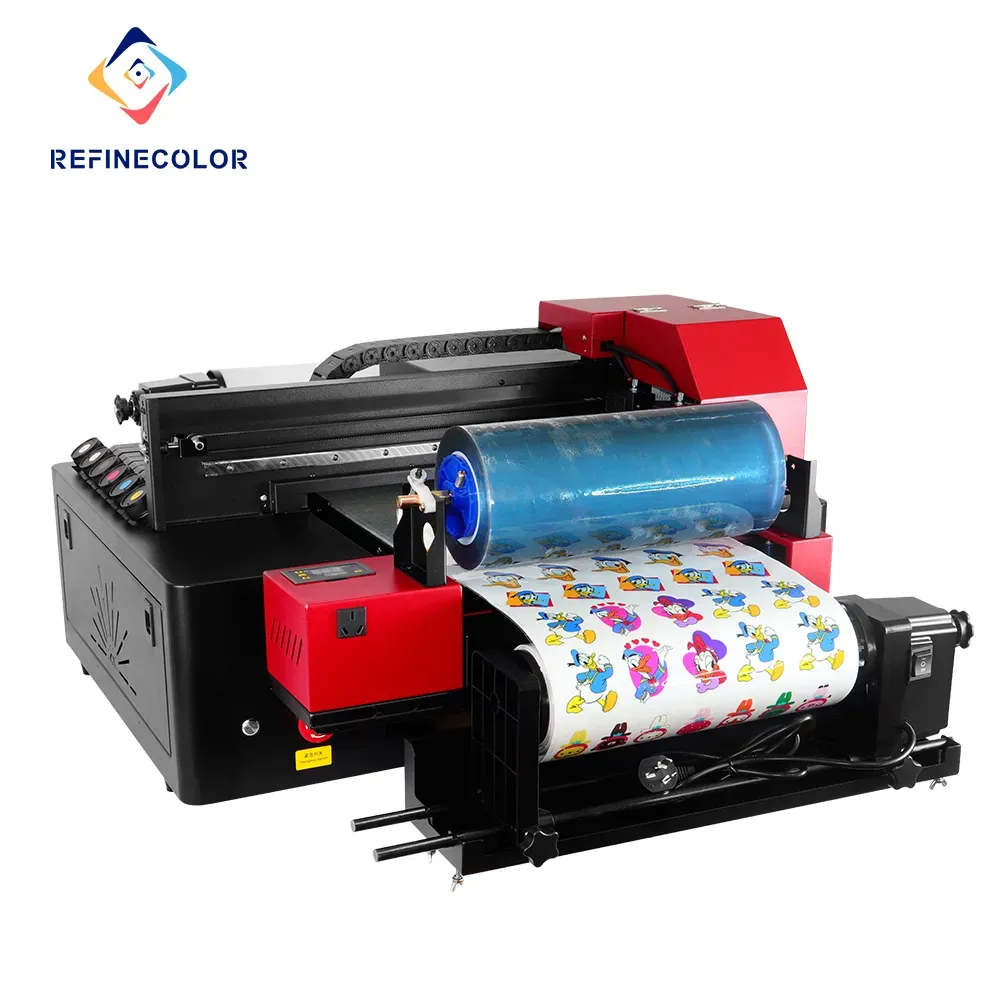
In the competitive landscape of modern printing technologies, **UV DTF (Direct to Film)** has emerged as a game-changer, setting itself apart from traditional printing methods with its remarkable efficiency and print quality. As businesses increasingly pursue eco-friendly printing solutions, UV DTF stands out by combining cutting-edge technology with sustainable practices. This innovative approach not only enhances the vibrancy and detail of printed images but also significantly reduces turnaround times, making it a preferred choice for many. With a focus on versatility and customization, UV DTF is revolutionizing the way we think about printing technology. In this article, we will delve into the unique attributes of UV DTF that position it as a superior alternative to conventional methods, highlighting its advantages and future potential.
Exploring the realm of **direct-to-film UV printing** unveils an impressive evolution in printing technology that has garnered wide appeal among industry professionals and creative enthusiasts alike. Often compared to more conventional techniques like offset and screen printing, UV DTF offers distinct benefits, including rapid output and exceptional print quality. As an innovative alternative, it streamlines the printing process while also incorporating eco-conscious elements, making it a leading choice for businesses striving for sustainability. This printing process not only achieves superior color fidelity but also broadens the scope of feasible materials, thereby allowing for richer artistic expression. In this overview, we will highlight the various facets that distinguish this advanced printing method from traditional practices.
Understanding the Advantages of UV DTF Printing
UV DTF printing offers numerous advantages that make it a superior choice over traditional printing methods. One of the key benefits is the speed of output; prints cure instantly under UV light, significantly reducing production time compared to methods like screen printing, which can suffer from long drying periods. This capability is a game-changer in industries that rely on quick turnaround times, as it allows businesses to meet tight deadlines while ensuring high-quality results. Additionally, the technology eliminates the need for excessive manual handling, streamlining the production process and minimizing labor costs.
Another major advantage is the exceptional print quality achieved with UV DTF. The technique delivers real-to-life colors and sharp details, owing to the advanced UV inks which are cured immediately to preserve vibrancy. Unlike some traditional methods that can produce inconsistent results, UV DTF offers reliable outcomes across a variety of substrates. The capability to print on materials like textiles, plastic, and wood without compromising quality furthers solidifies its position in the market as a versatile and dependable printing solution.
The Environmental Benefits of UV DTF
In today’s eco-conscious world, UV DTF printing emerges as a leader in environments concerned with sustainability. Traditional printing methods often rely on chemicals and solvents that release harmful volatile organic compounds (VOCs) into the atmosphere, which poses risks not just to health but also to the environment. In contrast, UV DTF technology utilizes UV-cured inks that are not only more efficient but also significantly reduce ecological footprints, allowing businesses to market themselves as environmentally friendly.
Moreover, the printing process of UV DTF consumes less ink than traditional methods, which means less waste and lower overall resource consumption. This reduction aligns perfectly with the growing demand for eco-friendly printing options among consumers and businesses alike, making it a favorable choice for companies aiming to adopt sustainable practices. Adopting UV DTF not only enhances corporate responsibility but also resonates with a client base increasingly looking for greener alternatives.
Exploring Print Quality: A Closer Look at UV DTF
When evaluating print quality, UV DTF printing stands out thanks to its precision and high-resolution capabilities. The instant curing process provided by UV technology enhances the adherence of inks to different surfaces, resulting in prints that are vivid and resistant to wear. This factor is crucial for businesses that require durable products such as outdoor signage or apparel. Unlike traditional methods, where the possibility of smudging and fading can be a dilemma, UV DTF’s robust output ensures longevity and maintains the integrity of the print.
Furthermore, advancements in UV DTF printing technology allow for intricate designs and textures, setting it apart in creative applications. Features like embossed effects are easily achieved, making this method particularly attractive for brands looking to differentiate their product offerings. The adaptability of UV DTF also facilitates the customization of designs at minimal cost, encouraging artists and businesses to explore innovative ideas that captivate consumers.
The Versatility of UV DTF in Various Industries
Versatility is one of the hallmarks of UV DTF printing, catering to a myriad of industries by accommodating various materials and applications. From customized items like T-shirts and mugs to high-stakes signage and promotional materials, the technology flexibly accommodates diverse printing needs. This adaptability is especially beneficial for small businesses and independent creators who require low-volume printing solutions without the hefty setup costs associated with traditional printing alternatives.
Moreover, the ability to print on various substrates expands the market potential for businesses utilizing UV DTF technology. As industries evolve and demand unique products, this capability allows print professionals to enter multiple niches with confidence. Whether creating promotional giveaways or bespoke merchandise, UV DTF provides endless possibilities, encouraging creativity and entrepreneurial spirit in various sectors.
Recent Trends in UV DTF Technology
The landscape of UV DTF printing is rapidly changing, characterized by advancements in technology and increasing market adoption. Manufacturers are constantly pushing the boundaries of what is possible, producing printers that offer faster speeds, higher resolutions, and even greater versatility. Innovations like integrated software solutions help streamline the workflow, enabling print shops to optimize their operations while enhancing productivity.
Additionally, market research indicates a heightened demand for UV DTF solutions driven by the digital printing industry's growth. This trend is prompting numerous companies, large and small, to invest in UV DTF capabilities as they aim to stay competitive in today’s fast-paced business environment. With the continuous evolution of UV DTF technology, industry professionals can expect further enhancements that will refine print quality and operational efficiency.
The Future of UV DTF Printing: What Lies Ahead
As we look to the future, it is clear that UV DTF printing is poised to revolutionize the printing industry even further. The push towards more eco-friendly practices is influencing the development of better ink formulations and enhanced machinery that reduce waste and energy consumption. With an ever-growing emphasis on sustainability, UV DTF is becoming not just a viable printing option but a preferred method for environmentally conscious brands.
In addition to environmental considerations, the future of UV DTF also involves expanding its applications in different sectors. This technology is likely to see increased usage in high-demand fields such as packaging, textiles, and specialized product printing. As enhancements continue to evolve, businesses that adopt these technologies will be better positioned to meet consumer needs and adapt to changing market trends, solidifying their advantage over traditional printing methods.
Frequently Asked Questions
What makes UV DTF different from traditional printing methods?
UV DTF (Direct to Film) stands out from traditional printing methods like offset and screen printing by utilizing advanced UV curing technology, which reduces production time and complexity. Unlike conventional methods, where prints can take longer to prepare and dry, UV DTF delivers ready-to-use prints almost instantly, offering a significant competitive advantage.
How does print quality compare between UV DTF and traditional printing methods?
The print quality of UV DTF is superior to many traditional printing methods, thanks to the instant curing process that produces sharp images and vibrant colors. Additionally, advancements in UV printing technologies allow for unique features, such as embossed textures, which are challenging to achieve with older methods like screen printing.
Is UV DTF an eco-friendly printing solution compared to traditional methods?
Yes, UV DTF is considered more eco-friendly than traditional printing methods. It uses less ink and generates fewer volatile organic compounds (VOCs), thereby reducing its environmental impact. This makes UV DTF an ideal choice for businesses seeking sustainable printing solutions.
How versatile is UV DTF for different printing projects?
UV DTF offers remarkable versatility, enabling businesses to print on various materials, including textiles, plastics, wood, and metal. This adaptability allows for customized merchandise, signage, and promotional products without requiring extensive setup or costs, differentiating it from traditional methods that may be limited to specific substrates.
What advantages does UV DTF technology provide in terms of speed and efficiency?
UV DTF technology dramatically improves speed and efficiency by curing prints instantly, unlike traditional printing methods that often involve lengthy drying times. This efficiency leads to faster turnaround, helping businesses increase productivity and meet tight deadlines.
What recent developments are driving the growth of UV DTF printing technology?
Recent developments in UV DTF include the introduction of innovative printers from manufacturers like Mimaki, designed specifically for this technology. As market demand rises for efficient and high-quality printing solutions, these advancements position UV DTF at the forefront of modern printing technology, paving the way for widespread adoption.
| Key Aspects | UV DTF | Traditional Methods |
|---|---|---|
| Definition | Combines direct-to-film with UV curing technology | Multiple steps involving drying and setup |
| Speed and Efficiency | Instant curing reduces production time and increases output | Long drying times slow down production |
| Environmental Impact | Utilizes less ink and fewer chemicals, producing less waste | Involves significant chemical use and generates more VOCs |
| Print Quality | Sharp images with vibrant colors and options for textures | Limited to specific substrates, often with less vibrancy |
| Versatility | Adapts to various projects easily without extensive setup | Limited flexibility requiring more setup for different projects |
Summary
UV DTF is revolutionizing the printing industry by offering a superior alternative to traditional methods. Its innovative blend of direct-to-film technology and UV curing not only accelerates production processes but also provides exceptional print quality and versatility. As companies increasingly prioritize eco-friendly solutions, UV DTF stands out by minimizing waste and resource consumption. This groundbreaking printing method is shaping the future of print technology, proving essential for businesses seeking efficiency and sustainability in their operations.