
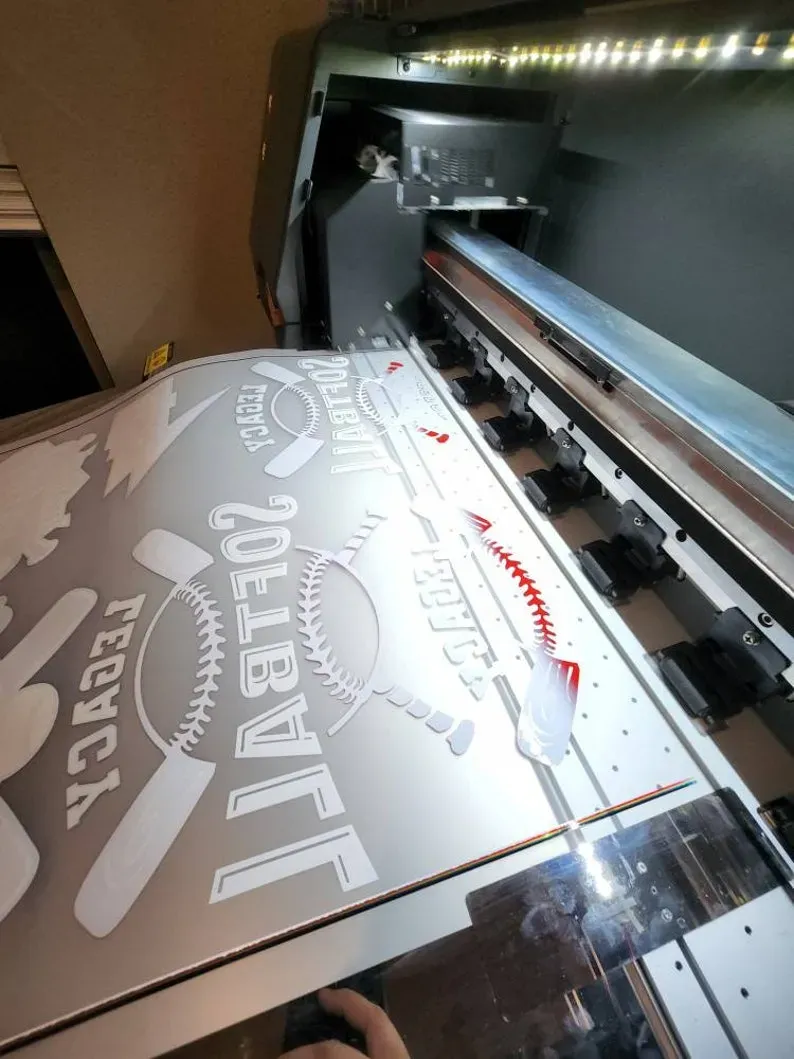
DTF transfers, or Direct to Film transfers, are making waves in the textile industry by offering high-quality printing solutions that redefine how we approach fabric printing. Celebrated for their vibrant colors and detailed imagery, DTF technology is rapidly becoming a preferred choice for businesses looking to leverage the benefits of DTF printing. This cost-effective printing method not only delivers exceptional textile prints on various materials but also enhances operational efficiency for manufacturers and custom print shops. As the demand for personalized and customized textile products surges, understanding the numerous advantages of DTF transfers can empower businesses to evolve and stay competitive. In this exploration, we will delve deep into the transformative impact of DTF printing on the textile landscape, revealing its undeniable benefits in modern printing applications.
Direct to Film printing, often referred to as DTF printing, is revolutionizing the textile domain through its innovative capabilities. By allowing for the application of intricate designs and rich colors onto various fabrics, this advanced printing technique offers an array of advantages, making it a standout among textile printing methods. The versatility of DTF transfers allows businesses to cater to diverse customer preferences while ensuring the longevity of their printed products. As we unpack the remarkable features of this modern printing solution, you will discover how adopting DTF can yield high-quality results and a more sustainable printing approach. Join us in exploring the benefits that make DTF a compelling choice for any textile operation looking to enhance its offerings.
High-Quality Prints: A Game Changer in Textile Production
High-quality prints are essential in today's competitive textile market. DTF printing technology not only produces vibrant colors but also ensures that intricate designs come to life with exceptional detail. This level of quality is brought about by the unique process of transferring ink onto a film before applying it to the fabric, allowing for more precise and clear images. Unlike conventional methods that can lead to blurred edges, DTF transfers maintain clarity even on textured or uneven surfaces, catering to a range of fabric types and applications.
Moreover, the quality output from DTF printing attracts consumers who prioritize visual aesthetics in their textile purchases. When brands deliver consistently high-quality products, they build trust and loyalty with their customers. This enhancement in every print allows businesses using DTF transfers to not only meet but exceed consumer expectations, establishing a solid reputation in the textile industry as providers of premium, high-quality textile prints.
Versatility in Fabric Types: Expanding Business Opportunities
Versatility in material compatibility is one of the standout features of DTF transfers, allowing businesses to implement diverse textile printing strategies. DTF technology can effectively print on various materials such as cotton, polyester, and blended fabrics, which makes it an invaluable resource for custom printing operations. This flexibility enables companies to cater to different customer preferences and trends, exploring new markets without the fear of material restrictions.
With DTF transfers, businesses can experiment with various textiles, meeting specific customer demands while also remaining competitively agile. This versatility not only broadens the product range but also drives creativity in design, allowing brands to explore unique and innovative designs that can attract a wider customer BASE. Overall, the ability of DTF printing to adjust to numerous fabric types empowers businesses to stay relevant in an ever-evolving textile market.
Efficiency and Speed: Meeting Consumer Demand
In a fast-paced commercial environment, efficiency and speed are crucial for businesses aiming to capitalize on market demand. DTF transfer printing significantly enhances production speed, allowing print shops to fulfill orders quickly without compromising on quality. The streamlined workflow associated with DTF technology minimizes setup time, which is particularly beneficial for smaller production runs and custom jobs.
By adopting DTF transfers, businesses can respond promptly to customer needs, improving overall service levels. Quick turnaround not only satisfies the immediate demands of consumers but also positions companies favorably against competitors lagging in efficiency. With the ability to produce high-quality prints rapidly, DTF enables businesses to nurture a reputation for meeting deadlines, thus enhancing customer loyalty and driving repeat purchases.
Cost-Effective Solutions: Stretching Your Budget Further
Cost-effectiveness is a critical concern for many businesses, particularly startups navigating the textile industry. DTF transfers present a significant advantage due to lower operational costs and reduced material waste. The technology requires fewer resources compared to traditional methods, such as screen printing, making it an economical choice for companies looking to maximize their investments without sacrificing quality.
Furthermore, the on-demand printing capability of DTF processes allows businesses to minimize inventory overheads, reducing the risks associated with overproduction and unsold stock. This strategic cost-saving approach encourages financial sustainability, empowering smaller enterprises to compete on a level playing field with larger brands in the textile sector.
Durability: Ensuring Long-Term Customer Satisfaction
Durability is a significant concern for consumers when selecting textile products, and DTF transfers excel in producing long-lasting prints. The prints achieved through DTF technology are renowned for their resistance to the common issues of peeling, cracking, and fading, even after repeated washes. This impressive durability ensures that customers receive value for their money, as the quality of the prints withstands the test of time.
By investing in DTF transfers, brands can instill confidence in their clientele about the longevity of their products. Satisfied customers are more likely to return for repeat purchases and recommend the brand to others. This trust, cultivated through high durability standards, plays a pivotal role in building a solid reputation within the market and fostering a loyal customer base.
Environmental Benefits: A Sustainable Approach to Textile Printing
In an era where sustainability is paramount, DTF printing offers a more environmentally friendly alternative to traditional textile printing processes. Utilizing significantly less water and producing fewer harmful emissions, DTF technology positions itself as a responsible option for manufacturers aiming to reduce their carbon footprint. This green approach resonates well with today’s environmentally conscious consumers, making it an attractive selling point for businesses.
Furthermore, the emphasis on eco-friendly practices not only enhances brand image but also aligns with global efforts toward sustainability in production. Companies that prioritize environmental considerations, like adopting DTF transfers, demonstrate their commitment to preserving the planet while appealing to a growing demographic of eco-aware consumers, paving the way for a future where profitability and sustainability go hand in hand.
Frequently Asked Questions
What are the benefits of DTF printing in the textile industry?
DTF printing offers numerous benefits in the textile industry, including high-quality prints with vibrant colors, versatility across various fabric types, and cost-effective printing solutions compared to traditional methods such as screen printing. Additionally, DTF transfers provide durability, making them resistant to cracking and fading after multiple washes, thus ensuring customer satisfaction.
How does DTF transfer printing compare to traditional textile printing methods?
DTF transfer printing stands out from traditional textile printing methods by combining high-quality results and cost-effectiveness. Unlike screen printing, which has high setup costs and limited fabric options, DTF printing allows for vibrant, detailed designs on a variety of materials at a lower cost, making it a more adaptable solution for businesses.
What are the advantages of using DTF transfers for custom apparel?
The advantages of using DTF transfers for custom apparel include their exceptional ability to produce detailed, high-quality prints that are vibrant and long-lasting. Moreover, DTF transfers are versatile and can be applied to various fabrics, enabling businesses to cater to diverse customer preferences while maintaining efficiency and reducing costs.
Are DTF transfers durable for everyday use in clothing?
Yes, DTF transfers are highly durable and designed to withstand frequent use and washing. The prints resist cracking, peeling, and fading, making them ideal for clothing that is regularly worn and laundered. This durability enhances customer trust and satisfaction, establishing a strong reputation for brands that utilize DTF printing.
What makes DTF printing a cost-effective solution for small businesses?
DTF printing is considered a cost-effective solution for small businesses due to its reduced setup time and lower material costs compared to traditional printing methods. DTF transfers facilitate print-on-demand capabilities, helping brands minimize inventory costs while delivering high-quality, customized products efficiently.
How does DTF transfer printing contribute to sustainability in textile production?
DTF transfer printing contributes to sustainability by utilizing less water and generating fewer harmful emissions compared to traditional printing methods. By adopting DTF technology, businesses can reduce their environmental impact, aligning with the growing consumer demand for eco-friendly practices in the textile production industry.
| Key Point | Description |
|---|---|
| High-Quality Prints | DTF transfers produce vibrant images with precise details, maintaining clarity across different materials. |
| Versatility in Materials | DTF transfers can adhere to various fabric types, allowing for customization without compatibility issues. |
| Efficiency and Speed | Streamlines the printing process, enhancing productivity and reducing lead times for small orders. |
| Cost-Effectiveness | Offers a more affordable alternative to traditional methods, supporting on-demand printing and sustainability. |
| Durability and Washability | DTF prints resist cracking and fading, ensuring longevity and enhancing customer satisfaction. |
| Environmental Impact | DTF printing utilizes less water and reduces harmful emissions, catering to eco-conscious consumers. |
| Growing Industry Adoption | DTF technology is increasingly adopted by manufacturers, responding to the demand for personalization. |
Summary
DTF transfers are a revolutionary advancement in textile printing technology, providing high-quality prints, cost savings, and unmatched versatility. As businesses respond to evolving consumer trends and demands, integrating DTF transfers into printing operations offers numerous benefits that enhance product offerings and improve customer satisfaction. With their environmental advantages and growing popularity, DTF transfers are well-positioned to shape the future of the textile industry.