
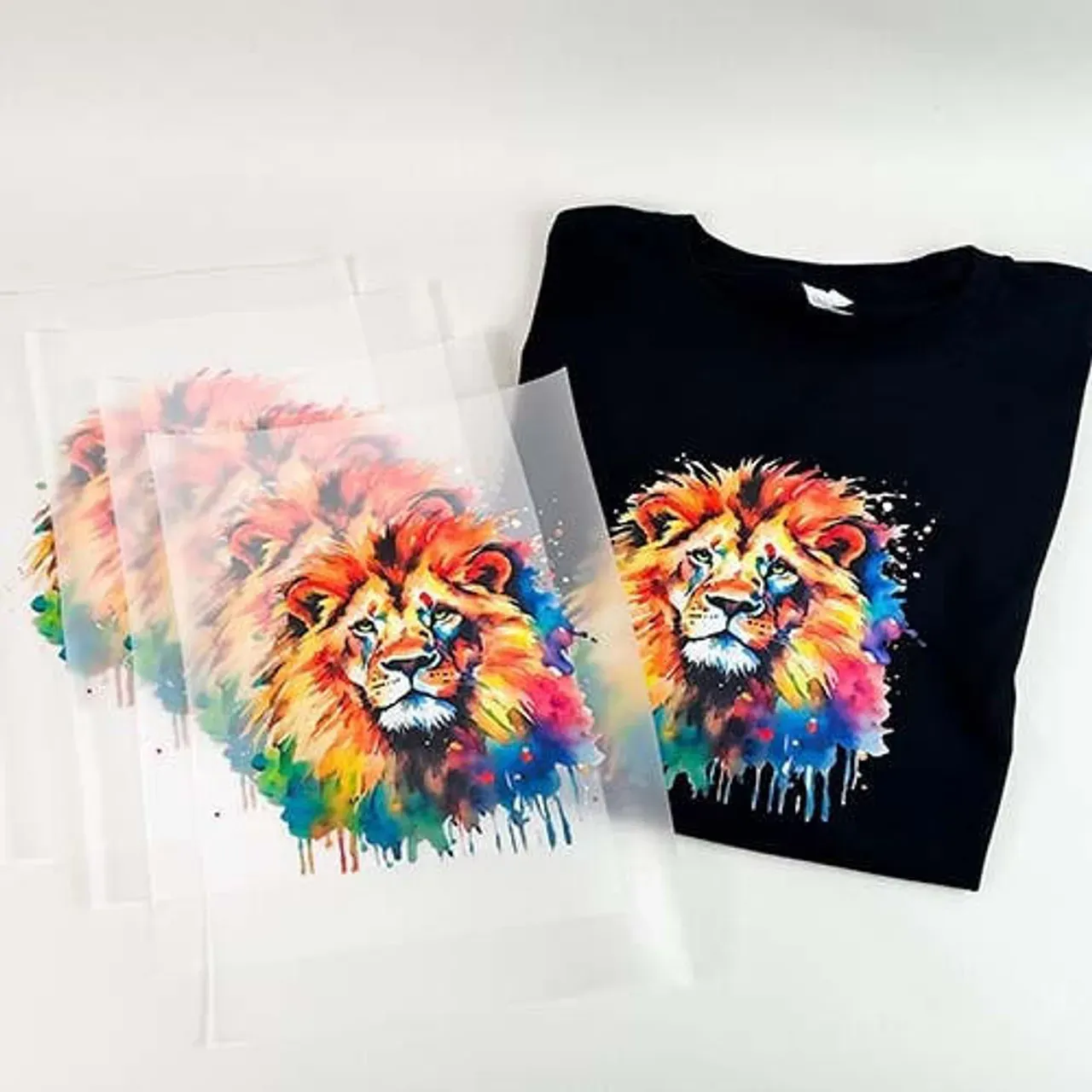
DTF transfers, or Direct to Film transfers, represent an exciting innovation in the textile printing world, offering a versatile solution for applying intricate designs to various fabrics. By using specialized DTF transfer films and innovative DTF inks, this technology allows creators to achieve stunning, long-lasting prints that maintain their vibrancy even after multiple washes. However, the results of DTF printing largely depend on the choice of quality materials, including the best adhesive powders for DTF that ensure durable adhesion. Furthermore, as sustainability becomes increasingly important, many are turning to sustainable DTF printing practices that incorporate eco-friendly materials and inks. In this guide, we will explore the key considerations for selecting the right components for successful DTF transfers, ensuring your designs stand out beautifully and responsibly.
When discussing Direct to Film transfers, one might encounter terms like DTF printing technology or transfer film applications, all referring to the same groundbreaking technique for fabric printing. This method not only streamlines the design transfer process but also unlocks a realm of creative possibilities through the use of unique printing materials and advanced adhesion methods. Achieving optimal results involves careful selection of high-quality DTF transfer films, hot melt adhesive powders, and specialized inks designed to deliver stunning visuals that withstand the test of time. As the industry shifts towards greener practices, the integration of sustainable DTF printing approaches has become increasingly relevant, highlighting the importance of eco-conscious choices in material selection. This introductory overview sets the stage for a deeper dive into the essentials of DTF transfers, guiding you through the landscape of outstanding printing solutions.
Selecting the Best Materials for DTF Transfers
When choosing materials for DTF transfers, it is essential to prioritize quality. High-performance DTF transfer films, which come in various finishes, play a crucial role in determining the vibrancy and durability of prints. The right films maximize adhesion and compatibility with different fabric types, ensuring that your designs come out crisp and intact. Additionally, experimenting with both matte and glossy films provides insight into which finish aligns best with your specific printing applications.
Furthermore, selecting materials that are both durable and flexible will significantly enhance the life of your DTF prints. The combination of a high-quality transfer film with the appropriate fabric can result in stunning visuals that withstand washing and everyday wear. Always consider the long-term effects of your choices on both the appearance and longevity of your designs.
Frequently Asked Questions
What are the best materials for DTF transfers?
Selecting the best materials for DTF transfers includes using high-quality DTF transfer films, reliable hot melt adhesive powders, and premium DTF inks. These materials ensure vibrant prints that are durable and adhere well to a variety of fabrics, enhancing both the aesthetic quality and longevity of your designs.
How do DTF transfer films affect print quality?
DTF transfer films significantly influence print quality. Choosing between matte and glossy films will determine the texture and vibrancy of your designs. High-quality films offer superior adhesion and compatibility with different fabrics, ensuring that the transfers maintain their color and detail over time.
What are the best adhesive powders for DTF printing?
The best adhesive powders for DTF printing are those that provide durability and flexibility. Look for high-performance powders that enhance the adhesion of your DTF transfers while being eco-friendly. Innovative formulations now exist to meet industry standards and minimize environmental impact, making them ideal for sustainable DTF printing.
What types of DTF inks should be used for optimal results?
For optimal results, use water-based DTF inks that provide vibrant colors while being less toxic than solvent-based options. Ensure the inks are compatible with your chosen DTF transfer films and adhesive powders, and opt for formulations that prevent fading and cracking, ensuring your prints remain fresh after multiple washes.
Can DTF transfers be applied to all fabric types?
DTF transfers are best suited for fabrics like cotton blends and some polyester types. Each fabric type reacts differently, so it's advisable to test various combinations with your chosen materials for optimal adhesion and print quality. Pre-treating fabrics can also improve adhesion and final print results.
How does sustainable DTF printing impact my brand?
Sustainable DTF printing can significantly enhance your brand's appeal. By using biodegradable transfer films and eco-friendly inks, your products will resonate with environmentally conscious consumers. This commitment to sustainability aligns with growing market trends, potentially boosting your brand's reputation and customer loyalty.
| Category | Key Points |
|---|---|
| DTF Technology | DTF uses a specialized film for transferring designs via heat, allowing vibrant colors and intricate designs. |
| Transfer Films | Choice between matte and glossy films. High adhesion quality is crucial for different fabric types. |
| Adhesive Powders | Select high-quality, durable, and flexible powders, preferably eco-friendly. |
| Ink Quality | Use water-based inks that offer high vibrancy, resist fading, and are compatible with chosen materials. |
| Fabric Selection | Test fabric compatibility; blends typically yield better results than pure polyester. |
| Environmental Considerations | Opt for biodegradable materials and sustainable practices to resonate with eco-conscious consumers. |
Summary
DTF transfers are a remarkably versatile method in modern printing that enables vibrant designs to be applied across a variety of fabric types. Choosing the right materials for DTF transfers is essential, as it significantly affects both the durability and aesthetic quality of the final product. Factors such as the type of transfer film, adhesive powder quality, and ink selection play a critical role in achieving successful transfers. Additionally, considering fabric compatibility is vital to ensure that the transferred designs adhere properly and maintain their integrity over time. With a growing emphasis on sustainability, selecting environmentally friendly materials and practices not only enhances brand appeal but also meets the rising consumer demand for eco-conscious products. By mastering the selection process, businesses can ensure their DTF transfers stand out in both quality and environmental responsibility.