
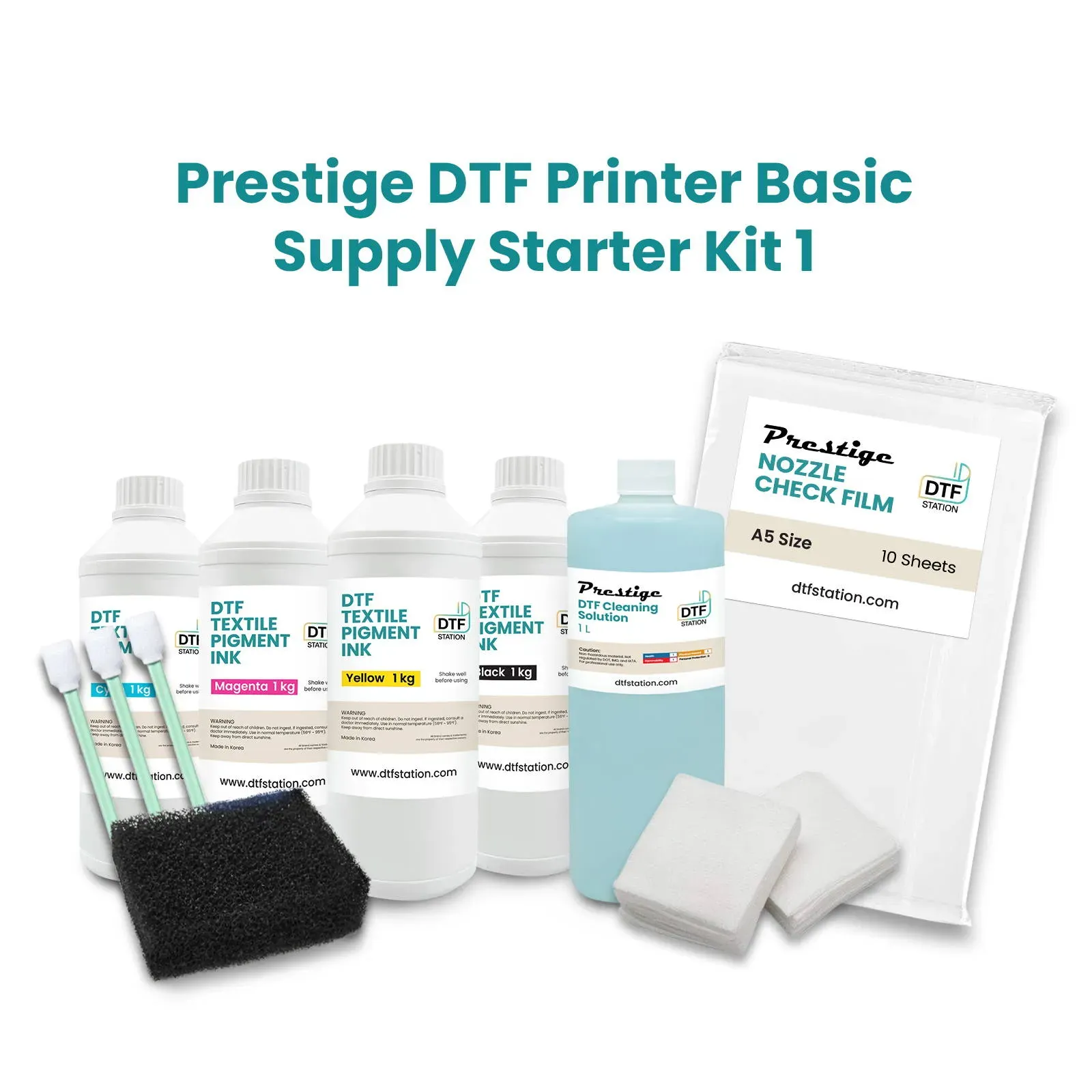
In the dynamic world of custom printing, DTF supplies have emerged as a transformative force, redefining how creators and businesses approach digital textile printing. As each day unfolds, more experts recognize the advantages of DTF printing over traditional methods, amplifying its role in delivering high-quality, on-demand print solutions. With a focus on innovation and sustainability, DTF supplies cater to the increasing demand for flexible and cost-effective printing technology. This article delves into the latest advancements in DTF, highlights its robust benefits compared to sublimation printing, and underscores its significance in the future of custom printing. Join us as we uncover the myriad ways DTF printing is revolutionizing the industry, providing fresh opportunities for decorators and entrepreneurs alike.
When discussing innovative printing methods, Direct to Film (DTF) materials have started gaining significant traction in the custom print sector. This technique, a part of the modern digital printing landscape, offers alternatives to traditional sublimation and screen printing by allowing for versatile applications across various fabrics. As brands seek to enhance their production capabilities, key benefits of DTF materials include their wide range of compatibility with different substrates and a robust output that meets the needs of both small businesses and large-scale operations. Understanding these terms and concepts is crucial in navigating the evolving sphere of digital textile printing and ensuring that you stay ahead in a competitive market.
Understanding DTF Supplies and Their Advantages
DTF supplies, or Direct to Film supplies, represent a cutting-edge technology changing the landscape of custom printing. Unlike traditional methods that require substantial machinery and setup time, DTF printing provides an efficient solution for producing high-quality prints quickly and on demand. This feature is particularly beneficial for small businesses and individual creators looking to offer personalized products without investing heavily in equipment.
The key benefits of DTF supplies extend beyond just operational efficiency. They offer vibrant colors and detailed outputs that rival those of more established techniques like sublimation printing. DTF can be used on a diverse range of materials, granting users flexibility that is particularly appealing in various markets, from fashion to home décor. This versatility positions DTF as a frontrunner in the evolving custom printing industry.
Comparing DTF Printing to Sublimation and Digital Textile Printing
When evaluating DTF printing in relation to sublimation and digital textile printing, it's essential to recognize the unique advantages each method brings. While sublimation printing is well-known for its vivid colors, it is limited to polyester and polymer-coated substrates. In contrast, DTF supplies can produce prints on a broader spectrum of materials, making them ideal for projects requiring diverse fabric types.
Furthermore, digital textile printing serves as an umbrella term encompassing various techniques, including DTF. The ability of DTF printing technology to print in high detail without the restrictions of substrate type represents a significant evolution in the sector. As businesses explore cost-effective and adaptable options for their custom printing needs, DTF is becoming increasingly favored over traditional methods.
Market Trends in the Custom Printing Industry: The Shift Towards DTF
The custom printing industry is undergoing a significant transformation, with DTF printing emerging as a noted trend due to its sustainability and efficiency. Reports indicate that as businesses strive to adopt more environmentally-friendly practices, DTF printing stands out for its lower waste and energy consumption compared to traditional methods. This shift reflects an industry-wide commitment to reducing the environmental impact of printing processes.
Moreover, the demand for on-demand printing options has surged in recent years, primarily propelled by the rise of e-commerce and personalized consumer experiences. As customers seek unique and tailored products, DTF supplies facilitate rapid production without compromising quality. This increasing reliance on digital textile printing aligns with market forecasts predicting robust growth in the DTF segment, confirming its potential to dominate future printing trends.
Innovation in DTF Technology: What You Need to Know
Recent innovations in DTF technology have paved the way for exciting advancements in print quality and production efficiency. Major suppliers, such as Insta Graphic Systems, have introduced new DTF heat transfer products that not only enhance visual appeal but also improve durability against various environmental factors. These advancements signify a shift toward offering products that withstand the test of time, crucial for businesses aiming to maintain their market edge.
These technological developments are not merely incremental improvements; they represent a significant leap towards quality assurance in custom printing. With the backing of major brands investing in DTF supplies, the credibility and viability of this technology are quickly gaining momentum. As businesses adapt to these innovations, customers can expect increasingly superior products that cater to their specific preferences and demands.
The Role of Industry Leaders in Promoting DTF Technology
The promotion and growth of DTF printing technology are significantly bolstered by industry leaders who recognize its transformative potential. Companies like Brother International are committed to showcasing the advantages of DTF through their exhibitions and product launches, thereby educating potential users about the benefits of integrating this technology into their printing operations. Such initiatives create an informed marketplace ready to embrace forward-thinking solutions.
Moreover, the collaboration between leading companies facilitates advancements in DTF supplies. By sharing knowledge and resources, these industry giants are setting the stage for broader adoption across various sectors. Their collective commitment to enhancing DTF technology reflects a unified vision of a more sustainable and efficient custom printing future, making it an exciting time for print professionals and consumers alike.
Future Predictions for DTF Printing and Sustainability
Looking ahead, the future of DTF printing appears bright, particularly as sustainability becomes a core principle within the industry. With growing consumer awareness and demand for eco-conscious practices, DTF printing aligns perfectly with these expectations by minimizing waste and energy usage. This convergence of sustainability and innovation positions DTF supplies as not only viable but essential for businesses that wish to remain relevant in the competitive market.
Experts predict that the continuous improvement in DTF technology will lead to even greater efficiencies and capabilities, allowing printers to push the boundaries of customization and creativity. As brands increasingly lean towards sustainable production practices, embracing DTF supplies will not only satisfy market demands but also foster an industry committed to responsible and innovative printing solutions.
Frequently Asked Questions
What are DTF supplies and how do they benefit custom printing?
DTF supplies, or Direct to Film supplies, are specialized materials used in DTF printing technology for creating high-quality custom prints. They benefit custom printing by enabling vibrant colors and intricate designs on a variety of fabrics, providing flexibility and efficiency for print-on-demand needs.
How does DTF printing compare to sublimation printing?
DTF printing stands out from sublimation printing primarily due to its versatility; unlike sublimation, which is limited to polyester fabrics, DTF can be used on a wide range of materials including cotton, which makes it suitable for diverse applications in custom printing.
What innovations are currently shaping the future of DTF supplies?
Recent innovations in DTF supplies include advancements in DTF heat transfer products and machinery designed for better quality and performance. These advances are crucial for businesses looking to maintain high standards in custom printing, making DTF a competitive choice in the market.
Are DTF supplies environmentally friendly compared to other printing technologies?
Yes, DTF supplies promote sustainability in custom printing. With reduced waste and less energy consumption compared to traditional methods, DTF printing is emerging as an eco-friendly alternative, making it a responsible choice for businesses focused on sustainable practices.
What type of businesses can benefit from using DTF printing technology?
A variety of businesses, including small startups, craft shops, and established apparel brands, can benefit from DTF printing technology. Its ability to produce high-quality, on-demand prints at lower costs makes it an ideal choice for custom printing solutions.
How can I get started with DTF supplies for my printing business?
To get started with DTF supplies, you should invest in a DTF printer, heat press, and the necessary films and inks. Research suppliers that specialize in DTF products, and consider taking courses or tutorials to learn the ins and outs of DTF printing technology.
| Key Aspect | Details |
|---|---|
| Introduction | DTF supplies revolutionize custom printing, making it essential to understand this technology. |
| Current Developments | Industry events reveal advancements in DTF, indicating its significance over traditional methods. |
| Comparison with Other Techniques | DTF is more versatile than sublimation, accommodating a wider range of materials. |
| Market Trends | Sustainable practices in DTF contribute to its growth and reduced environmental impact. |
| Innovations | New heat transfer products enhance print quality and durability. |
| Industry Support | Major brands are investing in DTF technology, marking its increasing acceptance. |
Summary
DTF supplies are transforming the landscape of custom printing, offering innovative solutions that cater to the diverse needs of businesses and creators. With a focus on flexibility and environmental sustainability, DTF technology stands out in the printing industry. This advancement not only promotes high-quality outputs but also enables on-demand services that are agile and resource-efficient. As we move forward, the influence of DTF supplies is expected to expand, establishing itself as a cornerstone of modern printing methodologies. For anyone involved in printing—be it a small business owner, a hobbyist, or a print professional—embracing DTF technology is crucial to capitalizing on emerging opportunities and thriving in an ever-competitive market.