
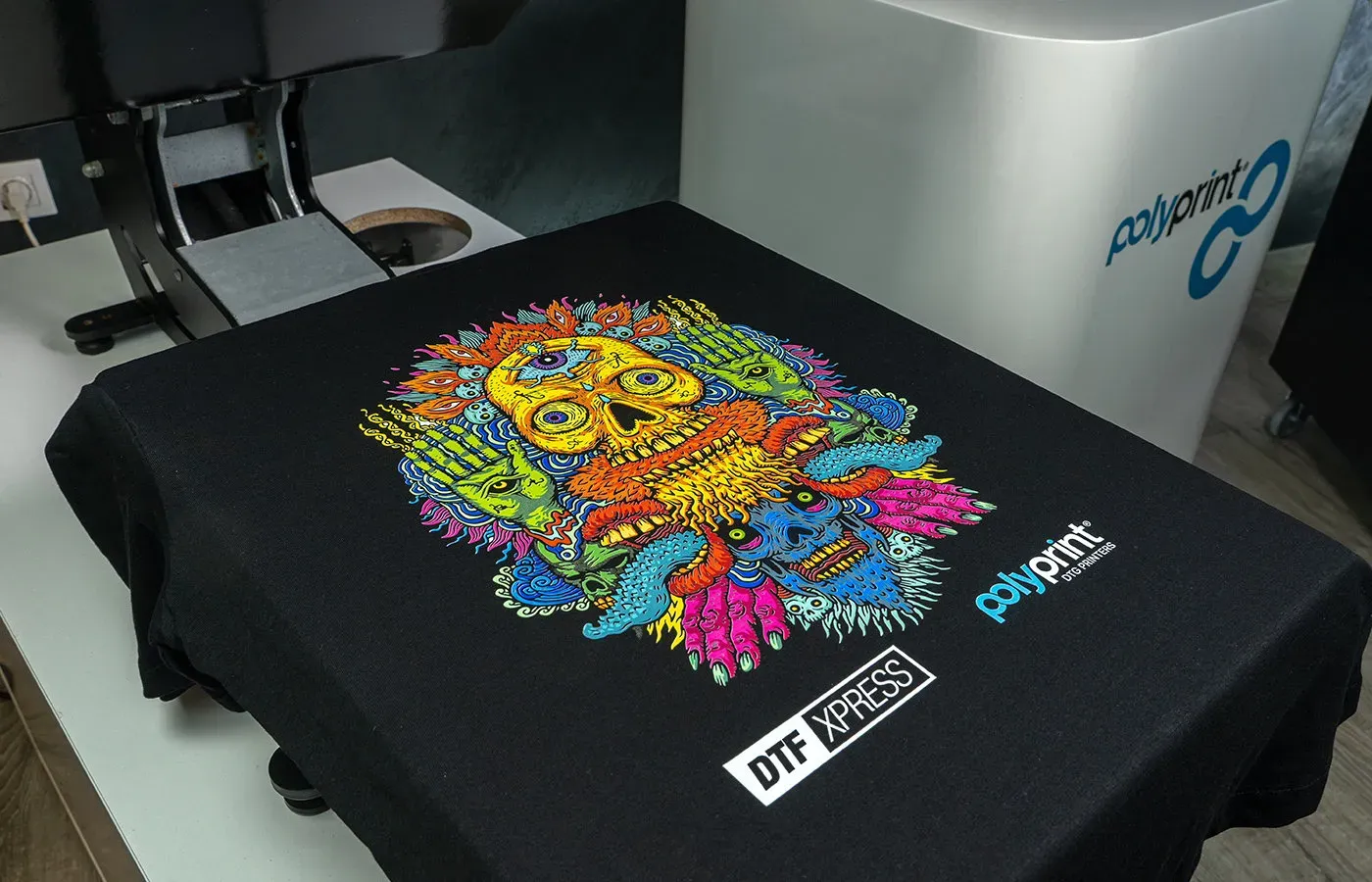
DTF printing, or Direct-to-Film printing, is rapidly becoming a transformative process in the world of textile customization. This cutting-edge technology allows users to print vibrant, intricate designs onto a specialized film, which can then be transferred onto various fabrics, ranging from cotton to polyester. In this beginner's guide, you'll discover essential information for a smooth DTF printer setup, as well as insights into the DTF printing process itself. With the right equipment, such as the best DTF printers and high-quality materials, achieving professional-grade results is within reach. Join us as we explore the world of DTF printing, outlining everything you need to create stunning designs with ease.
Known for its innovative approach, DTF printing encompasses techniques that enable artists and designers to achieve profound visual effects on textiles. By utilizing a direct-to-film method, this printing style bypasses traditional processes, providing high-resolution prints that adhere seamlessly to numerous fabric types. Beginners can dive into the direct-to-film printing guide, which outlines crucial details about printer selection and the array of necessary DTF materials and supplies. Whether you are setting up a DTF printer for personal projects or small business ventures, this introductory overview will illuminate the various facets of this exciting printing technology.
Understanding the DTF Printing Process
DTF printing is a modern technique that allows for vibrant and detailed designs to be transferred directly onto fabrics. This innovative process begins with printing a design onto a special film using a DTF printer. Unlike traditional printing methods, DTF utilizes high-quality inks that yield bright colors and sharp details, suitable for a range of materials including cotton, polyester, and blends. Once the design is printed, it is coated with an adhesive powder, which is then heat-cured to ensure the print is durable and ready for transfer.
The DTF printing process offers several advantages, particularly its ability to produce intricate designs with greater accuracy than other methods. This makes it a popular choice for custom apparel makers looking to stand out in a competitive market. Additionally, DTF printing is versatile enough to be applied to various items beyond clothing, such as bags and home textiles, making it an attractive option for businesses looking to diversify their product offerings.
Choosing the Best DTF Printers for Beginners
When starting with DTF printing, selecting the right printer is one of the most critical steps. The best DTF printers are typically those that are compatible with DTF inks and can handle specialty films. Popular choices include the Epson EcoTank series, known for their reliability and efficient ink usage. These printers can be modified for DTF production, allowing beginners to create stunning prints without investing in high-end commercial equipment right away.
Not only should beginners look for reliable models, but they also need to consider the features that support the DTF printing process, such as print resolution and the ability to handle large formats. It’s important to research and read reviews to ensure that the printer chosen can deliver the quality necessary for a professional finish. The right printer can make a significant difference in the outcome of your projects.
Essential DTF Materials and Supplies
To successfully embark on a DTF printing journey, acquiring the right materials and supplies is paramount. Essential items include DTF transfer film, which is specially designed for effective printing and ensures vibrant colors when transferred to fabric. Additionally, high-quality DTF inks are necessary to produce sharp and colorful prints that are resistant to fading.
Another vital piece of equipment is the heat press machine. This machine is used during the heat transfer phase and must be capable of reaching appropriate temperatures (usually between 300°F to 320°F) to ensure proper adhesion. Other supplies such as DTF powder adhesive are crucial for bonding the ink to the fabric during the curing process. Investing in quality materials will enhance the durability and vibrancy of your printed designs.
Step-by-Step Guide to DTF Printer Setup
Setting up your DTF printer doesn’t have to be complicated, provided you follow a structured approach. Begin by installing your printer according to the manufacturer’s instructions, ensuring that it is properly connected to your computer and has sufficient power. Calibration is crucial; adjust settings based on the type of fabric you’ll be using, as this can significantly affect print quality.
Don’t skip the calibration process, which involves fine-tuning the printer settings to achieve optimal output. Adjust the resolution settings to suit your design specifics—higher resolutions are generally better for intricate patterns, while lower settings can be employed for simpler graphics. Getting the setup right from the start will save time and materials in the long run.
Preparing Your Designs for DTF Printing
Design preparation is a crucial step in ensuring the success of your DTF printing project. Use professional design software such as Adobe Illustrator or CorelDRAW to create your graphics, taking full advantage of the software’s capabilities to produce high-resolution images. Saving your designs in the correct format—such as PNG or TIFF—is essential for compatibility with your DTF printer.
Moreover, it's important to remember to mirror your designs before printing, as the transfer method requires the image to be flipped to achieve the correct orientation on the fabric. Designing with the right dimensions and resolution will help in maintaining the quality of the prints after transfer, ensuring that the final product looks professional.
Understanding the Heat Transfer Process for DTF
The heat transfer phase is where your DTF printing truly comes to life. After printing your design on the transfer film and sprinkling the adhesive powder, it’s essential to use a heat press to transfer the image onto your fabric. This process involves setting your heat press to the recommended temperatures, usually around 300°F to 320°F, for a consistent duration of around 10 to 15 seconds.
It's critical to maintain pressure and heat consistent throughout the process for a successful transfer. After pressing, allow the design to cool before peeling away the transfer film. This cooling period enhances adhesion to the fabric, ensuring that the print remains vibrant through multiple washes. Properly executed, this step can elevate the quality and longevity of your finished product.
Frequently Asked Questions
What is the DTF printing process and how does it work?
The DTF printing process involves printing designs onto a special film using a DTF printer, then applying an adhesive powder to the wet ink. After curing the adhesive, the film is heat pressed onto various fabrics, allowing for vibrant and durable prints.
How can I set up my DTF printer for optimal performance?
To set up your DTF printer, begin by choosing a compatible model like the Epson EcoTank. Follow the manufacturer's instructions for installation, calibrate the settings based on your fabric type, and ensure you have the necessary DTF materials and supplies, including transfer film and DTF ink.
What are the best DTF printers available for beginners?
Some of the best DTF printers for beginners include the Epson EcoTank series such as L805 and L1800. These models have been widely recognized for their effective DTF printing capabilities, allowing for high-quality and vibrant prints.
What supplies do I need for DTF printing?
For DTF printing, essential supplies include a DTF printer, DTF transfer film, DTF inks, a heat press machine, and DTF powder adhesive. Optional items like a film cutter might help in achieving precise cuts for your designs.
Can DTF printing be used on different types of fabric?
Yes, DTF printing is highly versatile and can be applied to various materials, such as cotton, polyester, and blends. This makes it suitable for a wide range of applications including clothing, bags, and home textiles.
What are some common issues during DTF printer setup and how can I resolve them?
Common issues during DTF printer setup may include improper calibration, poor print quality, or adhesive sticking issues. To resolve these, refer to the manufacturer's guidelines for calibration, use high-quality DTF materials and supplies, and adjust temperature and pressure settings on your heat press.
| Key Points | Details |
|---|---|
| What is DTF Printing? | DTF printing allows for intricate designs to be printed on special film that transfers onto various fabrics, offering high quality and versatility. |
| Advantages of DTF Printing | 1. Vibrancy and Detail: Provides sharp colors and finer details. 2. Versatility: Can print on various materials, not limited to clothing. 3. Durability: Transfers are designed to withstand washes and wear. |
| Setup Process Overview | 1. Choosing the Right Printer: Look for DTF-compatible models. 2. Essential Equipment: DTF transfer film, ink, heat press machine, optional cutter. 3. Printer Setup: Follow installation instructions and calibrate settings. 4. Design Preparation: Use design software for quality graphics and save in compatible formats. 5. Printing Process: Load film, print, apply adhesive powder on wet ink. 6. Heat Transfer: Use heat press to transfer design, adjust settings based on fabric. 7. Post-Printing Care: Allow cooling before removing film, follow washing instructions for maintenance. |
| Resources for Further Learning | Blogs & Tutorials: Printful and Brother offer extensive DTF guides. YouTube Channels: Many provide tutorials and tips for successful DTF printing. |
Summary
DTF printing is revolutionizing the custom textiles industry by offering a unique way to apply designs onto fabrics with exceptional detail and durability. As a beginner looking to dive into DTF printing, the process may initially seem overwhelming; however, by carefully considering the equipment needed and following the outlined setup steps, you can enter this creative field with confidence. This innovative printing method not only allows for vibrant and versatile applications across various materials but also empowers individuals and businesses to create high-quality, personalized products. Embracing DTF printing could very well be your next big step into the world of custom apparel.