
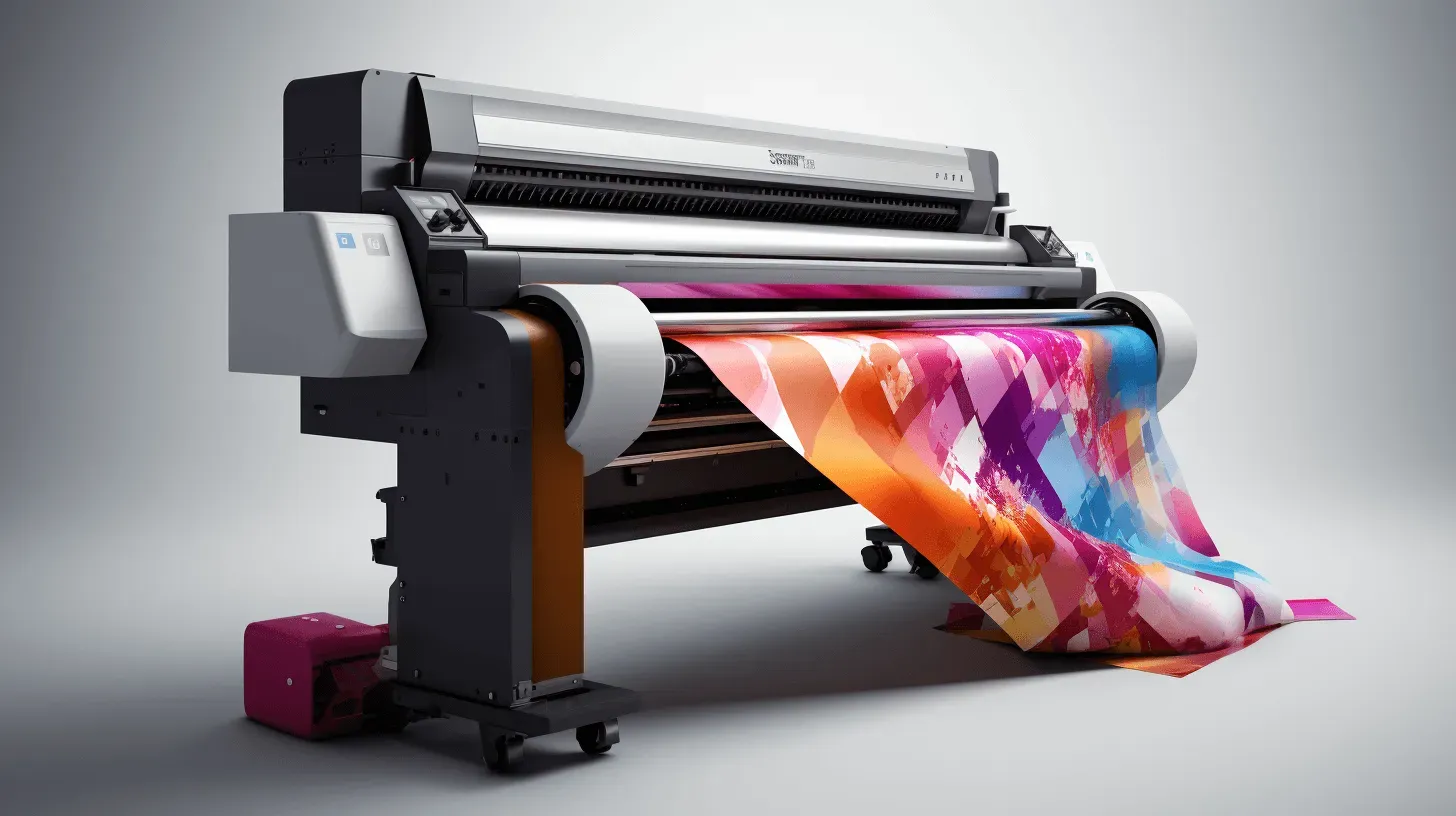
DTF printing, or Direct-to-Film printing, is revolutionizing the custom apparel industry with its unique method of transferring designs directly onto fabric. This cutting-edge printing technology excels by using heat to apply vibrant prints onto garments, making it a popular choice among businesses and consumers alike. As the demand for personalized clothing surges, the advantages of DTF printing, such as high-quality results and the ability to print on various materials, make it stand out from traditional methods like screen printing. Additionally, understanding DTF applications and its limitations is crucial for anyone looking to incorporate this technology in their production processes. Join us as we explore the dynamic world of DTF printing, its myriad benefits, and essential considerations for effective use.
Direct-to-Film technology, often shortened to DTF, represents an innovative approach in the realm of garment decoration and custom design. This technique, which allows for intricate artworks to be printed and transferred onto a variety of fabric types, is gaining popularity over conventional printing methods. The versatility of DTF applications makes it ideal for a range of products, from t-shirts to promotional items. However, it’s important to also take note of the potential limitations of this process, such as initial investment costs and fabric suitability issues. As we delve deeper into its features, we’ll uncover why DTF printing is an effective solution for modern custom apparel needs.
Understanding DTF Printing Technology
Direct-to-Film (DTF) printing is an innovative advancement in the world of custom apparel manufacturing. This technology allows designers and businesses to create detailed, high-resolution images that are transferred onto fabric using heat and pressure. Unlike traditional printing techniques, DTF utilizes a specialized film and adhesive process that ensures vibrant colors and intricate designs are embedded in the fabric. The result is a soft finish that resembles the texture of the fabric, which is a significant improvement over more rigid methods such as screen printing.
With DTF printing, versatility is a standout feature, as it can be applied to a wide array of materials, including cotton, polyester, and blends. This capability expands creative avenues for artists and businesses, promoting the development of unique designs for various apparel types. As this technology continues to evolve, the possibilities for custom apparel are endless, making DTF a popular choice for both small startups and larger manufacturing operations.
Advantages of DTF Printing Over Traditional Methods
One of the most compelling benefits of DTF printing is the exceptional print quality it offers. This method produces crisp, vibrant colors and highly detailed designs that are not only visually stunning but also durable against wear and tear. The longevity of DTF prints is especially important for businesses looking to create lasting impressions with their custom apparel. Furthermore, the soft feel of DTF transfers on fabric ensures that wearers enjoy comfort without compromising the visibility of the design.
Another significant advantage of DTF printing lies in its efficiency and cost-effectiveness for small production runs. Traditional printing methods often require costly setups and are less suitable for smaller batches. In contrast, DTF printing can be implemented without extensive investments, allowing businesses to cater to individual customer requests or limited edition runs without facing prohibitive costs. This flexibility not only enhances profitability but also aligns well with current market demands for personalized products.
Exploring DTF Applications in Custom Apparel
DTF printing technology has found a prominent place in custom apparel production, allowing businesses to create a variety of clothing items including t-shirts, hoodies, and caps. The adaptability of DTF to different fabric types means that designers can experiment with patterns and colors without worrying about compatibility issues. This increases the appeal of custom apparel for consumers looking for unique and personalized options, thus driving sales for businesses engaged in this technology.
Moreover, manufacturers are leveraging DTF printing for promotional merchandise. Businesses can create branded items that stand out in a crowded market, utilizing DTF to produce sharp images that effectively communicate their brand identity. As promotional events demand eye-catching materials to attract attention, DTF's high-quality outputs play a crucial role in marketing strategies that resonate with target audiences.
Limitations and Challenges of DTF Printing
Despite its many benefits, DTF printing does have limitations that businesses must consider. One major challenge associated with this technology is related to setup and maintenance. Although the initial process may sound user-friendly, achieving optimal print quality requires careful calibration and regular maintenance of the printers. Inexperienced users might find themselves struggling with the complexity of operation after the initial learning curve, which can affect overall productivity.
Additionally, while DTF offers versatility across various fabrics, it may not perform equally well on all material types. Certain treatments or coatings on fabrics can result in subpar adhesion of the print, raising concerns about the durability of the final product. Therefore, it becomes imperative for manufacturers to test fabrics prior to full-scale production to ensure quality control and customer satisfaction.
Future Trends in DTF Printing Technology
The future of DTF printing is promising as ongoing advancements in technology continue to refine and enhance its capabilities. As manufacturers invest in cutting-edge DTF machines, improvements in print speed, quality, and efficiency are expected. Future machines may incorporate automation and smarter software solutions, enhancing user experience and reducing the learning curve for new users.
Moreover, the expansion of sustainable practices within DTF printing could create new opportunities for eco-friendly production methods, appealing to environmentally conscious consumers. Manufacturers are exploring the use of water-based inks and recyclable films, which could make DTF printing a more attractive option for brands looking to reduce their carbon footprints while still delivering high-quality custom apparel.
Why Choose DTF Printing for Your Business
Choosing DTF printing for your business can unlock numerous advantages, especially in the realm of custom apparel. The ability to produce high-quality prints with impressive color vibrancy sets DTF apart from other printing techniques. This visual appeal is crucial in today’s competitive market, where brands fight for consumer attention. DTF allows businesses to turn creative designs into tangible products that captivate customers and generate sales.
In addition, DTF printing offers an accessible entry point for small businesses wanting to expand their product offerings without the significant overhead associated with traditional methods. The low setup costs and adaptability to limited runs enable entrepreneurs to experiment with different styles and designs, thus aligning their production with market trends and consumer preferences. This flexibility further solidifies DTF as a prominent choice for businesses aiming to thrive in the ever-evolving custom apparel landscape.
Frequently Asked Questions
What are the main advantages of DTF printing compared to other methods?
DTF printing offers several advantages, including high-quality prints with vibrant colors, flexibility on different fabrics, a user-friendly process, and cost-effectiveness for small production runs. These benefits make DTF printing a compelling choice for custom apparel production and promotional merchandise.
What applications are best suited for DTF printing?
DTF printing is ideal for various applications, particularly in custom apparel production such as t-shirts and hoodies. It is also used extensively for promotional merchandise, allowing businesses to create branded items, and in the fashion industry for producing innovative designs quickly.
What are some limitations of DTF printing?
DTF printing has limitations that include setup and maintenance challenges for inexperienced users, potential durability issues with certain treated fabrics, and higher initial investments for advanced DTF equipment. These factors should be carefully considered before adoption.
How durable are prints created using DTF printing?
DTF printing creates durable prints that can withstand washing and wear, but durability can vary based on the fabric used. Some materials may not hold DTF prints as well, affecting longevity, so it’s essential to choose compatible textiles for optimal results.
Is DTF printing a cost-effective option for small businesses?
Yes, DTF printing is generally cost-effective for small production runs, requiring lower initial investments compared to traditional screen printing. This affordability allows small businesses to offer custom apparel without significant overhead, making it an attractive choice.
What types of fabrics can be used with DTF printing?
DTF printing works well on a wide range of fabrics, including cotton, polyester, and blends. Its versatility is one of its key advantages, enabling creative designs on various apparel types. However, businesses should ensure fabric compatibility to guarantee print quality.
| Advantages | Applications | Limitations |
|---|---|---|
| High-quality, vibrant prints that are soft to the touch and durable. | Ideal for custom apparel production such as t-shirts and caps. | May require careful calibration and maintenance, which can be challenging for beginners. |
| Versatile across many fabric types, including cotton and polyester. | Used for promotional merchandise that requires detailed designs. | Effectiveness can vary based on fabric type, leading to durability concerns. |
| User-friendly process that allows quick project setup. | Supports innovations in the fashion industry with rapid prototyping. | Higher initial investments needed for advanced systems can deter small businesses. |
| Cost-effective for small production runs compared to traditional methods. |
Summary
DTF printing represents a groundbreaking approach in custom apparel, merging high-quality results with versatile applications. The unique ability of DTF to deliver vibrant and durable prints on various fabric types has made it a preferred choice for many businesses looking to produce custom merchandise. Whether for personal or business use, understanding its advantages will enable users to fully take advantage of what DTF printing can offer. However, awareness of its limitations regarding setup, fabric compatibility, and costs is essential for making informed decisions. As this technology evolves, it promises even greater potential for innovation in the garment industry.