
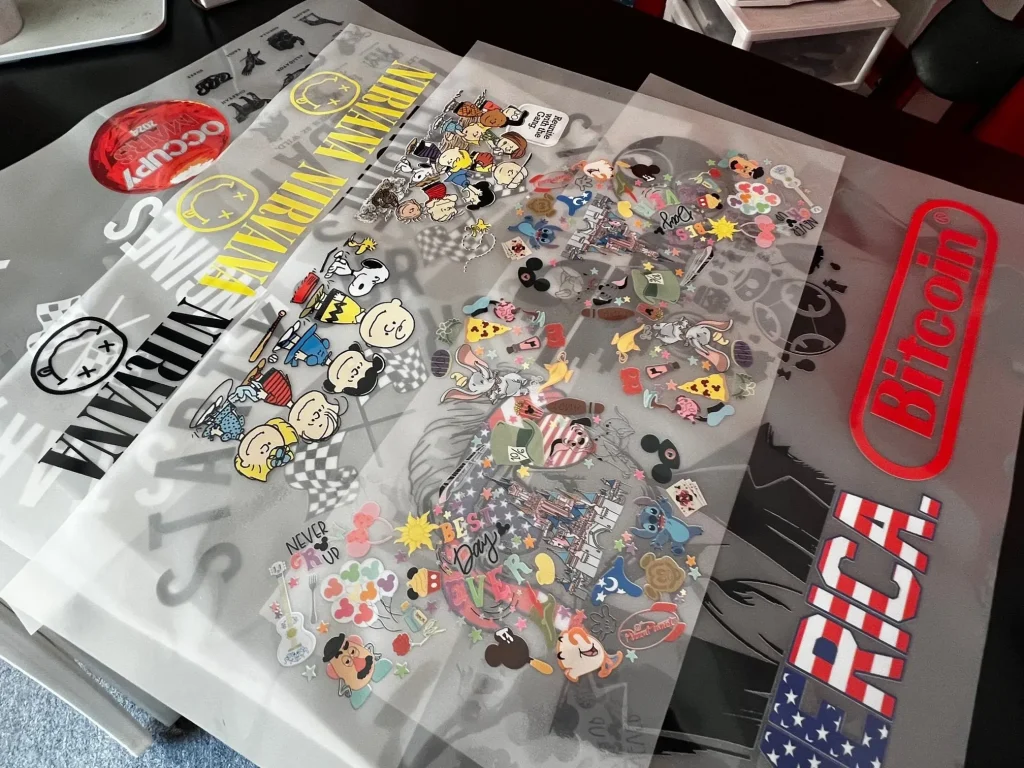
DTF gangsheets have become a game-changer in the world of fabric printing, offering an innovative way to maximize efficiency while showcasing multiple designs in one go. This unique approach to Direct-to-Film (DTF) printing allows designers to strategically place images on gangsheets for optimal use of materials, resulting in less waste and cost-effective production. To create stunning DTF gangsheets, it’s essential to consider factors like layout, color management, and the selection of printing materials. In this guide, we will delve into expert design tips and techniques that ensure your gangsheets are both aesthetically pleasing and functional. Whether you’re a seasoned professional or just starting out, mastering the art of DTF printing and gangsheets layout can elevate your creations to new heights.
The realm of Direct-to-Film printing, often referred to as DTF printing, has introduced exciting possibilities for garment decorators and designers alike, particularly through the use of printable gangsheets. This method allows for the efficient arrangement of multiple digital designs on a single print surface, optimizing both time and materials. By incorporating sound color management practices and utilizing the right printing materials, creative professionals can produce vibrant and eye-catching fabric prints. Understanding the nuances of gangsheets and implementing effective design strategies is key to achieving outstanding results in this rapidly evolving industry. In this overview, we will explore the essentials of gangsheets while highlighting design tips that lead to successful DTF printing outcomes.
Mastering the Art of DTF Gangsheets Design
Designing DTF gangsheets involves a blend of creativity and technical skill. To create an effective gangsheets layout, start by understanding the spatial dimensions of your designs. Organize your designs using grid systems that maintain adequate spacing; this will prevent overlapping and ensure that each design cuts cleanly. Remember that visual balance plays a crucial role; designs should be arranged in such a way that neither overwhelms nor underemphasizes the others. Effective use of positioning can enhance how well the overall sheet resonates with viewers.
Additionally, don’t underestimate the power of negative space in your design. Incorporating enough blank areas between your designs not only serves a functional purpose during the printing process but also helps to direct the viewer’s attention to the most important aspects of your artwork. Furthermore, combining various designs that complement one another can create a cohesive look that captures attention while being aesthetically pleasing. Experimentation with layouts and arrangements will help you find a unique style that reflects your artistic vision.
Essential Color Management Techniques for Stunning Results
Effective color management is vital for the success of DTF gangsheets. Start by selecting a color palette that not only resonates with your brand but also reflects current design trends. By utilizing the CMYK color model, you can ensure that your printed colors stay true to your digital designs. Before finalizing your palette, take time to create swatches and compare them on various materials to confirm their vibrancy and accuracy. This step is crucial, as colors can appear differently on film and fabric.
Moreover, incorporating complementary color schemes can elevate the visual impact of your designs. Utilize tools like color wheel applications to explore various combinations that can make each design pop. Remember that contrast plays a significant role in visibility, so pairing bold colors with softer tones can create dimension and ensure clarity. Consistently applying these color management techniques can help you produce industry-leading DTF gangsheets that impress both clients and consumers alike.
Preparing Your Files for Optimal DTF Printing
The preparation of your graphic files is critical in achieving high-quality DTF prints, particularly when designing gangsheets. It is recommended to use files with a resolution of at least 300 DPI for sharp, detailed images. This ensures that when your designs are scaled up during printing, they maintain their clarity. Additionally, employing vector graphics formats is highly advantageous; vector files are infinitely scalable without losing quality, making them ideal for larger designs that may be printed on diverse fabric types.
Furthermore, naming your layers in your design software can greatly enhance your workflow when preparing gangsheets. Clear layer organization allows for faster edits and adjustments during the design process. Additionally, be mindful of the file formats you choose for export. Saving in formats that are widely accepted by printing professionals, such as PNG or TIFF, can minimize compatibility issues. Proper file preparation ensures not just a seamless printing process but also a final product that lives up to your creative vision.
Choosing the Right DTF Printing Materials
Selecting the appropriate materials for DTF printing is pivotal for achieving stunning gangsheets. The choice of DTF film is especially significant, as different film types can impact the durability and vibrancy of the prints. High-quality films typically yield better results, ensuring that colors remain bright and lasting on fabrics. Always test different films to find the best match for your specific designs, as variations may greatly affect the printing process.
In addition to film selection, consider the inks used in the printing process. Water-based DTF inks are popular for their vivid colors and eco-friendliness, making them suitable for various fabrics. It’s essential to stay informed about innovative materials in the market, as advancements can enhance the quality of your gangsheets. Remember, experimentation here can lead to discovering optimal combinations that achieve the best possible finish for your prints.
Top Software Tools for DTF Gangsheets Creation
Proficiently using graphic design software is essential for creating professional DTF gangsheets. Programs like Adobe Illustrator and CorelDRAW are industry standards because they provide a suite of powerful tools designed for detailed artwork creation. Features such as layers and pathfinder tools facilitate a more organized workflow and allow for precise adjustments in your designs. Learning to navigate these applications effectively will significantly enhance the quality of your gangsheets.
Furthermore, many of these software programs come with advanced capabilities that can help in managing color profiles and preparing your prints for optimal output. Familiarize yourself with features like color separation, halftone effects, and the use of custom brushes to truly elevate your designs. Regularly updating your skills through tutorials and online workshops can ensure you remain competitive and innovative in the rapidly evolving DTF printing landscape.
Insights from Industry Experts on DTF Gangsheets
Engaging with industry experts can provide invaluable insights into optimizing your DTF gangsheets. Experienced builders emphasize the importance of testing your designs before embarking on large-scale printing. Producing a few test prints allows you to analyze the final product for color fidelity and overall print quality, enabling you to make necessary adjustments before full production runs. This practice not only saves material costs but also enhances the likelihood of meeting client expectations.
Moreover, industry experts encourage continuous learning and adaptation to new techniques and technologies in the DTF printing world. Networking with fellow designers and attending relevant workshops can expose you to innovative practices that could enhance your production quality. Engaging with communities through forums and social media can also create opportunities for collaboration, leading to fresh ideas and a diverse approach to DTF gangsheets design.
Frequently Asked Questions
What are DTF gangsheets and how do they improve efficiency in DTF printing?
DTF gangsheets are a compilation of multiple designs arranged on a single piece of film for Direct-to-Film (DTF) printing. This method maximizes the use of the film, minimizes waste, and optimizes the printing process by allowing several images to be printed simultaneously, leading to enhanced efficiency.
What design tips should I consider when creating DTF gangsheets?
When designing DTF gangsheets, ensure you have adequate spacing between designs to avoid overlaps. Use grid systems for organizing layouts, maintain a color palette that is vibrant and accurate using the CMYK model, and prepare files at a resolution of at least 300 DPI for optimal print quality.
How does color management impact the outcome of DTF gangsheets?
Color management is crucial in DTF gangsheets as it ensures that the colors you design with closely match the final printed result. Using the CMYK color model helps in achieving color accuracy, while a carefully chosen color palette enhances the visual appeal of your printed fabric.
What materials are best to use for DTF gangsheets?
Selecting the right DTF film and inks is vital for producing high-quality gangsheets. Different films can yield varying results, so experimenting with various options is recommended to find the best combination that matches your design specifications.
Which software tools are best for designing DTF gangsheets?
For designing DTF gangsheets, graphic design software like Adobe Illustrator and CorelDRAW are highly recommended. These tools provide precise control over design elements, allowing for the creation of high-quality images and effective gangsheets layouts.
How can testing prototypes benefit my DTF gangsheets production?
Testing prototypes of your DTF gangsheets allows you to evaluate color fidelity, print quality, and fabric compatibility before full-scale production. This practice helps identify and rectify any issues, reducing waste and preventing costly reprints.
| Key Point | Details |
|---|---|
| Introduction to DTF Printing | DTF printing enables versatile and creative designs, using gangsheets to improve efficiency and reduce waste. |
| Understanding Gangsheets | Gangsheets compile multiple designs on a single film for cost-effectiveness and efficiency, minimizing environmental waste. |
| Design Layout | Adequate spacing in the layout prevents overlaps and maintains the integrity of each design. |
| Color Management | Using vibrant colors and ensuring accuracy with CMYK for print fidelity enhances appeal. |
| File Preparation | Files should be prepared at 300 DPI resolution, using vector graphics for optimal quality. |
| Software and Tools | Graphic design software like Adobe Illustrator or CorelDRAW allow precise control and professional results. |
| Material Selection | Different DTF films and inks affect the final output; experimenting helps find the best options. |
| Testing Designs | Printing test copies before full production ensures quality and color fidelity. |
| Staying Updated | Keeping informed on industry techniques and materials is essential for successful DTF printing. |
| Prototyping Ideas | Creating prototypes helps identify issues early, minimizing waste and costly changes. |
| Collaborative Opportunities | Networking with designers can lead to innovative solutions and broaden your audience. |
Summary
DTF gangsheets are crucial for maximizing printing efficiency and creativity in fabric designs. By expertly compiling multiple images on a single film sheet, designers can significantly cut costs and reduce waste while producing visually engaging prints. The journey to creating effective DTF gangsheets involves understanding design layout, color management, file preparation, and the choice of materials. Moreover, collaborating with experienced professionals and utilizing advanced design software can help elevate the quality of your output. In today’s dynamic market, leveraging these tips will not only showcase your artistic abilities but also enhance productivity, setting you apart from the competition.

