
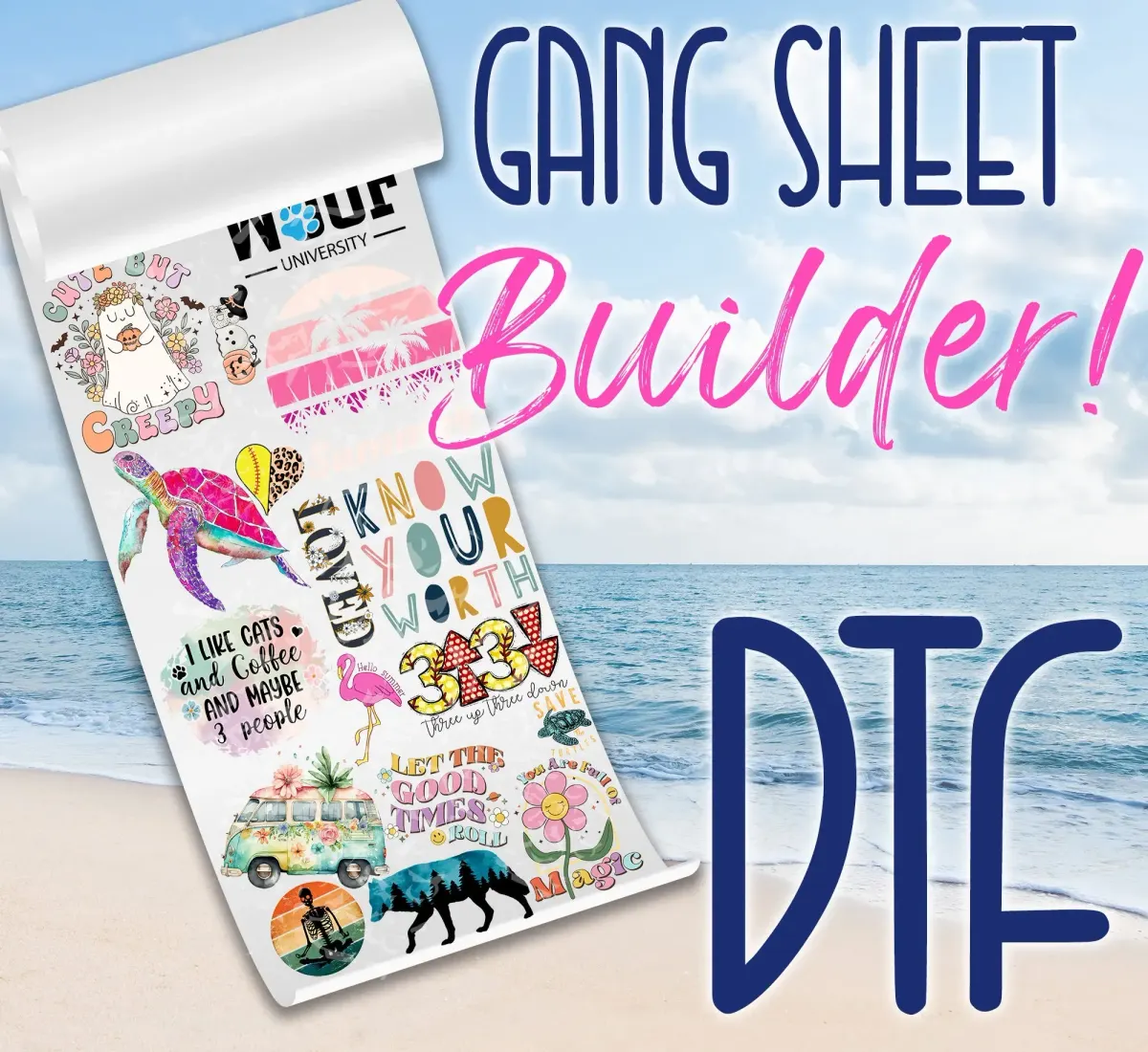
If you’ve ever dreamed of creating vibrant, custom fabric designs from the convenience of your home, then DIY DTF transfers might be the perfect project for you. This innovative method of DTF printing allows you to achieve professional results without the hefty price tag of commercial printing services. With the right tools and a bit of creativity, you can learn how to use DTF transfers to personalize everything from T-shirts to tote bags. In this guide, we will take you through the exciting DTF transfer process, providing essential tips and materials needed to make DTF transfers at home successfully. Get ready to unleash your creative potential and dive into the world of DTF printing tips that will elevate your designs to the next level!
Direct-to-Film (DTF) printing is revolutionizing how apparel enthusiasts create custom designs at home. This technique enables users to print intricate graphics onto a special film, which can then be transferred to various fabrics with ease. By utilizing DTF transfers, hobbyists and small businesses alike can capitalize on an efficient means of producing high-quality prints. With the blend of creativity and technology in the DTF transfer process, many are discovering the joys of crafting unique clothing that stands out. Whether it's for personal use or entrepreneurial endeavors, mastering this technique opens a world of exciting possibilities for fabric-based art.
Understanding the DTF Transfer Process
DTF printing, or Direct-to-Film printing, is a creative technique that allows users to produce stunning apparel designs from home. This method begins with printing your desired graphic onto a specialized transfer film, which is then adhered to fabric using heat and pressure. This process stands out because it supports a variety of intricate designs and vibrant colors, extending beyond the limitations of traditional vinyl or screen printing. As a result, DTF becomes increasingly popular not only for home crafters but also for small business owners looking to create custom apparel.
The beauty of the DTF transfer process lies in its versatility. Whether you’re printing on cotton, polyester, or even blended fabrics, DTF transfers provide a vibrant result due to the high-quality printed inks. Once you master the process, you'll be able to explore endless creative possibilities for your T-shirt prints, making this method a valuable tool for anyone interested in fabric printing.
Step-by-Step Guide: How to Use DTF Transfers
To successfully undertake DIY DTF transfers, begin with creating your design. Utilize graphic design software such as Adobe Illustrator or even free options like Canva to develop visually appealing graphics that make the most of DTF printing. Ensure your design colors are bold and vibrant, as this heightens the overall visual impact of the transfer. It's crucial to mirror your design if it includes text or specific shapes, ensuring it appears correctly on the final product.
Once your design is ready, the next step involves printing directly onto the DTF transfer film using DTF ink. Proper printer settings are essential for achieving high-quality results, especially concerning saturation and contrast. After printing, allow the ink to dry before applying adhesive powder to secure the image on the film. These steps are fundamental to perfecting the DTF transfer process and achieving the desired professional finishes.
Essential Materials for DIY DTF Transfers
Before diving into DTF printing, it's essential to gather a few critical materials. First, invest in a DTF printer or modify an inkjet printer that is compatible with DTF materials. Secondly, acquire DTF transfer film, which is specially coated to ensure optimal adhesion of the ink. Furthermore, you'll need adhesive powder that helps bond the ink with the fabric during the transfer process, along with a reliable heat press machine to apply the required heat and pressure.
In addition to these tools, graphic design software plays a vital role in the DTF printing journey. The ability to design your transfers digitally allows for greater creativity and customization. By assembling these essential materials, you set the foundation for achieving professional-quality DTF transfers right in your workspace.
Tips for Effective DTF Printing
When embarking on your DTF printing endeavor, several tips can help ensure a successful outcome. One of the most important considerations is to optimize your printer settings according to the materials used. Utilize high-quality transfer films and inks to avoid disappointing results, as this will significantly impact the vibrancy and quality of your prints. Conduct test prints on scrap material to refine your settings before committing to your final production.
Additionally, experimenting with different fabric types and design elements may unlock unexpected results. Each fabric will react differently to the heat and ink, which can lead to unique outcomes. Thus, maintaining an attitude of exploration and learning can amplify your skillset in mastering DTF transfers.
Avoiding Common Pitfalls in DTF Printing
As with any craft, there are common pitfalls to avoid in the DTF transfer process to achieve the best results. One frequent mistake is mismanaging the temperature settings on your heat press. Different fabrics and adhesive powders require specific heat levels, and failing to accurately set these can lead to ruined designs. Always double-check the recommended settings for each material used to ensure the longevity of your transfers.
Another mistake often made by beginners is skipping the vital step of curing the adhesive. Properly curing the adhesive powder is crucial for ensuring a strong bond between the ink and the fabric. Without adequate curing, you risk having your design peel off after just a few washes, leading to unnecessary frustration. Investing time in understanding these common pitfalls can greatly enhance your DTF printing experience.
Final Touches and Care for Your DTF Transfers
After applying your DTF transfer, it's essential to take specific steps to ensure the longevity and quality of your design. Allow the transfer to cool completely before handling it to prevent any shifting or smudging. Additionally, when washing your garment for the first time, always wash it inside out in cold water and refrain from using fabric softeners. This practice helps maintain the integrity of the print and extends the lifespan of your custom apparel.
Furthermore, consider the type of detergent used during washing; using mild detergents can contribute to better preservation of printed designs. Following these care instructions will keep your DTF transfers looking vibrant and fresh long after they’ve been applied, allowing you to enjoy your custom creations for years to come.
Frequently Asked Questions
What are DIY DTF transfers and how do they work?
DIY DTF transfers involve a printing method called Direct-to-Film (DTF), where designs are printed onto a special film using a DTF printer and DTF inks. The image is then transferred onto fabric using heat and pressure, allowing for vibrant, detailed prints suitable for various materials.
How do I use DTF transfers at home effectively?
To use DTF transfers at home effectively, ensure you have the right materials such as a DTF printer, DTF transfer film, and adhesive powder. Create your design in graphic design software, print it, apply adhesive, and then use a heat press to transfer the design onto your chosen fabric.
What materials do I need to make DTF transfers at home?
To make DTF transfers at home, gather a DTF printer, DTF transfer film, adhesive powder, a heat press machine, and graphic design software. These materials are crucial for achieving professional-quality prints.
What are some tips for successful DTF printing?
For successful DTF printing, use high-quality materials, adjust printer settings for optimal color output, conduct test prints on scrap fabric, and ensure proper curing of adhesive to avoid peeling after washing.
Can I use DTF transfers on any fabric?
Yes, DTF transfers are versatile and can be applied to various fabric types, including cotton, polyester, and blends. This makes DTF printing a great option for diverse apparel projects.
What common pitfalls should I avoid when doing DIY DTF transfers?
Common pitfalls to avoid in DIY DTF transfers include incorrect temperature settings, skipping the curing process for adhesive, and using low-quality films or inks, as these can lead to disappointing results and reduced durability of prints.
| Key Point | Details |
|---|---|
| What is DIY DTF Transfers? | A method of printing designs onto a special film for fabric transfer, allowing for high-quality custom T-shirt prints at home. |
| Benefits of DTF Transfers | Versatile, color vibrant, and durable; can be applied to various fabric types without fading. |
| Materials Needed | DTF printer, transfer film, adhesive powder, heat press machine, graphic design software. |
| Step-by-Step Process | 1. Create your design 2. Print the design 3. Apply adhesive powder 4. Transfer to fabric 5. Final touches and care. |
| Tips for Professional Results | Adjust printer settings, use quality materials, do test prints, and experiment with designs and fabrics. |
| Common Pitfalls | Incorrect temperature settings, skipping curing steps, and using low-quality materials can ruin transfers. |
Summary
DIY DTF Transfers empower you to create stunning custom apparel right from your home, delivering professional-quality prints with relative ease. This method stands out for its versatility, allowing applications on various fabric types while ensuring vibrant colors and remarkable durability. By understanding the intricacies of the process, from selecting the right materials to adhering to best practices in printing and transferring, anyone can achieve eye-catching results. Embrace your creativity and start exploring the exciting realm of DIY DTF Transfers today, where the possibilities for unique designs are endless!