
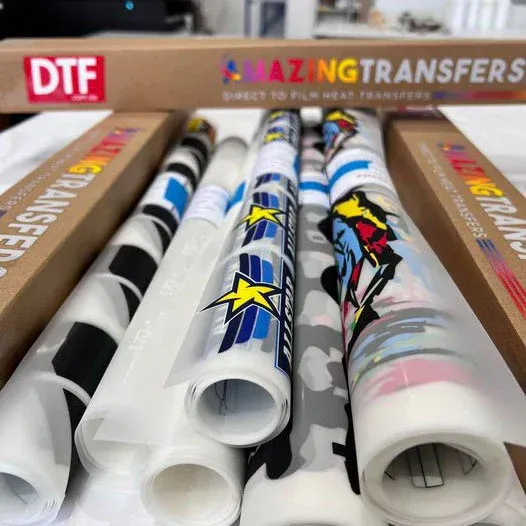
Cost-Effective UV DTF Transfers are reshaping how lean brands bring designs to life for on-demand, small-batch apparel lines nationwide. For startups, this approach blends vibrant color, durability, and simple workflows that fit tight budgets and evolving product lines, helping teams move from design concept to customer-ready items faster. From a cost perspective, it lowers DTF printing costs by reducing setup time, minimizing waste, and speeding proofing. The design guidance emphasizes scale-friendly choices, reducing wasteful variations and supporting rapid iteration across multiple product sketches. With careful planning, startups can test concepts quickly while maintaining quality and control over costs, customer satisfaction, and delivery timelines.
From an alternative-terminology standpoint, this method can be described as UV-curable film transfers, digital-on-film printing, or on-demand textile decoration. It’s also known as UV print-on-film techniques that let you apply full-color imagery with minimal setup and waste. This framing aligns with LSI principles, linking concepts like ink chemistry, color management, and streamlined workflows to the core idea. For startups, adopting a film-based transfer strategy supports fast product cycles, low upfront risk, and on-demand small-batch production. In short, the same technology can be discussed in several related ways to reach broader audiences and search terms.
1. Cost-Effective UV DTF Transfers
Cost-Effective UV DTF Transfers offer startups a compelling way to bring designs to life without tying up capital in large inventories. The combination of vivid color, durable image quality, and straightforward workflows makes it possible to run small batches and test ideas quickly. For lean teams, this approach reduces both upfront investment and risk, while preserving the ability to deliver professional, gallery-worthy prints on demand. As a result, you can explore multiple designs, iterate based on customer feedback, and scale only when a concept proves itself—without the burden of traditional print runs.
When evaluating the total cost of ownership, consider not just the sticker price of the printer but also ongoing expenses like films, inks, transfer sheets, electricity, and maintenance. Cost-saving tips for printing, such as optimizing color counts and minimizing waste through efficient file preparation, can dramatically reduce DTF printing costs over time. For startups, UV DTF transfers strike a balance between affordability and quality, supporting rapid experimentation while keeping per-unit costs under control.
2. UV DTF Transfers vs Other Methods: A Startup’s Guide to DTF Printing Costs
Comparing UV DTF transfers with alternatives like screen printing, sublimation, and traditional heat transfer helps startups identify the most cost-efficient path for their product mix. In many low-volume scenarios, UV DTF transfers deliver lower per-unit costs since you don’t need screens or complex color separations. They also enable full-color, photo-like designs without the long setup times common to other methods, contributing to faster time-to-market.
However, for large runs with established demand, traditional screen printing can become more economical due to economies of scale. Sublimation, while vibrant on polyester fabrics, has fabric limitations and white-ink challenges on dark garments. By analyzing yield, waste rates, and the real cost per unit, startups can decide when UV DTF transfers provide the best balance of speed, flexibility, and image quality for small batches and pilot lines.
3. Choosing Equipment and Materials for Affordable DTF Printing
The initial equipment choice for UV DTF printing should prioritize value without sacrificing reliability. Look for cost-conscious kits that include a UV-capable printer, a dependable curing system, and starter supplies of transfer films and inks. When evaluating options, consider the total cost of ownership: ongoing ink usage, film consumption, spare parts, and energy use. The right combination of printer and curing setup can reduce downtime and ensure consistent results across batches, which is essential for startups managing DTF printing costs.
Material quality matters just as much as hardware. Cheaper transfer films may seem attractive upfront but can lead to ink bleed, inconsistent adhesion, or shorter durability—driving up returns or reprints. Investing in reliable films and inks with good print head compatibility, color gamut, and durability can lower long-term costs by reducing reprints and customer dissatisfaction. Choose materials that align with your garment types, fabrics, and recurring production tempo to maintain steady output while keeping DTF printing costs predictable.
4. Design Strategies to Minimize Costs and Maximize Impact
Smart design practices can substantially cut production costs while preserving impact. Use vector-based artwork for crisp lines, limit the color palette to reduce passes, and plan for a white underbase on dark fabrics to improve pop with fewer ink layers. By designing with cost in mind, you can lower per-unit ink usage and shorten print times without compromising the look of your UV DTF transfers.
Testing is a critical part of cost control. Create several design variants and check how well they hold up under heat and wash cycles. Calibrate gradients and solid color blocks so that shading doesn’t require excessive passes. A thoughtful design approach helps you reduce waste, cut reprints, and deliver reliable, high-quality transfers that reinforce your brand’s value proposition.
5. Lean Workflows and Process Optimization for Startups DTF Transfers
A lean workflow is the backbone of cost-effective production. Centralize design files, standardize file formats, and establish a repeatable press schedule to minimize setup time. Batch similar transfers to reduce handling, energy consumption, and machine idle time. By using presets for heat-press times and temperatures, startups can cut down on trial-and-error iterations and stabilize output across fabrics.
Efficient file preparation and color management reduce waste and speed fulfillment, which is vital during launches or spikes in demand. Maintain a small library of tested settings for common fabrics like cotton and poly blends, and ensure proper storage to prevent color drift. A disciplined workflow also supports better supplier negotiation and predictable DTF printing costs, helping your business scale with confidence.
6. Quality, Durability, and Customer Satisfaction in Cost-Conscious DTF Transfers
Quality remains central even when costs are a concern. The durability of UV DTF transfers depends on cure time and temperature, substrate compatibility, and the number of wash cycles your garments endure. Provide customers with clear care instructions to extend transfer life, protect your brand reputation, and minimize returns. If you observe cracking, peeling, or fading, review curing parameters and fabric compatibility to determine whether adjustments are needed.
A strong post-purchase experience can help startups maintain loyalty while managing DTF printing costs. Quick replacements, transparent care guides, and proactive support reduce the financial impact of quality issues. By balancing affordability with reliability, you can build trust with customers and investors while delivering vibrant, durable transfers that meet your brand’s promises.
Frequently Asked Questions
What are cost-effective UV DTF transfers, and why should startups consider them for DTF printing?
Cost-effective UV DTF transfers use UV-curable inks and a transfer film to create durable, full-color designs on fabric with heat. They offer quick setup, minimal upfront investment, and strong image quality, making them appealing for startups handling small runs and rapid design testing. For startups, this approach can lower DTF printing costs while maintaining impressive print fidelity.
How do UV DTF transfers compare to other methods in terms of DTF printing costs for startups?
UV DTF transfers are often cheaper per unit at low volumes because you avoid screens and complex color separations. They provide full-color imagery without the overhead of traditional screen printing, while still delivering durable results. For larger runs, traditional screen printing may reduce per-unit costs, so it’s important to weigh yield, waste, and consumables when evaluating DTF printing costs.
What are cost-saving tips for printing when using cost-effective UV DTF transfers in small-batch production?
Implement batch processing to reduce handling time and energy, design with a limited color palette and vector artwork to minimize passes, and use a white underbase on dark fabrics to reduce ink usage. Standardize presets for heat-press times and temperatures, test across a few fabrics, and negotiate reliable film and ink pricing to lower long-term costs. These cost-saving tips for printing help maximize yield without compromising quality.
What equipment and materials should startups consider for UV DTF transfers to keep DTF printing costs down?
Look for value-oriented kits that include a UV-capable printer, a dependable curing setup, and starter supplies of transfer films and inks. Consider the total cost of ownership—monthly ink usage, film consumption, replacement parts, and energy use—when evaluating equipment. Cheaper films may save money upfront but can affect durability and consistency, so balance cost with quality to support long-term DTF printing costs.
How can design and workflow optimization reduce costs when adopting cost-effective UV DTF transfers and DTF printing?
Use vector-based artwork, limit colors, and design with a white underbase for dark fabrics to improve pop and reduce ink usage. Centralize design files, standardize formats, batch similar transfers, and rely on heat-press presets to cut trial-and-error. Efficient file preparation and color management minimize waste and speed up fulfillment, helping manage costs in DTF printing.
How should startups evaluate scaling and quality when using UV DTF transfers to keep costs under control?
Track metrics such as cost per unit, time-to-fulfillment, defect rate, and customer feedback to guide decisions as you scale. Pilot small batches to validate processes before full-scale production, and consider a hybrid strategy that combines UV DTF transfers with other methods for high-volume items. Maintain a robust quality control plan and supplier backups to protect margins while growing.
| Aspect | Key Points |
|---|---|
| What are cost-effective UV DTF transfers? |
|
| Why startups should consider UV DTF transfers |
|
| UV DTF transfers vs other methods: a quick cost and quality comparison |
|
| Choosing the right equipment and materials |
|
| Design considerations that save money and maximize impact |
|
| Workflow optimization for cost control |
|
| Quality, durability, and customer satisfaction |
|
| Scaling challenges for small businesses |
|
| Practical steps to implement cost-effective UV DTF transfers in a startup |
|
| Common pitfalls and how to avoid them |
|
| Best practices for long-term success |
|
| Conclusion |
|
Summary
The HTML table above summarizes the key points about Cost-Effective UV DTF Transfers and provides practical guidance for startups seeking to optimize cost, quality, and scalability.