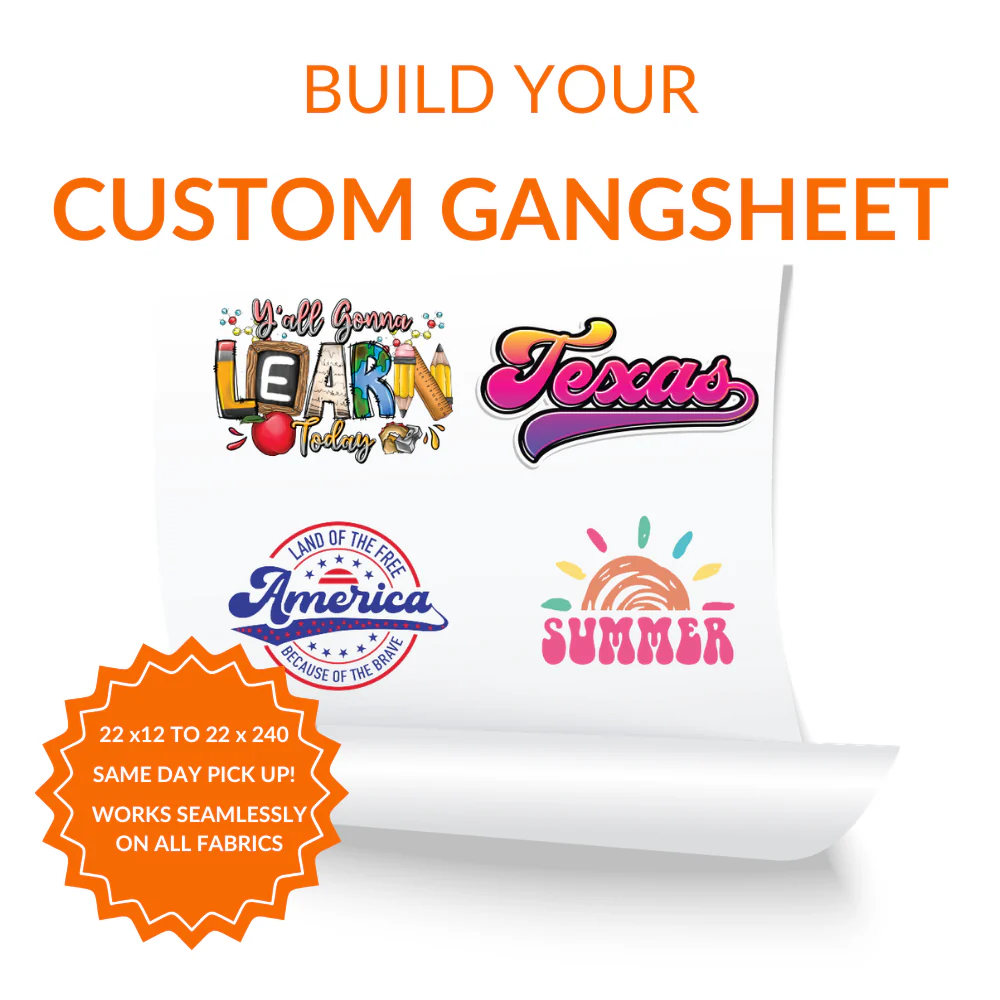
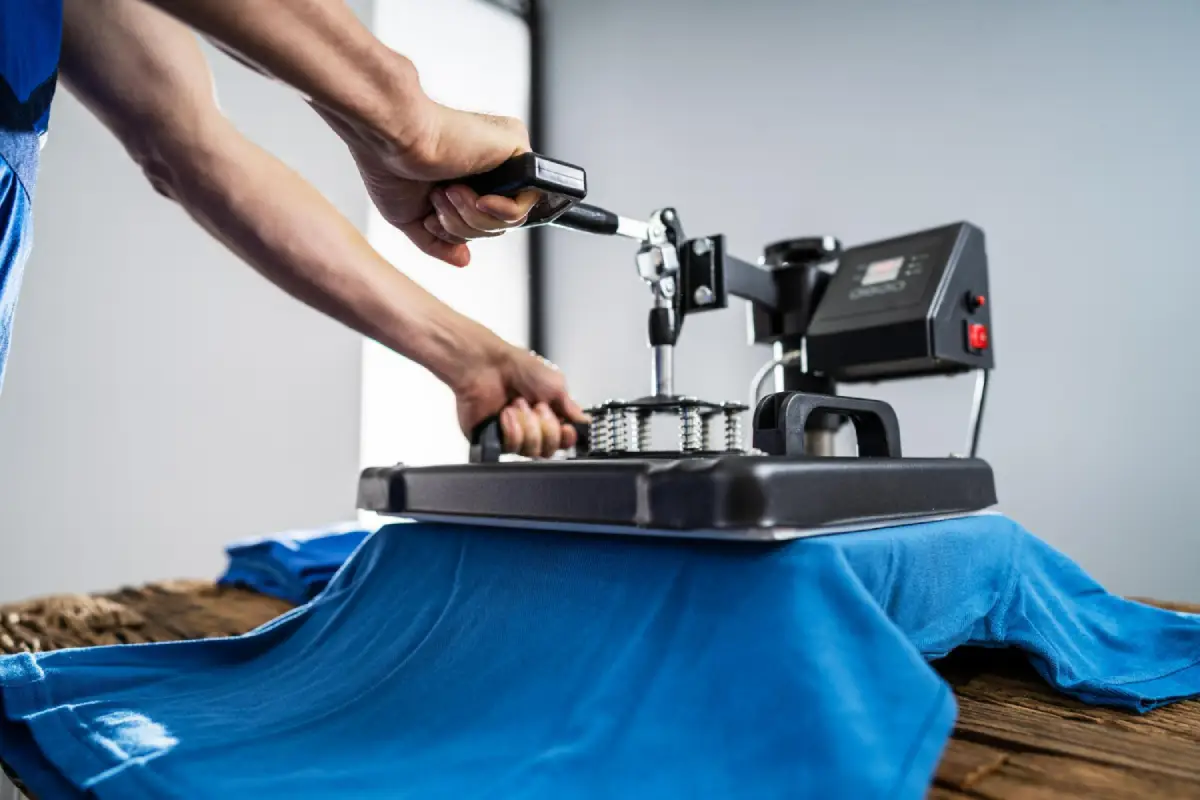
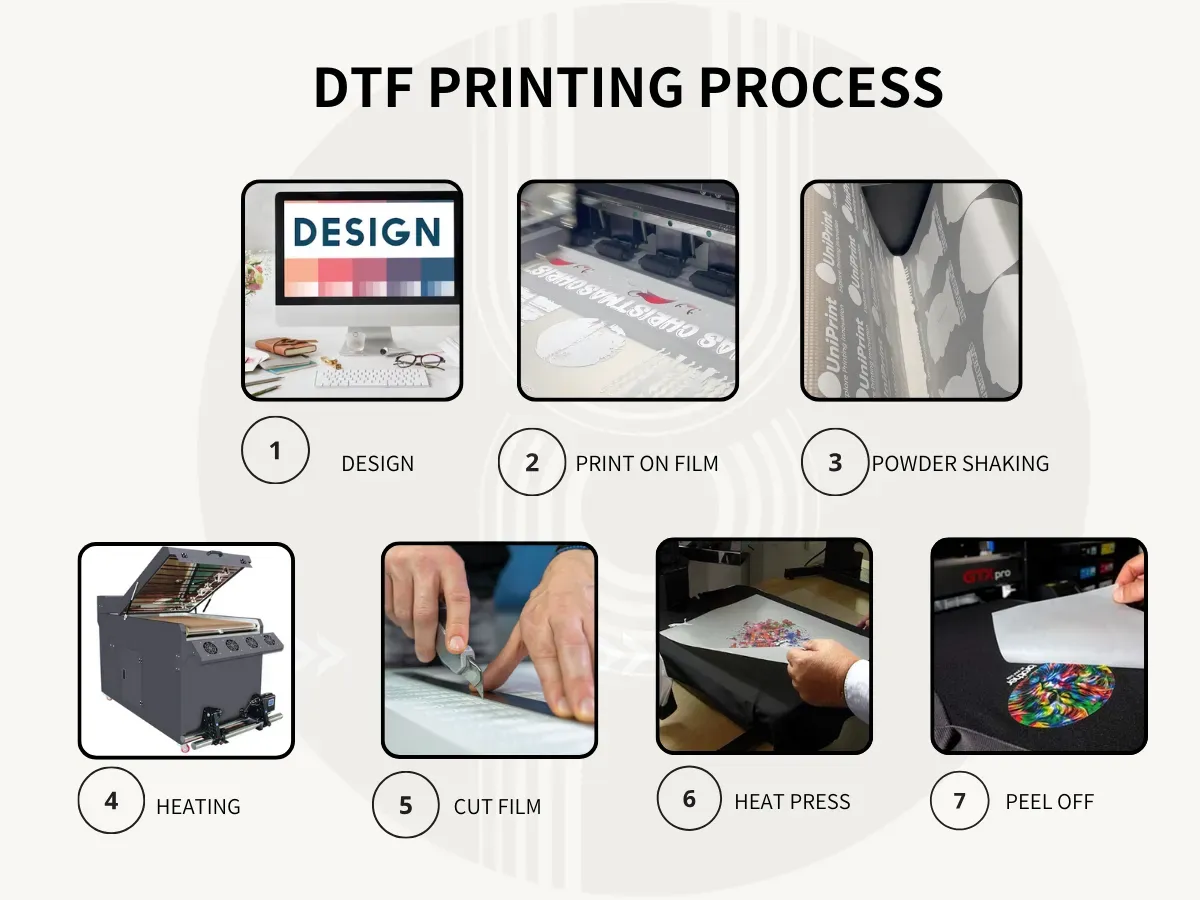
DTF GangSheet Builder is reshaping how shops approach direct-to-film printing, turning complexity into clear, scalable gains by providing a centralized, template-driven workflow that reduces guesswork and speeds setup. By consolidating layouts into single gang sheets, it can boost DTF printing throughput, minimize tool changes, and reduce idle time between jobs across batches. Templates and automated pre-press routines help stabilize margins, standardize color handling, minimize setup effort, and improve consistency across batches regardless of design complexity. A structured workflow that integrates design reuse with automated output also reduces waste, speeds the handoff to the RIP, and accelerates delivery to customers. This approach shows how a focused, template-based method can sustain throughput gains while maintaining color fidelity and overall quality across product lines.
From a broader perspective, the study reframes this approach as a modular layout strategy for garment transfers. Instead of focusing on a single tool, it emphasizes efficient workspace orchestration, reusable templates, and automated sequencing. This broader view aligns with production optimization in digital printing, highlighting throughput gains, waste reduction, and predictable scheduling. By focusing on data-driven prepress, template libraries, and queue-aware output, shops can scale without sacrificing image integrity. Ultimately, the concept centers on turning design assets into optimized, gang-sheet configurations that keep time-to-market tight.
DTF GangSheet Builder: Driving Production Optimization and Throughput
The DTF GangSheet Builder reshapes production flow by consolidating multiple designs onto single gang sheets, turning layout decisions into repeatable, template-driven actions. This approach directly impacts DTF printing throughput by reducing idle time between jobs and maximizing the use of the printer bed. With a library of adaptable templates and standardized margins, teams can quickly assemble batches, achieving more sheets per hour without sacrificing color fidelity or print quality. In practical terms, this means a more predictable cadence for production planning and a clearer path to scaling output as demand grows.
Automation is the key to turning layout efficiency into real-world gains. The GangSheet Builder automates the arrangement of designs onto gang sheets, exports print-ready files with precise positioning, and ensures consistent color settings across batches. This alignment across pre-press and print stages minimizes setup time, reduces human error, and supports production optimization DTF by delivering repeatable results across product lines. The outcome is a streamlined workflow where template reuse drives faster, higher-quality throughput and less waste.
DTF GangSheet Builder: Elevating Throughput Through Structured Automation and Color Control
Beyond layout, standardized color management embedded in the templates reduces color drift and reprints. By tying color profiles to each gang-sheet template, operators reproduce consistent results across runs, which directly supports higher throughput and lower waste. The result is an end-to-end improvement in efficiency that covers prepress, printing, and post-processing, demonstrating how a well-implemented system can elevate overall production performance.
The combination of queue automation and design-library discipline further amplifies gains. As designs are placed onto gang sheets according to predefined templates, the RIP and printer queue operate in harmony, yielding predictable job order, minimized changeover times, and less manual interaction. This holistic workflow—driven by a centralized, template-led approach—helps shops scale DTF operations while maintaining quality, stability, and consistent throughput across multiple product lines.
DTF Workflow Automation for Consistent Gang Sheet Printing Efficiency
DTF workflow automation brings together pre-press, layout, color management, and print queue handling into a cohesive, repeatable process. By automating how designs are arranged on gang sheets and how print-ready files are generated, shops can achieve steadier performance and improved gang sheet printing efficiency. The emphasis on templates, standardized bleed and margins, and automatic color profiles reduces variability, allowing operators to focus on quality checks and optimization rather than routine setup.
A robust automation layer also optimizes the print queue, connecting design output to the RIP and printers with minimized manual steps. This reduces machine idle time and shortens production cycles, contributing to higher DTF printing throughput. With ongoing data collection and KPI tracking, teams can refine templates and automation rules, ensuring that throughput gains are sustainable as demand scales.
Frequently Asked Questions
How does the DTF GangSheet Builder improve DTF printing throughput and gang sheet printing efficiency?
The DTF GangSheet Builder boosts DTF printing throughput by consolidating multiple designs into gang sheets using reusable templates, automating layout, and standardizing color management. This reduces setup time, increases sheet density, and minimizes manual steps, leading to higher gang sheet printing efficiency without sacrificing color fidelity. Integrating automated pre-press and print-queue handling also makes production more predictable and scalable.
What should I consider when implementing DTF workflow automation with the DTF GangSheet Builder for production optimization DTF?
For production optimization DTF, start by building a design library and templates for common transfer sizes, then enable automation to arrange designs on gang sheets and export print-ready files to the RIP. Implement lightweight preflight checks, standardized color profiles, and robust queue management to reduce reprints and idle time. Track KPIs (sheets per hour, setup time, waste) and run phased pilots to scale the DTF workflow automation while maintaining quality.
| Area | Key Points |
|---|---|
| Throughput as Competitive Advantage | Throughput is a competitive advantage; layout designs on gang sheets and automating repetitive steps unlock higher output while maintaining quality. |
| Challenges of Patchwork Workflow | A patchwork workflow with designs prepared and color-matched individually can create idle time, long setup, and inconsistent margins. Bottlenecks often come from manual layout, suboptimal template reuse, and nonstandard processes. |
| Case Study Setup & Goals | Mid-sized shop; goal was to increase throughput without sacrificing color fidelity. Implemented DTF GangSheet Builder to consolidate designs into gang sheets, establish repeatable templates, and automate key prep steps. Expected outcomes: more sheets per hour, reduced setup time, and more predictable production timelines. |
| Baseline & Measurements | Tracked KPIs (sheets/hour, average setup time per batch, material waste, color consistency). Identified that throughput was limited by time spent on layout, spacing, and color management. |
| Design Library & Templates | Created a library of reusable gang-sheet templates for common transfer sizes and lines. Each template includes standardized bleed, margins, orientation, and color profiles to ensure consistency and reduce recurring layout decisions. |
| Automation & Workflow Integration | Automated arrangement of multiple designs onto gang sheets per template parameters; export of print-ready files with precise positioning, color settings, and efficient sheet utilization. Reduces manual layout time and human error. |
| Artwork Prep & Quality Control | Color-Proof validation, undercolor/overprint rules, and edge-trim alignment checks. Lightweight preflight catches issues early, reducing reprints and ensuring consistent quality. |
| System in Practice: Sheet Density | Templates enable denser sheet utilization, sharing space across designs and reducing waste, which boosts prints per session and printer bed efficiency. |
| System in Practice: Color Management | Standardized color profiles linked to templates ensure consistent results across batches, lowering color-related reprints and waste. |
| Queue Optimization & Automation Impact | Automation connects GangSheet Builder output to RIP and printer queue, enabling predictable, optimized job order, reduced idle time, and faster throughput from design to print. |
| Results & Illustrative Gains | Throughput gains: 25–40% more sheets/hour. Setup time reduced by 30–45%. Waste down 10–15%. Improved labor efficiency and more reliable production calendars. |
| Best Practices & Takeaways |
|
| Common Challenges & Mitigations |
|
| Future-Proofing & Scale | Scale by expanding the template library and refining automation rules. Use ongoing data collection to tune sheet density, color presets, and changeover times to sustain higher output. |
Summary
DTF GangSheet Builder is a game-changing solution for improving throughput in DTF printing. By combining template-driven design, automated layout, standardized color management, and streamlined queue handling, shops can significantly increase throughput, reduce setup time, and lower waste. This descriptive overview shows how treating gang-sheet production as an integrated workflow—connecting design, prepress, printing, and production planning—yields repeatable, scalable gains across product lines. As demand grows, expanding the template library and refining automation will help sustain higher output without sacrificing quality, making the DTF GangSheet Builder a pivotal asset for apparel transfer operations.