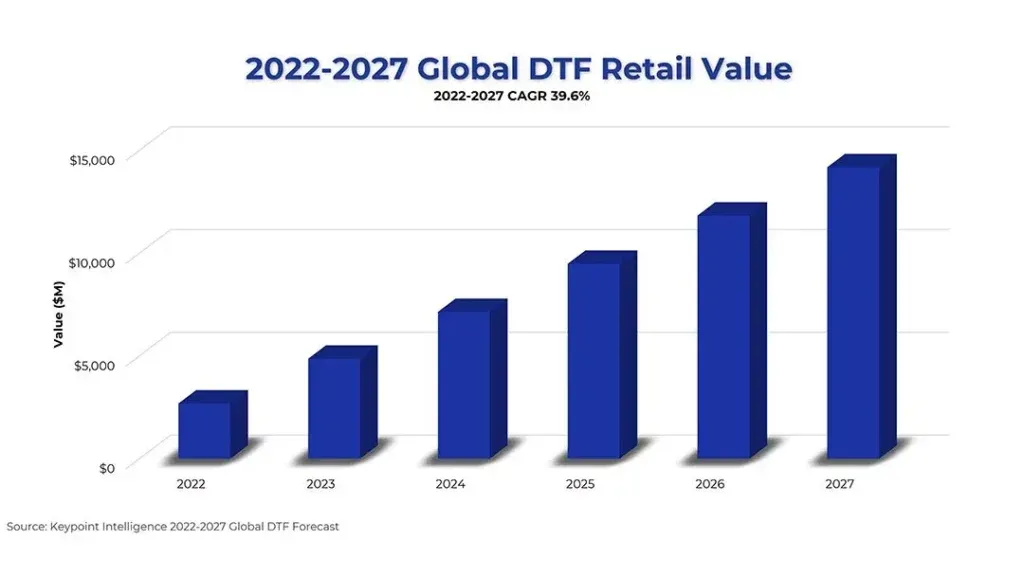
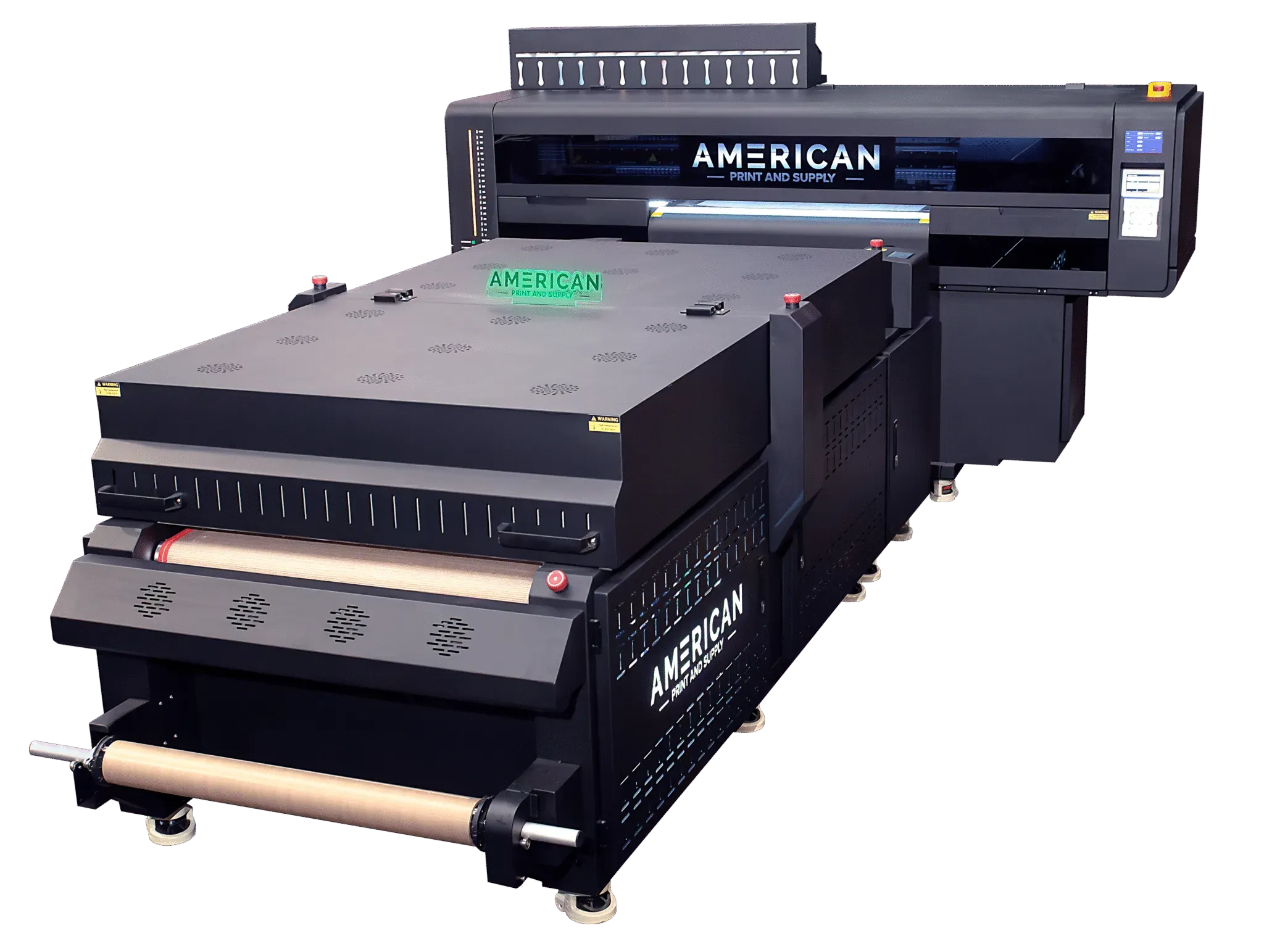
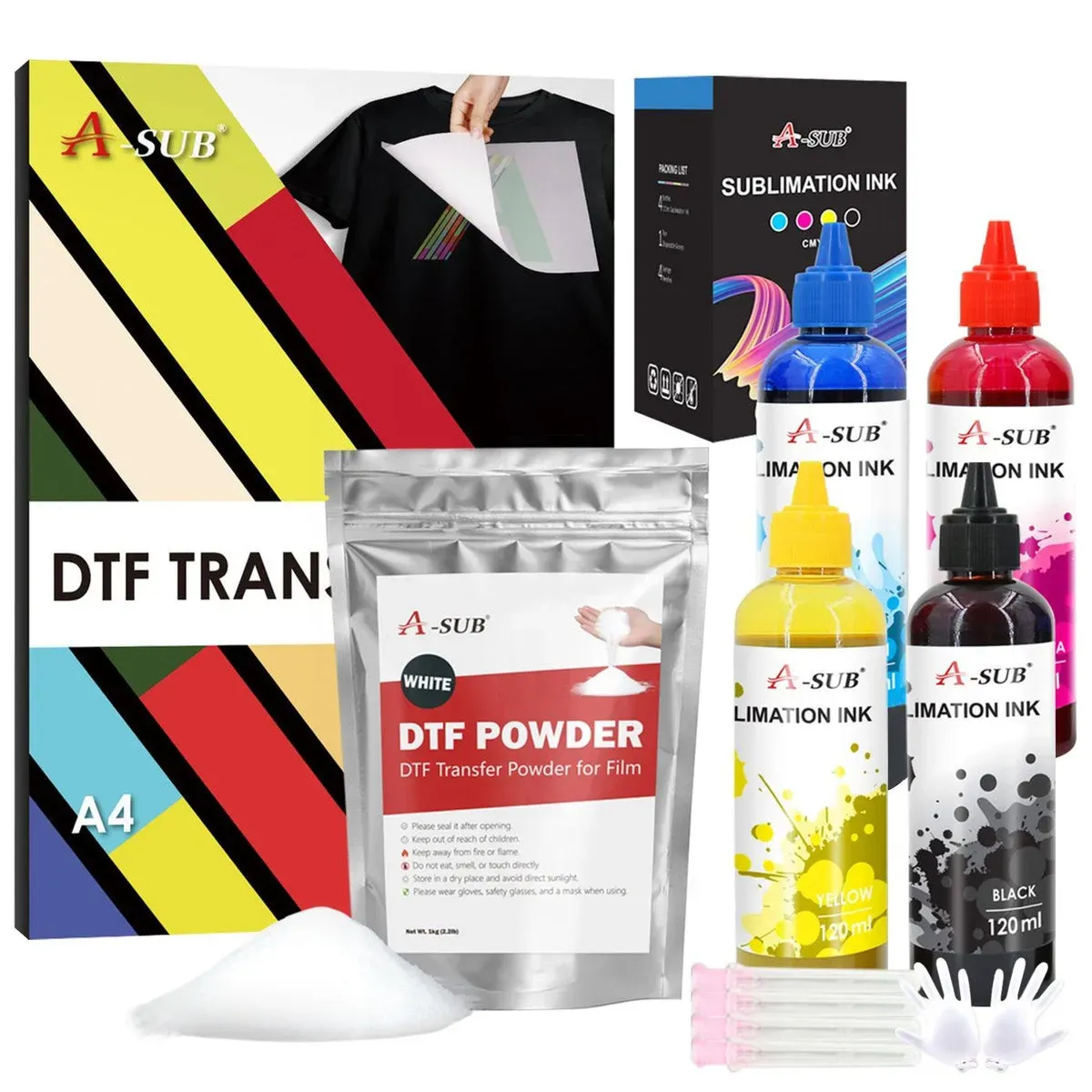
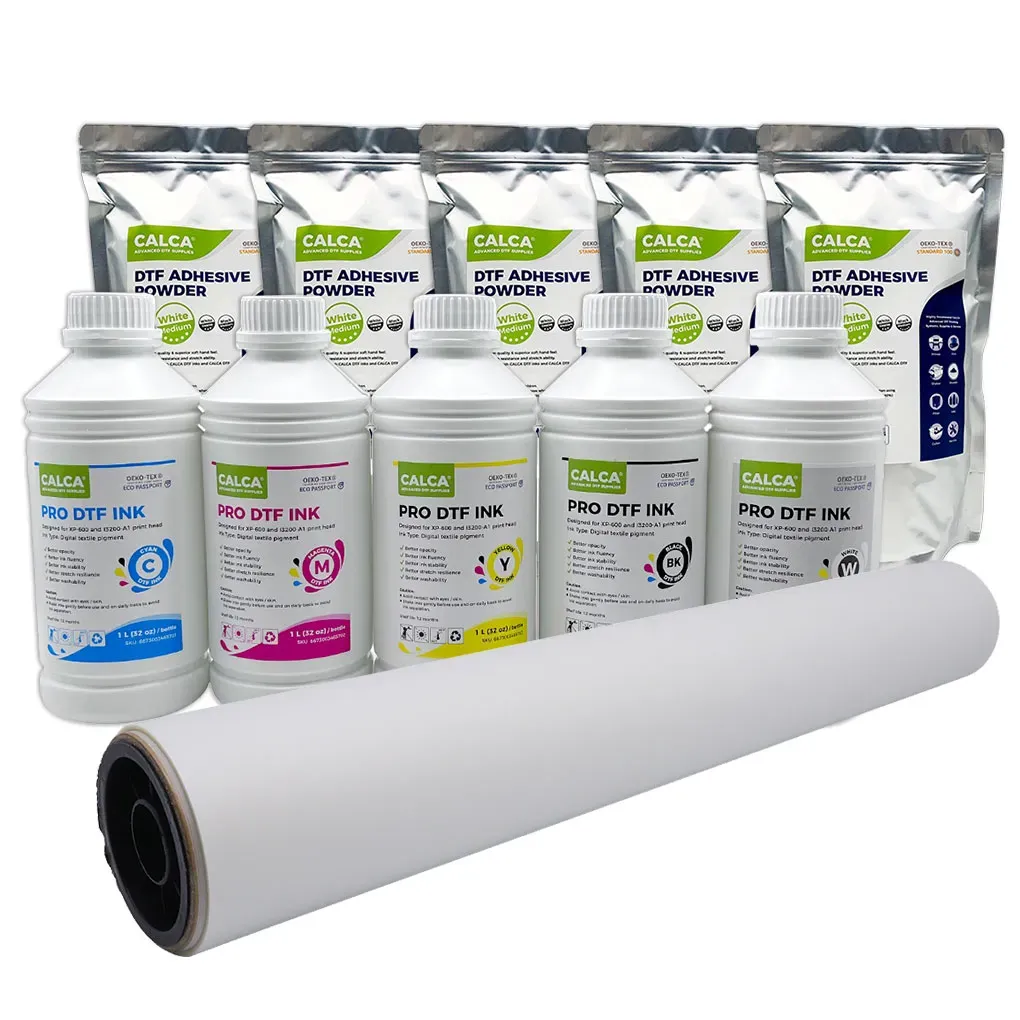
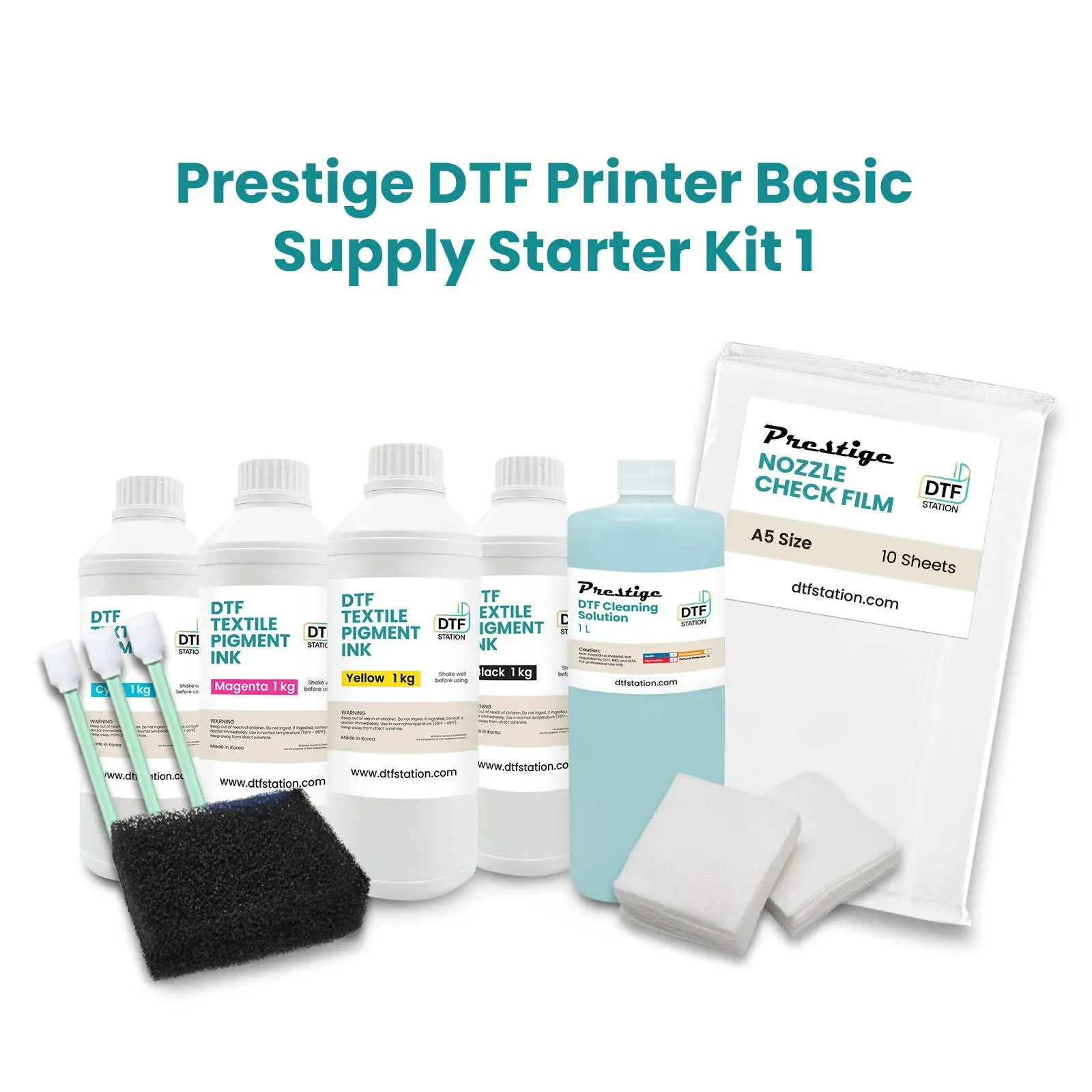
DTF Industry Trends are redefining how brands decorate garments and wide-format prints as 2026 unfolds, pushing managers to rethink capacity, reliability, and the speed of delivery. Direct-to-Film printing 2026 has moved from a niche solution to mainstream production, driven by advances in inks, films, substrates, and workflow software that promise greater consistency and lower waste. For print shops, brands, and designers, understanding these movements isn’t just about keeping up; it’s about staying competitive, delivering faster turnaround, and maintaining quality at scale even across diverse fabrics. This overview highlights why these developments matter for DTF market growth 2026 and how printers can adapt to the latest shifts in the market, from ink chemistry to end-to-end workflow integration. By tracing technology, economics, and user experience, readers gain a practical view of opportunities and challenges ahead, setting the stage for smarter investments, better color fidelity, and scalable output, while this broader perspective helps shops prioritize equipment upgrades, staff training, supplier partnerships aligned with evolving standards, and an ongoing commitment to regulatory compliance and sustainability.
Viewed through a broader lens, the film-transfer technology space is evolving toward more integrated systems that couple software-driven design with automated curing and streamlined post-processing. Manufacturers and service providers are positioning around turnkey solutions that enable scalable runs and consistent color across a range of fabrics. Market observers describe this movement as a shift toward a responsive, data-driven manufacturing paradigm where speed, quality, and sustainability converge. Practically, shops are adopting smarter workflows, stronger supplier ecosystems, and versatile materials to expand product lines beyond apparel into bags, footwear, and home decor.
DTF Industry Trends in 2026: Core Drivers and Market Dynamics
DTF Industry Trends are redefining garment decoration and wide-format printing as 2026 unfolds. Direct-to-Film (DTF) technology has moved from a niche solution to mainstream production, driven by advances in inks, films, substrates, and workflow software. For print shops, brands, and designers, understanding these trends isn’t just about keeping up—it’s about staying competitive, delivering faster turnaround, and maintaining quality at scale across a growing volume of orders.
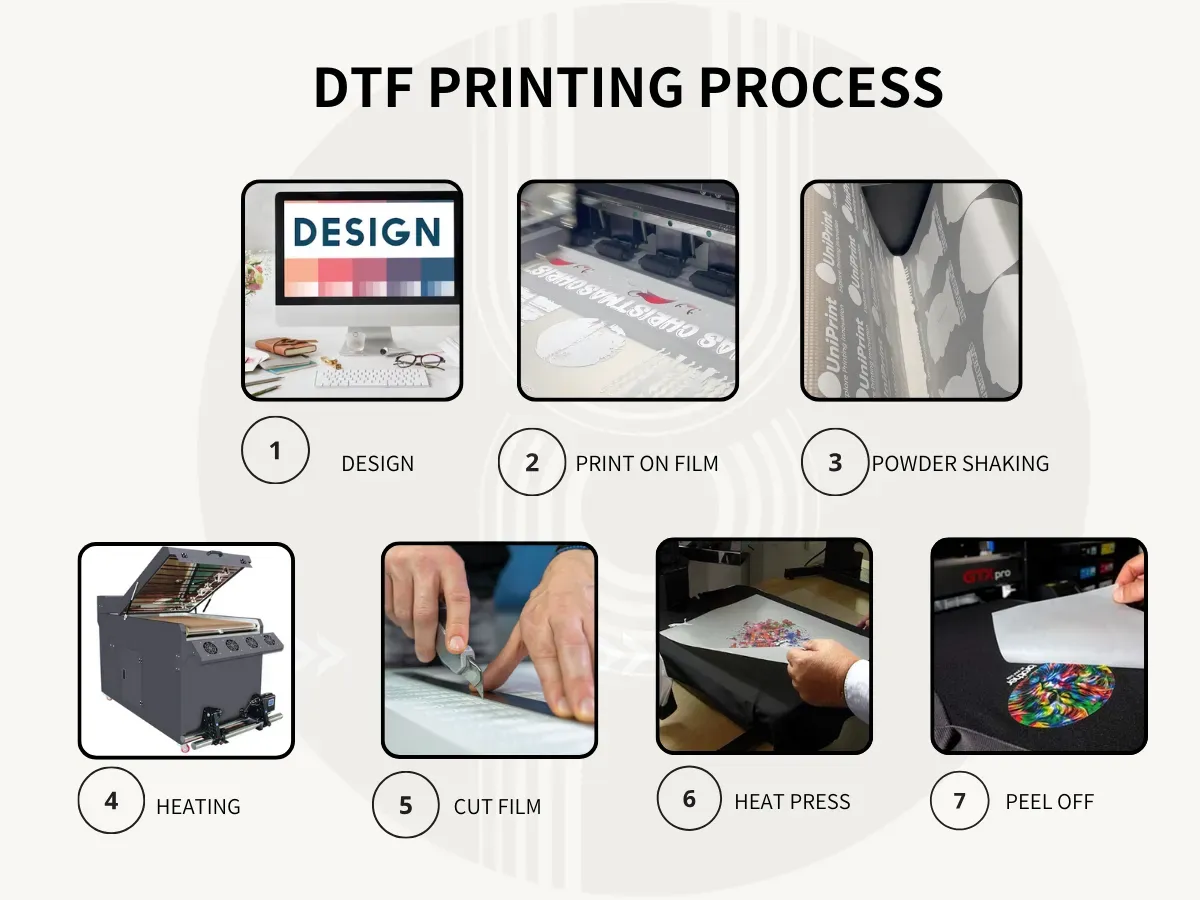
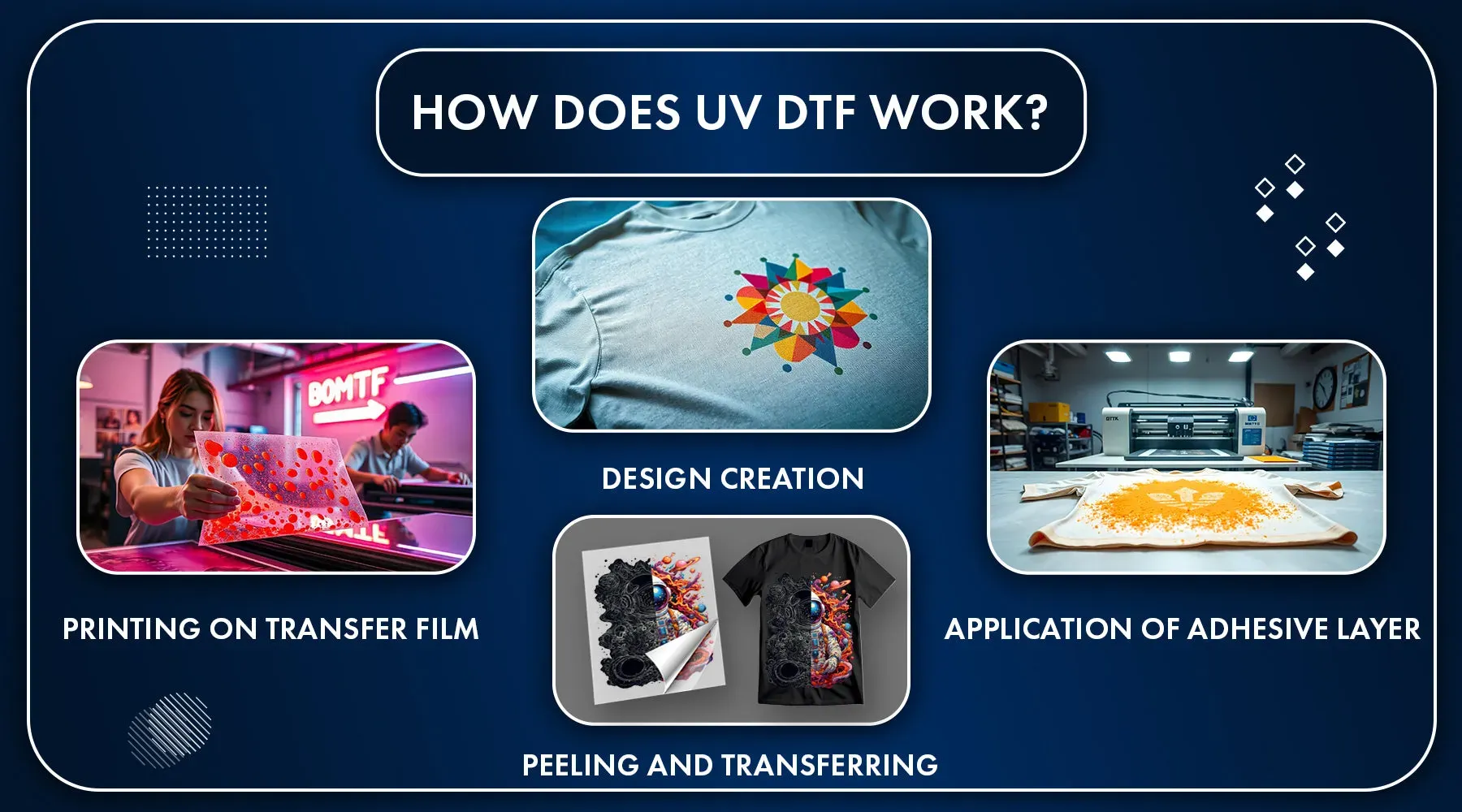
At the heart of this shift is DTF workflow optimization. End-to-end efficiency—from design prep through print, film transfer, and finishing—has become a differentiator, enabling reliable color, tighter white underbase control, and faster throughputs. As equipment and software become smarter, shops can reduce waste, minimize reprints, and dedicate more time to high-value jobs.
DTF Printing 2026: Technology Advancements Shaping Color and Durability
Direct-to-Film printing 2026 is defined by technology advancements in hardware and software that improve color fidelity, repeatability, and durability. Modern DTF printers feature enhanced color management, smarter heat strategies, and more integrated RIP workflows, all of which contribute to predictable results with less guesswork. These DTF technology advancements are changing how shops plan jobs and scale production.
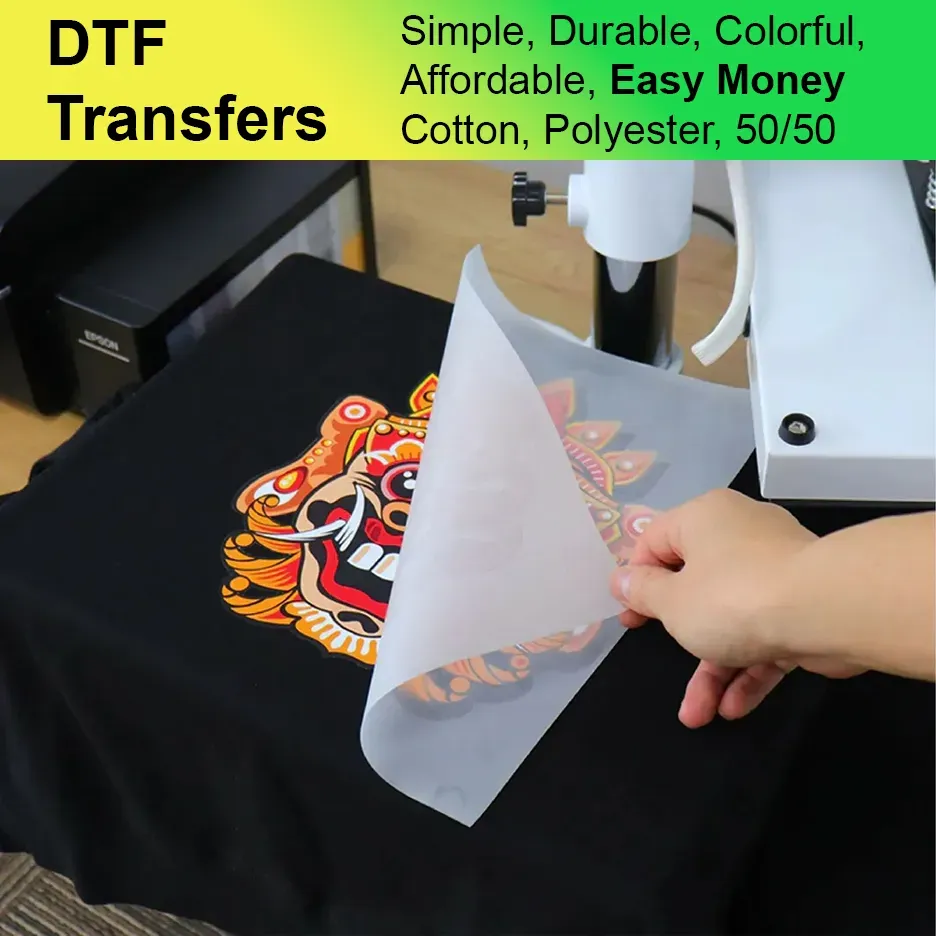
Direct-to-Film printing 2026 also expands substrate compatibility with new film formulations and inks that improve adhesion on cotton, blends, polyesters, and select synthetics. This broadens applications beyond apparel to bags, sneakers, and home textiles, driving DTF market growth 2026 by opening new revenue streams and service opportunities.
DTF Market Growth 2026: Adoption, ROI, and Competitive Dynamics
DTF Market Growth 2026 is linked to the rise of turnkey solutions that bundle printers, films, adhesives, inks, and software. As more vendors offer complete packages, startups and established brands can achieve faster ROI and shorter break-even periods, fueling broader adoption.
Data and analytics are increasingly shaping the market. Real-time monitoring of material usage, machine health, and yield rates helps shops forecast capacity, optimize schedules, and pursue continuous improvement—an essential advantage as the DTF market grows in 2026.
DTF Workflow Optimization: From Design to Delivery
End-to-end optimization—from concept to customer delivery—has become a core differentiator in 2026. Shops that automate prepress steps, embrace integrated color profiles, and streamline curing and finishing can deliver vibrant results with lower waste and shorter lead times.
Investing in the right software and hardware partnerships—RIP software, ICC color matching, and automated dashboards—reduces manual steps and rework. A lean workflow translates into higher throughput, consistent color, and improved customer satisfaction across high-volume runs.
Direct-to-Film Trends 2026: Substrates, Films, and Inks Expanding Possibilities
Direct-to-Film trends 2026 illustrate broader substrate compatibility, with new film formulations and adhesive chemistries that deliver strong adhesion on cotton, blends, polyesters, and other synthetics. This diversification enables shops to move beyond tees to bags, sneakers, and home decor while maintaining durable, soft-hand prints.
Sustainability considerations are shaping material choices as well. Inks with lower environmental impact and recyclable transfer films align with brand mandates and consumer expectations. Compliance with evolving safety standards becomes a core criterion when selecting suppliers and optimizing the DTF workflow.
Practical Shop Strategies for 2026: Quality, Sustainability, and Growth
Quality remains the anchor for long-term success. Maintaining vibrant color, sharp edges, and durable prints requires consistent color management, accurate white underbase rendering, and robust finishing steps. These DTF technology advancements are realized through disciplined testing, standardized procedures, and ongoing operator training.
From a business perspective, shops should lean into on-demand production, diversify product lines, and highlight sustainability as a value proposition. Turnkey solutions and data-driven decision-making support reliable service and faster time-to-market, helping brands scale without sacrificing quality.
Frequently Asked Questions
What are the key Direct-to-Film printing 2026 trends that shops should monitor?
Direct-to-Film printing 2026 is characterized by stronger hardware and software integration, smarter color management, and end-to-end workflow optimization. Advances in film formulations, compatible inks, and new substrates expand applications beyond apparel. Growing e-commerce and on-demand production push faster turnarounds and higher throughput, while standardization helps reduce waste and rework.
How do DTF technology advancements impact color fidelity and durability in 2026?
DTF technology advancements are delivering more accurate color management, better white underbase rendering, and tighter adhesion across cotton, blends, and synthetics. Improvements in curing workflows and heat strategies reduce cracking and fading, boosting durability for a wider range of substrates.
Why is DTF market growth 2026 important for on-demand, small-to-mid-size shops?
DTF market growth 2026 expands access to turnkey solutions such as printers, films, inks, and software, lowering barriers to entry and shortening ROI. The result is more competition, but also faster adoption, enabling startups and brands to scale with reliable color and quick turnarounds.
Which strategies best leverage DTF workflow optimization to shorten turnaround times?
Prioritize end-to-end DTF workflow optimization by automating prepress, color separation, and curing, and by using integrated RIP software with smart color profiles. Standardize finishing and post-processing to reduce handling, lower waste, and increase throughput across high-volume runs.
What direct-to-film trends 2026 are expanding substrate compatibility and sustainability?
Direct-to-film trends 2026 include new film formulations, adhesives, and ink systems that improve adhesion on cotton, blends, and polyesters, broadening product types. Sustainability is advancing with recyclable transfer films and more eco-friendly inks, helping brands meet environmental expectations.
What practical steps can a shop take to capitalize on Direct-to-Film printing 2026 opportunities?
Evaluate whether DTF fits your product mix and margins, then invest in workflow optimization and compatible materials; establish a QA program to assure color accuracy and adhesion; communicate sustainability initiatives to customers; and monitor market growth 2026 to spot new opportunities and stay competitive.
| Aspect | Key Points / Details |
|---|---|
| Technology & Hardware/Software Advancements | Improved repeatability, color fidelity, and durability; accurate color management; better curing workflows; smarter heat strategies; higher quality outputs with less waste. |
| Materials & Substrates | New film formulations, pre-treatment options, and compatible inks; better adhesion on cotton, blends, polyesters, and certain synthetics; broader applications beyond apparel (bags, sneakers, home textiles). |
| Market Dynamics: E-commerce & On-demand | Accelerated adoption driven by demand for fast turnaround and consistent quality; faster lead times and lower minimums; supports micro-bulk production and agile, customer-driven production. |
| End-to-End Workflow Optimization | Optimization across design prep, print, film transfer, and post-processing; ability to print vibrant colors with precision white underbases and reduced curing times; workflow optimization is a competitive differentiator. |
| Smarter Ecosystems & Standards (2026) | Increased standardization of workflows, better RIP software, and integrated color profiles; vendors bundle software with hardware to streamline prepress, color separation, and ICC matching; results in fewer reworks, lower waste, and higher throughput. |
| Costs & Growth Dynamics | Cost structures remain favorable for small-to-mid-size shops; competition among suppliers helps keep film, ink, and powder costs in check; more predictable cost-per-printed-garment; supports sustainable, scalable production. |
| Quality, Versatility, & Sustainability | Quality remains the cornerstone with emphasis on color management, accurate white underbase on light fabrics, and durable finishes; broader substrate compatibility beyond apparel; sustainable inks and recyclable/reusable transfer films provide a competitive edge. |
| Competitive Dynamics & Data Analytics | Turnkey solutions accelerate adoption; differentiation through service, reliability, and total cost of ownership; real-time monitoring of material usage, machine health, and yields enables data-driven decisions and capacity planning. |
| Practical Strategies for Shop Owners | Start with a clear business case; invest in workflow optimization; choose compatible materials; prioritize quality assurance; embrace sustainability as a value proposition. |
| Future Outlook | Smarter automation, better e-commerce platform integration, and broader substrate compatibility are expected to advance the Direct-to-Film ecosystem; regulatory and safety considerations will shape implementation; reliability, speed, and high-quality results at scale will define success. |
Summary
DTF Industry Trends point toward a forward-looking, resilient, and scalable future for Direct-to-Film printing. As 2026 unfolds, Direct-to-Film printing is defined by smarter ecosystems, improved color management, wider substrate compatibility, and faster, more sustainable workflows. Vendors offer integrated packages that reduce rework and lower costs, while print shops and brands leverage data and automation to optimize throughput and quality at scale. By embracing workflow optimization, staying informed about market growth and compliance, and focusing on durability and sustainability, stakeholders can capitalize on the momentum of DTF Industry Trends.