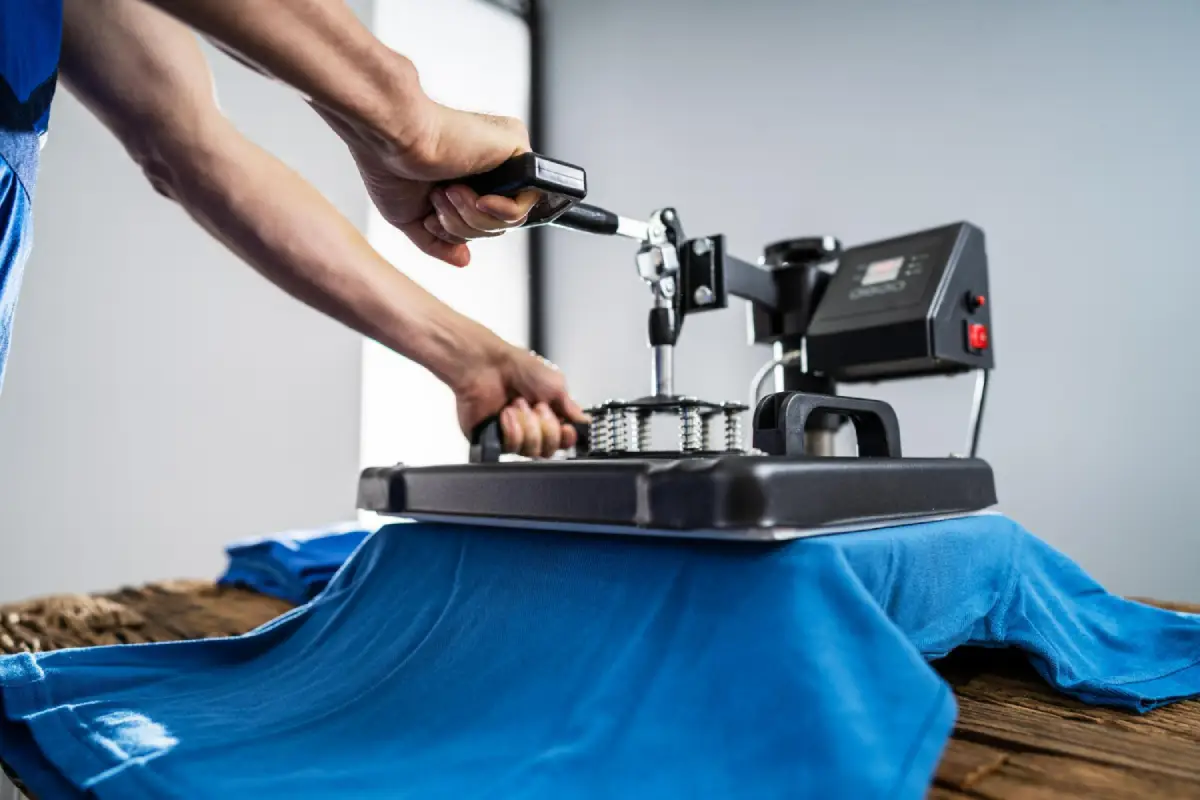
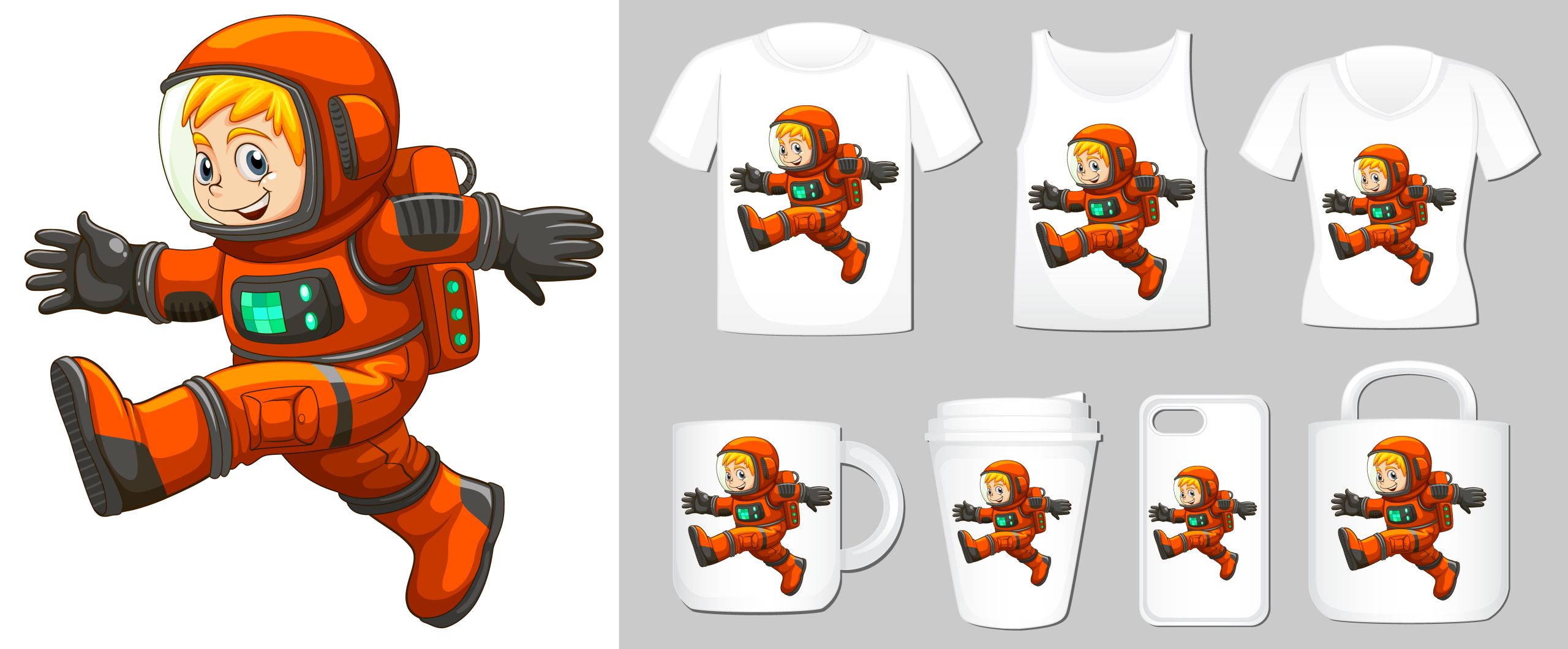
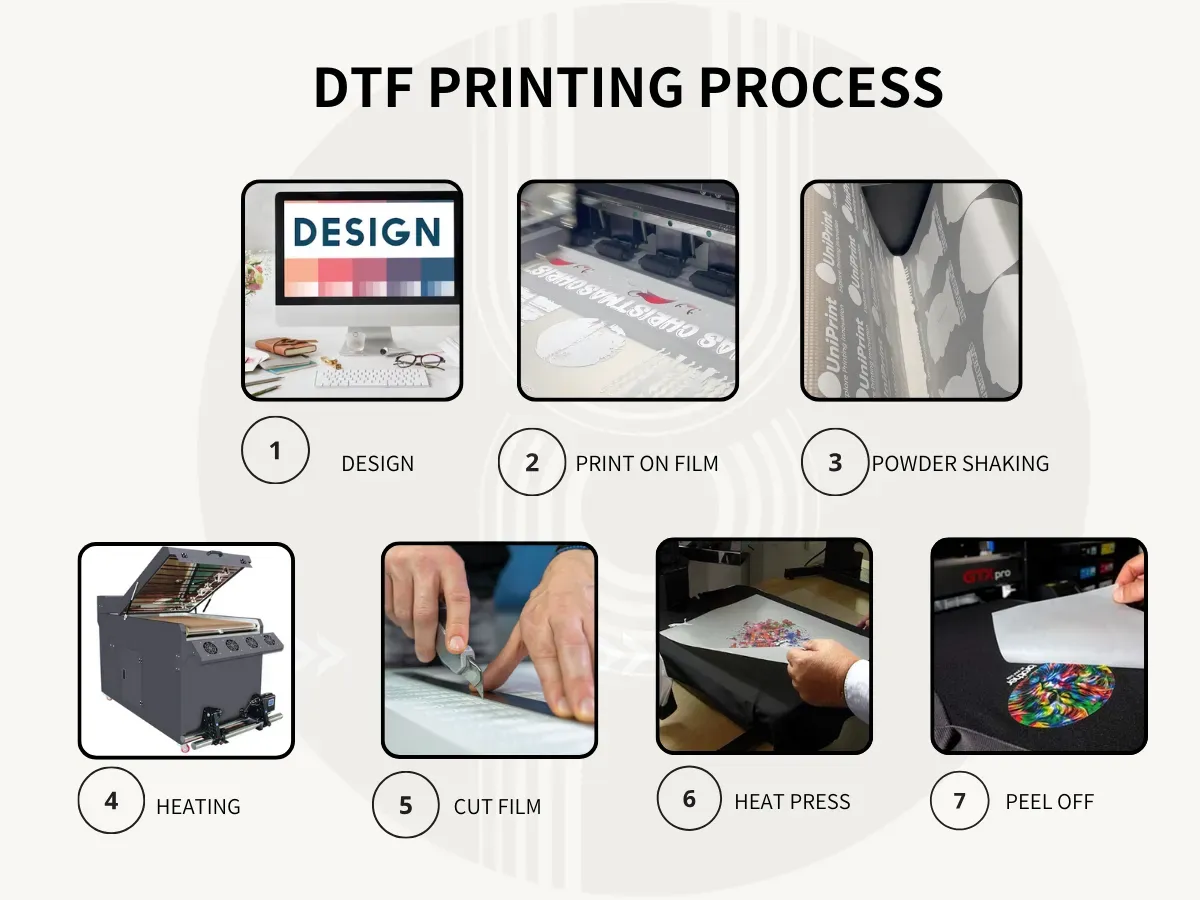
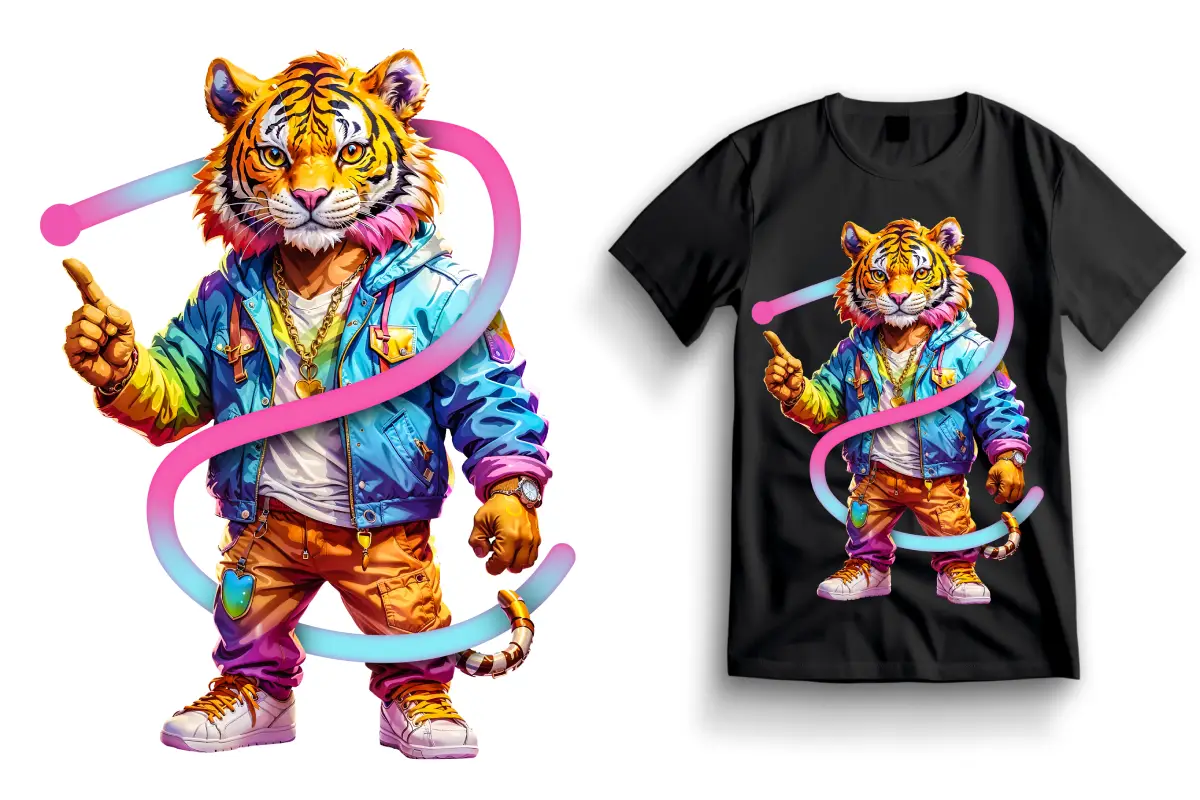
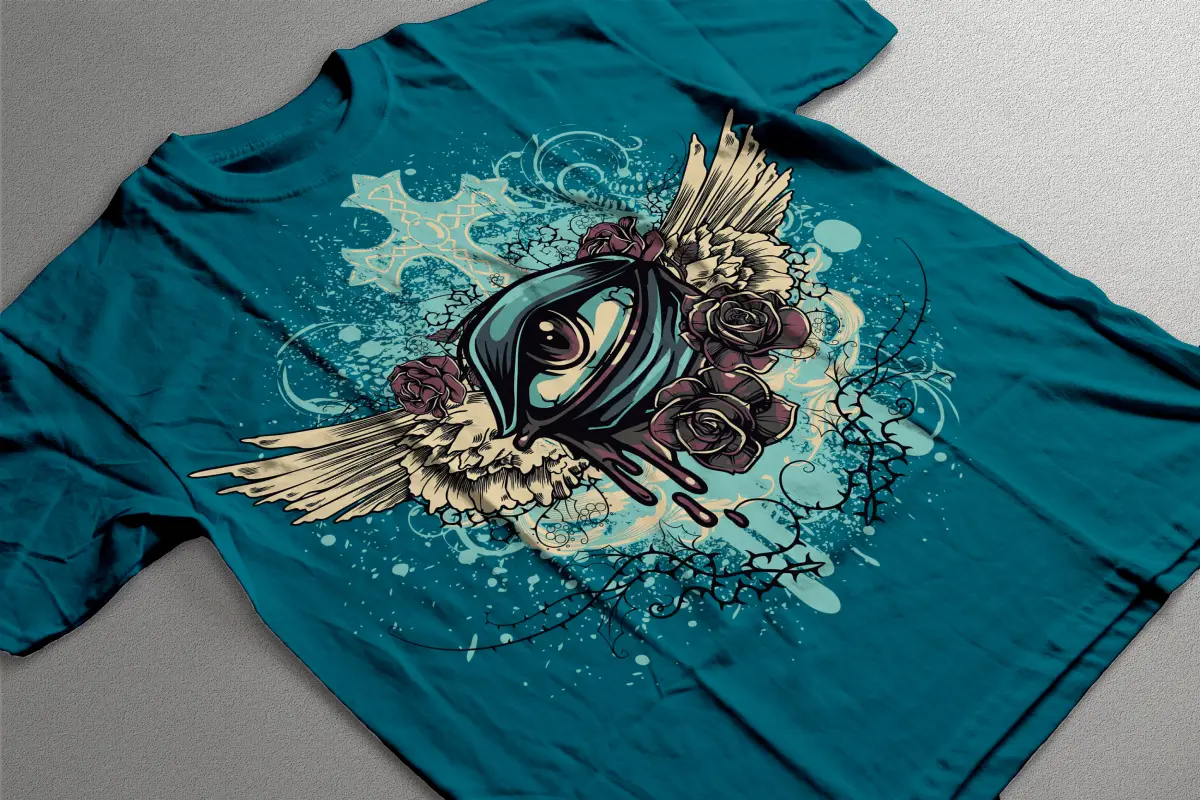
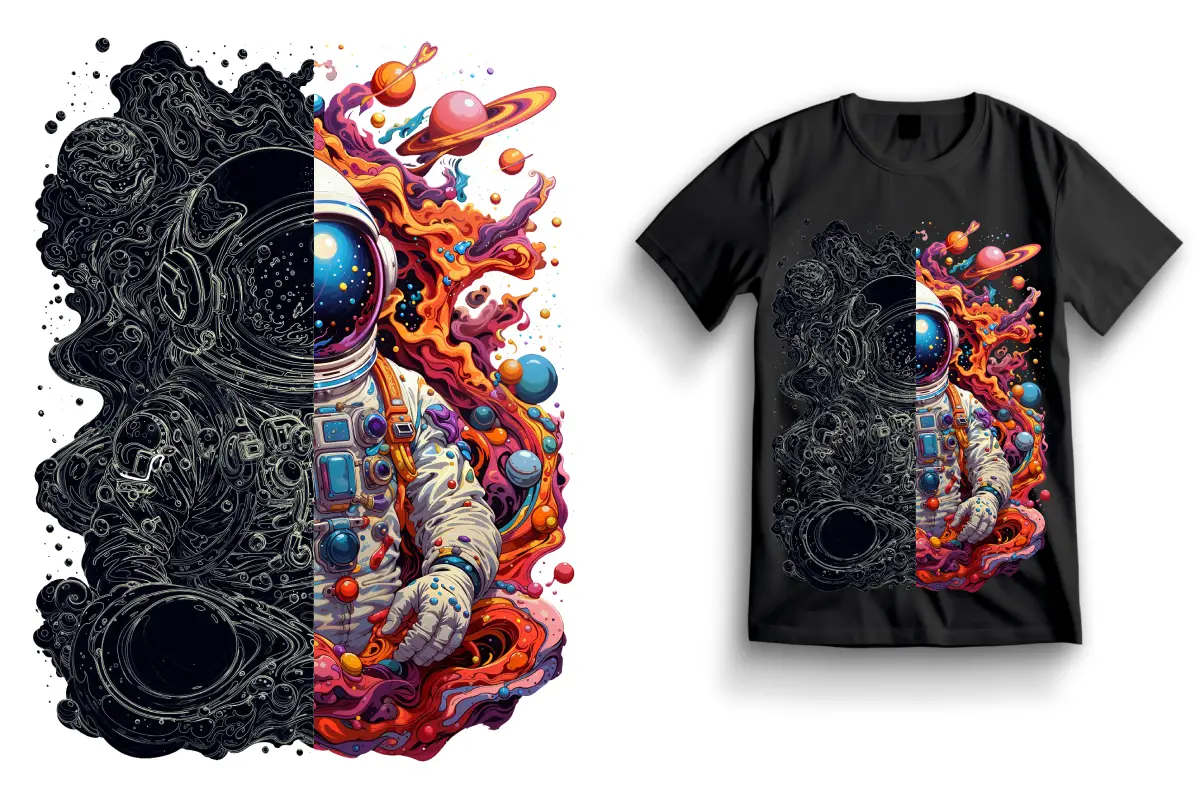
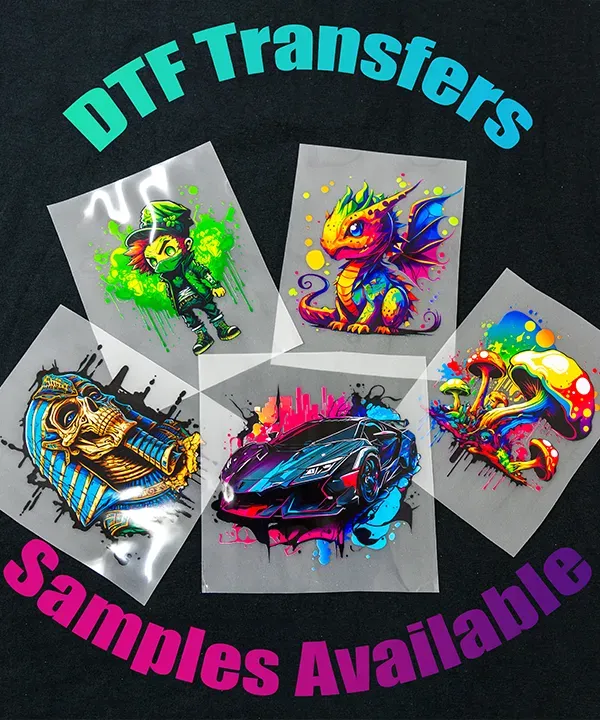
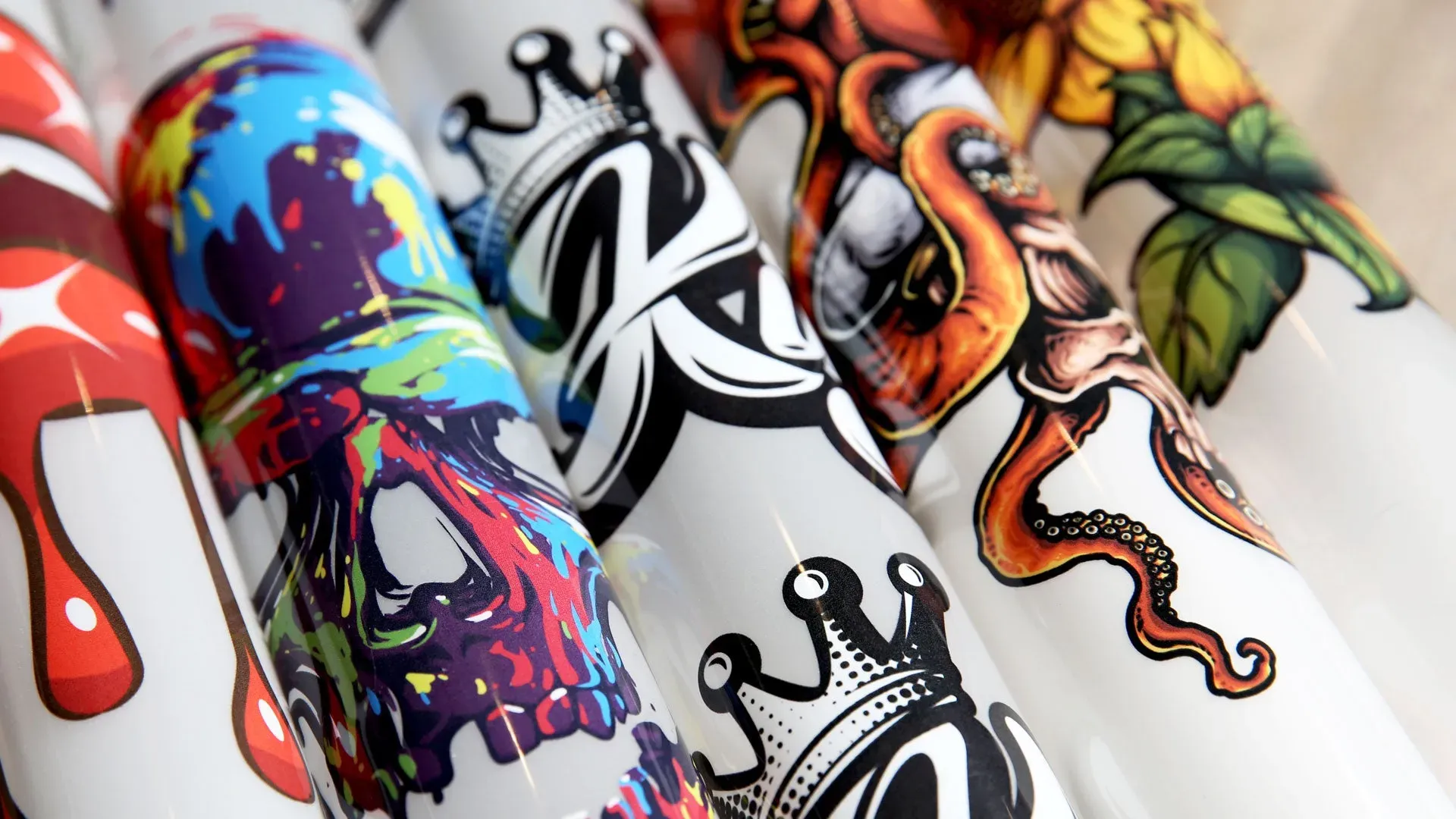
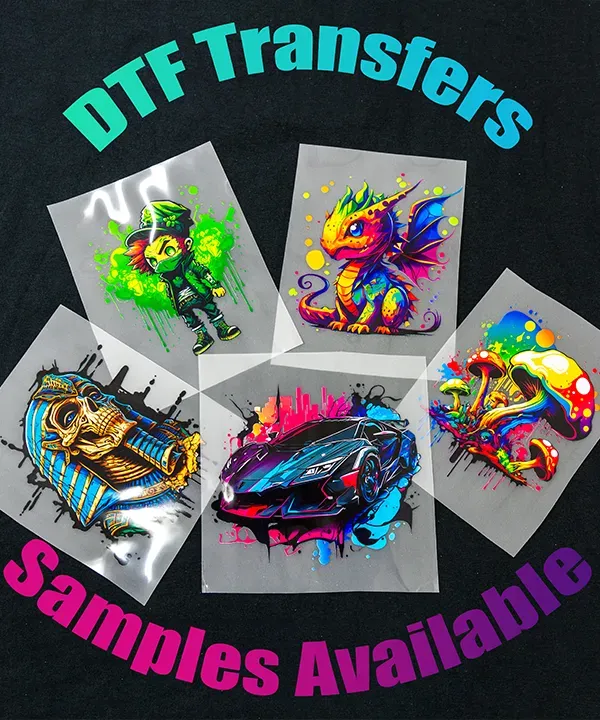
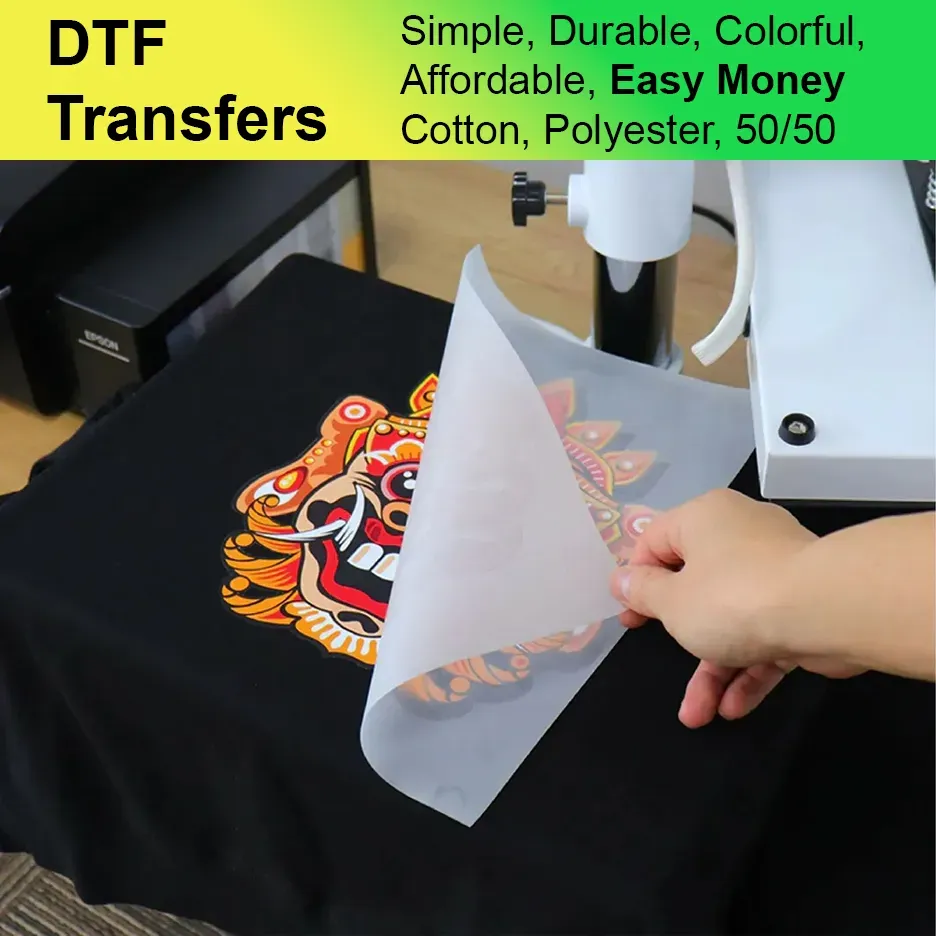
DTF transfers have emerged as a versatile solution for garment decoration, offering designers and print shops durability, flexibility, and creative potential. By embracing layering techniques DTF, designers can build depth by printing multiple transfers in sequence. This approach integrates elements like glitter effects DTF to add sparkle without sacrificing wash-fastness. Specialty finishes DTF expand texture and shine, giving premium looks for fashion, sportswear, and promotional items. For best results, explore heat press printing with DTF alongside careful substrate prep and smart color management.
Beyond the label, this film-based textile decoration, often described as direct-to-film transfers, leverages printed imagery on a bondable film and can be applied to a wide range of fabrics with similar durability. In the world of fabric decoration, you’ll also hear terms like direct-to-film printing on a transfer medium, film transfer technology, and transfer-film processes that point to the same core method. When planning multi-layer graphics, think in terms of layered graphics, multi-pass decals on textiles, and thermo-bonded films that activate adhesion through heat. This broader vocabulary helps designers and buyers find the right solutions for vibrant, washable results on apparel and accessories.
DTF Transfers Mastery: Layering Techniques for Depth, Texture, and Longevity
In the realm of DTF transfers, layering techniques are the key to creating depth and tactile realism. By planning base, mid, and top layers and printing them on separate transfers, you can achieve nuanced shadows, subtle textures, and intricate details that single-pass printing cannot match. With proper registration and controlled press times, layering enhances color separation and preserves vibrancy across fabrics, making it a cornerstone of heat press printing with DTF.
To execute successful layering, start with a concept sketch and map out each layer’s role—from base shapes to highlights—and manage texture with desaturated mid-tones. Precision registration, consistent tooling, and post-press care ensure multi-layer designs stay aligned and durable through washes. When done well, layering techniques for DTF transfers deliver magazine-quality depth while maintaining comfort and wearability on cotton and blends.
Glitter Effects and Specialty Finishes: Elevating DTF Transfers with Shine
Glitter effects bring sparkle to DTF transfers without the mess of loose particles. Using glitter bonding powders or glitter film overlays, you can embed a durable shimmer that remains vibrant after washing, while still aligning with heat-press parameters for long-term wear. This approach aligns with the broader strategy of incorporating glitter effects DTF into branding and fashion projects, enabling eye-catching accents in sportswear and promotional items.
Beyond glitter, specialty finishes expand the design vocabulary of DTF transfers through metallics, holographics, and tactile textures. Careful planning in the design brief, color management, and layer alignment ensures readability while maximizing impact under different lighting. By integrating specialty finishes DTF with robust curing and testing, you can achieve premium aesthetics that uplift the perceived value of your heat press printing with DTF projects.
Frequently Asked Questions
How can layering techniques DTF create depth in DTF transfers during heat press printing with DTF transfers?
Layering involves printing base shapes first, then mid-tone details, and finally highlights as separate transfers for DTF transfers. For best results with heat press printing with DTF, plan color separations, ensure precise registration, and test each layer on swatches. Control each layer’s temperature and dwell time to avoid warping or delamination. When done well, layering adds depth and texture that mimic multi-layer graphics without sacrificing fabric comfort.
What are best practices for achieving glitter effects DTF and specialty finishes DTF in DTF transfers when using heat press printing with DTF?
Glitter effects DTF can be achieved with glitter film overlays or bonding powders, cured during heat press printing with DTF transfers. Pre-test adhesion and glitter coverage on scrap fabric, keep glitter away from edges to prevent cracking, and consider a finishing coat to reduce shedding after washing. For specialty finishes DTF—such as metallics, holographics, and satin—plan their placement in the design brief, align layers carefully, and tailor the pressing temperature and time to preserve readability and durability. Test garments under different lighting and wash conditions to verify appearance and longevity.
| Topic | Key Points | Benefits / Notes |
|---|---|---|
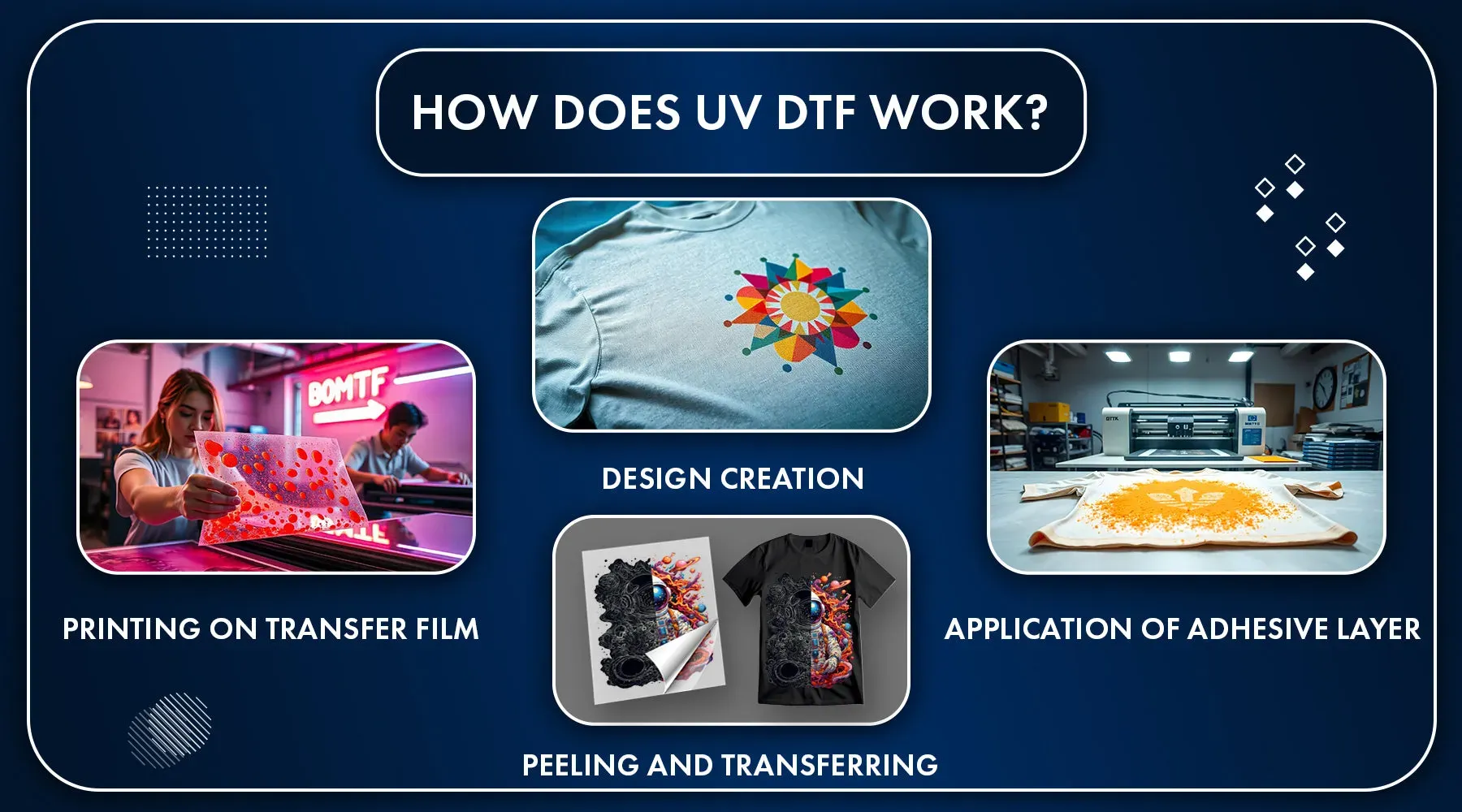
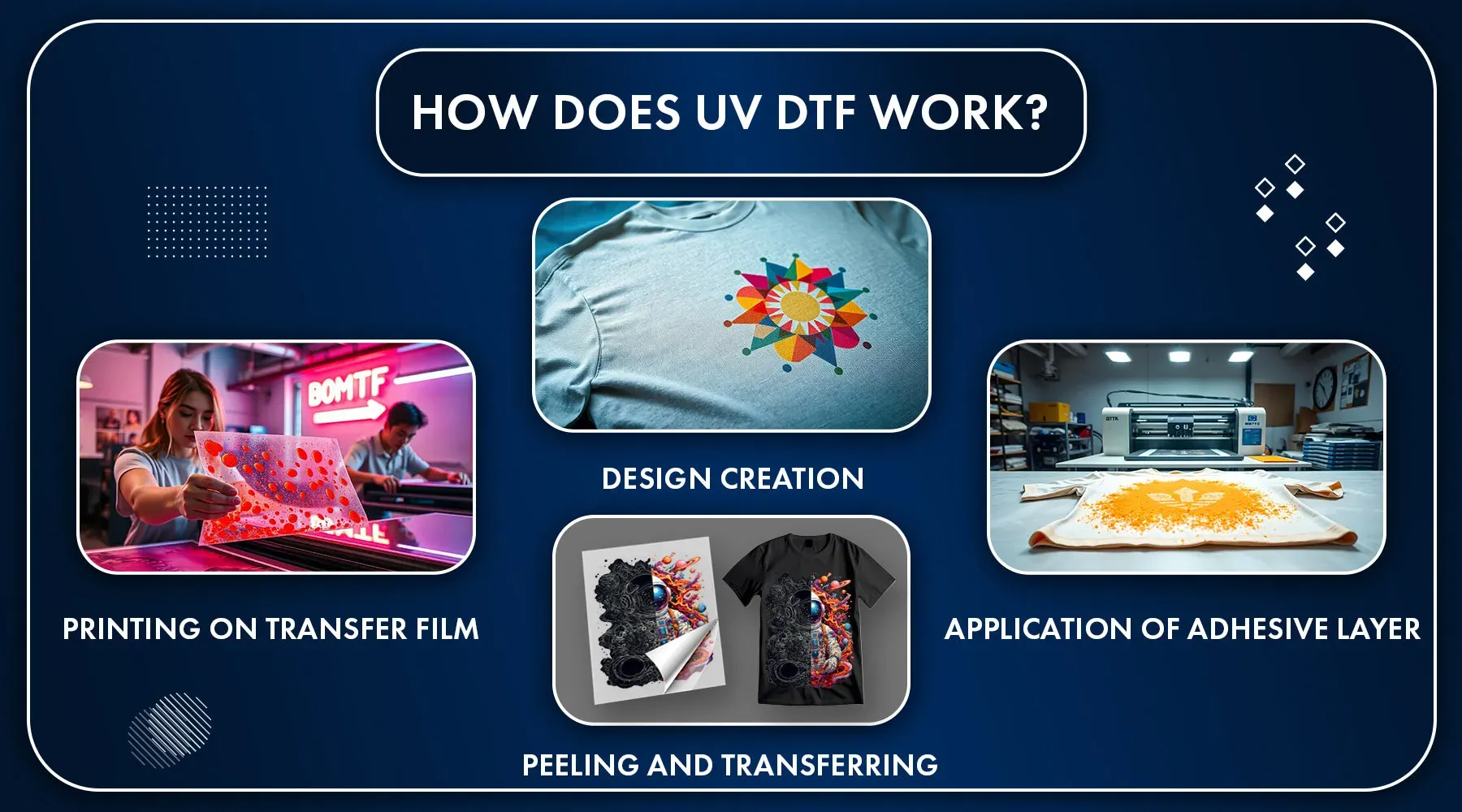
| Understanding DTF Process | DTF transfers involve printing a design onto a transformer film, applying bonding powder, curing, then heat pressing the transfer to fabrics. Key advantages include excellent color reproduction and detail retention, broad fabric compatibility, layerability for depth, and strong adhesion when properly pressed and cured. | Foundation for layering and finishing; durable, vibrant results with proper technique. |
| Layering Techniques for DTF | Plan layers: concept sketch; identify base, mid, and top layers. Separate colors/elements and define transfer order. Register precisely with reliable platen and marks. Manage texture and depth by combining solid colors with textures. Control per-layer temperature/time to prevent warping or delamination. Post-press care to cure and protect multi-layer designs. | Creates depth and magazine-quality visuals; reduces misalignment with proper tools. |
| Glitter Effects for DTF | Use glitter film overlays, glitter bonding powders, and transparent glitter textures to add sparkle while maintaining durability. Consider practical factors like hand feel and fabric color. Tips: high-quality bonding powder, pre-test adhesion, keep glitter away from edges, apply finishing coats after curing. | Adds sparkle without loose glitter; enhances branding when used judiciously. |
| Specialty Finishes | Incorporate metallics, holographics, satin/soft-touch, and color-change/thermo-reactive finishes. Plan finishes from the design brief, align layers to preserve readability, and test under different lighting. Ensure durability through proper adhesion and curing; tailor temperature, dwell time, and cooling. | Distinctive, premium looks and tactile appeal; elevates branding with care. |
| Substrate Preparation and Care | Fabric selection, pre-press to remove moisture, cleaning and handling, calibrate temperature and pressure, proper curing and post-press care. | Improves adhesion, reduces edge lift and color migration, extends wear life. |
| Design Considerations | Plan color separations with legibility, maintain contrast, balance texture, prepare clean files with outlines, and manage color across layers. | Ensures readability and color accuracy across multi-layer designs. |
| Troubleshooting and Quality Control | Peeling/lifting, cracking on flex, color bleed, fading, and glitter shedding. Fixes: proper curing, avoid over-pressing, re-seal edges, use barrier layers, follow wash instructions. Regular swatch testing and feedback loops enhance consistency. | Reduces defects and returns; builds reliable production workflows. |
| Real-World Applications | Fashion apparel, accessories, promotional items, home textiles and decor. | Demonstrates versatility and market-ready use cases. |
| Quick Start Checklist | Define layered design, select substrates and test fabrics, plan color separations and register layers, choose glitter or specialty finishes and test adhesion, calibrate heat press for each fabric/finish, run swatch tests, document processes. | Provides a practical roadmap for starting projects with consistency and quality. |
Summary
DTF transfers offer a flexible platform for creative expression, enabling designers to push the boundaries of layering, glitter, and specialty finishes. By combining thoughtful layer planning, selective glitter use, and textured or metallic finishes, you can achieve depth, shine, and tactile interest that stand up to wear and washing. Substrate preparation and quality control are critical; proper fabric choice, pre-press, accurate curing, and testing ensure durability and color fidelity. In practice, DTF transfers translate into compelling fashion, promotional items, and home textiles that capture attention and reinforce brand identity.