DIY patches open a world of creativity and practical repair, letting you extend the life of clothing, backpacks, and other fabrics. For newcomers to crafts, starting with simple patches is approachable and satisfying. The guide outlines two popular methods you can choose from for patches: a quick, heat-activated option and a durable, stitched approach. Along the way, you’ll discover the basic tools, steps, and maintenance tips that help patches stay securely attached. Whether you want a subtle repair or a bold display of color, you’ll achieve durable, stylish results.
For beginners, patches for beginners offer a gentle gateway into fabric repairs, with adhesive-backed options that require little or no sewing. Think of it as two paths: quick, heat-activated fixes that stick in minutes, and longer-lasting stitched applications that endure wear. LSI-friendly terms you’ll encounter include adhesive patches, fabric badges, embroidery patches, and repair embellishments that all convey the same idea. This approach makes it easy to treat a worn elbow, mend a torn knee, or personalize a backpack while building confidence with basic hand or machine stitching. Over time, you can expand from simple repairs to custom patches that reflect your style and sustain everyday use. A few starter projects, like poking patches on a denim jacket or a backpack, reinforce skills without overwhelming beginners. As confidence grows, you can mix texture, colors, and sizes to design patches that tell your story while staying durable. With practice, you’ll learn to care for your projects and keep their edges clean through careful washing.
DIY Patches for Beginners: A Quick-Start Guide to Iron-On and Sewing Patches
DIY patches open a world of practical repairs and personal flair for clothing, backpacks, and fabric items. For beginners, they’re a friendly entry point into patch repair and creative fabric customization, offering quick results with a tangible sense of accomplishment. This guide highlights patches for beginners, emphasizing how iron-on patches and sewing patches can each play to different strengths and project goals.
Starting with DIY patches means understanding the two core approaches—iron-on patches for speed and sewing patches for durability. You’ll learn how to choose fabric patches suitable for your project, the tools you’ll need, and how to balance speed with long-term wear. With a bit of practice, you’ll be ready to explore a variety of fabric patches and expand your DIY patch repair toolkit.
DIY Patch Repair Versus Quick-Connect: Weighing Iron-On Patches and Sewing Patches
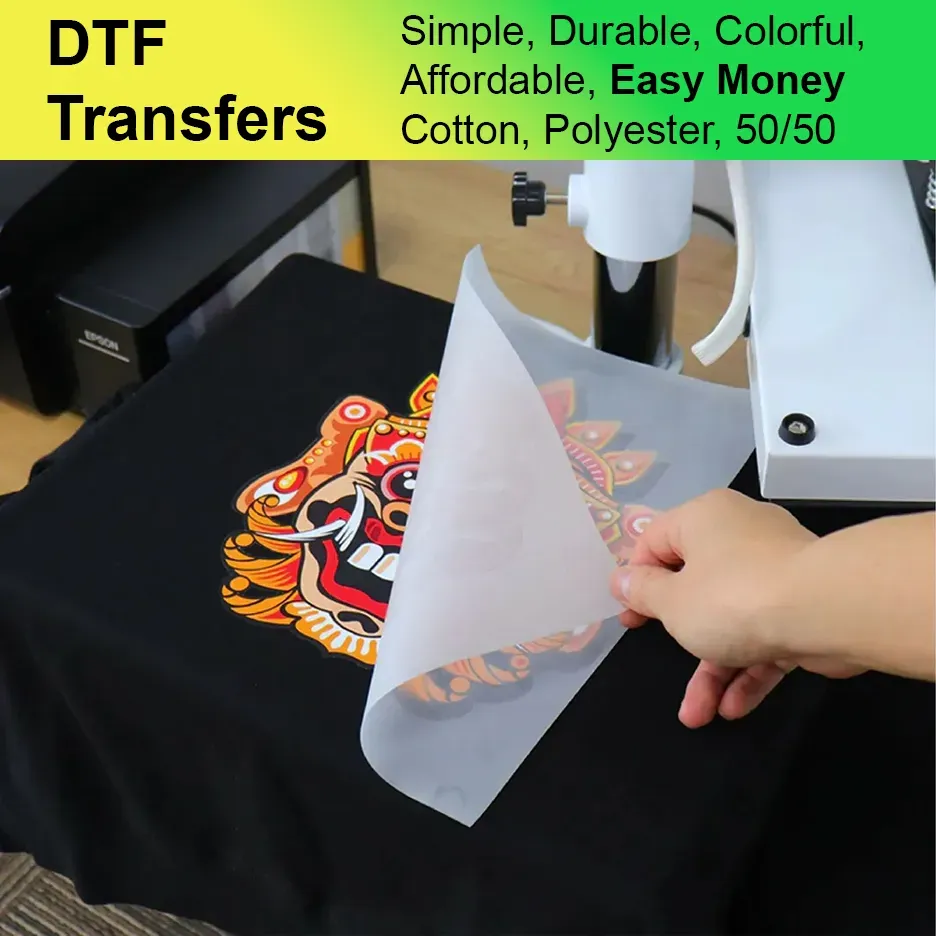
Iron-on patches provide a fast, no-sew option that yields visible results in minutes, making them ideal for lightweight or mid-weight fabrics and for temporary or adjustable placements. This method shines when you want a clean look with minimal effort, especially on items that don’t endure heavy abrasion. For beginners, iron-on patches are often the first step into patches for beginners and a gateway to more complex repairs.
Sewing patches, by contrast, rely on thread and stitching to secure the patch and offer greater durability on denim, canvas, or outerwear. Sewing patches is the preferred option when patches will experience frequent washing or heavy use, and it pairs well with DIY patch repair strategies that prioritize longevity. Learning both methods helps you tailor your approach to the fabric patches you’re patching.
Tools and Materials That Make DIY Patches Easy
Having the right tools makes patches for beginners smooth and enjoyable. For iron-on patches you’ll need an iron, a stable ironing surface, a pressing cloth, and scissors. For sewing patches, a needle, matching thread, scissors, and an optional sewing machine open up more efficient options. The right backing choices, like fusible interfacing or tear-away stabilizer, also help stabilize patches on stretchy fabrics.
Choosing patches for beginners starts with fabric compatibility. Cotton, denim, canvas, and twill are forgiving fabrics that respond well to both heat-activated adhesives and stitching. Test a small patch on scrap fabric to gauge heat settings for iron-on patches and to confirm stitch tension for sewing patches. This practical preparation helps ensure clean edges and durable results.
Step-by-Step Techniques: Applying Iron-On Patches and Sewing Patches
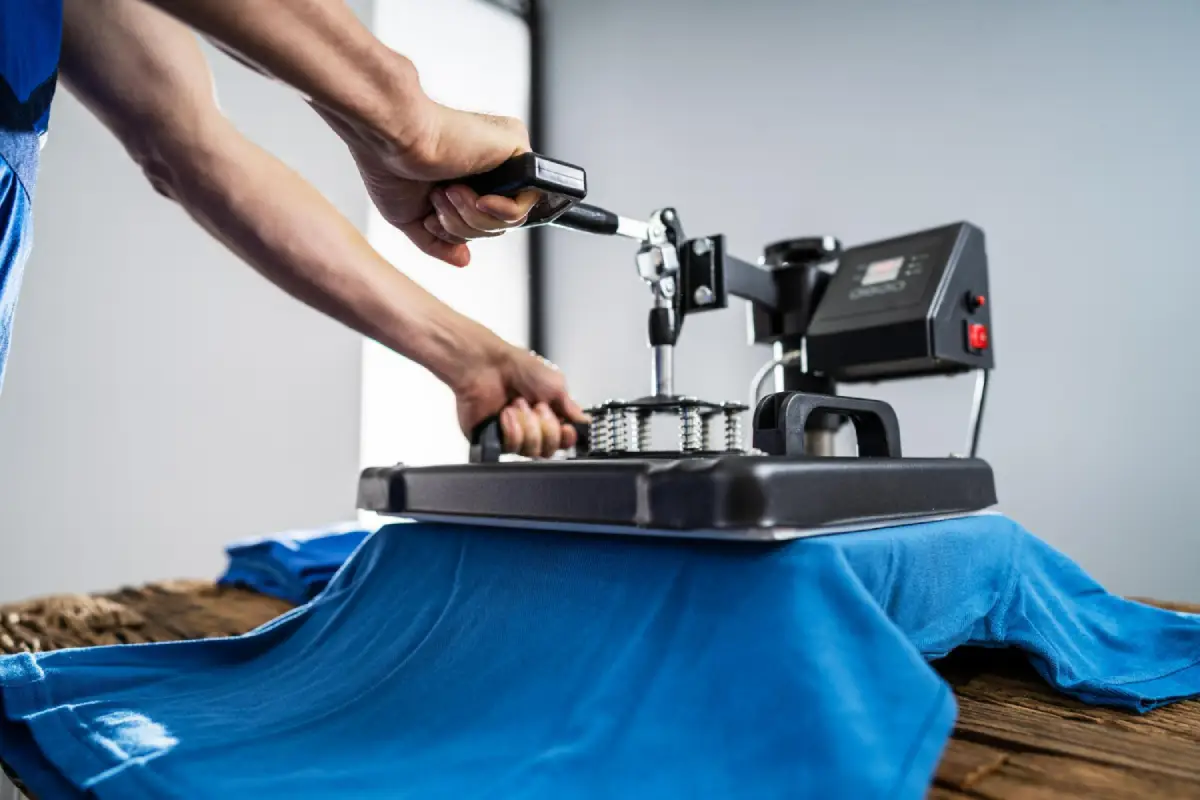
Step-by-step for iron-on patches begins with a clean, wrinkle-free surface. Position the patch face-down, cover with a pressing cloth, and apply heat with a hot iron for 20–30 seconds, checking adhesion along the edges. If needed, reheat to reinforce bonding. For extra durability, you can add a final stitch around the edge, using a blind stitch or a small zigzag stitch, to lock the patch in place and reduce the risk of lifting.
Step-by-step for sewing patches starts with prepping the fabric and patch backs, then securing the patch with pins or a light baste. A zigzag stitch around the edge provides a simple, reliable finish, though you can also use a blanket stitch or satin stitch for a more decorative look. Finish with a backstitch to secure threads and trim any loose ends, ensuring a neat, durable edge that stands up to wear.
Creative Projects and Practical Applications with Fabric Patches
Creative projects with fabric patches let you express personal style while practicing both iron-on patches and sewing patches. A denim jacket can become a customized statement piece by combining patches for beginners with strategically placed sewn patches for longevity. This approach blends speed and durability, yielding a visually appealing design that wears well.
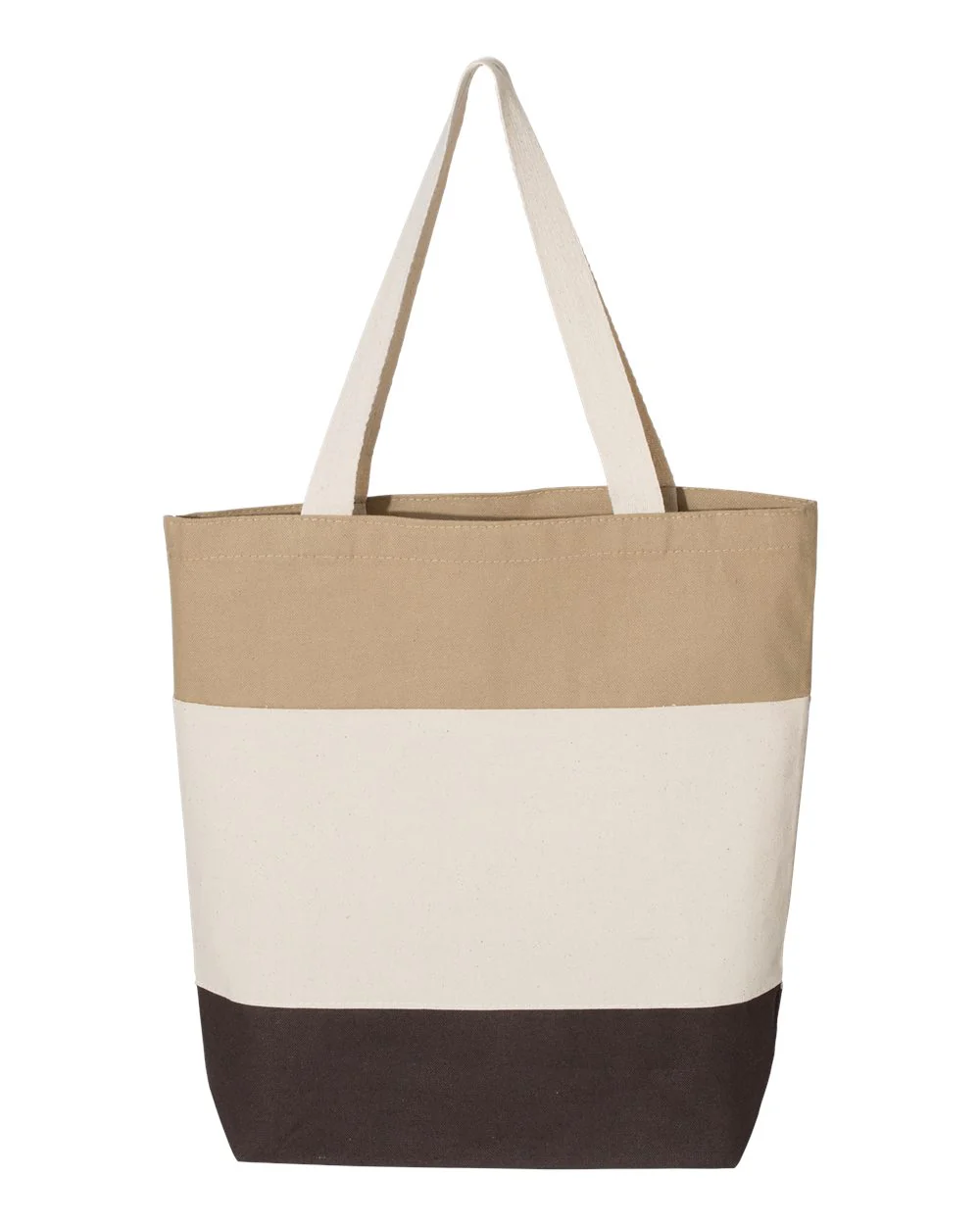
Practical DIY patch repair ideas extend beyond clothing to bags, backpacks, and accessories. Add color and texture to a tote with a mix of iron-on patches on the exterior and sewn patches in high-wear areas. By exploring options like embroidered patches or appliqué patches, you can build a versatile patched item collection—perfect for daily wear, school, or travel—while reinforcing areas that experience repeated use.
Frequently Asked Questions
What are DIY patches, and why should beginners start with patches for beginners using iron-on patches or sewing patches on fabric patches?
DIY patches are fabric pieces or embroidered designs added to clothing or gear to cover wear or decorate. For beginners, start with patches for beginners using iron-on patches for a quick, no-sew option, then try sewing patches for longer durability on heavier fabrics. This approach supports DIY patch repair with a balance of speed and sturdiness. Essential tools include an iron, ironing board, and pressing cloth for iron-ons, plus a needle, thread, and scissors for sewing patches.
How do I choose between iron-on patches and sewing patches for a DIY patch repair project?
Choose based on fabric weight, wash frequency, and how permanent you want the patch. Iron-on patches are fast and work well on lightweight to medium-weight fabrics for temporary placements. Sewing patches offer stronger durability on denim, canvas, and heavy wear. Beginners can start with iron-ons and reinforce edges later with simple stitching.
Which fabrics are best for fabric patches when practicing DIY patches for beginners, and should I use iron-on patches or sewing patches?
Best fabrics for patches for beginners include cotton, denim, canvas, and twill. Lighter fabrics may need lower heat for iron-on patches, while heavier fabrics benefit from sewing patches for added strength. Test patches on scrap fabric before applying heat or stitching to gauge behavior and adhesion.
What are the essential tools for applying patches for beginners, and how can I maximize durability with DIY patch repair?
For iron-on patches, gather patches, an iron, ironing board, pressing cloth, and scissors. For sewing patches, have a needle, thread, scissors, pins or baste stitches, and a sewing machine if you prefer speed. Use fusible interfacing or tear-away stabilizer on stretchy fabrics to stabilize patches, and finish with backstitching or secure edge stitches to improve durability.
What are some beginner-friendly DIY patch repair ideas and how many patches should I start with on a project?
Try 2–4 patches on a simple item like a denim jacket or backpack to build confidence. Ideas include mixing iron-on patches on shoulders with sewn patches for durability, replacing elbow patches on a knit with fabric patches, or decorating a tote with embroidered or appliqué patches. Increase the number and complexity of patches as you gain experience with DIY patch repair.
| Key Point | Overview |
|---|---|
| DIY patches: purpose | Attach patches to clothing to cover holes, reinforce wear, and decorate; beginner-friendly options exist. |
| Two core approaches | Iron-on patches (fast, no-sew; good for lightweight fabrics) and sewing patches (durable, secure; ideal for heavier fabrics). Mixing methods is common. |
| Materials and tools | Patches (iron-on or fabric backing), ironing supplies (iron, board, pressing cloth), sewing supplies (needle, thread, scissors, sewing machine); backing options like fusible interfacing or stabilizer. |
| Choosing fabrics | Cotton, denim, canvas, and twill are beginner-friendly; heat settings and patch choice depend on fabric weight. |
| Iron-on patch steps | Prep garment, position patch, apply heat with a pressing cloth, test adhesion, optional finishing stitch for durability. |
| Sewing patch steps | Prepare fabric/patch, pin/baste, choose stitch, stitch around edge, finish with backstitch and trim. |
| Durability tips | Use tight zigzag or satin stitch; match thread color; stronger needles; avoid stretching fabric; hand-wash patches initially to observe adhesion. |
| Combining methods | Iron-on for quick placement plus a few hand/machine stitches for durability; switch to sewing patches over time for longevity. |
| Project ideas | Denim jacket with iron-ons plus sewn patches; elbow patches; patches on backpacks; embroidered patches on totes or jackets. |
| Common mistakes | Overheating delicate fabrics; unsecured edges; skipping prep; using the wrong needle. |
| Care and maintenance | Turn inside out before washing; gentle cold cycle; air-dry; inspect and repair loose threads. |
| FAQs | Are iron-on patches secure enough for daily wear? They can be durable with proper pressing and edge sealing; for heavier use, add stitching. Can I patch non-fabric items? Test adhesion; sewing may be better for some surfaces. How many patches to start? 2–4 patches is a good beginner target. |
Summary
DIY patches are an approachable, creative way to refresh clothing, repair wear, and express personal style. Whether you choose easy iron-on patches for speed or sewing patches for strength, the key is practice and using the right techniques for patches for beginners. As you gain experience, you’ll enjoy a broader range of designs, fabrics, and projects, from everyday denim repairs to custom embroidered patches on bags or jackets. With a little patience and attention to detail, you’ll master both iron-on patches and sewing patches, and your patch repair skills will become a staple part of your crafting toolkit.