History of patches traces a remarkable arc from military insignia to modern streetwear and collectibles. What began as functional badges became embroidered patches and fashion patches that mark identity. The practice of patch collecting connects veterans, designers, and enthusiasts across cultures. Sew-on patches and iron-on options show evolving materials, techniques, and personalization. Finally, military patches leave a legacy that continues to shape contemporary branding.
Viewed through alternate terms such as badge history, textile insignia, or emblem culture, the patch story reveals how fabric symbols carry meaning beyond their original uses. These emblems migrate from ceremonial uniforms to everyday wear, becoming collectible artifacts, fashion accents, and signals of belonging. LSI-inspired phrasing ties together military heritage, street fashion, and design literacy, showing how badges and patches function as branding cues and cultural artifacts.
History of patches: From military insignia to streetwear art
The History of patches began on the battlefield, where military patches served as unit markers, rank insignia, and badges of honor. These sewn-on emblems were practical tools for identification, communications, and morale, laying the groundwork for what would become a sophisticated badge history. Over centuries, military patches evolved from simple cloth patches to embroidered symbols with complex borders and lore, establishing a language of identity that soldiers could recognize at a glance. This early phase set the stage for patches as both functional gear and cultural artifacts, guiding later designers and collectors.
As soldiers returned from conflicts, patches traveled with them into civilian life, carried on jackets, bags, and hats. The diffusion into everyday wear gave rise to fashion patches and the broader world of sew-on patches, where personal stories and group affiliations intersected with style. The rise of patch collecting as a hobby formalized a community around the craft, preserving badge history while sparking new designs that speak to contemporary taste.
Techniques and materials: embroidered patches and the craft behind sew-on patches
Techniques and materials reveal the craft behind patches. Traditional embroidered patches use dense stitching and a merrow border to create crisp silhouettes that endure through washing and wear. As technology advanced, embroidery machines enabled high-resolution artwork, scalable licensing, and consistent production, while still honoring the artisanal roots of the craft.
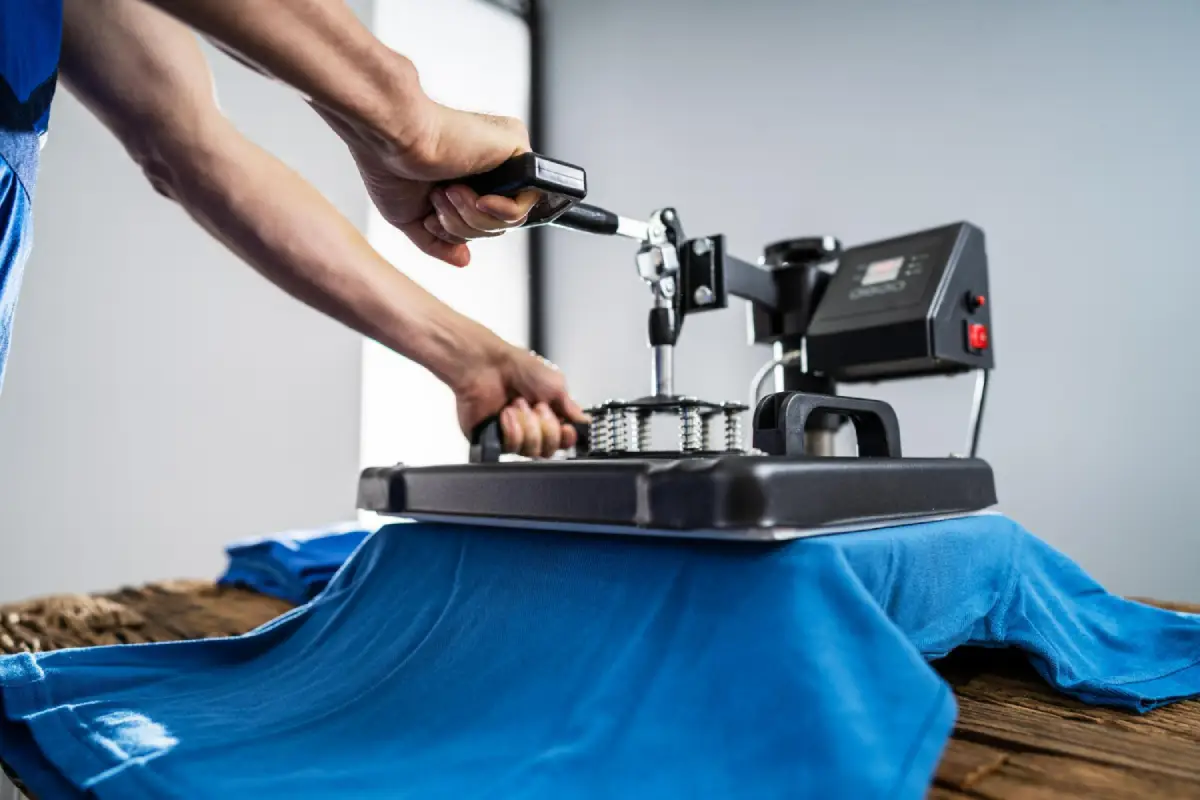
Beyond the classic embroidered patch, the market diversified with iron-on patches—heat-activated backsides for quick wear—along with Velcro-backed patches for military gear, PVC patches for streetwear texture, and laser-cut badges for precise detailing. Each material choice changes the look, durability, and value, influencing how collectors and fashion enthusiasts assess quality and authenticity.
Design, branding, and licensing in the modern patch ecosystem
Design and branding now sit at the heart of the modern patch ecosystem. Fashion patches and sew-on patches appear on runways and streetwear alike, while brands treat patches as portable branding assets that can signal collaboration, limited releases, or a narrative tied to a collection. Licensing and pop culture have widened the patch footprint, bringing iconic logos, bands, and art into embroidered patches and fashion patches.
Provenance matters to value in today’s patch collecting community. Details about who designed a patch, where it came from, and its edit history add depth to the value of a sewn-on or embroidered patch. Museums, galleries, and online communities curate and discuss badge history, while collectors exchange information that helps verify authenticity and track licensing rights.
Cultural significance and collecting: the story of patch collecting and badge history
Patch collecting is more than a hobby; it’s a way to archive social memory. Each patch embodies a moment in time, a club or unit’s identity, or a designer’s concept, turning fabric into a portable history lesson. Veterans may keep patches from their units as tactile reminders of service, while fashion collectors chase limited editions that capture moments in design history. The badge history embedded in a single patch reveals the era’s textile technology, political climate, and the aesthetics favored by designers and consumers.
The patch community spans veterans, fashion enthusiasts, museums, and online marketplaces. Exhibits trace the evolution of badges and patches across regions, and collectors’ guides help map provenance and context. The conversation around patches—whether sewn-on patches or embroidered patches—continues to grow as people share stories, trade pieces, and celebrate badge history.
Future trends: from textiles to digital storytelling and fashion patches
Global perspectives on patches show regional traditions shaping how military patches, police insignia, school emblems, and club badges are valued. As fashion patches expand into sustainability and collaboration, designers remix traditional military patch motifs with modern colorways and ethical materials, keeping the vocabulary of patches vibrant across streetwear and couture alike.
The next frontier includes digital storytelling and augmented reality where a patch unlocks historical content or a collectible hologram. Innovations in sustainable textiles, smarter manufacturing, and new materials will keep embroidered patches, sew-on patches, and fashion patches relevant as branding tools and collectible curiosities, ensuring patches continue to evolve in step with patch collecting culture.
Frequently Asked Questions
What is the History of patches and how did military patches lay its foundation?
The History of patches begins in the military, where military patches signaled unit identity and achievement. Over time, the badge history of patches broadened to civilian use, giving rise to a rich culture of patch collecting. This arc culminates in a modern landscape where sewn-on patches remain common and fashion patches signal personal style.
How did embroidered patches help the History of patches evolve from badge history to fashion patches?
Embroidery plays a central role in the History of patches. Embroidered patches started on uniforms as durable insignia and became the bridge between badge history and fashion patches. Today, fashion patches remix motifs, borders, and textures while keeping the essence of embroidered patches.
Why is patch collecting important in understanding the History of patches and its badge history?
Patch collecting preserves the History of patches by documenting origins, designers, and badge histories. Collectors study military patches and fashion patches to understand era, technique, and value. The practice turns patches into tangible history and a shared language of design.
How have sew-on patches and other techniques like iron-on patches shaped the modern History of patches?
Techniques like sew-on patches and iron-on patches have shaped accessibility and use in the History of patches. Advances in embroidery, backing, and materials expanded options from classic embroidered patches to Velcro, PVC, and laser-cut badges. This evolution keeps the patch ecosystem vibrant for both collectors and fashion enthusiasts.
What role do fashion patches play in today’s History of patches and collector culture?
Today’s fashion patches reflect the History of patches by merging military heritage with streetwear and art influences. Licensed imagery and designer collaborations populate fashion patches while the patch collecting community values provenance and storytelling. Whether embroidered or sew-on, patches remain affordable, wearable artifacts of culture.
| Aspect | Key Points |
|---|---|
| Core focus | History of patches traces a journey from military insignia to fashion and collecting, highlighting how patches function as symbols of identity and memory. |
| Origins and badge history | Military roots: units, ranks, and valor signaled by patches; evolution into badges and embroidery on uniforms. |
| From utility to everyday wear and collecting | Patches diffuse into civilian wear via jackets, bags, and hats; patch collecting becomes a hobby and cultural practice. |
| Techniques and materials | Embroidered patches with merrow borders; iron-on; Velcro; PVC; laser-cut; licensing options. |
| Design, branding and modern ecosystem | Designer brands and fashion lines embed patches; licensing and pop culture expand their footprint; patches become branding tools. |
| Cultural significance and collecting | Collecting as archiving memory; provenance matters; museums, clubs, and online communities shape value. |
| Global perspectives and future trends | Regional variations influence use and value; future patches may incorporate sustainability, digital storytelling, and new materials. |
Summary
History of patches shows how a humble piece of cloth evolved from military insignia to a global language of style and collecting. This descriptive journey traces origins in badge history, the diffusion into civilian wear, and the ongoing dialogue between function, identity, and design. As fashion patches and embroidered patches cross runways and streetwear, the patch as a wearable badge of belonging continues to adapt with new materials, licensing landscapes, and collector communities. The story invites readers to consider how patches reflect cultural memory and personal expression, and how today’s patch ecosystem blends heritage with innovation for future wearables and stories.