DTF supplies for small businesses: Build a printing studio

DTF supplies for small businesses open affordable paths to launching a branded product line and scalable production. By pairing a reliable DTF printer with white and color inks, DTF transfer film, and a consistent powder-curing workflow, you can achieve vibrant, durable results ideal for DTF printing for small business. This guide highlights essential DTF printing equipment and consumables—DTF transfer film, DTF printers and supplies, inks, and heat presses—helping you balance cost and quality. Understanding how to start a DTF printing studio is part of building a lean catalog that resonates with local customers. With thoughtful budgeting and an efficient workflow, small teams can turn orders into repeat business while maintaining strong margins.

In other terms, this field centers on direct-to-film printing and garment transfer technology, emphasizing fast turnaround and durable finishes. Think of the core toolkit as reliable printing devices, transfer media, adhesive powders, and curing and pressing equipment designed for small batches. Materials like white-ink compatible films, transfer sheets, and heat presses form the backbone of the workflow, with testing and optimization driving consistency. By aligning supplier choices with target products and local demand, you can craft a scalable system that supports online sales and local collaborations. Whether you label it a print studio or a garment customization shop, the steps remain the same: validate demand, assemble the right gear, and refine processes for margin.

DTF supplies for small businesses: Building a Profitable Printing Studio

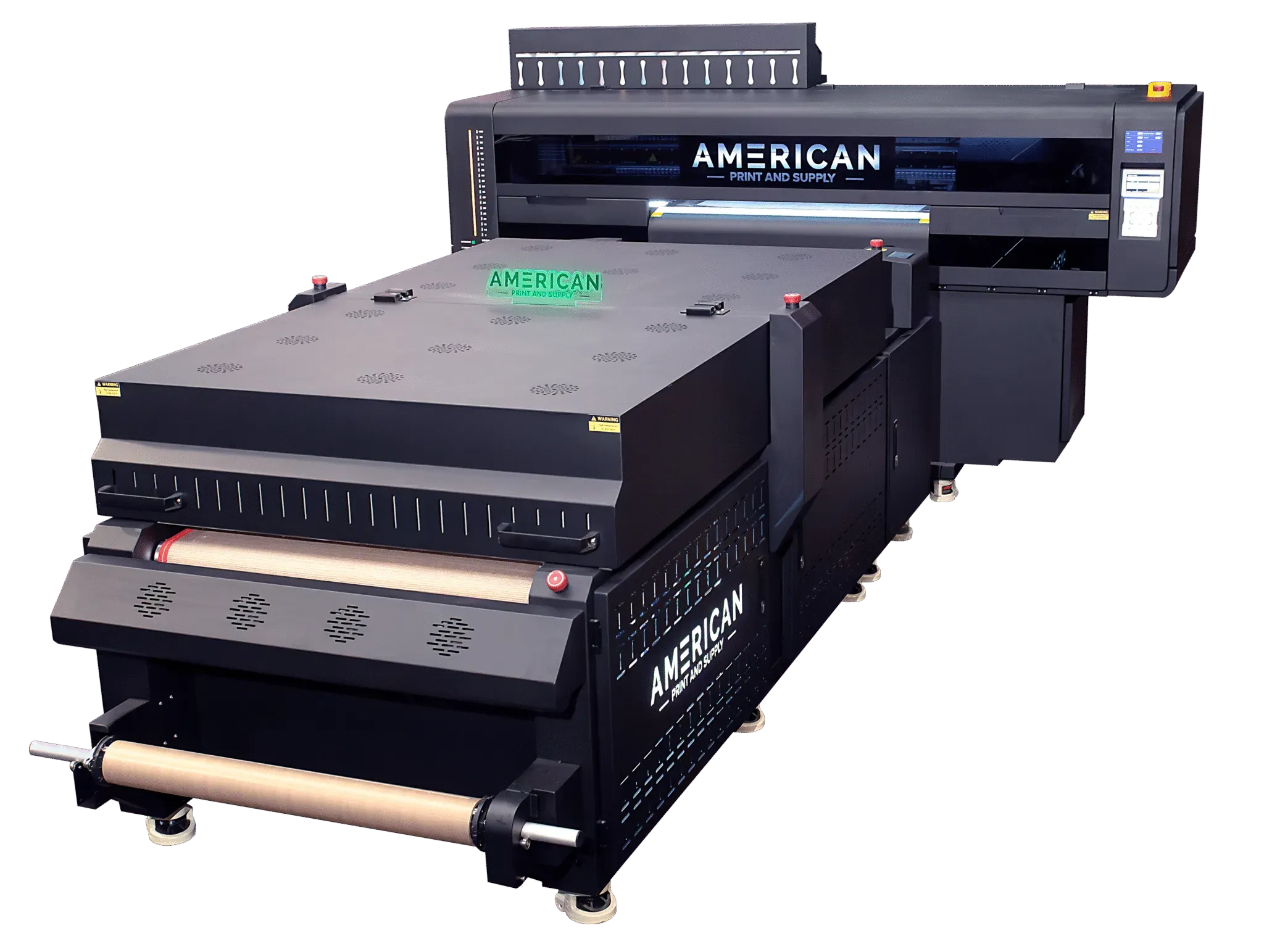
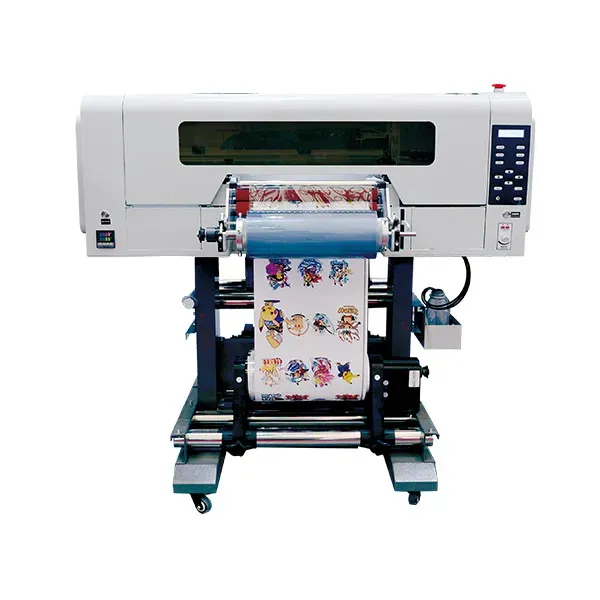
DTF supplies for small businesses form the backbone of a successful studio. A dependable DTF printer setup with reliable white and color inks, high-quality DTF transfer film, adhesive powder, and a sturdy heat press creates the foundation for consistent, vibrant results across apparel and accessories. When starting, prioritize compatibility between the transfer film and powders, plus a printer that supports robust white ink channels and easy maintenance to reduce downtime.

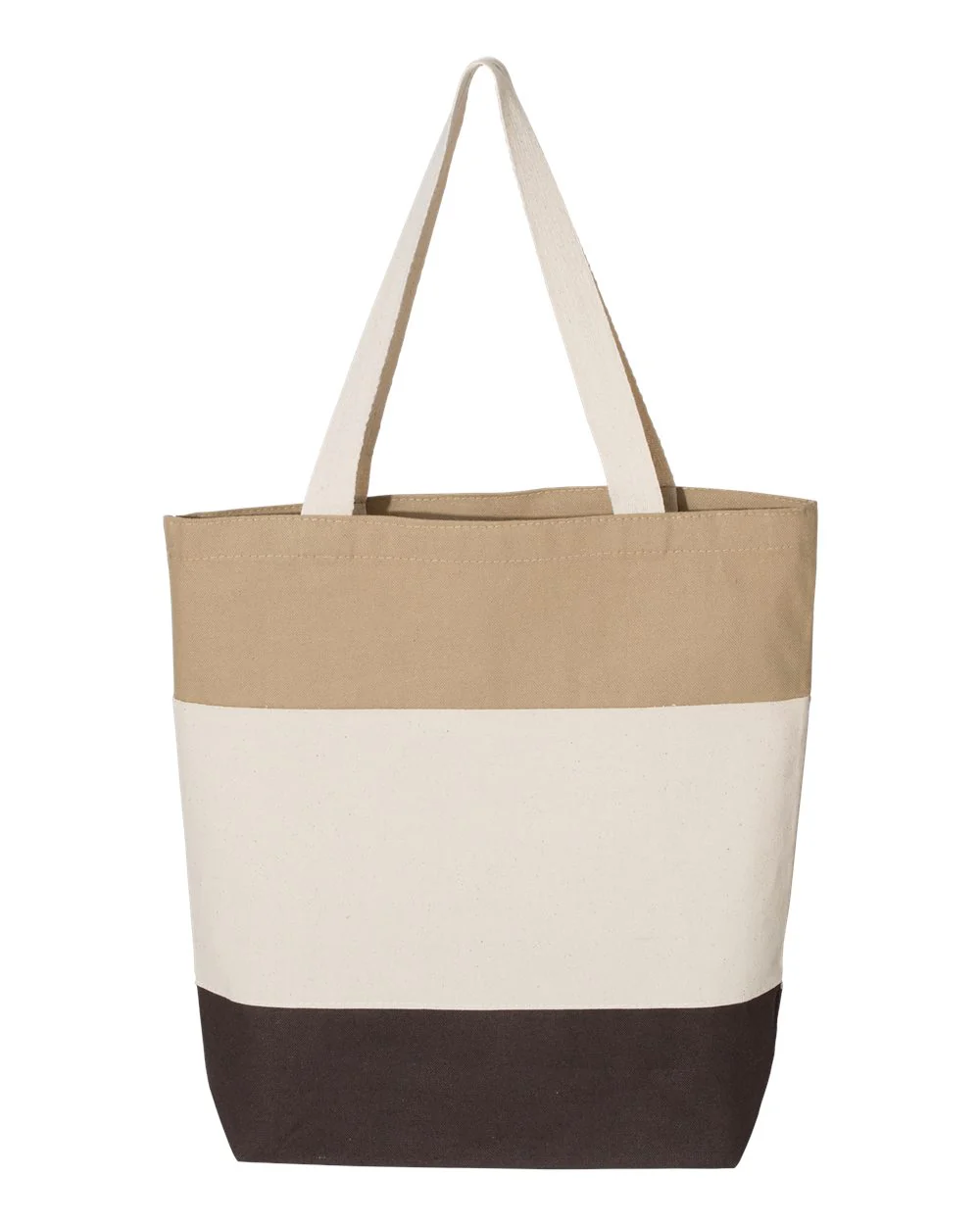
Design and workflow matter nearly as much as hardware. Build a lean starter kit that includes a powder shaker, a reliable curing method, heat-resistant platen coverings, and a curated selection of substrates such as basic T-shirts and tote bags. With well-chosen DTF supplies for small businesses, you can shorten product development cycles, improve margins, and bound production costs as you validate demand and refine your process.

Scaling up with DTF printing for small business success

Selecting the right mix of DTF printers and supplies is essential for growth. Balance budget and capacity, prioritize equipment known for stable color output, reliable white ink performance, and readily available spare parts. Ensure the compatibility of inks, DTF transfer film, and adhesive powder so you can maintain quality as volumes rise. Emphasize durable, scalable setups under the umbrella of DTF printers and supplies to support expanding product lines without sacrificing consistency.

If you’re wondering how to start a DTF printing studio, approach it in phases: validate demand in your local market, build a lean catalog around high-demand items, and document repeatable standard operating procedures from design to shipment. This structured approach, aligned with the concept of how to start a DTF printing studio, helps you control initial costs, accelerate learning, and create a repeatable workflow that scales with orders, analytics, and customer feedback.

Frequently Asked Questions

What are the essential DTF supplies for small businesses to start a DTF printing studio, and how does the guidance on how to start a DTF printing studio apply to selecting these components?

Core DTF supplies for a small business starting a DTF printing studio include: a DTF printer with reliable white ink capability; CMYK inks plus white; DTF transfer film; adhesive powder; a curing or drying solution; a heat press with adjustable temperature and pressure; heat‑resistant platen coverings and silicone sheets; a small selection of garment blanks for testing; and basic finishing and maintenance tools. Build a lean, repeatable workflow from design to final transfer (mockups, pre‑press testing, print‑to‑transfer, quality control, packaging). Invest in dependable consumables and spare parts to reduce downtime, creating a scalable foundation for profitability and aligning with guidance on how to start a DTF printing studio.

For DTF printing for small business success, how should I evaluate DTF printers and supplies and their compatibility with DTF transfer film?

Evaluate DTF printers and supplies with a practical, ROI‑driven lens. Key checks include: print quality and color consistency (including reliable white ink performance); compatibility of inks with your chosen DTF transfer film; availability of spare parts and ongoing consumables; the reliability and size options of the heat press; and the transfer film’s release properties and color retention. Also assess vendor training, support, and lead times for inks, film, and powders. Finally, run pre‑press tests on typical fabrics to verify color accuracy and curing before committing to large orders. This approach covers essential DTF printers and supplies and ensures compatibility with DTF transfer film.

Topic Key Points
What are DTF supplies and why they matter
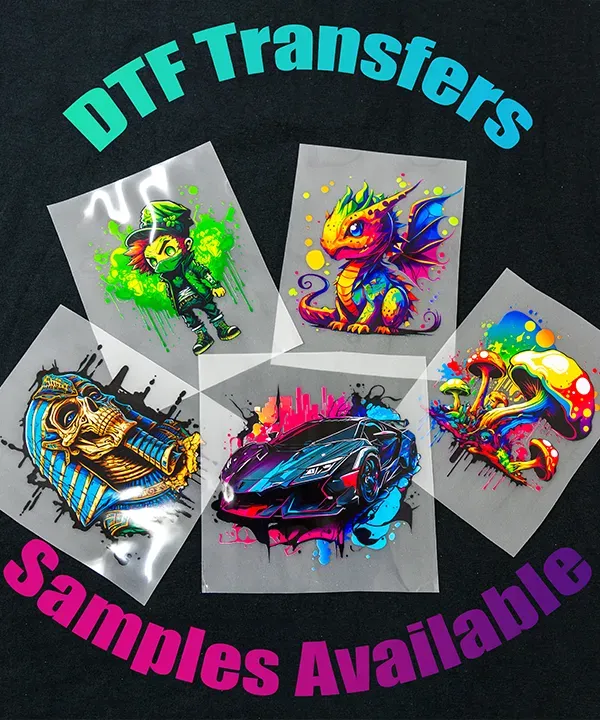
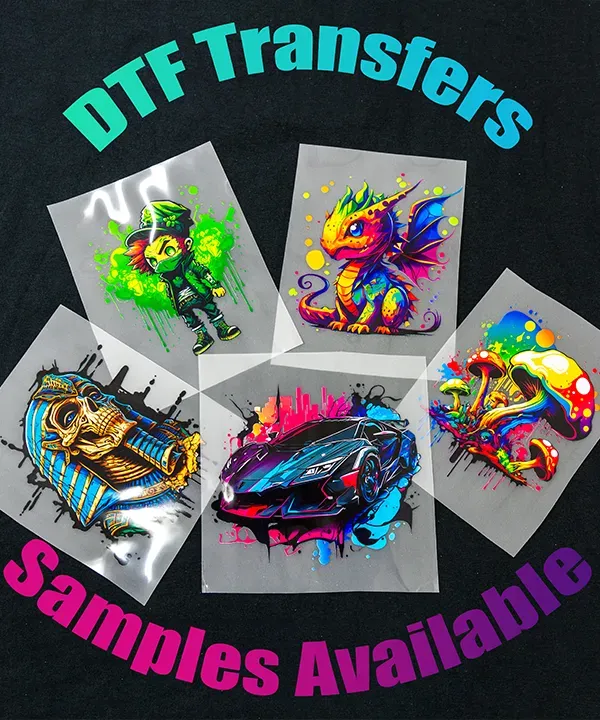
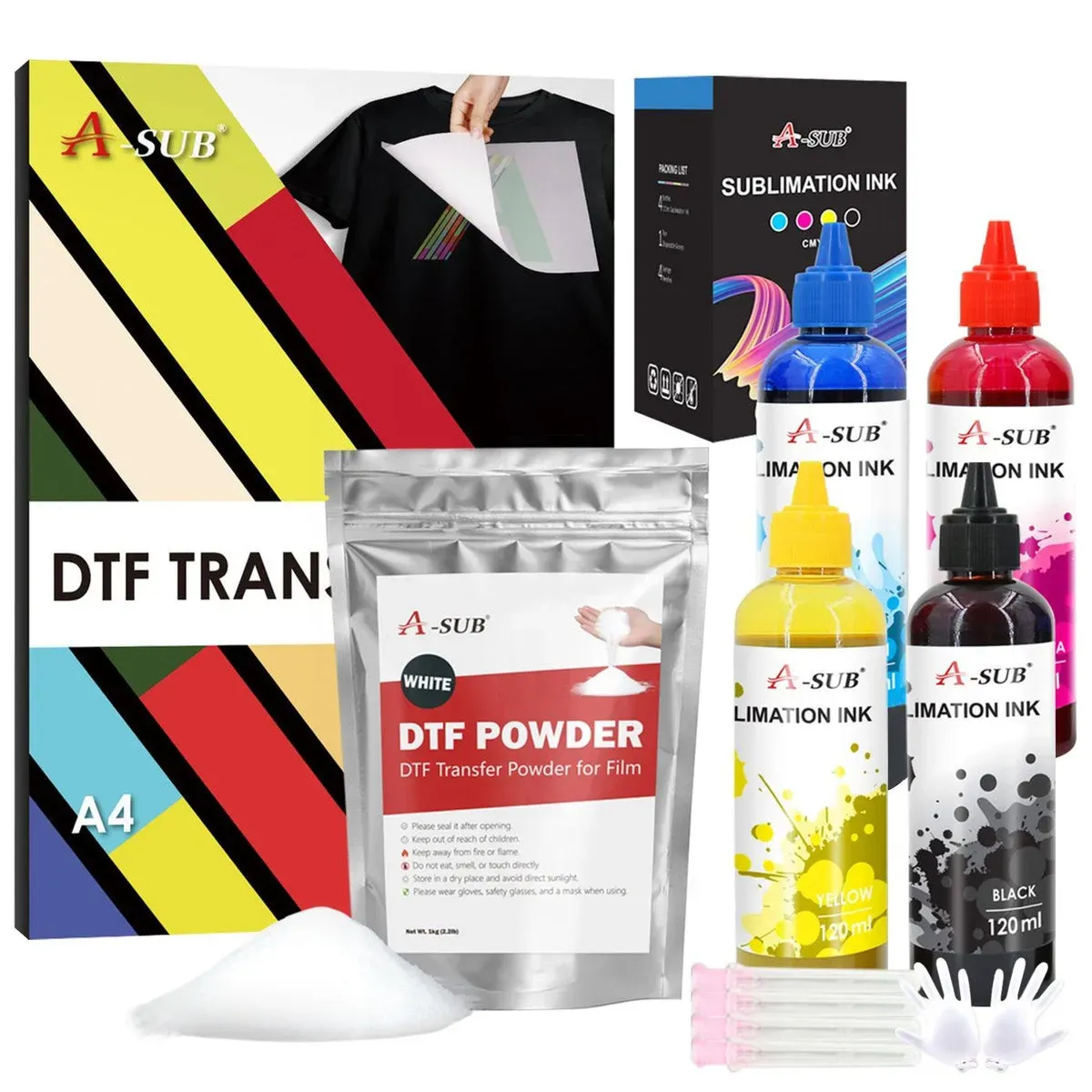
  • DTF supplies include everything needed to print designs onto textiles: printer, inks, transfer film, adhesive powder, curing solutions, heat presses, and consumables.
  • Right supplies shorten product development cycles, reduce order-to-fulfillment times, and improve margins by controlling production costs.
Essential DTF supplies for a growing studio
  • DTF printer (ink system): reliable printer with white ink for dark garments; look for variable dot gain, maintenance support, and spare parts.
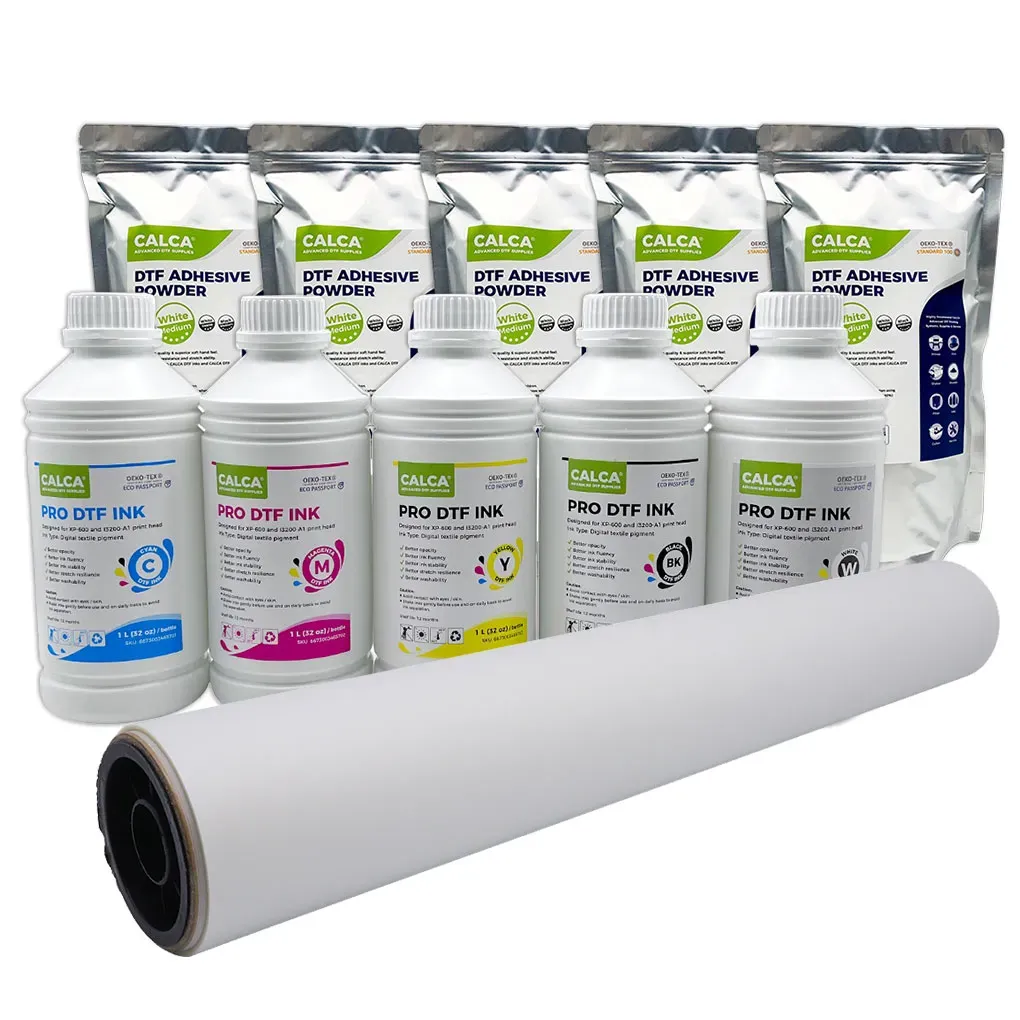
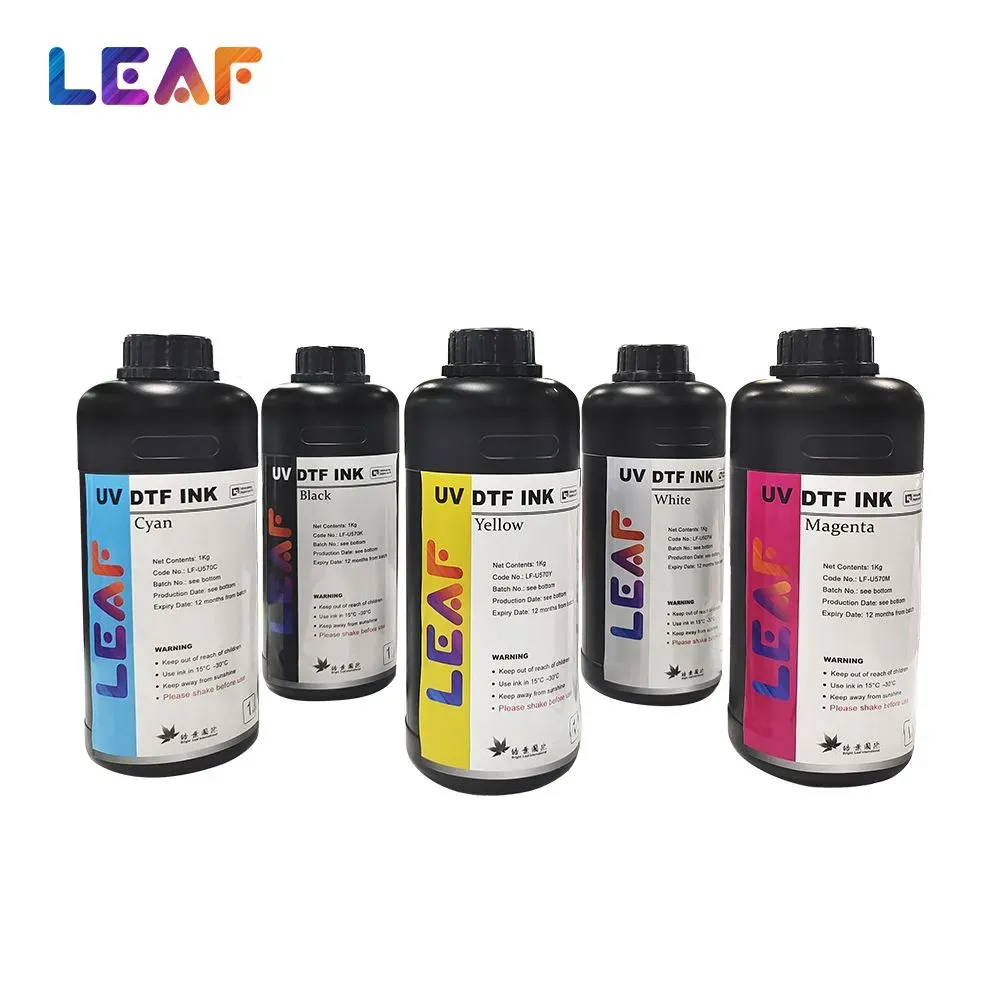
  • Inks (CMYK plus white): water-based for durable prints and soft hand-feel; white ink must be opaque and fast-curing.
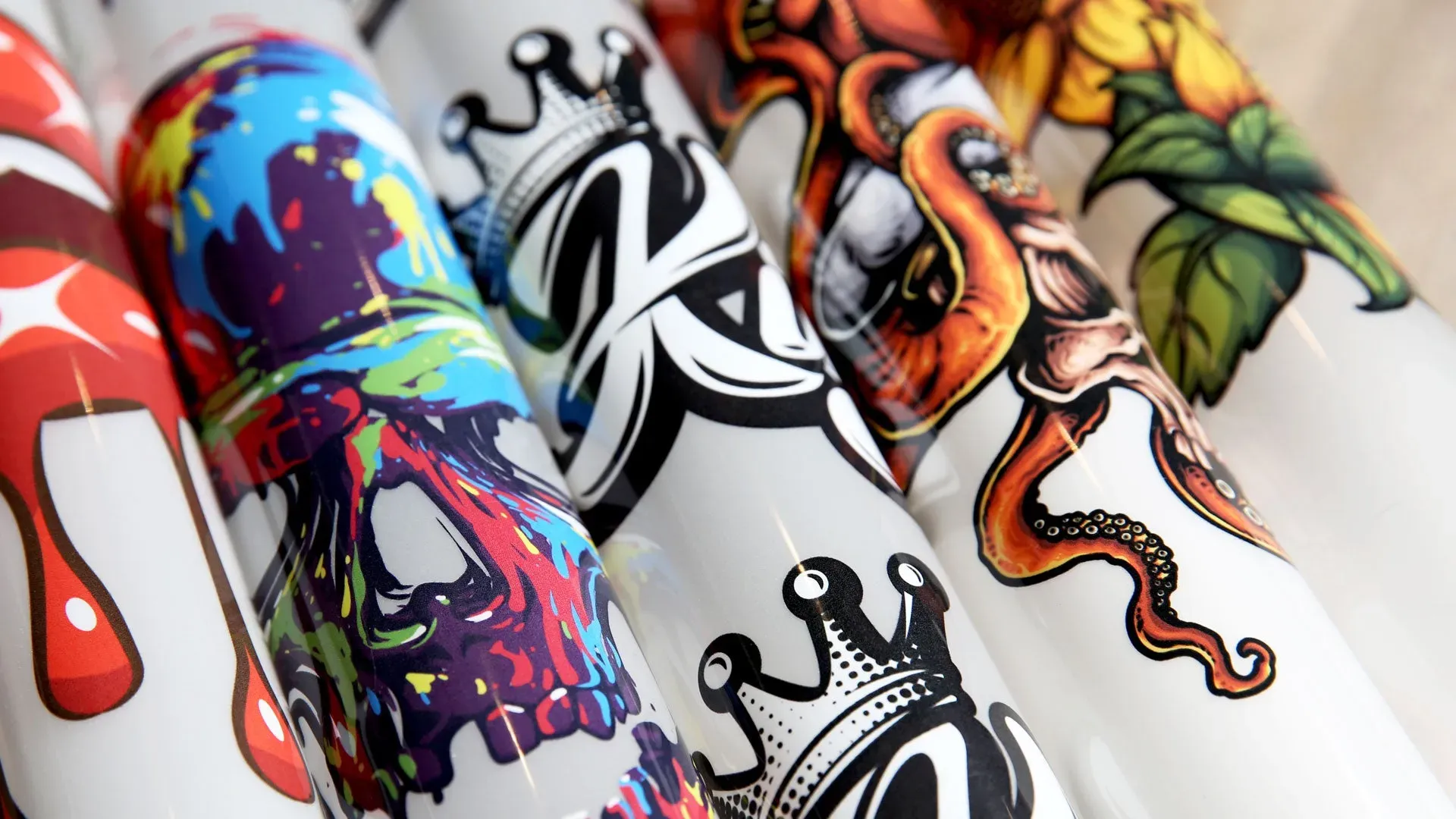
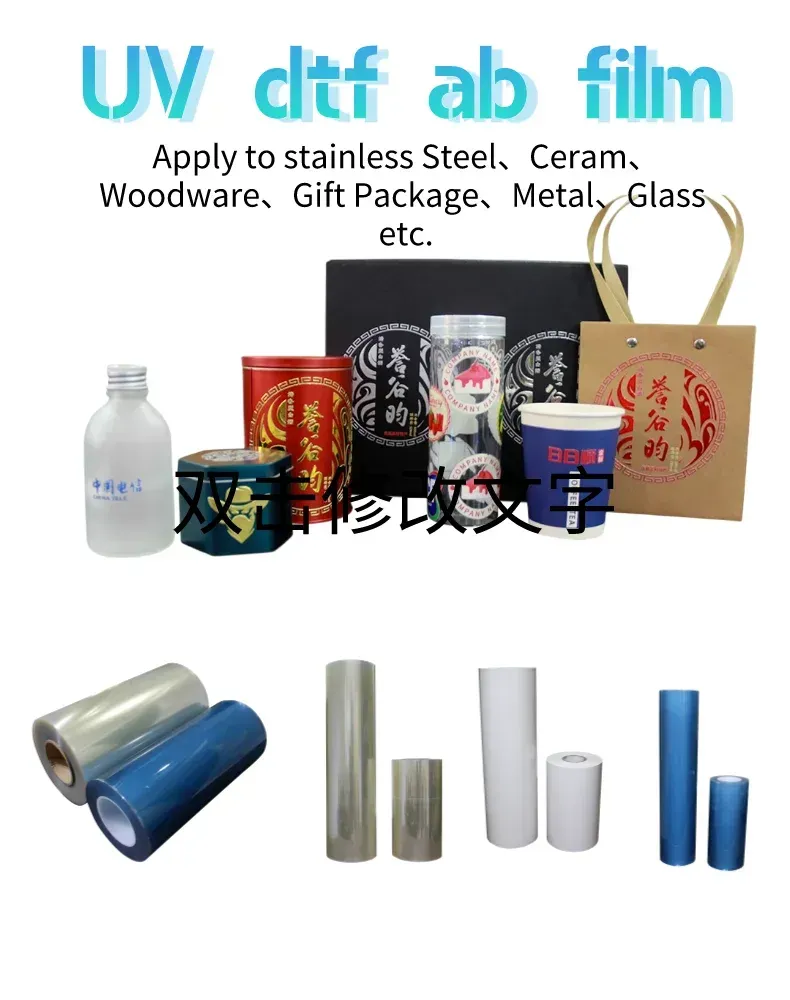
  • DTF transfer film: good release properties, color retention, and compatibility with adhesive powder.
  • Adhesive powder: uniform, easy-to-apply granules for binding during transfer.
  • Powder shaker and curing methods: even powder application and reliable curing/drying solution.
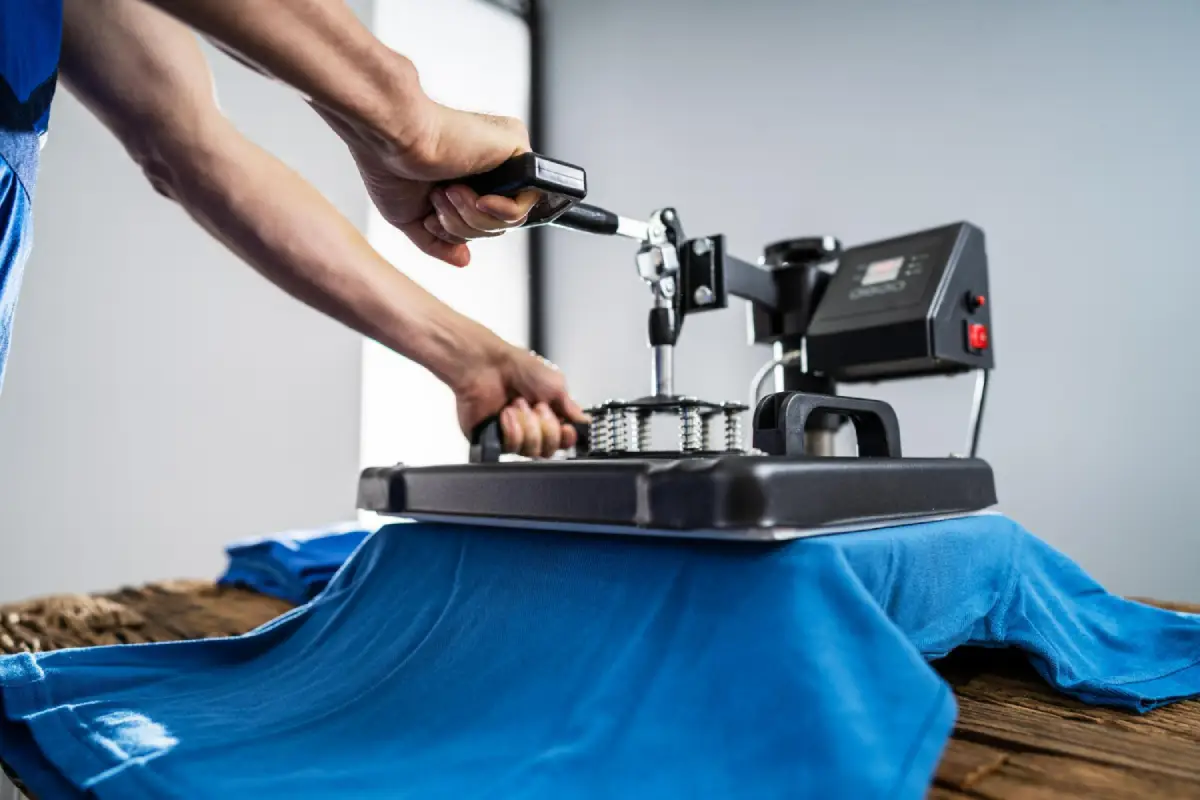
  • Heat press: adjustable temperature/pressure; consider platen size based on product mix.
  • Heat-resistant platen coverings and silicone sheets: protect equipment and ensure clean transfers.
  • Substrates: start with a small, curated garment selection for testing.
  • Post-processing and finishing: drying rack, tack cloths, and inspection checklist.
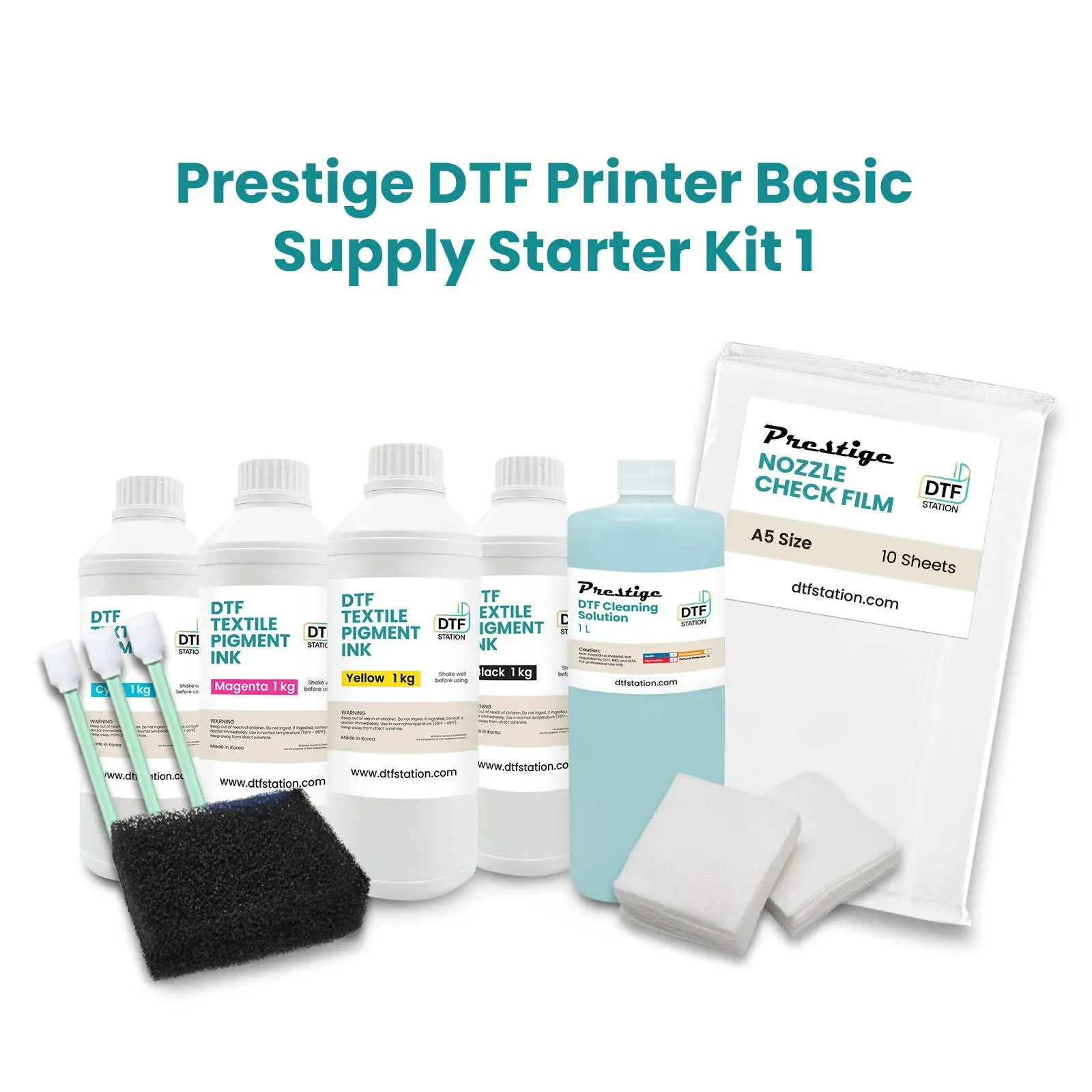
  • Cleaning and maintenance supplies: cleaners, lint removers, spare parts.
Building a profitable workflow
  • Design and mockups: use user-friendly software and templates to speed up orders.
  • Pre-press testing: dry run designs on test fabrics to verify color and transfer performance.
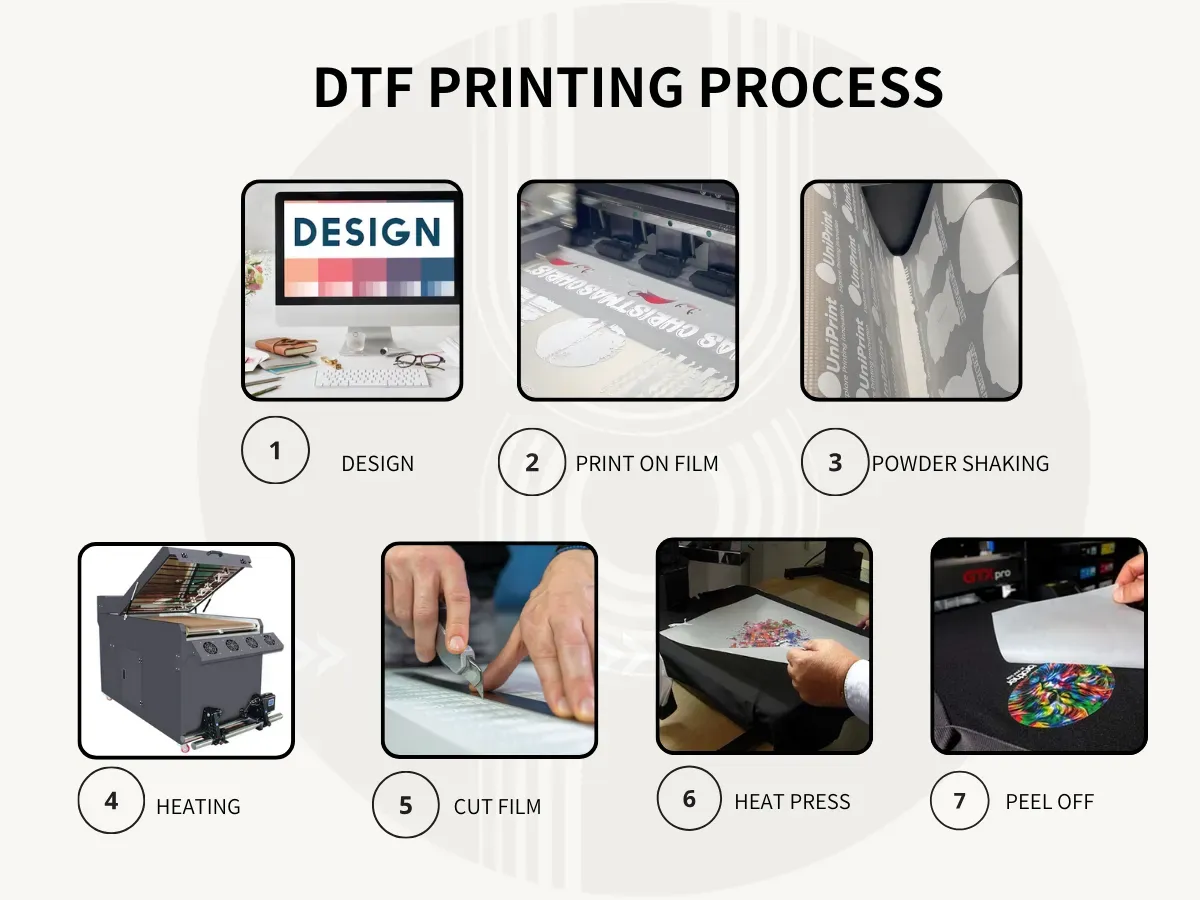
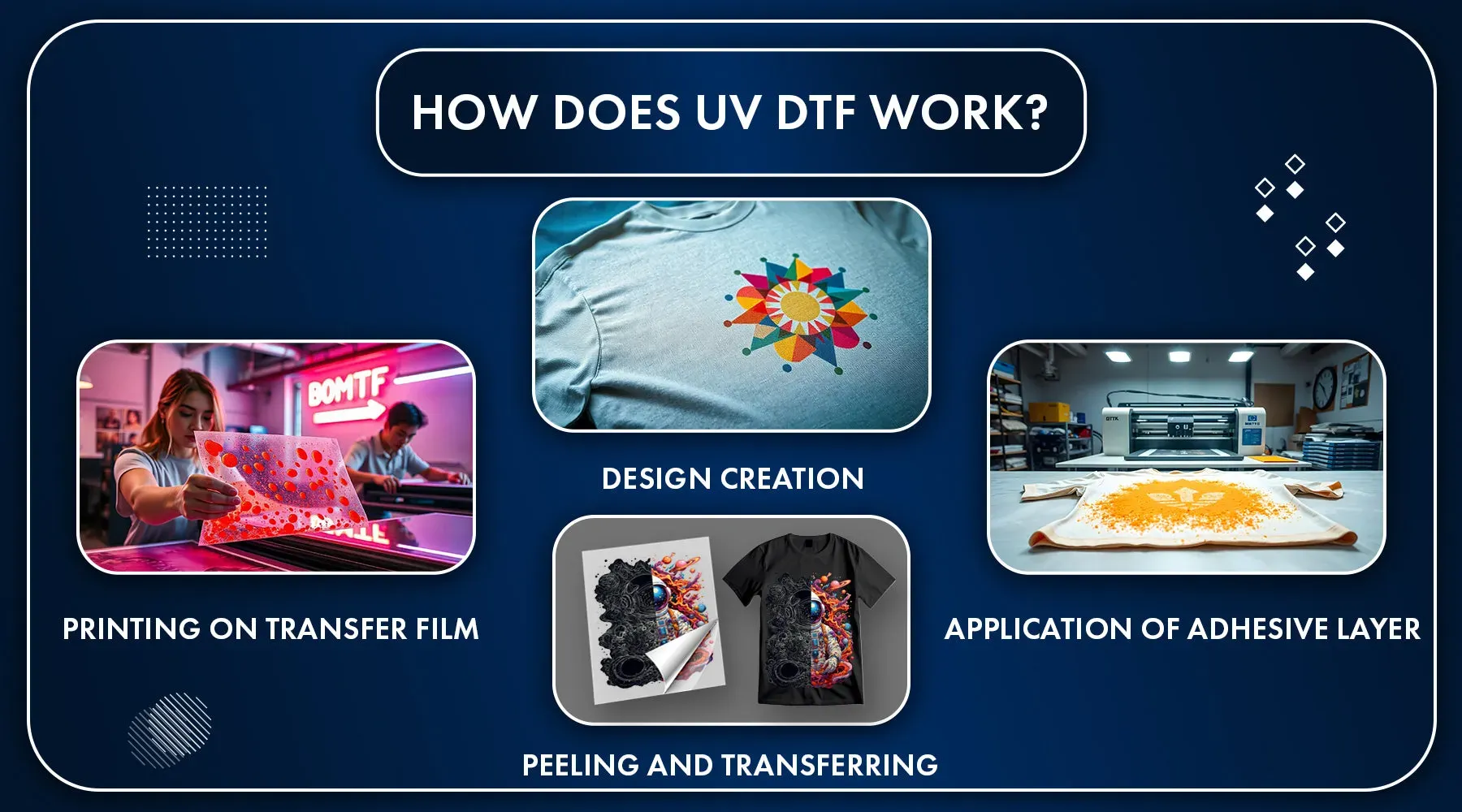
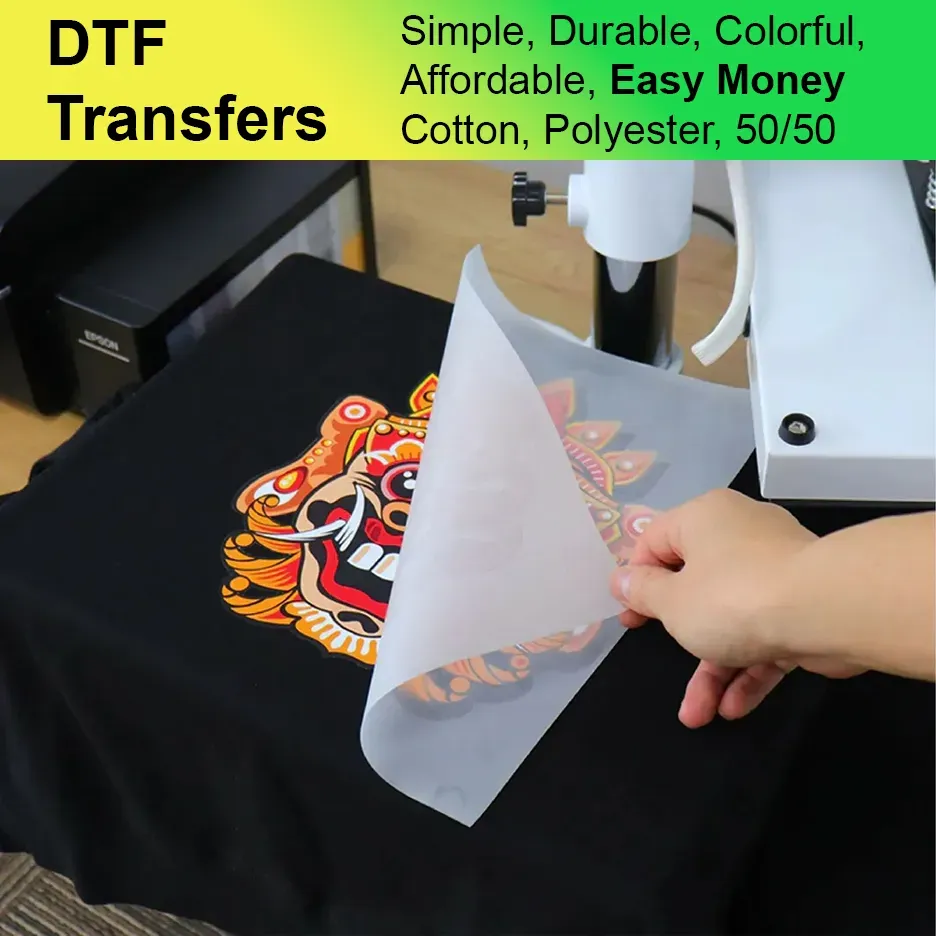
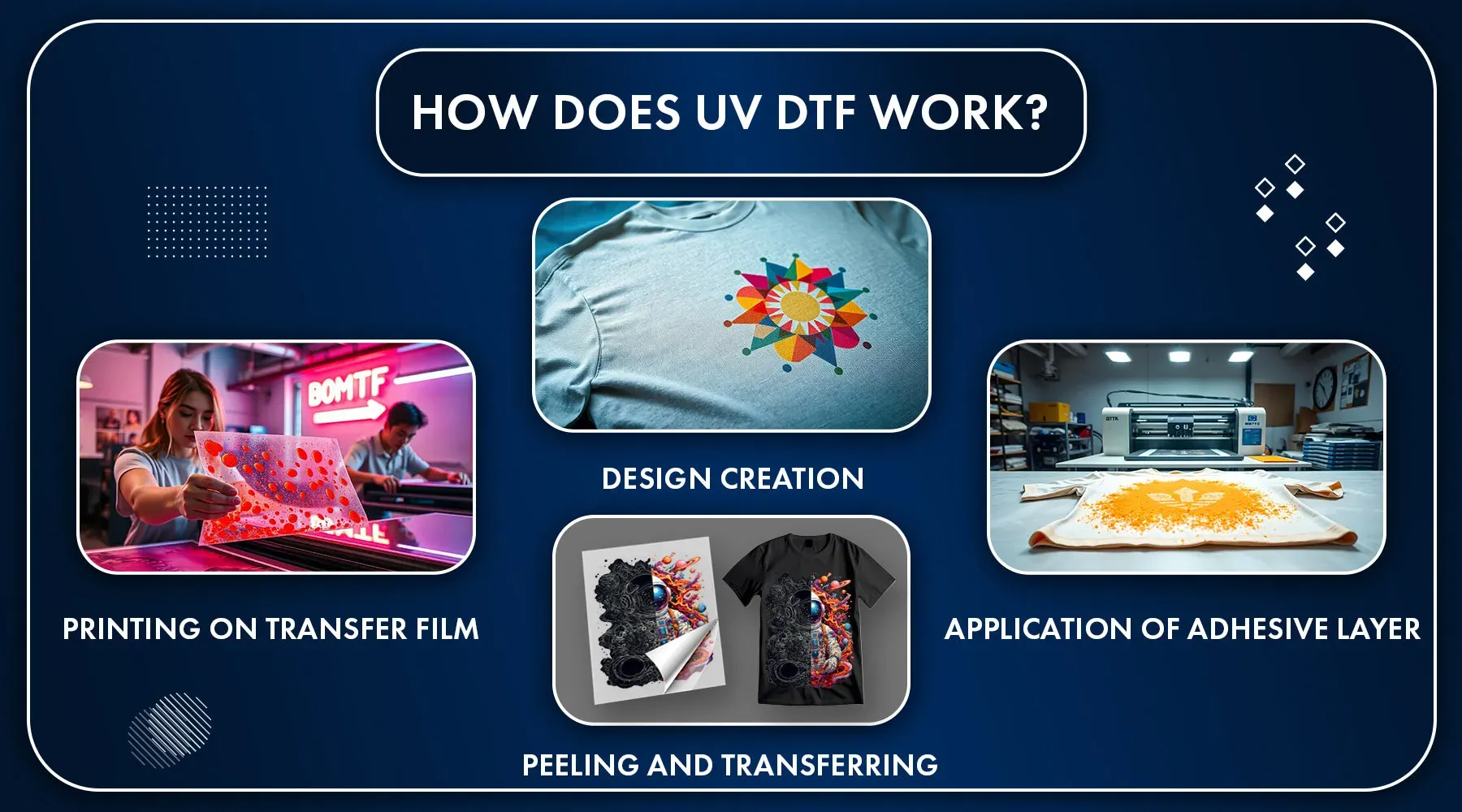
  • Print-to-transfer process: apply adhesive powder, cure, then transfer with calibrated heat press; prioritize color accuracy and edges.
  • Quality control: simple checklist for color, placement, fabric stretch, wash durability.
  • Packaging and fulfillment: clean packaging and labeling to encourage repeat business.
Choosing the right DTF printers and supplies
  • Budget vs. capacity: start modest if testing; ensure scalable equipment.
  • Print quality and consistency: stable color output and reliable white ink performance; good tech support.
  • Ink and film compatibility: ensure inks work with your transfer film and powder.
  • Spare parts availability: choose brands with readily available replacements.
  • Training and community: access to guides, setup help, and user groups.
Cost considerations and budgeting
  • Initial equipment investment: printers, presses, and basic consumables; compare total cost of ownership.
  • Consumables and ongoing supplies: ink, film, powder, transfer sheets, garment blanks; budget monthly based on sales.
  • Space and utilities: consider environment, temperature control, and ventilation.
  • Packaging and branding: value-added packaging and labeling.
  • Labor costs: price outputs to reflect design, setup, production, and QA effort.
Launching a small studio: how to start a DTF printing studio
  • Validate demand: target local groups (bands, schools, clubs, boutiques) with a few designs.
  • Lean catalog: focus on a few high-demand products (tees, hoodies, totes).
  • Optimize workflow: create repeatable processes and SOPs.
  • Price strategically: calculate unit costs with margins; consider tiered pricing.
  • Market intelligently: use social media, collaborations, and sample orders for credibility and quick turnaround.
Maximizing profitability with efficient operations
  • Reduce waste: refine powder application and curing times.
  • Batch processing: group similar orders to cut setup time.
  • Design templates: library of versatile designs for multiple garment types.
  • Energy-efficient cooling and drying: reduce energy use and material wear.
  • Returns management: simple policy and quick reprints to protect margins.
Marketing, branding, and scaling your DTF studio
  • Brand identity around reliability, color fidelity, and fast delivery; highlight DTF advantages for small businesses.
  • Extend product lines: patches, bags, home textiles.
  • Partner with local creators: schools, clubs, boutiques as regular customers.
  • Analytics: track top designs, seasonality, and customer acquisition costs.
  • Team training: SOPs, training materials, escalation paths for maintenance.

Summary

Conclusion: DTF supplies for small businesses empower entrepreneurs to launch and grow a profitable printing studio. By pairing the right equipment with a solid workflow, you can deliver vibrant, durable prints that satisfy customers and sustain cash flow. Start with essential DTF supplies, validate demand, optimize your process, and scale thoughtfully. With persistence, a clear plan, and a focus on quality, your DTF printing studio can transform a simple idea into a thriving, repeatable business.

Scroll to Top