DTF Gangsheet Builder is redefining how modern print shops handle complex garment and textile projects. By pairing a dedicated gangsheet creation tool with robust DTF workflow automation, it accelerates multi-up printing while preserving design fidelity, streamlining prepress handoffs, and enabling scalable production across bustling print floors. This SEO-friendly solution helps shops scale production, reduce errors, shorten time-to-delivery, and improve forecasting accuracy across diverse apparel runs, textiles, and marketing campaigns. In today’s competitive print environment, where accuracy and speed determine margins, a system that automates routine tasks while preserving design fidelity can be a game changer for order velocity, consistency, and client satisfaction. If you’re aiming to boost gangsheet printing efficiency and enhance overall print shop automation, DTF transfer printing workflows become more manageable and scalable, delivering repeatable results for both small runs and large batches.
Viewed through an alternative lens, the concept resembles a scalable sheet-planning and production sequencing tool for direct-to-film transfers. In Latent Semantic terms, this platform behaves as a batch-oriented layout engine that coordinates artwork, margins, color profiles, and RIP rules to maximize throughput while reducing waste, mapping well to ideas like automated workflow and garment decoration efficiency. Framing it as a smart job router and template-driven designer clarifies how it slots into broader print production strategies, from prepress to finishing, with color-consistent results and predictable scheduling.
DTF Gangsheet Builder: Redefining DTF Transfer Printing and Print Shop Automation
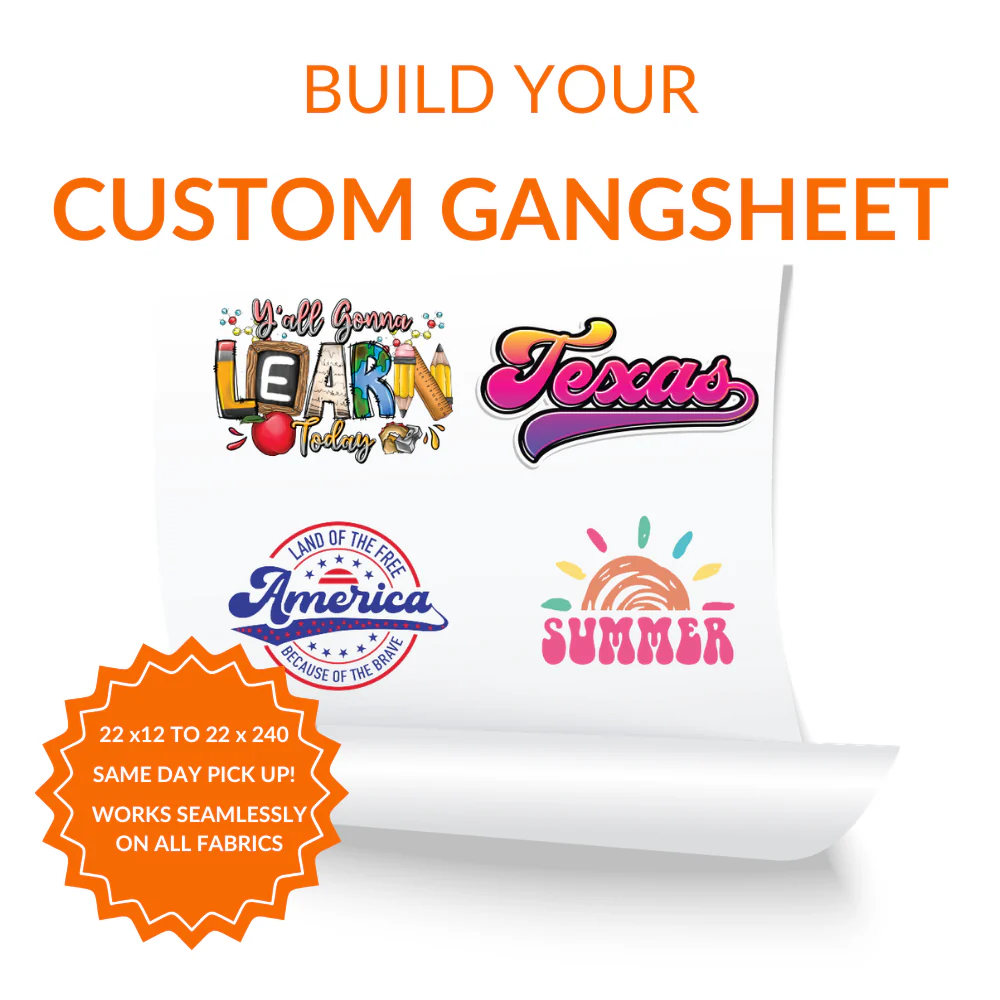
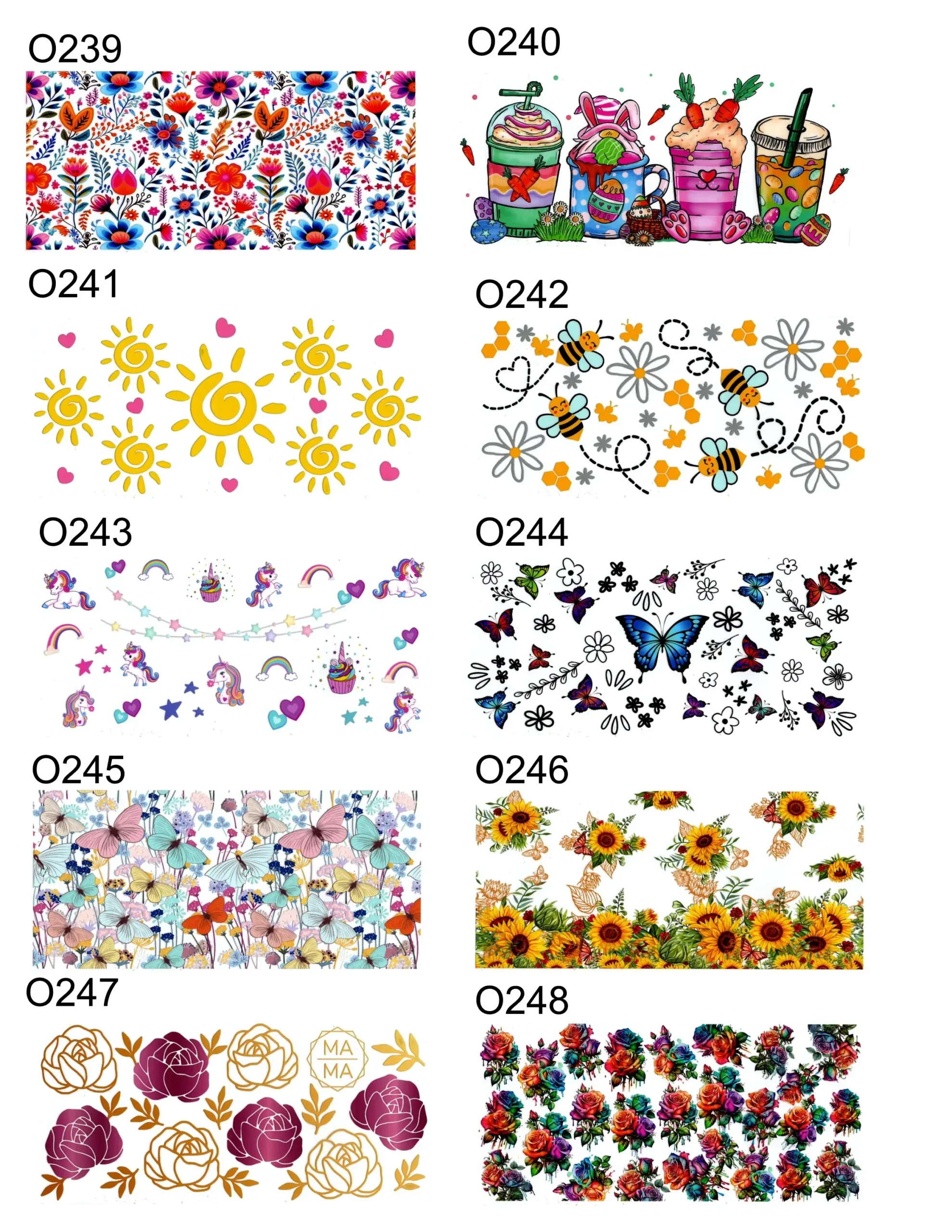
The DTF Gangsheet Builder is a specialized platform designed to optimize layout, tiling, and production sequencing for direct-to-film (DTF) transfers. It provides a dedicated interface for creating gang sheets, which are large sheets containing multiple designs laid out for efficient, multi-up printing. This focus on gangsheet printing helps modern shops maximize panel count per run while preserving print fidelity, delivering a faster path from concept to production. In the context of DTF transfer printing, the ability to group designs and manage spacing, bleed, and margins directly translates into higher throughput and more reliable results.
Beyond layout, the Builder supports robust DTF workflow automation by standardizing steps, enforcing templates, and enabling seamless handoffs to RIPs and finishing tools. This contributes to true print shop automation, reducing manual data entry and the chances of misalignment between artwork and output. By centering automation around gangsheet creation, shops can scale multi-up projects, improve color consistency through centralized profiles, and shorten time-to-delivery without sacrificing design integrity.
Maximizing Throughput with DTF Workflow Automation for Multi-Up and Gangsheet Printing
Automating tiling and multi-up optimization is at the core of achieving higher throughput in gangsheet printing. The system computes optimal tiling patterns, minimizes waste, and ensures that each sheet yields the maximum number of usable transfers. This directly addresses the demands of busy print environments, where order volume and tight deadlines require efficient production sequencing and accurate, repeatable output across DTF transfer printing workflows.
Color management, reusable job templates, and real-time scheduling further reinforce print shop automation. With centralized color profiles and automated proofing, shops maintain consistent color quality across runs, while templates standardize repeat jobs for faster quotes and onboarding. Integrating with RIPs and design tools reduces manual data entry and streamlines the path from artwork to print, enabling multi-up printing strategies that scale with demand and improve margins.
Frequently Asked Questions
What is the DTF Gangsheet Builder and how does it support DTF workflow automation for gangsheet printing and multi-up projects?
The DTF Gangsheet Builder is a specialized platform that optimizes layout, tiling, and production sequencing for direct-to-film transfers. It enables DTF workflow automation through a visual gangsheet builder, automatic tiling and multi-up optimization, reusable templates, and smooth handoffs to RIPs and design tools. This streamlines gangsheet printing for multi-up projects while aligning output with printer capabilities and adhesive requirements, reducing setup time and preserving design fidelity.
How does the DTF Gangsheet Builder improve print shop automation and outcomes in DTF transfer printing?
By centralizing gangsheet creation and production sequencing, the DTF Gangsheet Builder improves print shop automation from design intake to final print. Benefits include increased throughput by packing more designs per sheet, reduced waste through precise tiling, and consistent color thanks to integrated color profiles. Templates, scheduling, and real-time job tracking speed quotes, onboarding, and delivery for DTF transfer printing, gangsheet printing, and multi-up printing campaigns.
| Topic | Key Points |
|---|---|
| What is the DTF Gangsheet Builder? | A specialized platform to optimize layout, tiling, and production sequencing for direct-to-film transfers. It creates gang sheets for multi-up printing, maximizing panel count per run while preserving print quality, and aligns with printer capabilities, RIP rules, and adhesive requirements. |
| Why automate in modern print shops? | Addresses demand, waste, color accuracy, and tight deadlines. Replaces error-prone manual handoffs with standardized steps, templates, and clear job routing to improve consistency, reduce reprints, and enable predictable scheduling for gangsheet and multi-up printing. |
| Key features that drive results |
|
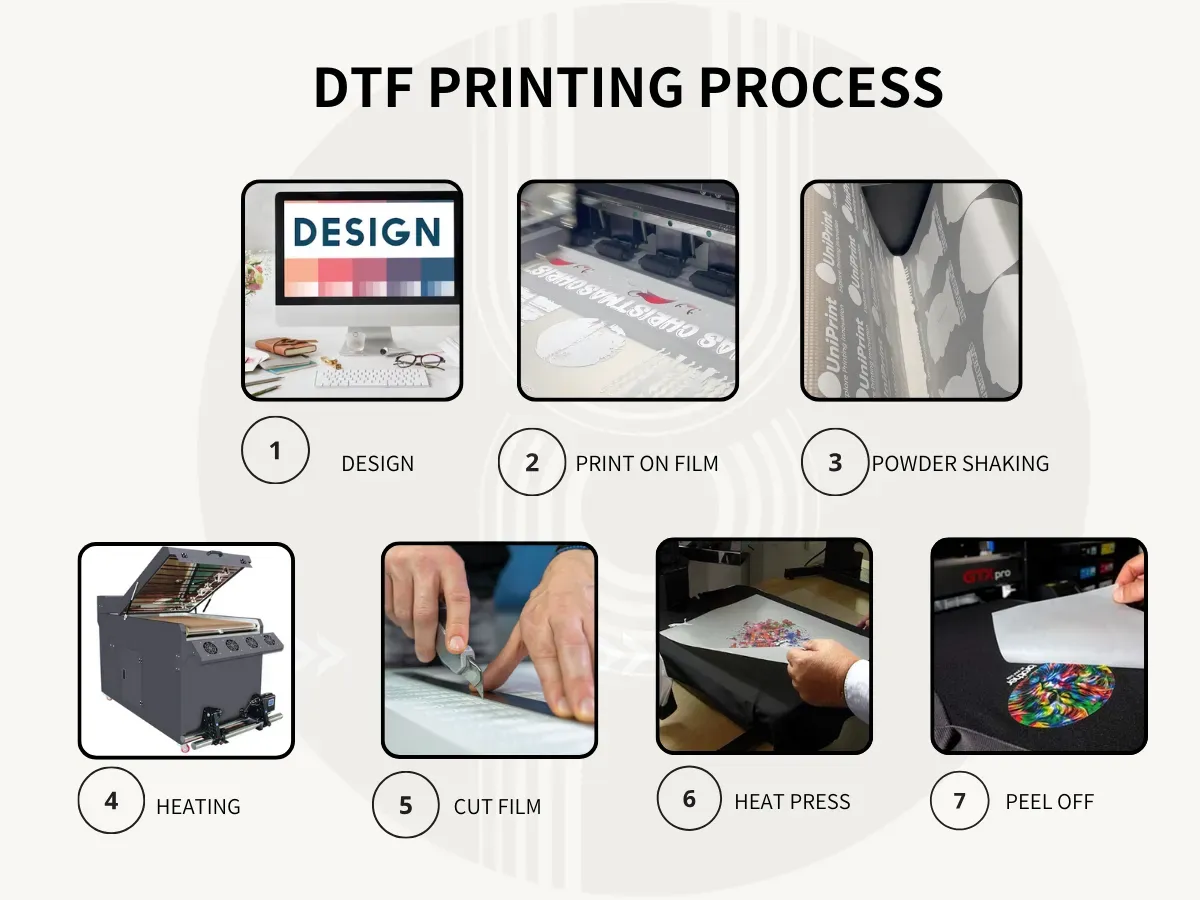
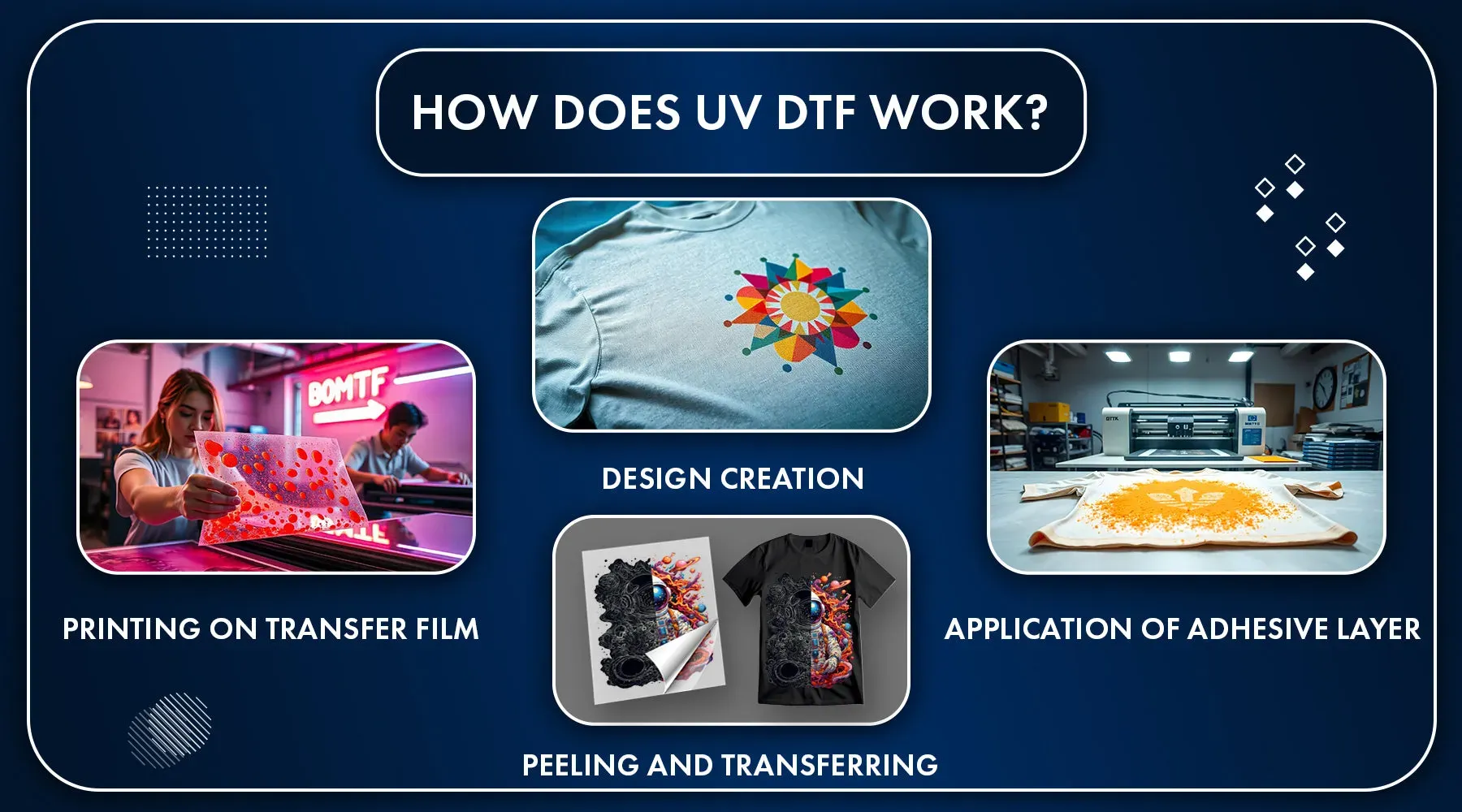
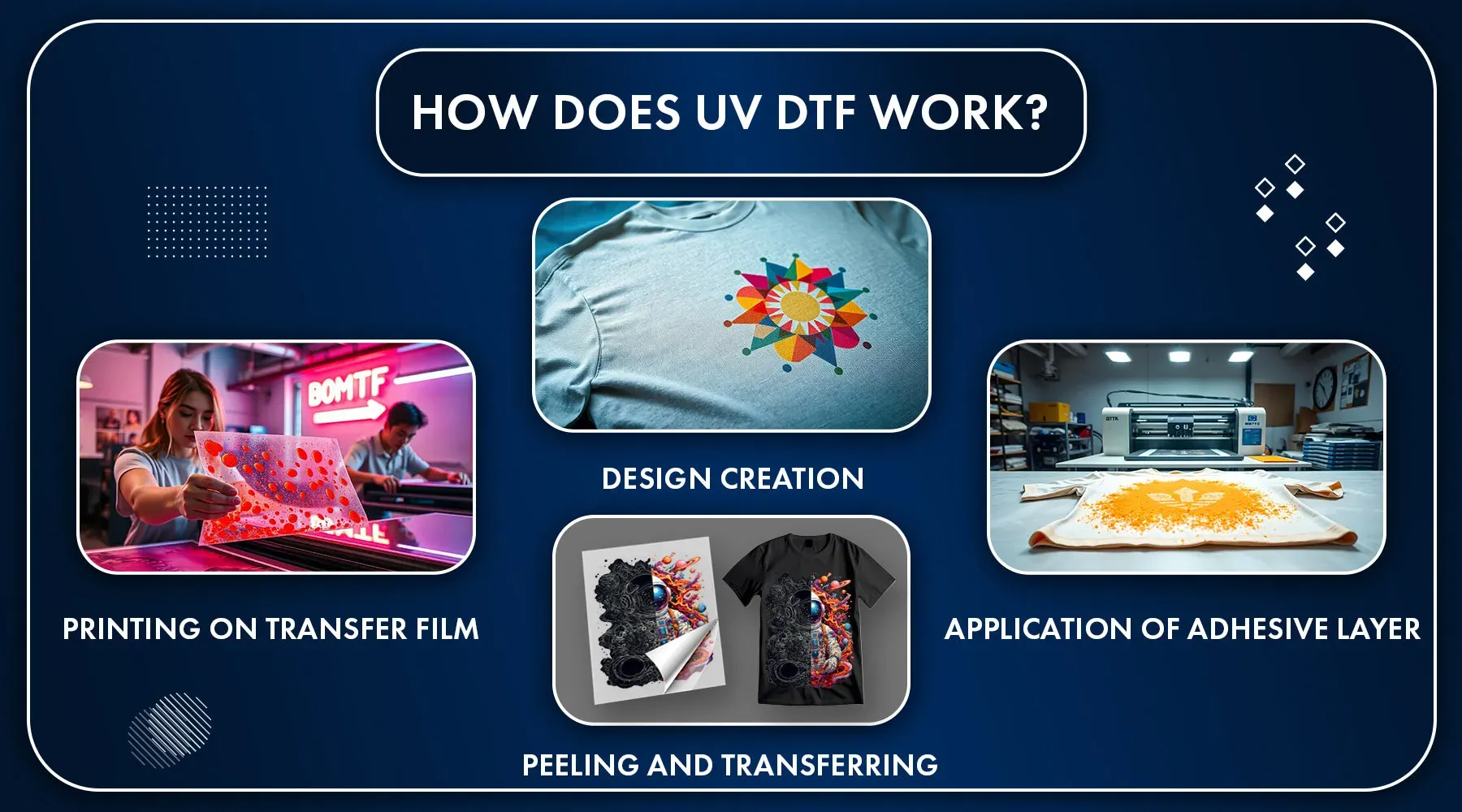
| How it works in a typical DTF production cycle | Intake and design review → layout planning in the gangsheet builder → select designs and adjust margins/bleed → export a print-ready file → assign to production queue → print with automated checks for color and material usage → adhesive curing and final quality checks. |
| Benefits for print shops (automation & efficiency) |
|
| Real-world use cases and outcomes | Mid-sized shop moved from ad hoc layouts to standardized gang sheets, reducing setup times and boosting daily capacity. Another shop routed high-volume repeat orders to efficient printers to improve throughput while preserving color outcomes. |
| Implementation steps |
|
| Best practices for maximizing value |
|
| Potential challenges & mitigations |
|
| ROI considerations & metrics |
|