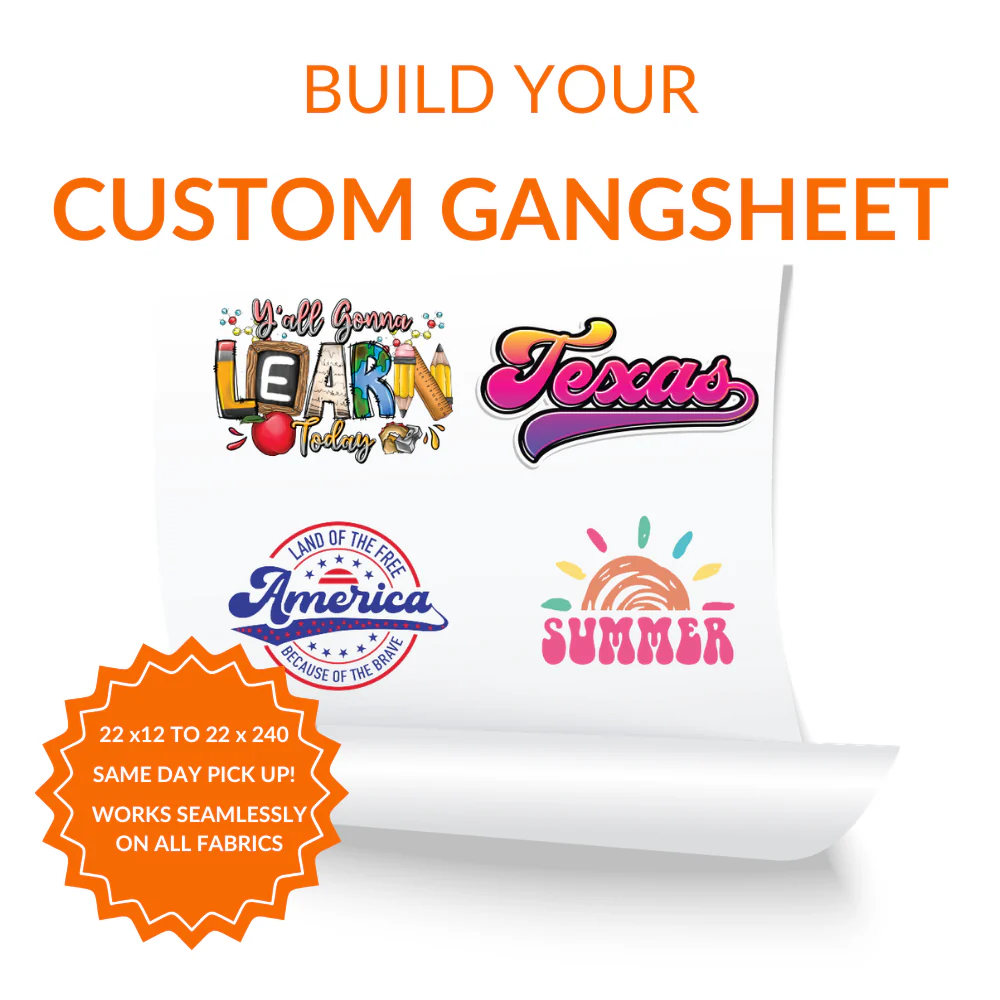
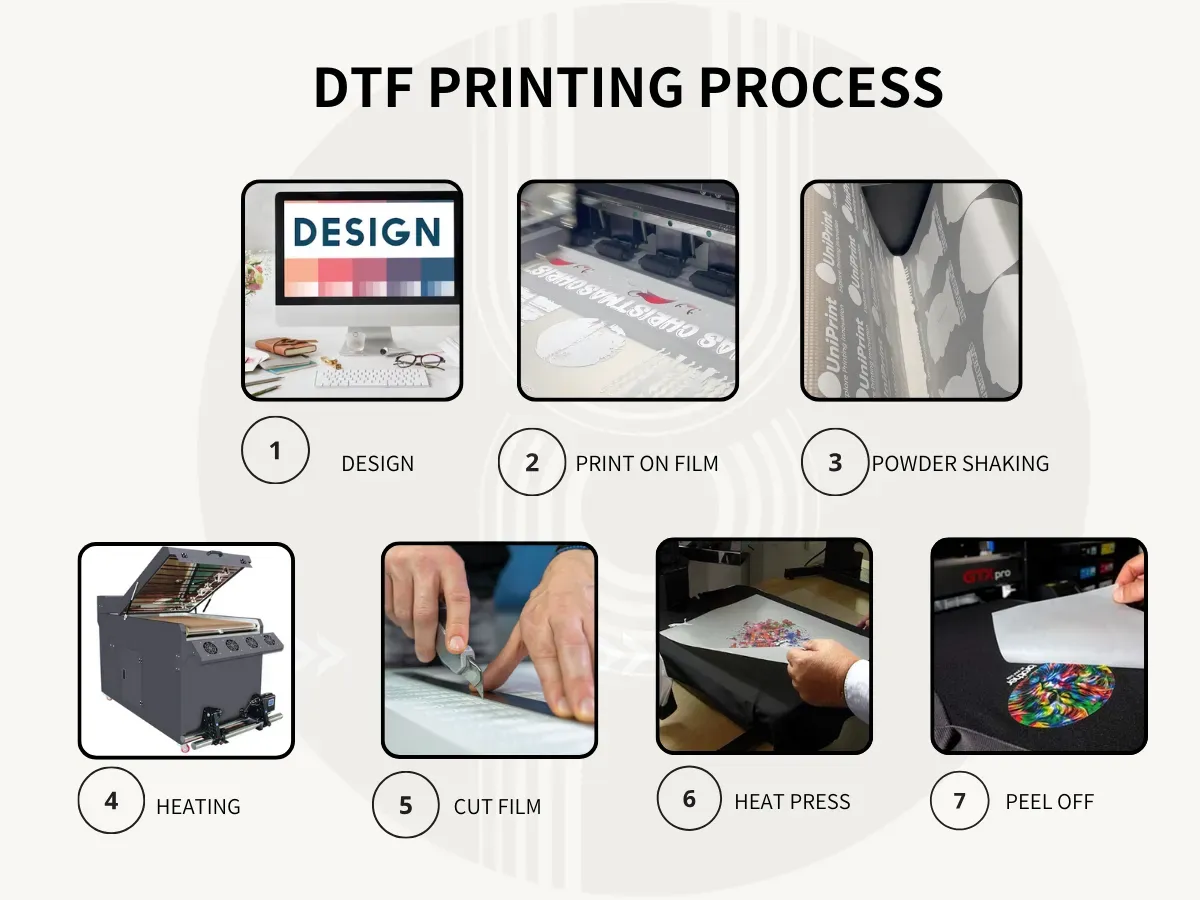
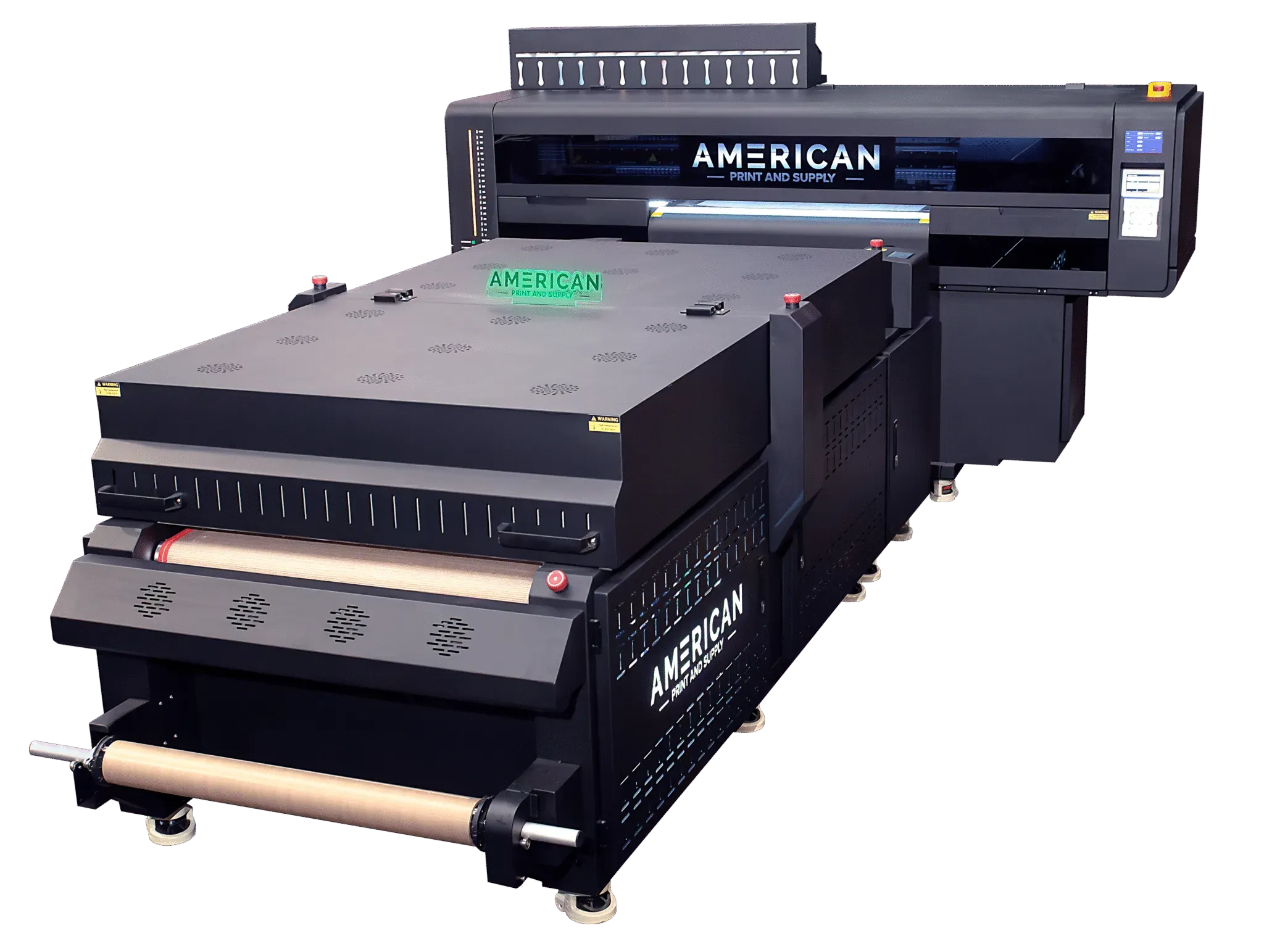
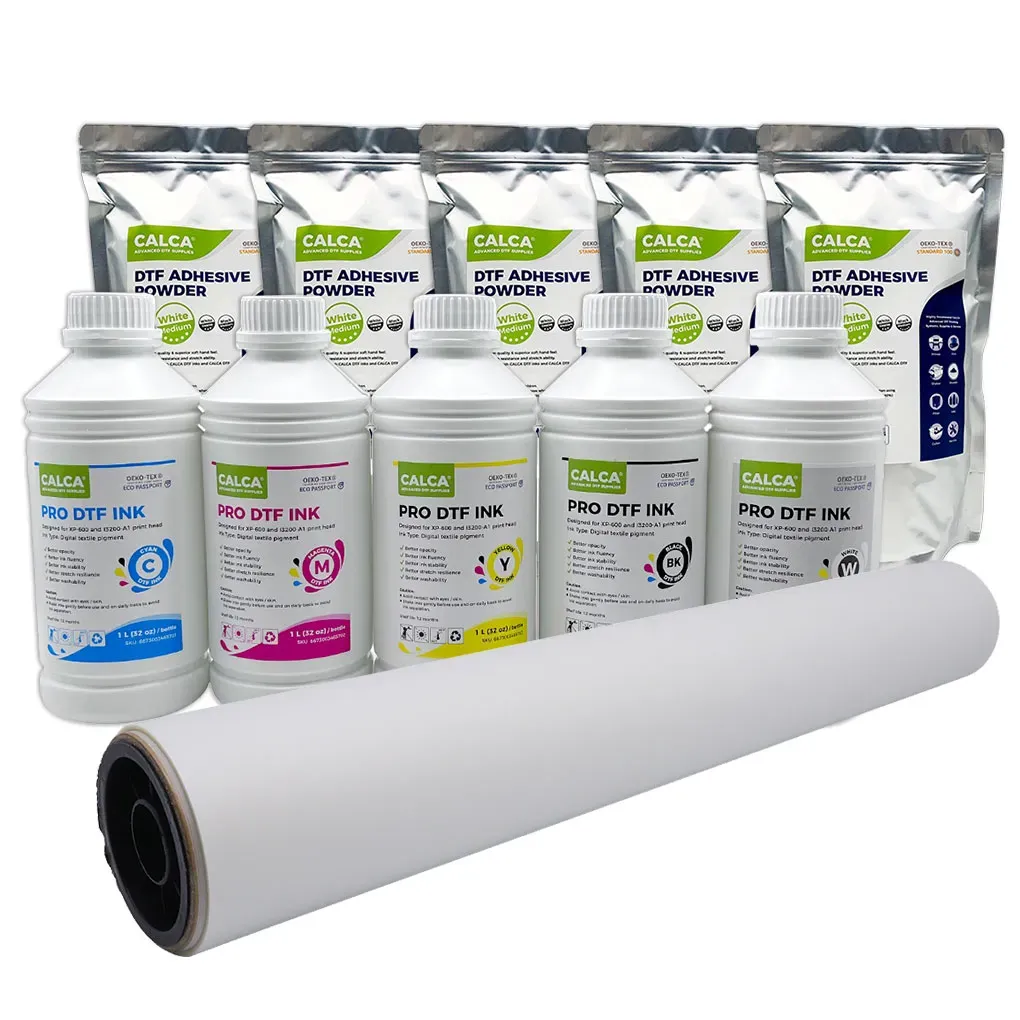
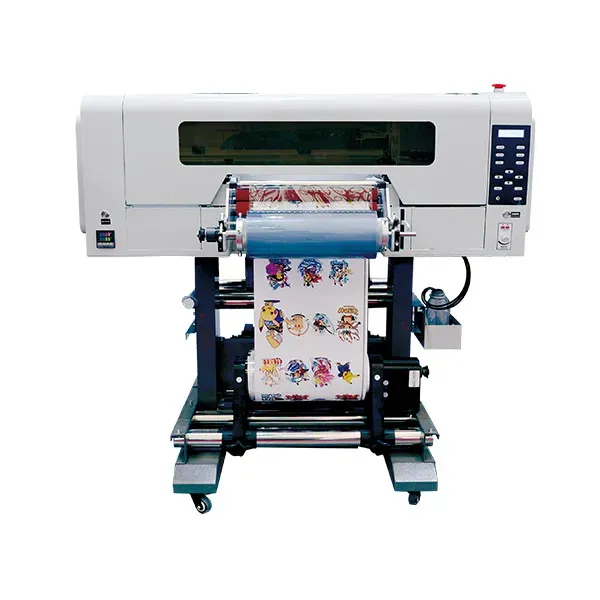
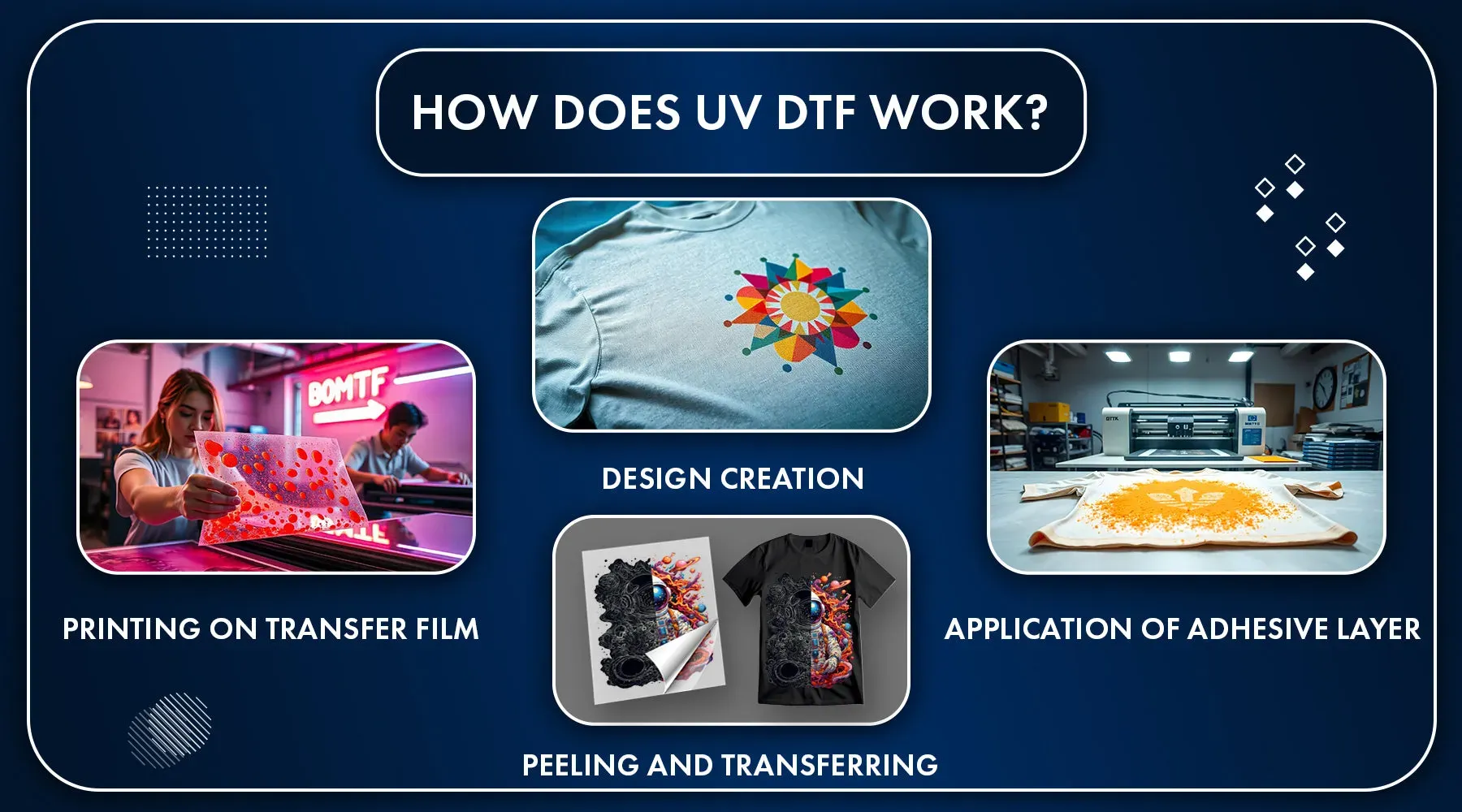
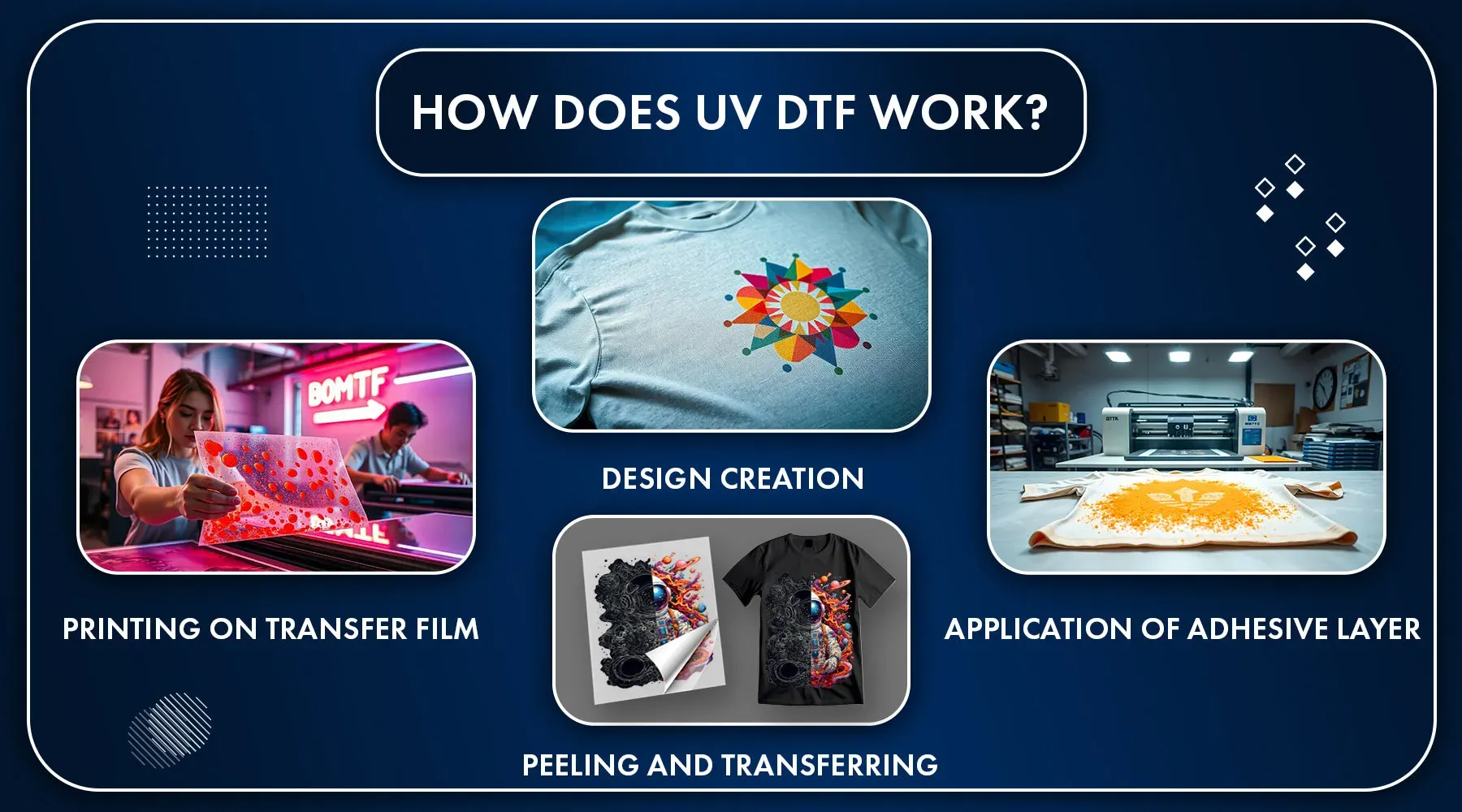
DTF printing essentials define how studios balance hardware, software, and workflow to produce vibrant, durable prints. At the heart of the setup is a CMYK-plus-white printer, a heat press or conveyor dryer, special transfer films, and reliable color-management tools. A gangsheet builder sits at the center of prepress, letting you arrange multiple designs on a single sheet to maximize ink use and minimize setup time. A solid DTF printer guide and strong RIP ensure color accuracy and reliable tiling, supporting DTF transfer printing across runs. When combined with a deliberate strategy for DTF workflow optimization, this foundation makes production scalable, repeatable, and cost-efficient.
Beyond the basics, practitioners refer to this space as direct-to-film production and the essentials of prepress planning, where layout optimization determines output quality. Think of the workflow as a tightly coordinated system for film preparation, color management, and precise heat-press parameters, rather than a single machine. Other terms you might see include DTF transfer printing fundamentals, film-to-fabric application, and a structured approach to color accuracy, all aligned with broader DTF workflow optimization. A modern guide to this topic emphasizes integrated tools, such as a gangsheet organizer and robust color-control software, to deliver repeatable results across fabrics and styles. By framing the conversation with related concepts like DTF printer guide, DTF printing tips, and practical production planning, studios can improve throughput and consistency.
DTF Printing Essentials: How a Gangsheet Builder Elevates Throughput and Color Accuracy
DTF printing essentials cover the full ecosystem—from a CMYK-plus-white printer to heat pressing, transfer films, and the software that controls layout, color, and tiling. Central to this foundation is the gangsheet builder, which sits in the prepress stage and enables you to assemble multiple designs onto a single sheet. By maximizing sheet usage and minimizing setup cycles, a gangsheet-centric approach boosts throughput while preserving color accuracy across runs. This alignment with the broader DTF workflow optimization goals helps studios scale without sacrificing print quality.
When paired with a robust DTF transfer printing workflow, the gangsheet builder becomes a strategic asset. It supports tiling patterns, bleed handling, and printer-specific media settings, ensuring consistent output from file prep to final transfer. Whether you’re aiming for tighter ink control, reduced waste, or faster press-ready times, integrating a gangsheet into your DTF printer guide and RIP setup can deliver measurable improvements in throughput, color consistency, and operator confidence during busy production shifts.
DTF Transfer Printing Best Practices: A Practical DTF Printer Guide for Consistent Results and Workflow Optimization
A well-balanced DTF transfer printing setup requires harmony between hardware, software, and process discipline. The DTF printer guide should cover reliable printer performance, accurate color reproduction, quality transfer films, and a dependable RIP that manages tiling and color tilts. By coupling these elements with a gangsheet builder, studios can standardize layouts, protect margins, and execute repeatable transfers—key components of effective DTF workflow optimization.
In practice, adopting DTF printing tips such as regular head cleaning, white ink layering calibration, and environment control helps prevent color drift and adhesion defects. A practical DTF workflow also accounts for drying, curing times, and consistent transfer parameters across jobs. With a clear SOP, routine maintenance, and test-print protocols, studios can reduce reprints, shorten lead times, and improve overall ROI while delivering reliable, high-quality prints even as order complexity grows.
Frequently Asked Questions
How does a gangsheet builder enhance DTF printing essentials and DTF transfer printing workflow optimization?
DTF printing essentials gain from a gangsheet builder by centralizing prepress, increasing sheet utilization, and reducing setup cycles. It enables tiling multiple designs on a single sheet, boosting throughput and reducing waste, while preserving color accuracy through coordinated layouts, margins, and bleed handling. When paired with a compatible RIP and printer, a gangsheet builder streamlines DTF transfer printing and overall workflow optimization.
What should a DTF printer guide include to support DTF workflow optimization and practical DTF printing tips for effective gangsheet layouts?
A thorough DTF printer guide should cover hardware, software, and workflow integration, including how to pair a gangsheet builder with your RIP and transfer films. It should address tiling, margins, color management, white ink layering, and file prep, plus practical DTF printing tips for reducing waste and ensuring color consistency. For DTF workflow optimization, include calibration steps, ICC profiles, QA checklists, and step-by-step transfer parameters to deliver consistent DTF transfer printing results.
| Aspect | Key Points | Notes / Benefits |
|---|---|---|
| Core components and gangsheet central role |
|
|
| Core process and color management |
|
|
| What a Gangsheet Builder Does |
|
|
| Why Every Studio Should Use One |
|
|
| Choosing the Right Gangsheet Builder: What to Look For |
|
|
| Integrating with the DTF Transfer Printing Workflow |
|
|
| DTF Printing Tips for Quality and Consistency |
|
|
| Common Pitfalls and How a Gangsheet Builder Helps |
|
|
| Return on Investment: Budgeting for a Gangsheet Builder |
|
|
| A Simple Example Workflow: From File to Finished Transfer |
|
|
| The DTF Printer Guide: Hardware, Software, and Workflow Harmony |
|
|
| Conclusion |
|
Summary
DTF printing essentials define a cohesive workflow that balances hardware, software, and process discipline. A gangsheet builder emerges as a strategic tool within this framework, directly boosting throughput, cutting waste, and ensuring consistent output across diverse designs. By adopting a gangsheet-based approach and following solid DTF printing tips, your studio can handle more complex orders, shorten lead times, and deliver high-quality prints that meet customer expectations every time. To modernize your operation, start by evaluating a gangsheet builder that fits your needs and align your entire workflow into a repeatable, scalable process that embodies the essence of DTF printing essentials.