DTF Printing: Design to Transfer in Simple Step-by-Step Guide

DTF Printing has transformed garment customization by delivering vibrant designs with strong durability and broad fabric compatibility. From the DTF transfer process to the final heat press, designers gain control over color, texture, and washfastness. This introductory overview highlights essential DTF printing steps, guiding you from artwork preparation to the final transfer onto cotton, blends, and more. A key factor is choosing high-quality DTF film quality and compatible DTF inks and powders to ensure crisp edges and vibrant opacity on dark garments. Compared with DTF vs sublimation, this method offers versatility for short runs, diverse fabrics, and a softer hand, making it a popular choice for launching apparel projects.

Alternatively described as direct-to-film transfer, this film-based decorating method prints artwork onto a specialty sheet and bonds it to fabric with heat. In LSI-friendly terms, you’ll also see references to direct-to-film printing, film-to-textile imaging, or print-on-film workflows that point to the same process. Describing it through concepts like white ink underlays, opacity on dark fabrics, and color fidelity helps connect the topic to related discussions about ink systems, film quality, and heat-press setups. By using these related terms, readers and search engines recognize the broader landscape of garment decoration methods and how DTF relates to sublimation and other transfer techniques.

DTF Printing Essentials: From Concept to Fabric

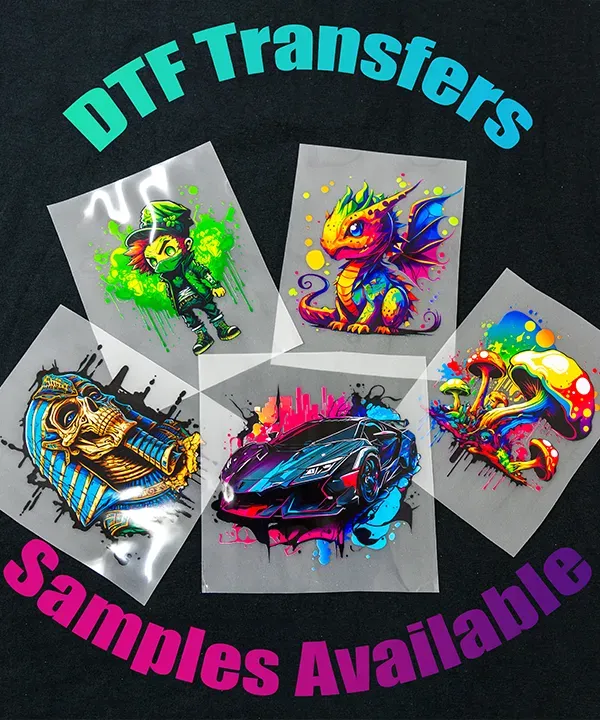
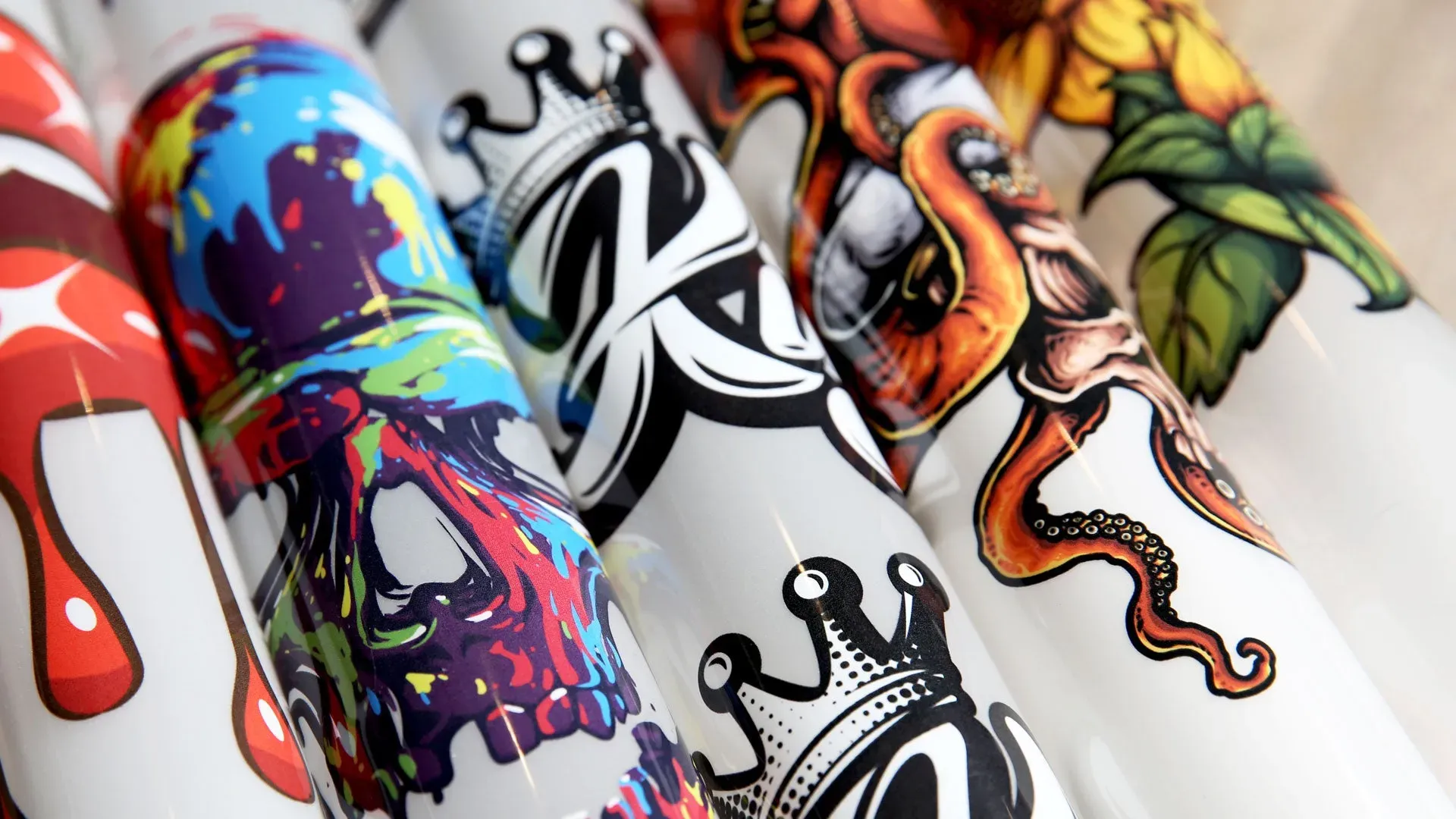
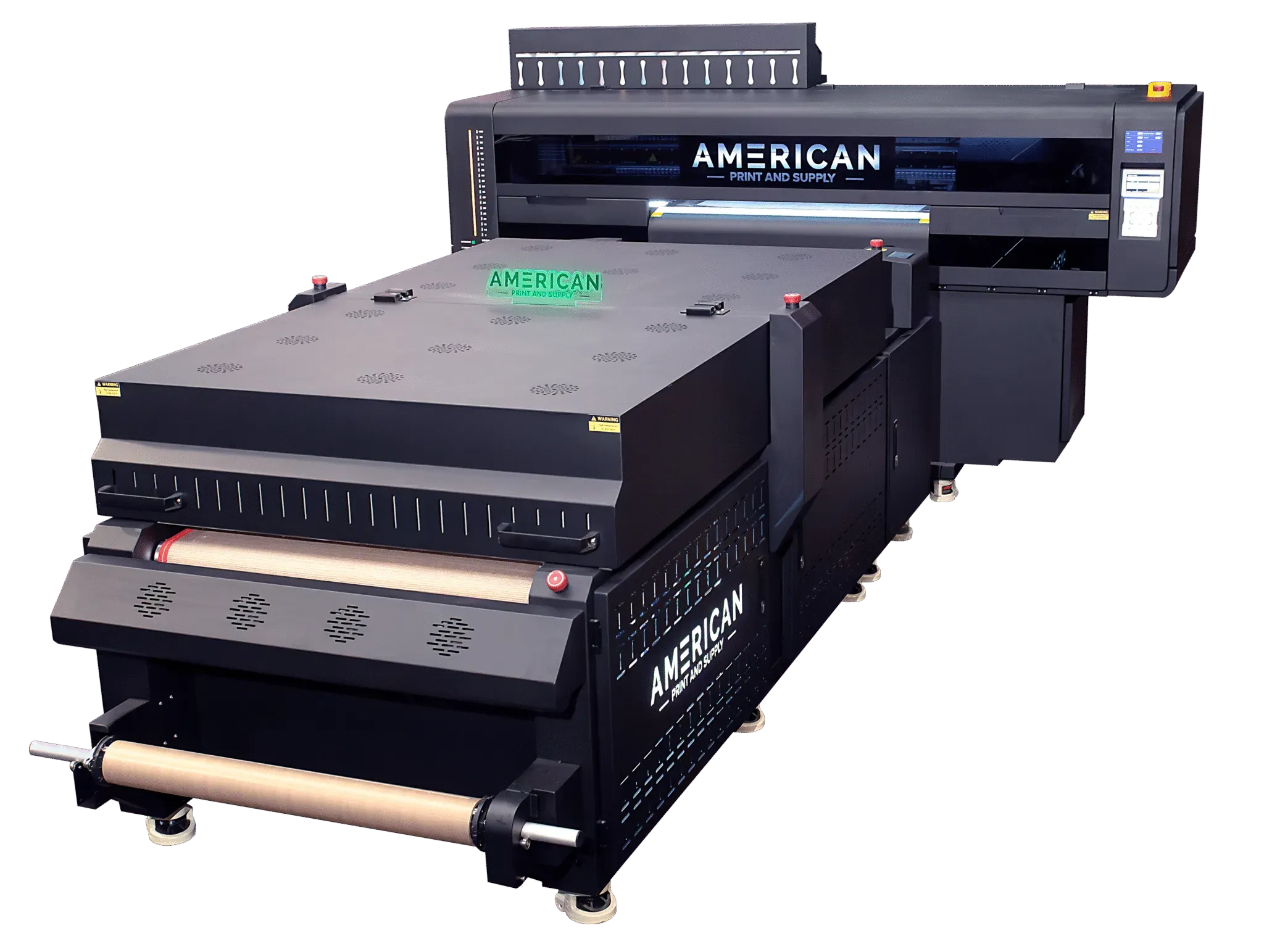
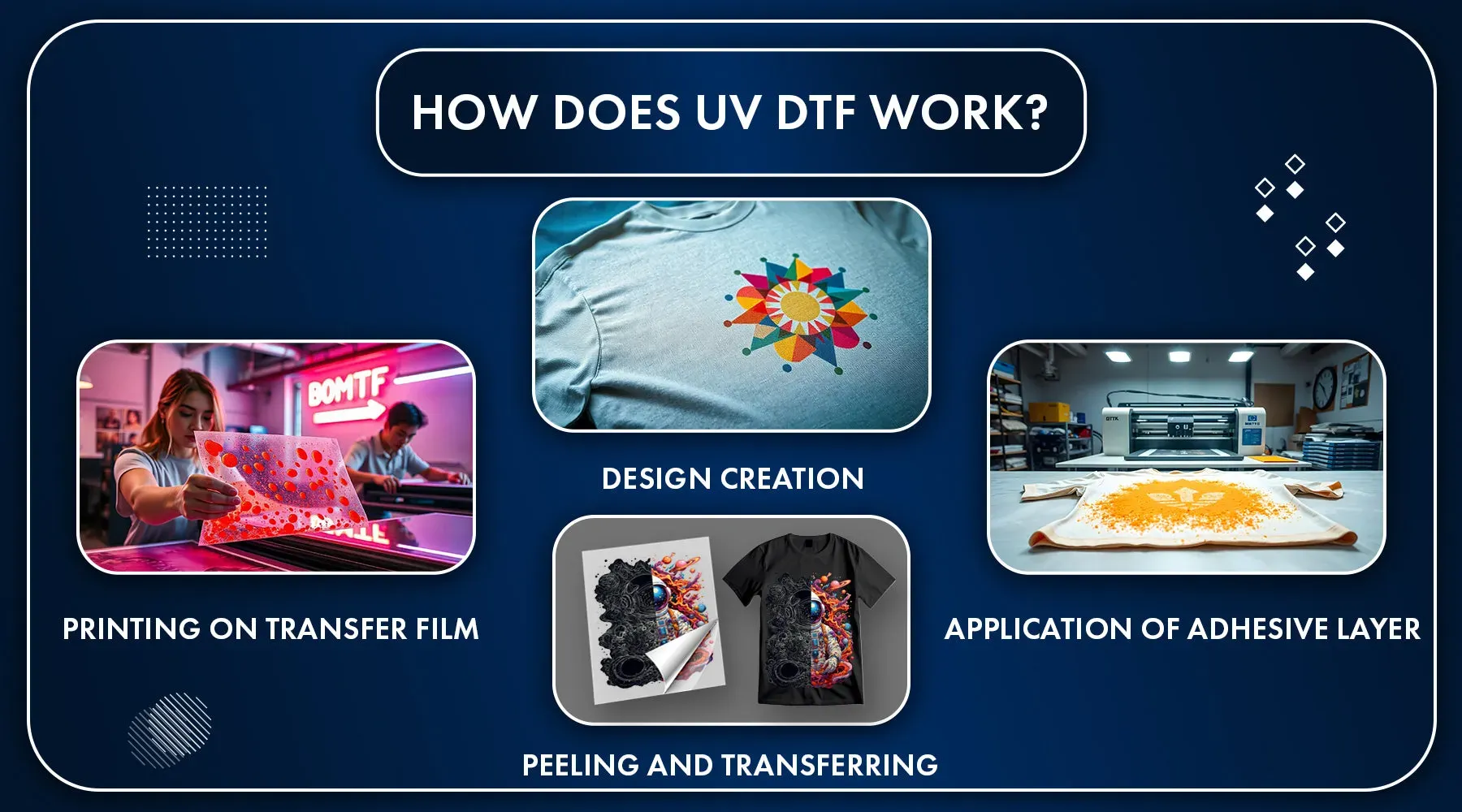
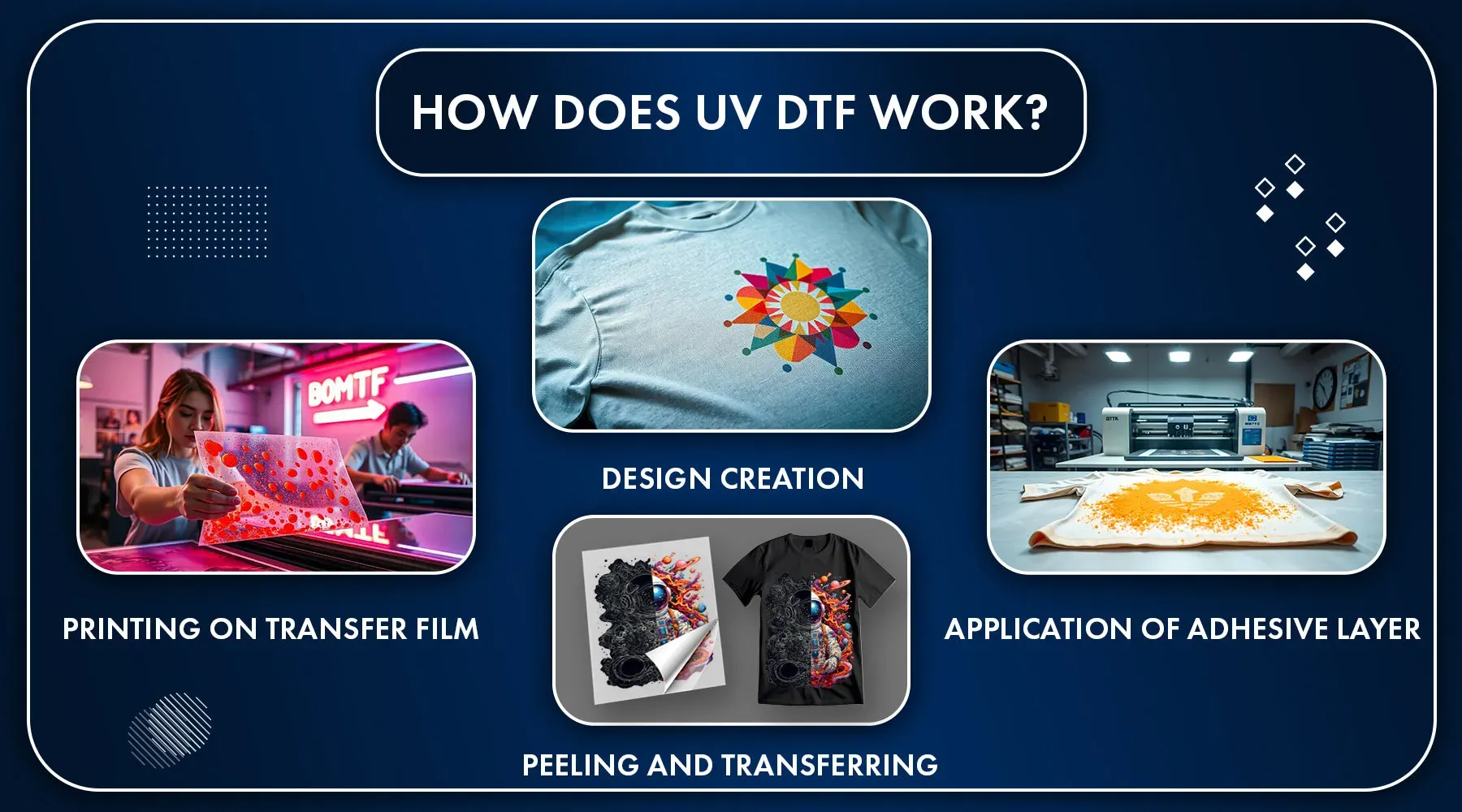
DTF Printing combines design, film, and heat-press technology to create vibrant transfers on a broad range of fabrics. The core idea is to print artwork onto a special DTF film using pigment or water-based inks, with a white underlay that ensures opacity on darker fabrics. The subsequent powder adhesive is applied and cured before the print is transferred to the garment using heat and pressure through the DTF transfer process.

Because this approach relies on the interplay between the DTF film quality, the inks and powders, and the printing steps, the final look is highly dependent on the compatibility of each component. DTF Printing offers strong color fidelity, a soft hand, and versatility compared with vinyl or sublimation, making it attractive for small-batch runs and mixed-fabric projects.

DTF Printing Steps: A Clear, Step-by-Step Workflow

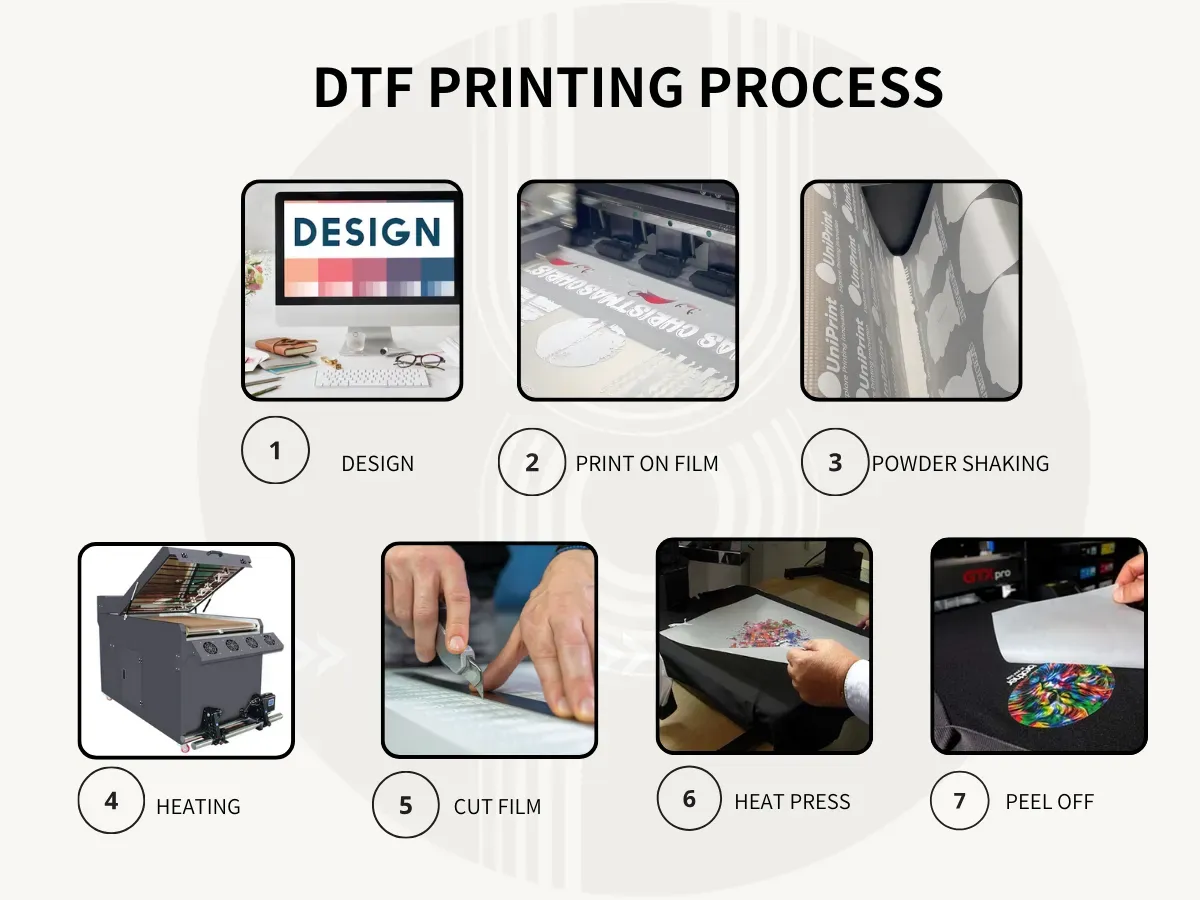
DTF Printing Steps begin with design preparation. Start with a high-resolution file, plan for the white underbase, and separate foreground art from the underlay to preserve color accuracy. This stage aligns with the DTF printing steps by setting up the color palette and print margins before any film is loaded.

Next, printing on the DTF film requires a printer configured for white ink and pigment colors, followed by powder application, curing, and the actual transfer. Each sub-step—print, powder, cure, and transfer—shapes the final result and highlights the interdependence of the DTF transfer process and the overall workflow.

DTF Film Quality: Impact on Color, Clarity, and Durability

DTF film quality directly influences edge sharpness, halftone detail, and color saturation. A smooth, uniform film surface minimizes ink feathering and ensures the white underbase remains consistent, which is critical for opaque results on dark fabrics. Investing in high-quality DTF film helps maintain stable color reproduction across prints.

Testing film batches, calibrating printers, and validating color profiles are essential to keep outputs predictable over time. When you prioritize film quality, you also optimize the inks and powders interaction and reduce rework, ultimately improving the reliability of your DTF printing steps.

DTF Inks and Powders: Balancing Color, Opacity, and Washfastness

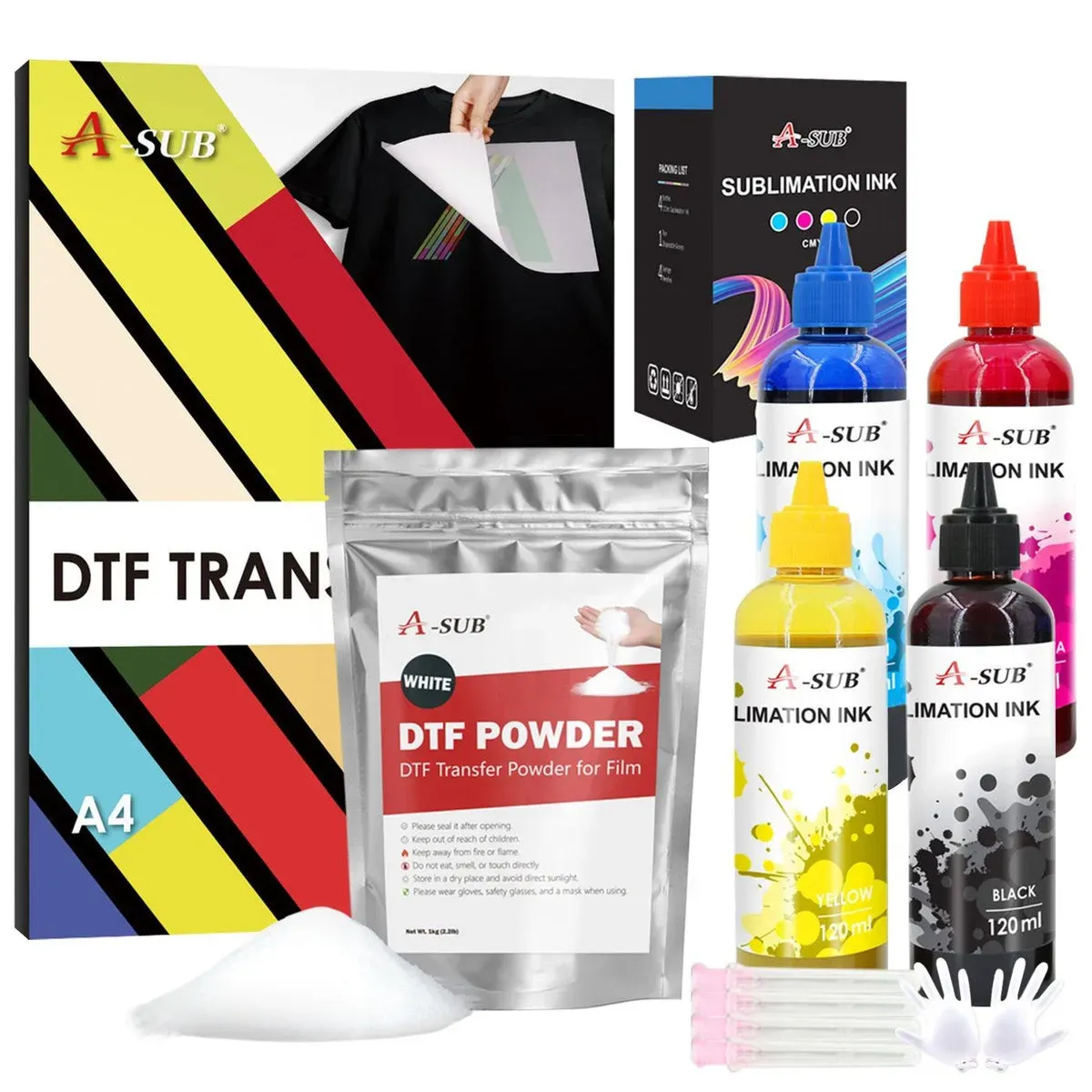
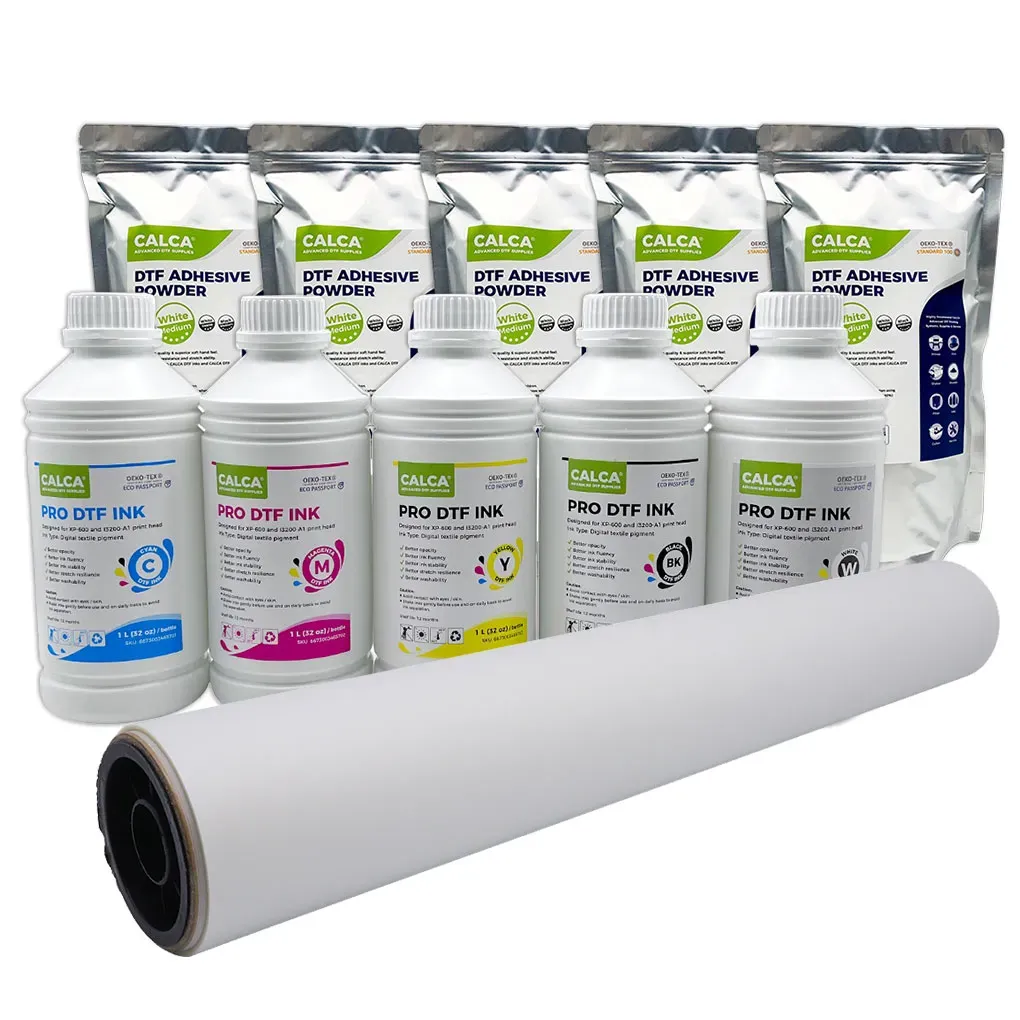
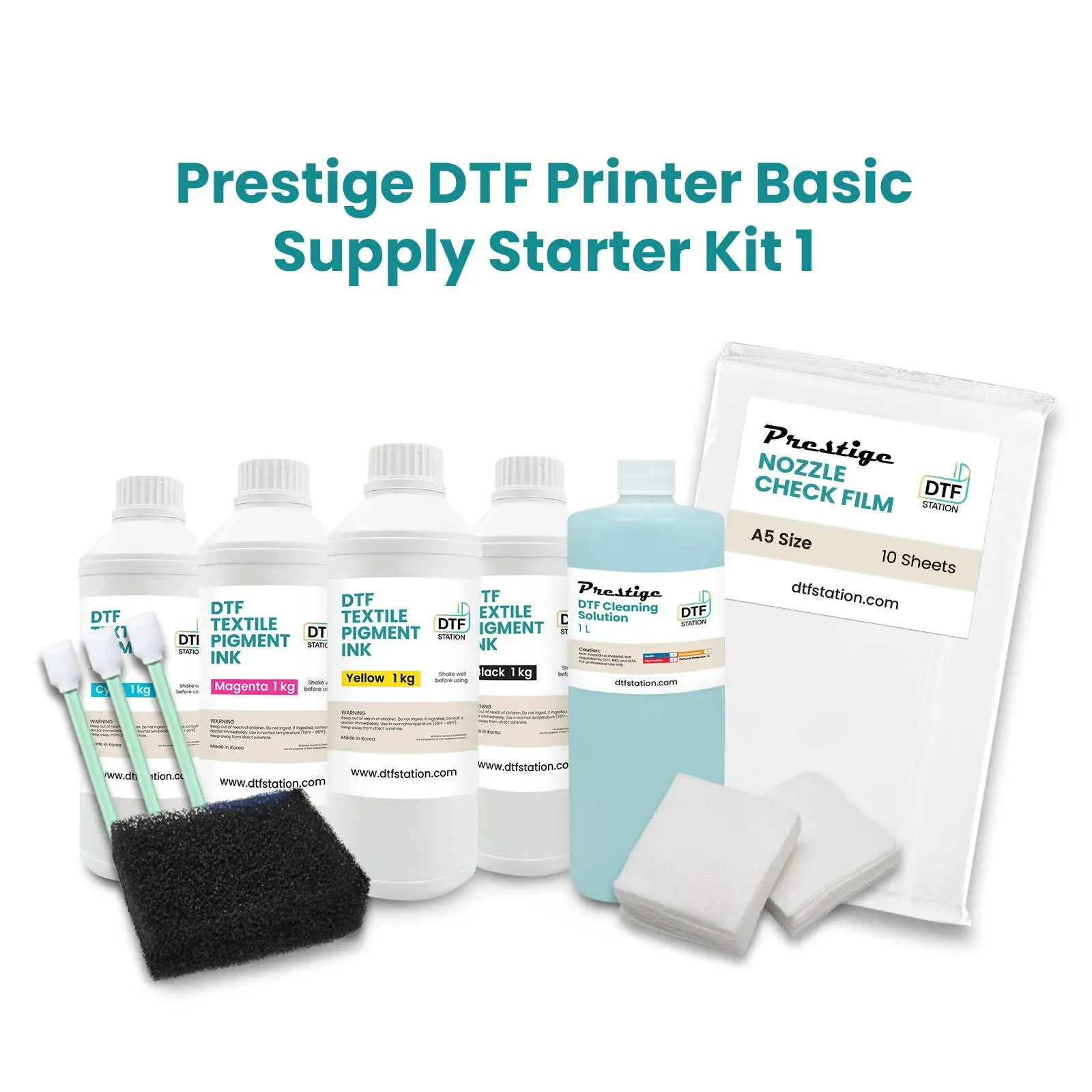
DTF inks and powders are the heart of the print’s resilience and vibrancy. The white ink underlay is key for opacity, while color inks must match the design intent under the film’s surface. Selecting compatible inks and powders and ensuring proper adhesion sets the foundation for durable transfers with strong washfastness.

Careful curing and powder thickness control influence texture and durability. By balancing ink density, powder load, and curing time, you can achieve consistent results across different fabrics, which reinforces the value proposition of DTF printing for customizable apparel.

DTF Transfer Process on Dark Fabrics: Achieving Opacity and Detail

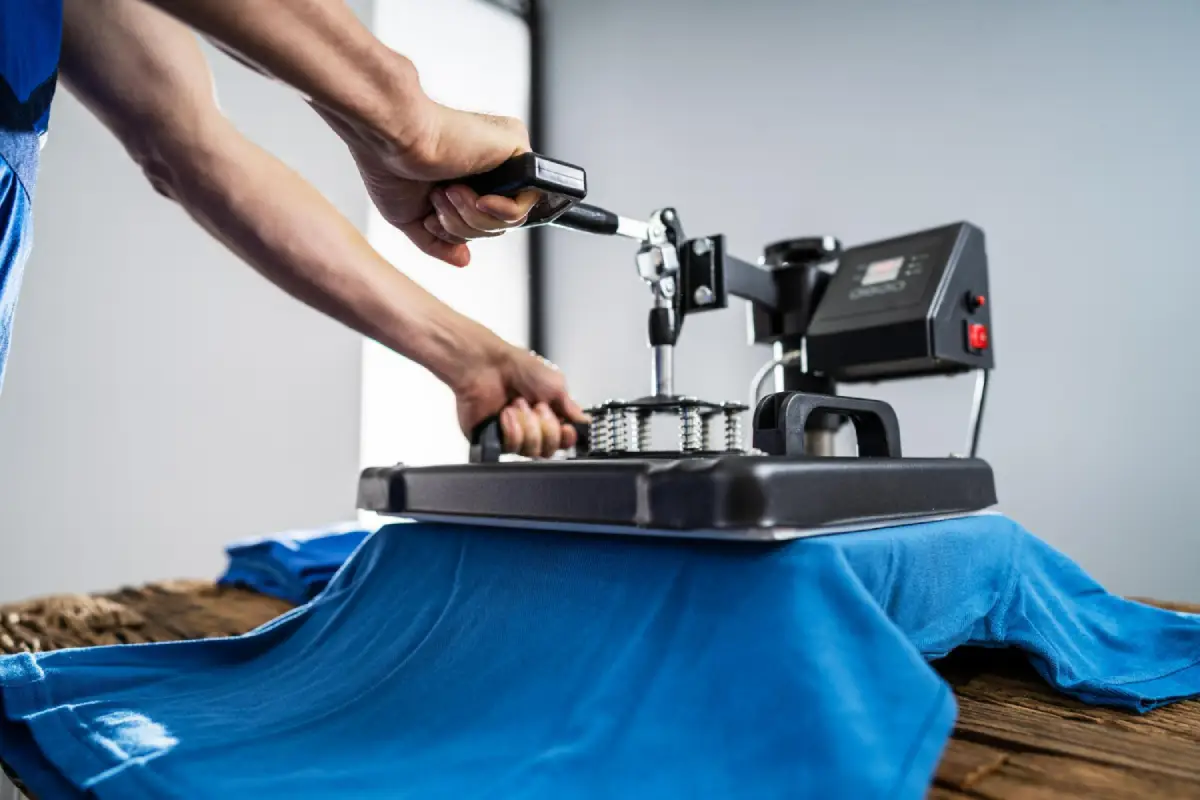
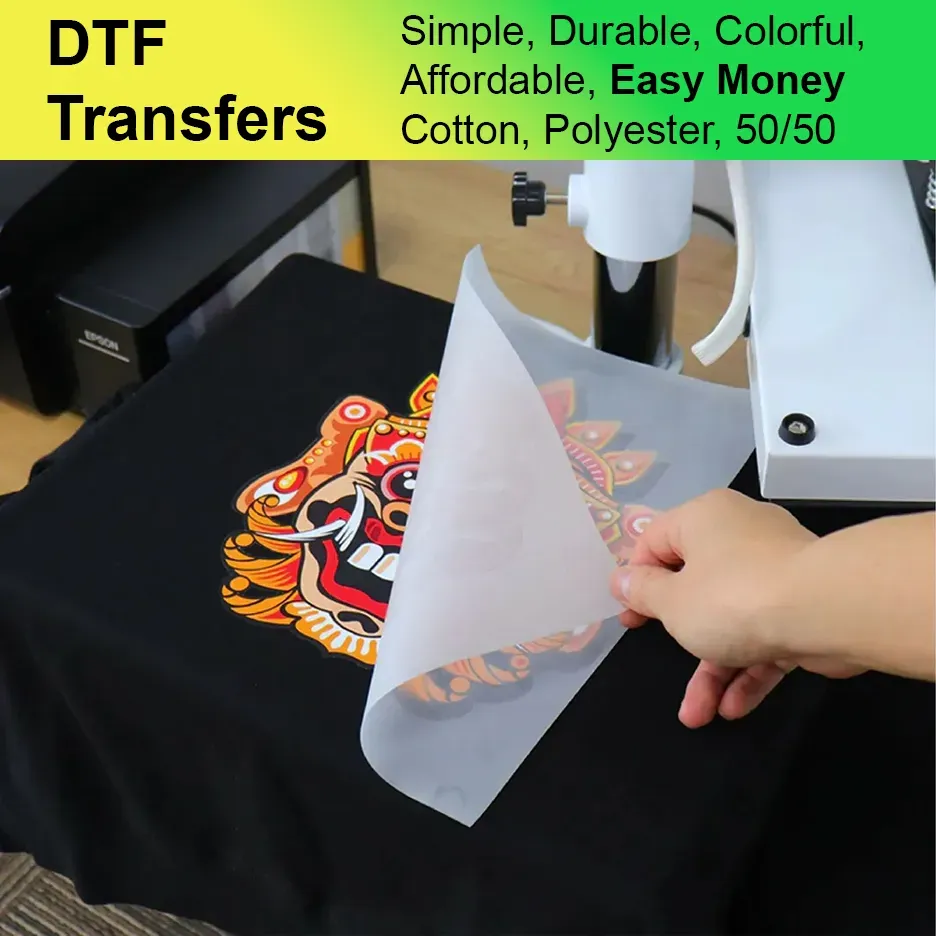
DTF Transfer Process on dark fabrics requires careful steps to preserve opacity and edge crispness. Pre-pressing removes moisture, the film is aligned so the printed image is centered, and the recommended heat and pressure are applied for a short window. The white underbase helps the colors pop against deep garment colors, delivering a professional result.

During the transfer, precise timing and a clean peel are essential. Whether using a hot-peel or cold-peel method, staying aligned ensures minimal distortion. A well-executed DTF transfer process yields durable, vibrant designs that remain comfortable to wear, even after multiple washes.

DTF vs Sublimation: Choosing the Right Method for Your Project

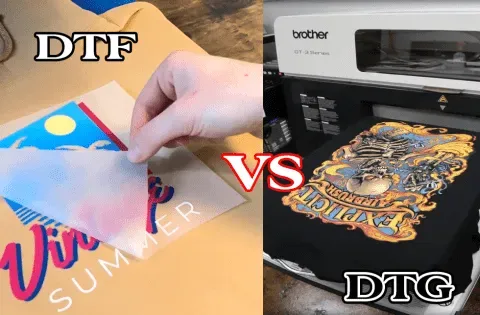
DTF vs Sublimation: When to choose which method hinges on fabric type, desired feel, and production scale. DTF excels on cotton and blends, delivering vibrant color with a soft hand and good washfastness, while sublimation shines on polyester and high-heat tolerance substrates.

For small runs, mixed fabrics, or designs requiring white opacity on dark garments, DTF often provides greater design flexibility and lower setup costs. Substrates aside, understanding the DTF transfer process and the overall workflow helps you decide which method best suits your project, budget, and timeline.

Frequently Asked Questions

What is DTF Printing and how does the DTF transfer process work?

DTF Printing (Direct-to-Film) prints your design on a special DTF film using pigment or water-based inks with a white underlay, then applies an adhesive powder, cures it, and heat-transfers the design to fabric. The DTF transfer process combines printing, powdering, curing, and heat pressing to produce a durable, vibrant result on a wide range of fabrics.

What are the essential DTF printing steps from design to transfer (DTF printing steps)?

Start with a print-ready design, then print on DTF film, apply the adhesive powder, cure the powder, transfer the design with heat and pressure, and finish with proper care instructions. Following these DTF printing steps helps ensure color accuracy, strong adhesion, and long-lasting results.

How does DTF film quality affect your DTF print results (DTF film quality)?

DTF film quality directly impacts ink adhesion, opacity, edge sharpness, and overall durability of the transfer. Choosing a high-quality DTF film helps prevent feathering, improves color vibrancy, and yields more consistent results across batches.

Why are DTF inks and powders important for color, durability, and washfastness (DTF inks and powders)?

DTF inks and powders determine color fidelity, white underbase opacity, and adhesive strength that binds the print to fabric. Using compatible inks and powders with proper curing produces vibrant colors and durable finishes that withstand washing.

DTF Printing vs Sublimation: which method works best for different fabrics (DTF vs sublimation)?

DTF Printing excels on cotton and blends with vibrant color and a soft hand, while sublimation performs best on polyester fabrics with embedded colors. Consider fabric type, color beneath the design, and end-use durability when choosing between DTF vs sublimation.

What are common issues in the DTF transfer process and how can you troubleshoot them?

Common issues include faint white underbase, cracking after washing, uneven color, and film edge curling. Troubleshoot by calibrating printer profiles, checking curing times and temperatures, adjusting powder application, and ensuring film and fabric compatibility.

Key Point Summary
What is DTF Printing? Direct-to-Film printing uses a printer with pigment or water-based inks on clear or white DTF film, includes a white underlay, followed by adhesive powder, curing, and heat transfer to fabrics. It delivers vibrant designs on a wide range of fabrics with a softer hand and strong color fidelity.
DTF Printing Steps (overview) From design to transfer: design prep, printing on DTF film, powder application, curing, transfer to fabric, finishing and care.
DTF Film Quality and Inks/Powders Film quality, ink compatibility, and powders influence opacity, color fidelity, adhesion, and durability. Regular calibration and testing on target fabrics help maintain consistency.
DTF vs Sublimation DTF is more versatile on cotton and blends with an opaque white underlay; sublimation excels on polyester. DTF typically offers a softer hand and broader fabric compatibility, with different workflow and cost considerations.
Troubleshooting & Quality Common issues include vibrancy gaps, cracking, uneven color, and scorching. Resolve by proper curing, correct heat settings, film/powder choices, and printer calibration.
Care & Finishing Allow full cure, wash inside-out, use mild detergents, low-heat drying, and gentle re-pressing to preserve color and adhesion.

Scroll to Top