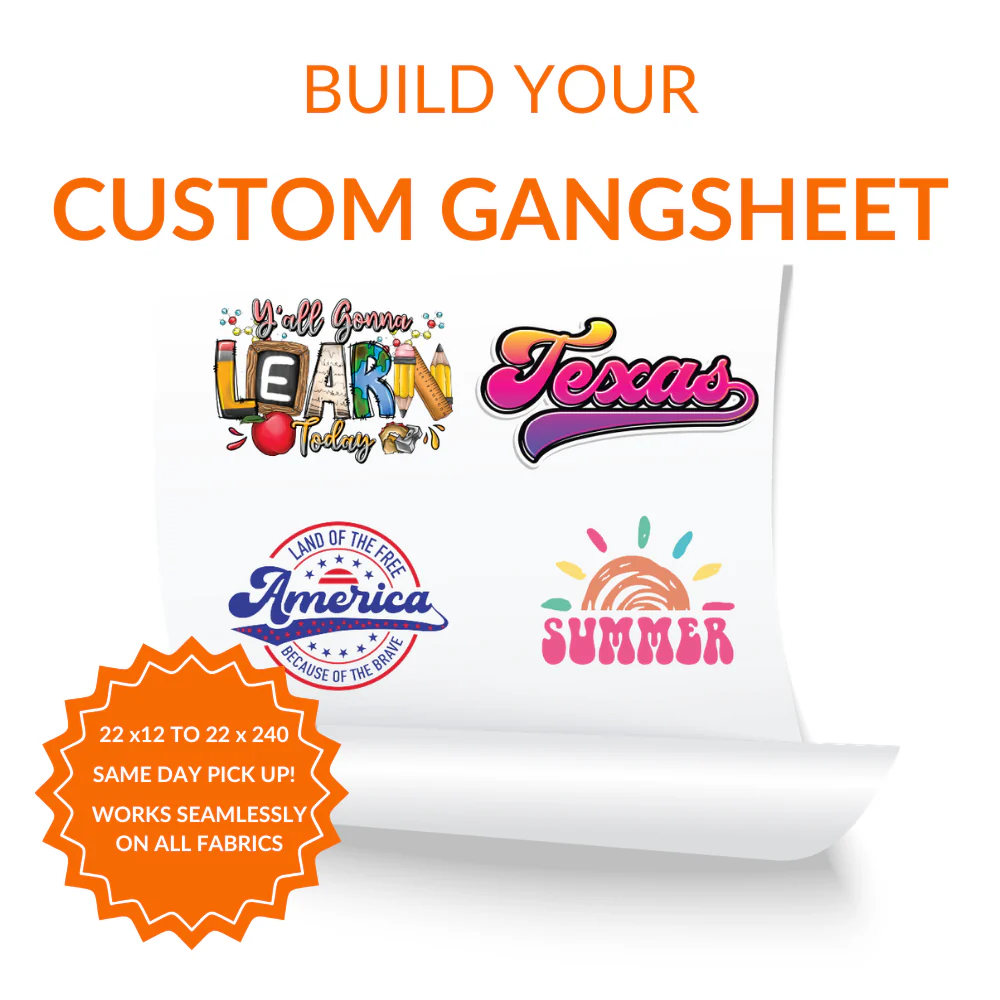
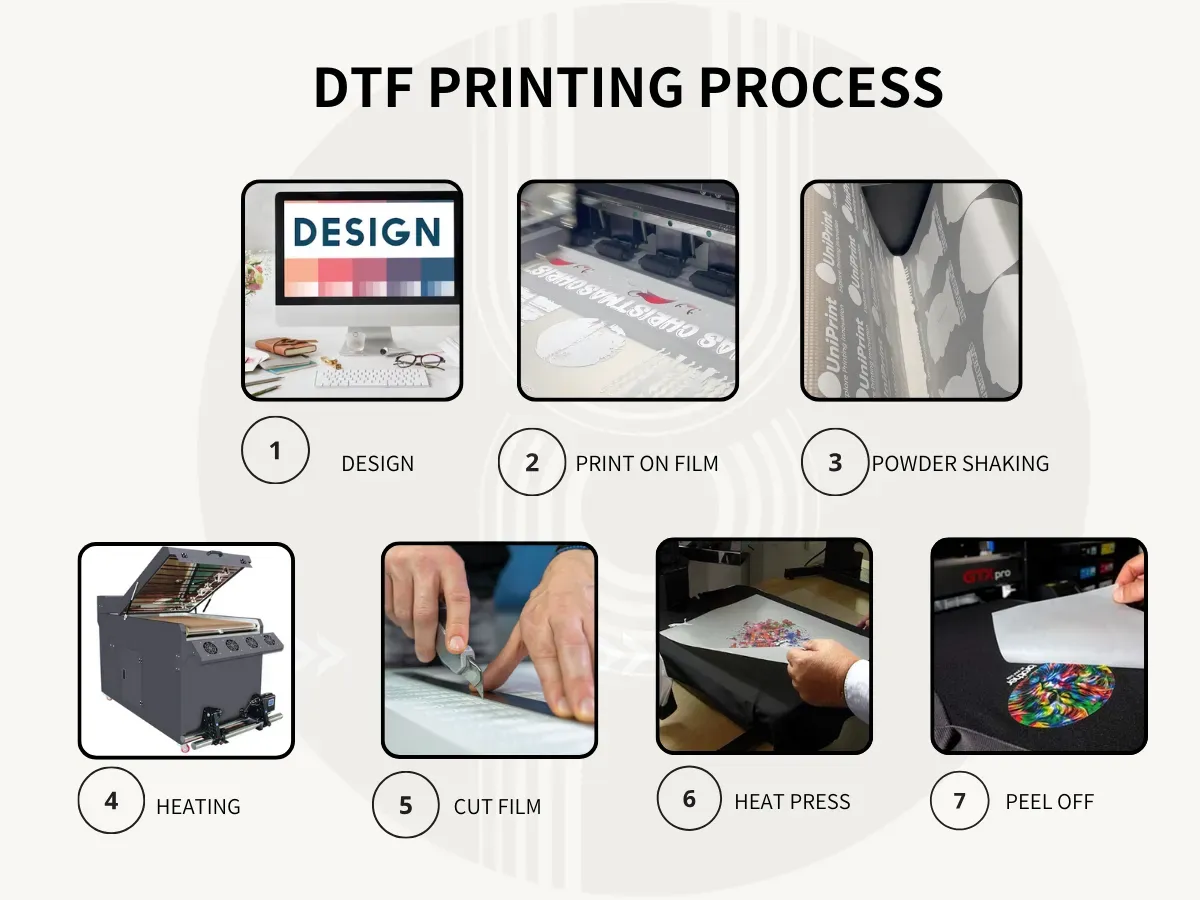
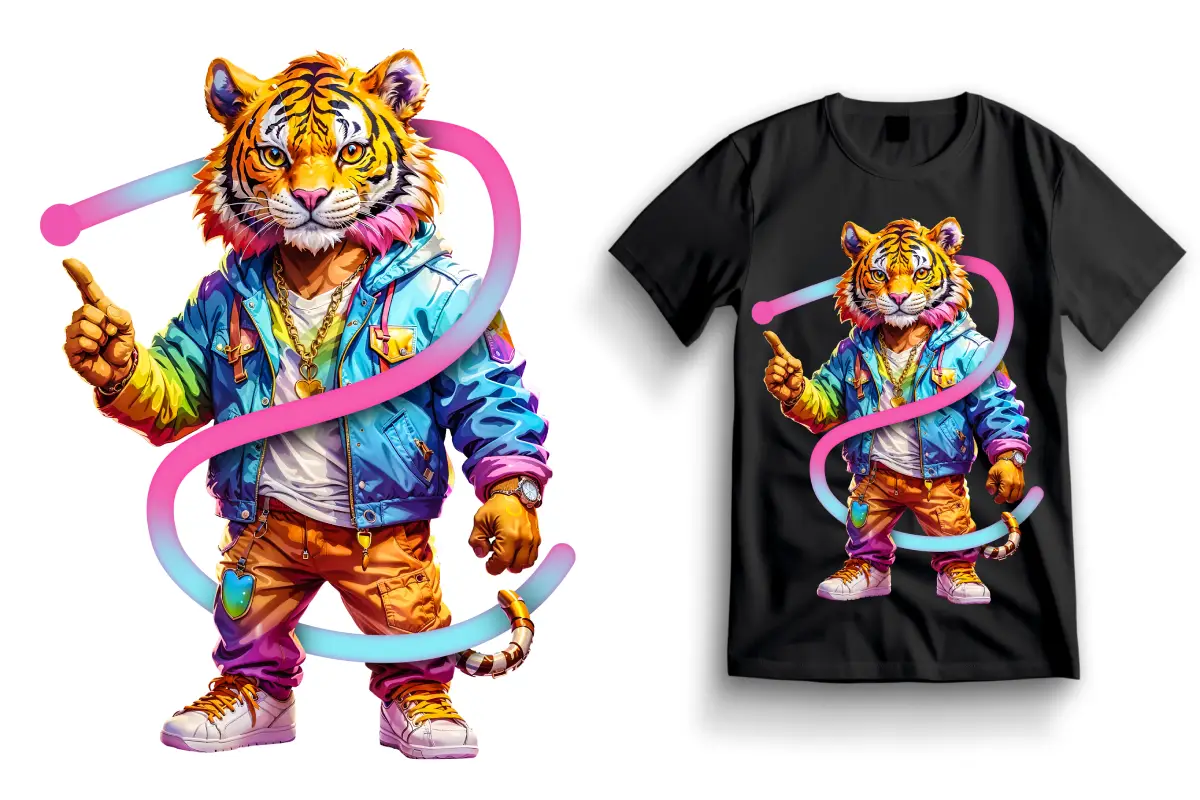
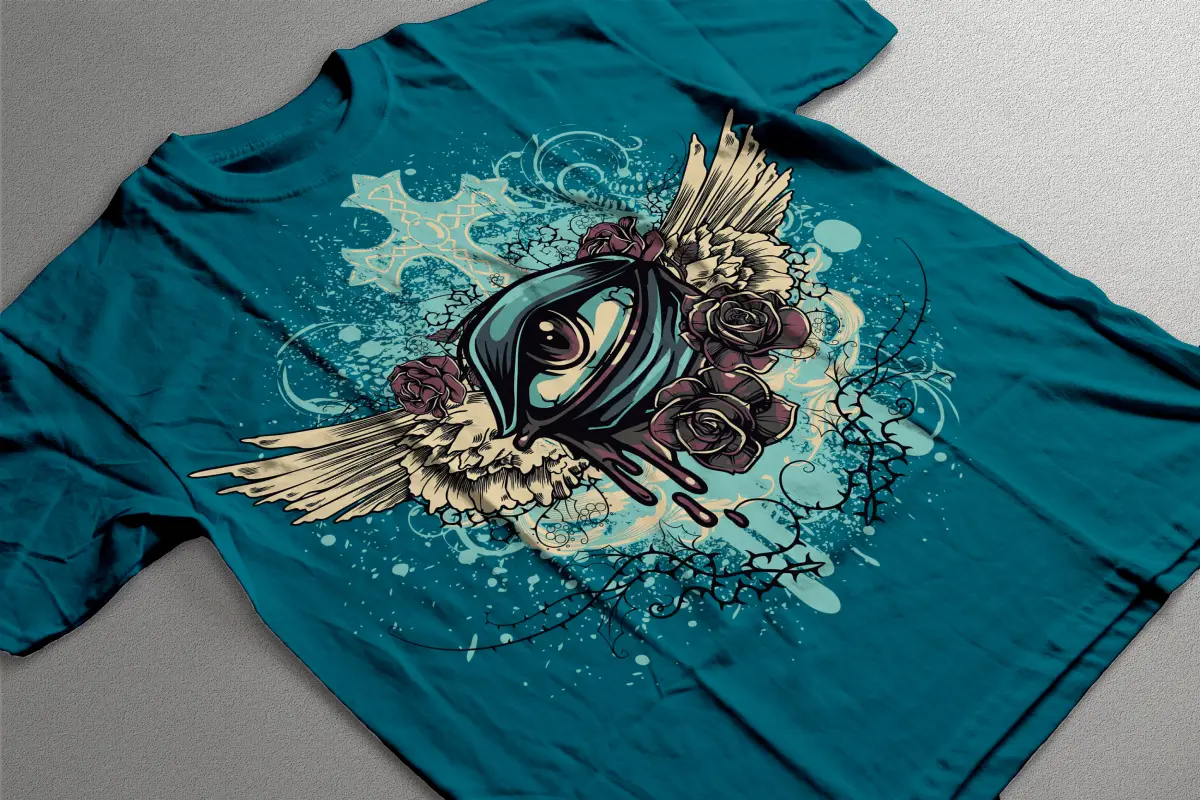
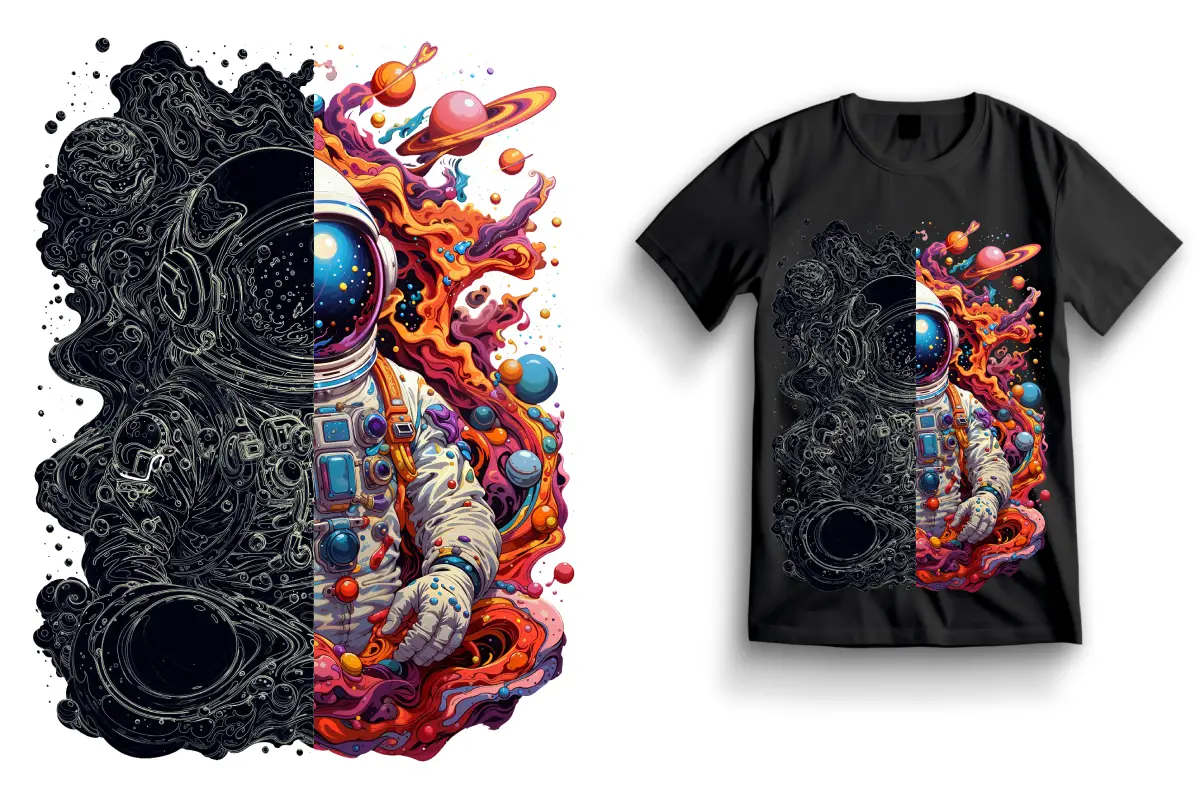
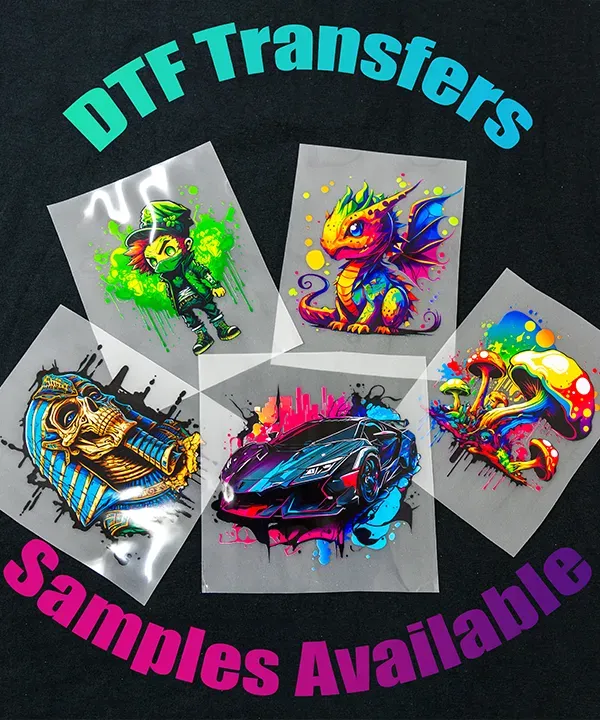
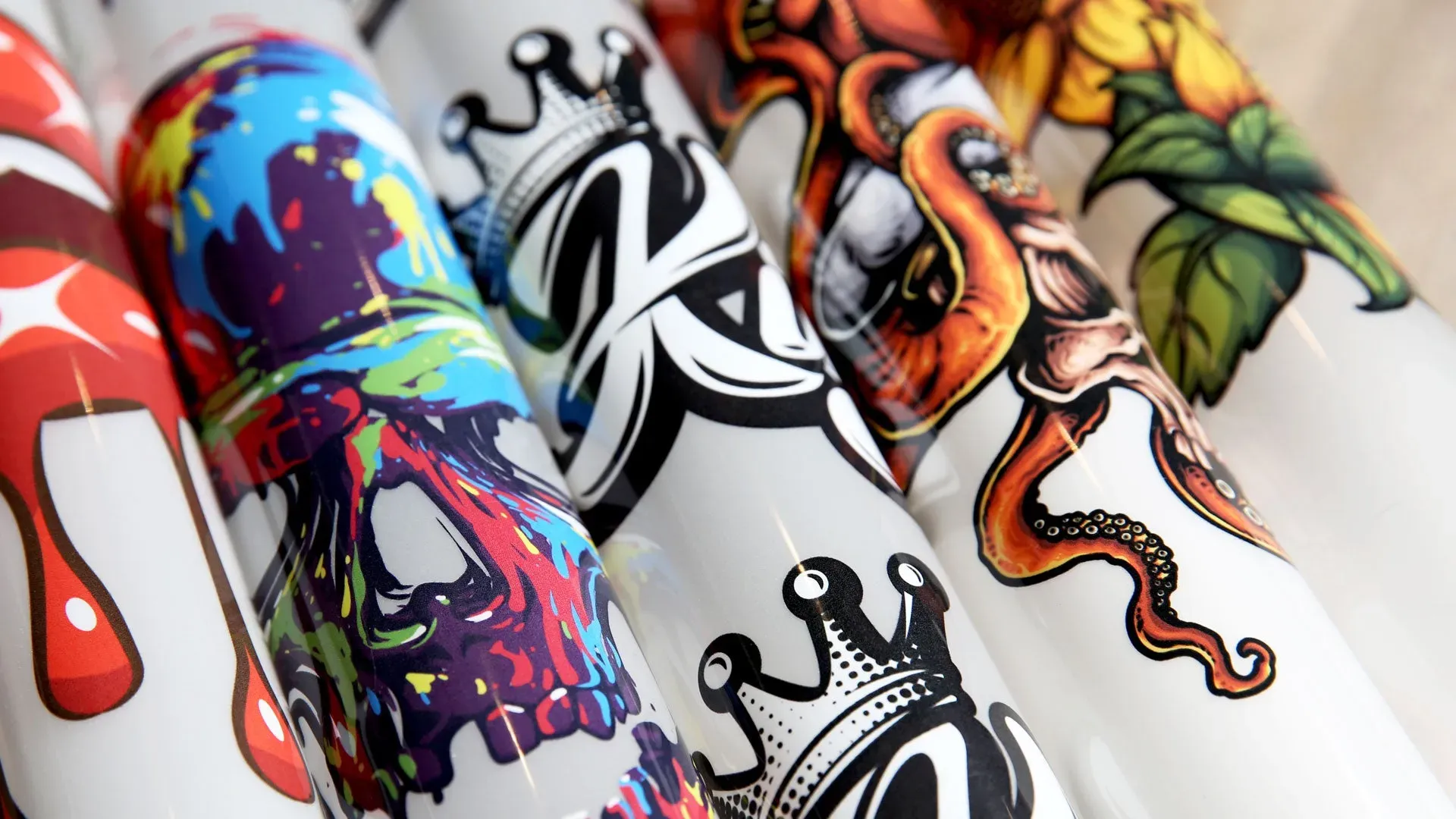
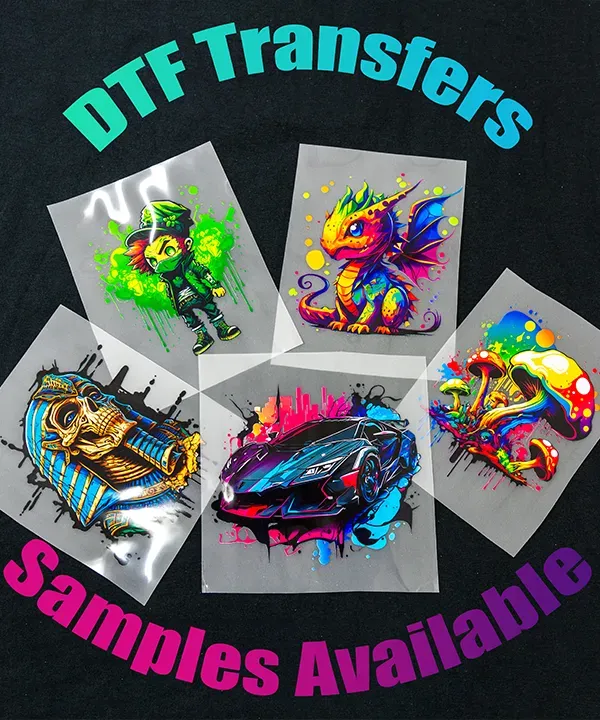
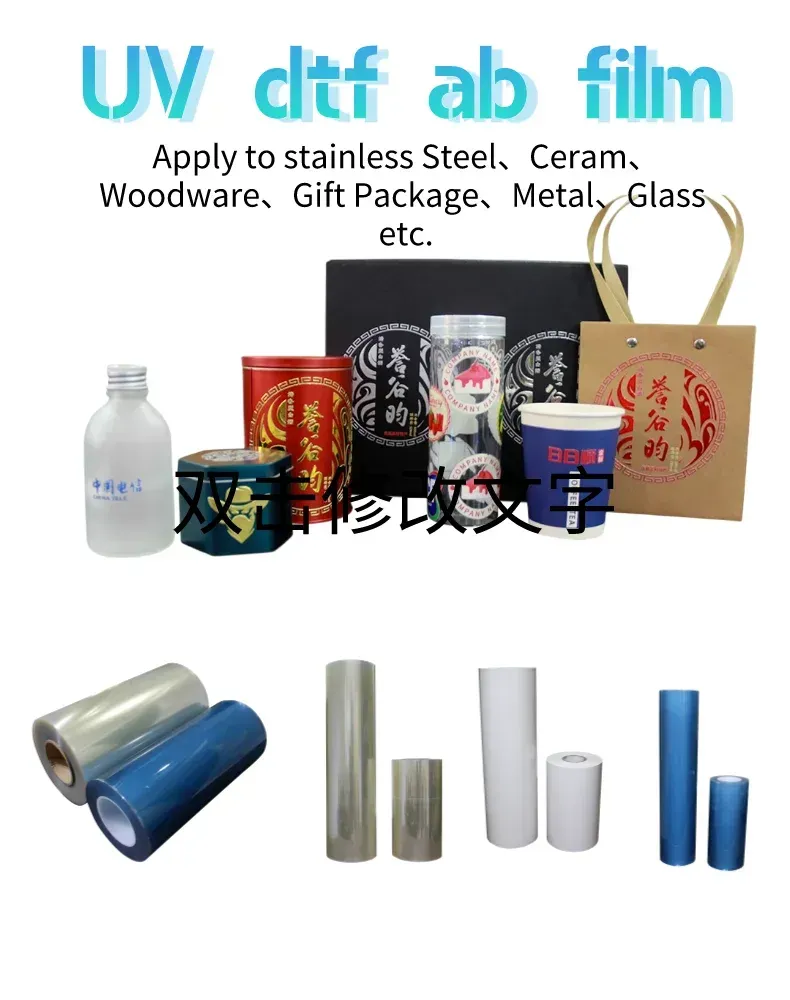
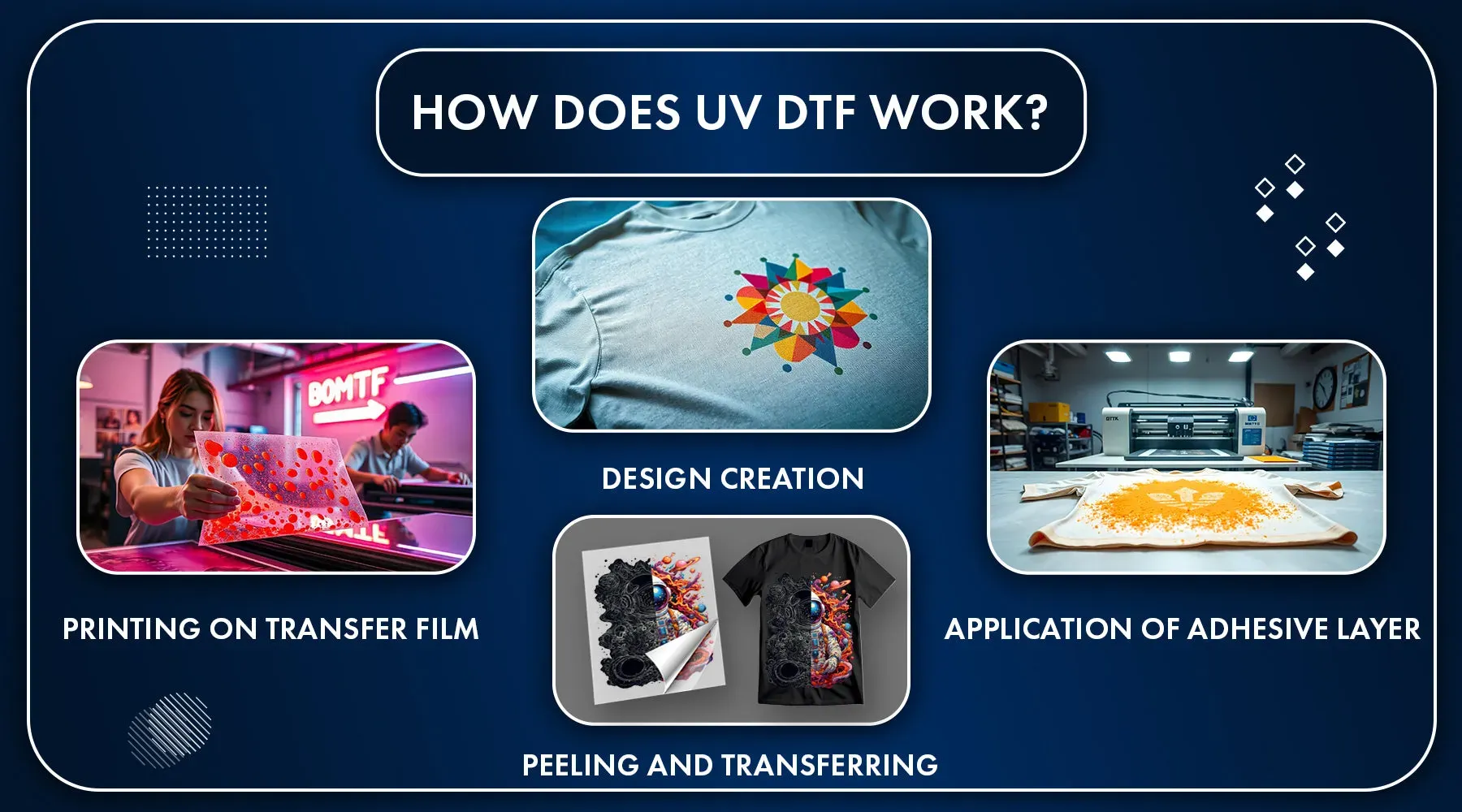
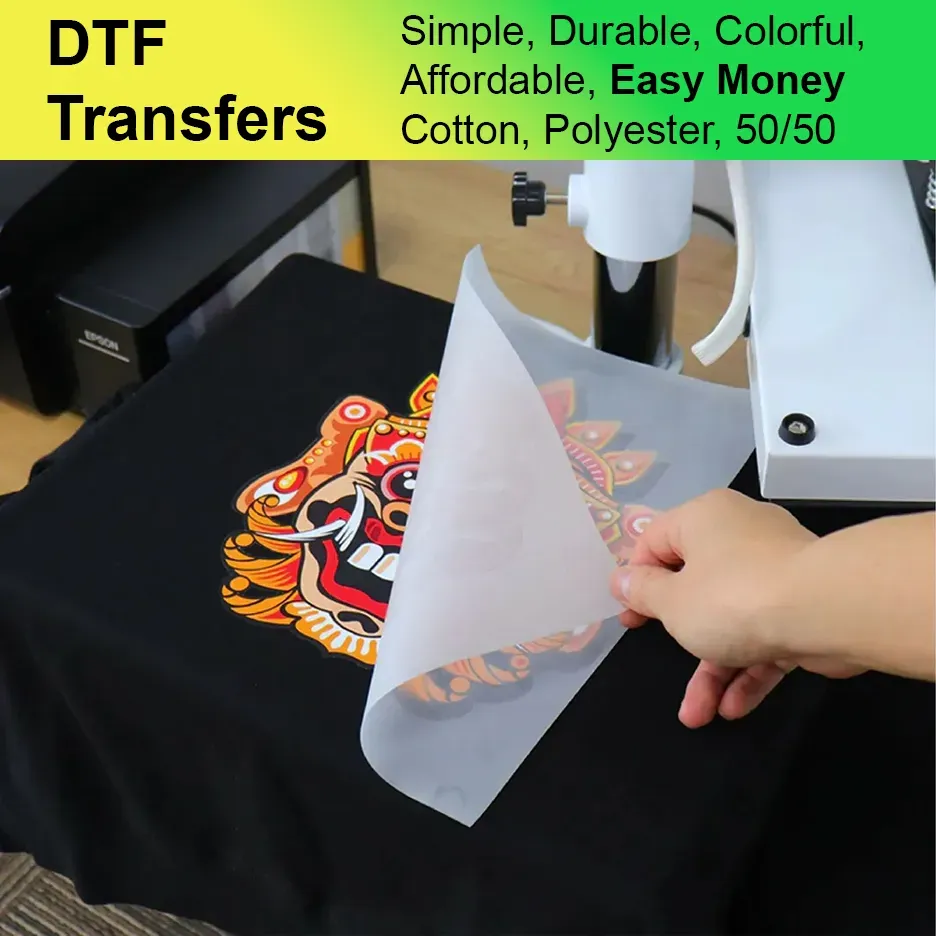
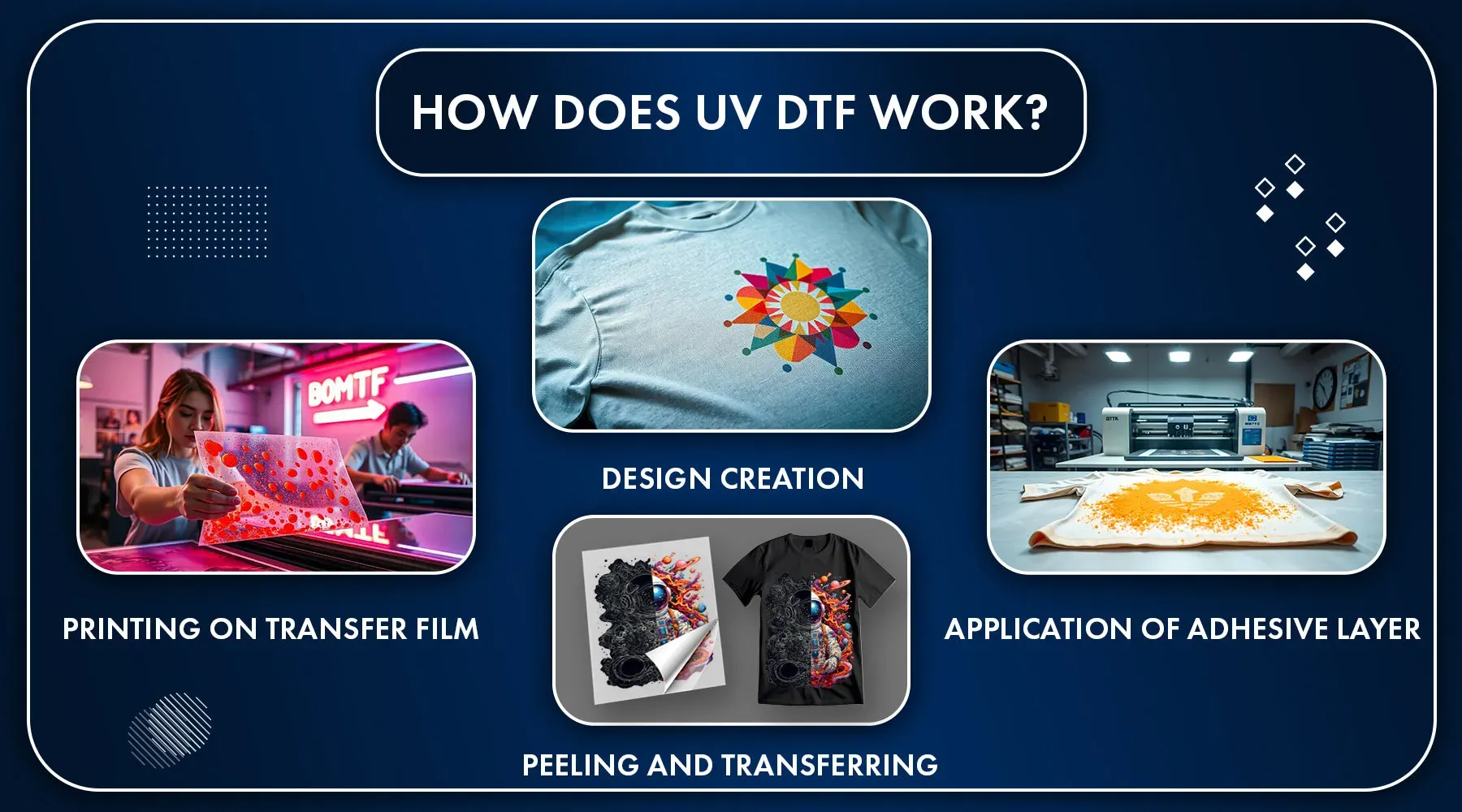
In the evolving world of fabric decoration, technology now drives faster, more precise printing journeys, and a DTF gangsheet builder sits at the center of this transformation. This tool helps designers assemble multiple designs into efficient DTF gangsheet layouts for DTF transfers, reducing waste and improving color fidelity. When you optimize your workflow with this gangsheet builder, you gain streamlined garment customization tools, scalable production, and faster proofs. From layout grids to color management and export formats, as a leading gangsheet design software option, it bridges art and production for reliable results. If you’re building efficient DTF printing workflows, the right solution aligns your designs with every DTF transfer design goal.
Beyond specific product names, this type of layout utility functions as a bridge between artwork and production, translating designs into efficient sheets for transfer. In practical terms, teams describe it as a digital textile printing layout planner, a prepress tool that streamlines how images are tiled, colored, and exported for transfer or heat transfer applications. Cloud collaboration, reusable templates, and automation help studios scale while preserving color fidelity and proof accuracy. As a production-management ally, it ties asset libraries, job tracking, and color calibration into a single, coherent workflow. Whether you call it a gangsheet tool, a layout designer, or a color-managed print planner, the core aim is consistent results, reduced waste, and faster delivery.
DTF Gangsheet Builder Essentials for Seamless Garment Customization
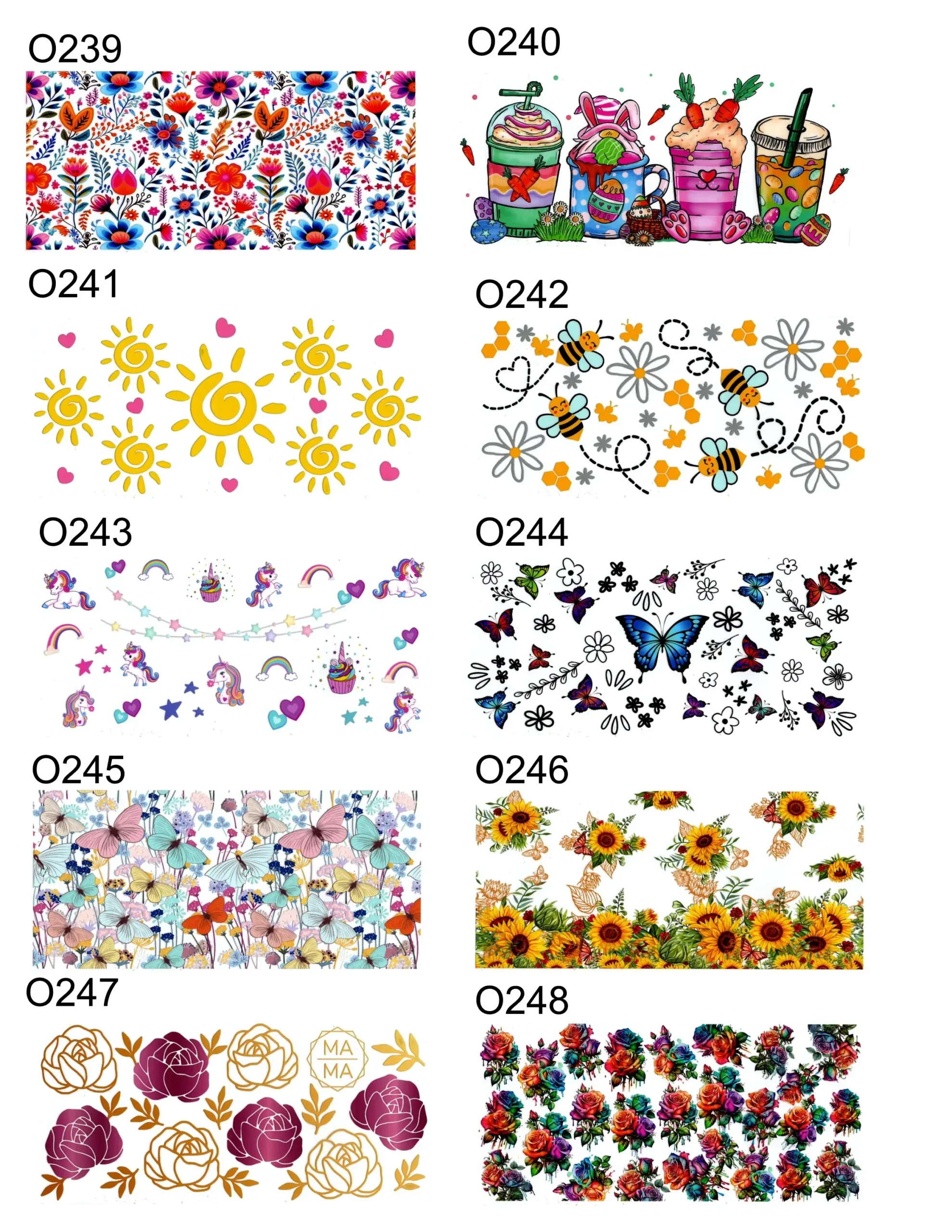
The DTF gangsheet builder is a specialized software tool that helps designers and printers assemble multiple designs into efficient gang sheets for DTF transfers. It serves as the bridge between artwork and production, translating design files into printable gang sheets that maximize heat transfer efficiency and minimize waste. A robust solution handles layout grids, color management, bleed and margin settings, substrate profiles, and export formats compatible with your printer workflow, making it the editor, optimizer, and collaborator rolled into one.
With a strong DTF gangsheet builder, garment customization tools become faster and more repeatable. You can group designs, maintain CMYK color integrity across files, and export print-ready files that align with your RIP or direct-to-media workflow. This translates to faster prototyping, clearer proofs for clients, and scalable operations from concept to shipment while ensuring the art, garment, and printer capabilities stay in harmony.
How to Choose the Right DTF Gangsheet Design Software to Optimize DTF Printing Workflows
Selecting the right DTF gangsheet design software means weighing features that influence your DTF printing workflows: multi-design layout controls, precise color management with ICC profiles, bleed and safe zones, and robust export options. Look for tools that integrate with your existing design software and RIP, support collaborative workflows, and scale from small batches to large runs without sacrificing performance.
Consider the deployment model—desktop vs cloud, open-source or commercial, and whether AI-assisted layout, vector editing, or mobile access will speed your production. The best choice aligns with your production ecosystem, supports efficient garment customization tools, and provides reliable color fidelity across substrates. Prioritize a system that reduces handoffs, automates templates, and keeps versioning and approvals transparent for clients and teams.
Frequently Asked Questions
What is a DTF gangsheet builder and how does it support DTF printing workflows and garment customization tools?
A DTF gangsheet builder is software that groups multiple designs, color separations, and print layouts into one or more gang sheets for DTF transfers. It bridges artwork and production, translating designs into print-ready gang sheets to improve color accuracy and reduce material waste. Core capabilities include layout grids, color management with ICC profiles, bleed and margin controls, substrate profiles, and export formats compatible with your DTF printing workflow. In short, it’s the editor, optimizer, and collaboration hub for seamless garment customization.
What features should I look for in a gangsheet design software to optimize DTF transfer design and garment customization tools?
Look for a gangsheet design software that offers: multi-design layout with precise grid controls; robust color management and ICC workflows; bleed, safe zones, and margin handling; rich export options (PNG, TIFF, PDF) with embedded color profiles; automation and reusable templates; strong font handling; layer support and object locking; integration with design tools and RIP workflows; versioning and collaboration features; and solid performance for large, multi-page gang sheets. These capabilities align with the DTF transfer design process and support scalable garment customization tools.
| Topic | Key Points |
|---|---|
| What is a DTF gangsheet builder? | Software that organizes multiple designs, color separations, and print layouts into gang sheets for DTF transfers; bridges artwork and production and supports layout grids, color management, bleed/margin settings, substrate profiles, and export formats. |
| Why it matters for garment customization | Ensures consistent color output, repeatable placement, and fast throughput; enables efficient layouts, accurate color management, flexible exports, and streamlined workflow; accelerates prototyping and scales operations. |
| Core features to look for | Multi-design layout with grid controls; color management/ICC profiles; bleed/safe zones; rich export options (PNG, TIFF, PDF) and RIP compatibility; automation/templates; font handling; layered design and object locking; integration with design tools and workflows; versioning/collaboration; scalability and performance. |
| Top 10 tool types (categories) | 1) All-in-one desktop DTF gangsheet builders; 2) Cloud-based gangsheet design tools; 3) Plugins for RIP software; 4) Integrations with print management systems; 5) Open-source or modular editors; 6) Mobile-friendly gangsheet apps; 7) AI-assisted gangsheet design tools; 8) Vector-based editors; 9) ICC/color-managed designers; 10) End-to-end DTF workflow platforms. |
| Best practices for using | Start with color proofs; create reusable templates; maintain a consistent color pipeline with ICC profiles; consider substrate behavior; optimize trim and bleed; collaborate with clients using versioning; test at scale; document your SOPs. |
| Common pitfalls | Inconsistent color results; overcrowded layouts; file incompatibilities; poor client communication; inefficient proofing cycles; ensure interoperability and testing before large runs. |
| Intended users / beneficiaries | Indie brands, screen printers expanding into DTF, and print shops seeking faster, more accurate, scalable garment customization through streamlined design-to-print workflows. |
Summary
DTF gangsheet builder is a strategic tool for improving garment customization through efficient layout, color management, and streamlined production. By consolidating multiple designs into optimized gang sheets, it reduces waste, speeds proofs, and helps teams collaborate across design and production. Choosing the right tool depends on your workflow—desktop versus cloud, end-to-end platforms, or modular editors—and should integrate with your RIP, substrates, and color pipeline. With the right DTF gangsheet builder, brands can scale print runs while preserving color fidelity and design integrity, delivering high-quality transfers with consistency and speed.