
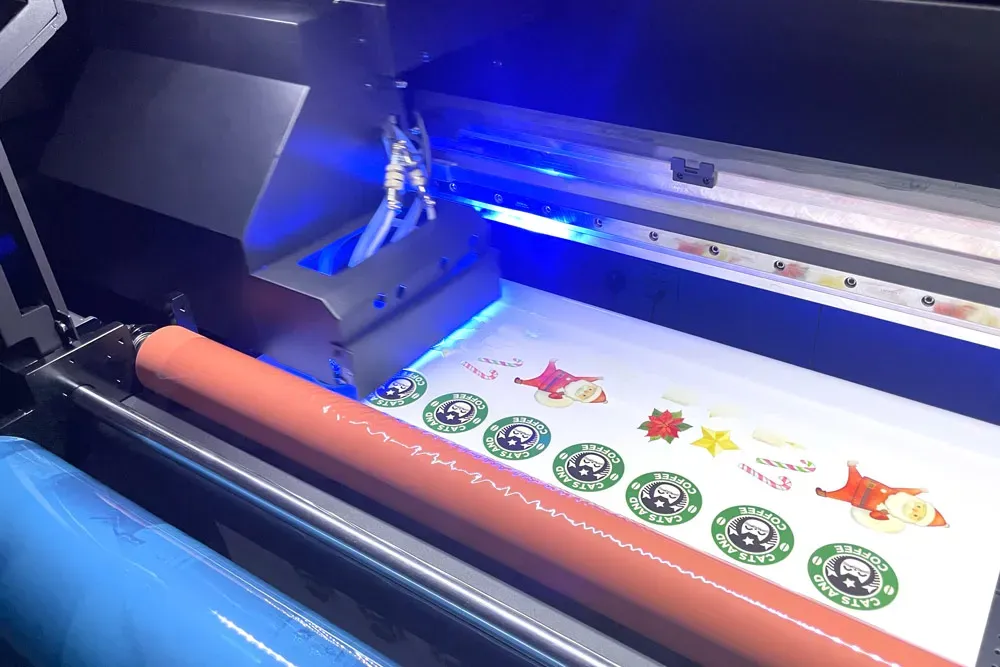
UV DTF transfer printing offers vibrant, durable designs for fabrics, mugs, and beyond. This method blends direct-to-film versatility with UV-curable inks to deliver fast, color-rich results. In this guide, you’ll learn best practices for crisp results on textiles and drinkware, along with practical troubleshooting tips. By understanding key concepts like color management, heat pressing, and substrate preparation, you can streamline production and improve consistency. For reference, consider UV DTF transfer on fabrics, Mug printing with UV DTF, UV DTF vs traditional DTF, Printing on textiles with UV, and the DTF transfer printing guide as you plan your projects.
You can think of this as a print-to-film workflow where UV-curable inks are laid onto a transparent carrier before applying them to cloth, ceramic, or other surfaces. The core idea is digital image transfer using cured inks that sit on film and then bond to substrates through heat and pressure. LSI-friendly terms include UV-curable film printing, ceramic mug transfers, textile embellishment, and UV-activated color hardening, all pointing to the same technique. This approach translates across materials, from breathable fabrics to enamelled mugs, with emphasis on coating compatibility, color fidelity, and long-term durability. Whether you call it a print-on-film workflow or a digital-to-substrate transfer, the goal remains a fast, high-fidelity method for customized products.
Frequently Asked Questions
What is UV DTF transfer printing and how does it work for UV DTF transfer on fabrics?
UV DTF transfer printing uses UV-curable inks printed on a DTF film, which cure instantly under ultraviolet light. This enables faster production and reduces handling-related smudges. After printing, the design is transferred to fabrics or mugs using heat and pressure, producing vibrant, durable results with a typically lower odor than solvent inks.
How does UV DTF transfer printing compare to traditional DTF (UV DTF vs traditional DTF)?
UV DTF transfer printing differs mainly in curing: UV inks cure instantly with UV light, while traditional DTF relies on air-drying. UV DTF often offers faster production, brighter colors, and lower VOCs, but results depend on substrate and coatings. Both can produce high-quality textiles and drinkware, but the workflow and equipment needs vary.
What should I know about Mug printing with UV DTF?
Mug printing with UV DTF involves printing a design on DTF film with UV-curable inks, curing as required, and transferring to a curved mug using a mug press or wrap. Use wraps and coatings to maintain registration on curved surfaces, and ensure curing timing matches the transfer step. Expect vivid colors and good durability, but always test coatings and mug substrates before larger runs.
What is a DTF transfer printing guide for beginners?
A DTF transfer printing guide typically covers artwork prep, color management, film printing, curing steps, powdering if needed, and heat transfer settings. Start with a simple design, set up ICC profiles, and run test prints on your target fabrics or mugs to dial in color and registration.
What substrates are best for Printing on textiles with UV DTF transfer printing?
Printing on textiles with UV DTF transfer printing works well on cotton, polyester blends, and many coated fabrics. Pre-wash fabrics to reduce shrinkage, prepare surfaces properly, and test adhesion and cure times on sample swatches before production.
What are common issues and troubleshooting tips for UV DTF transfer printing on fabrics and mugs?
Common issues include color drift between runs, edge bleeding, poor adhesion on certain fabrics, and registration problems on mugs. Solutions include reprofiling color workflows, verifying cure times, cleaning transfer surfaces, using appropriate wraps for curved surfaces, and running test batches before full production.
| Aspect | Key Points |
|---|---|
| What is UV DTF transfer printing? | – Process: UV-curable inks are printed on transfer film and then transferred to fabrics, mugs, etc. using heat.n- Curing: Inks cure instantly under UV light, enabling faster production and reduced smudging compared to water-based DTF. |
| Why choose UV DTF for fabrics & mugs? | – Speed and efficiency: Instant curing shortens handling time between print and press.n- Versatility: Suitable for cotton, blends, and curved surfaces like mugs with proper technique.n- Vibrant colors & durability: Bright, long-lasting prints with good lightfastness.n- Safety: Lower odor and VOCs versus some solvent-based inks. |
| Key terms & workflow | – UV DTF transfer printing: Printing on transfer film with UV-cure inks, then transferring to a substrate.n- Fabrics & textiles: Cotton, polyester blends, etc.n- Mugs & curved surfaces: Ceramic/glass surfaces requiring wraps or coatings.n- Curing & UV exposure: Accelerated drying/hardening via UV.n- Heat pressing: Final transfer step using controlled heat and pressure. |
| Getting started: essential materials | – UV-curable ink system or UV-capable DTF workflow.n- DTF film and adhesive powder (if needed).n- Heat press or mug press (flat for fabrics, wraps for mugs).n- Transfer substrates: fabrics and ceramic mugs.n- UV curing unit (if not integrated).n- Design software and color management (ICC profiles, RIP software). |
| Step-by-step guide (fabric & mug printing) | 1) Prepare artwork/substrate. 2) Print onto DTF film with UV inks. 3) Powder or cure as required. 4) Transfer with heat. 5) Finishing & care. |
| Design considerations & best practices | – Color management: calibrate with ICC profiles.n- Substrate prep: clean surfaces; pretreatment for adhesion as needed.n- Resolution: UV DTF excels at sharp edges; test small samples.n- White underbase: Plan for bright whites on dark fabrics if needed. |
| Challenges & troubleshooting | – Color drift between batches: re-profile and verify cure times.n- Bleeding/edge issues: ensure fabric prep and clean surfaces.n- Poor adhesion: consider pretreatments or primers.n- Mug registration: use curved-surface fixtures or wraps and test runs. |
| Durability & care | – Proper curing improves resistance to fading and scrapes.n- Fabric care: wash inside-out, cold water, gentle detergents.n- Mugs: hand wash preferred; if dishwasher, ensure coating compatibility.n- Avoid prolonged direct sunlight. |
| Advanced tips for scaling | – Invest in color management and ICC profiles.n- Build substrate-specific profiles library.n- Explore topcoat laminates for extra durability.n- Maintain production logs (lots, cure times, press settings) for traceability. |
Summary
Conclusion