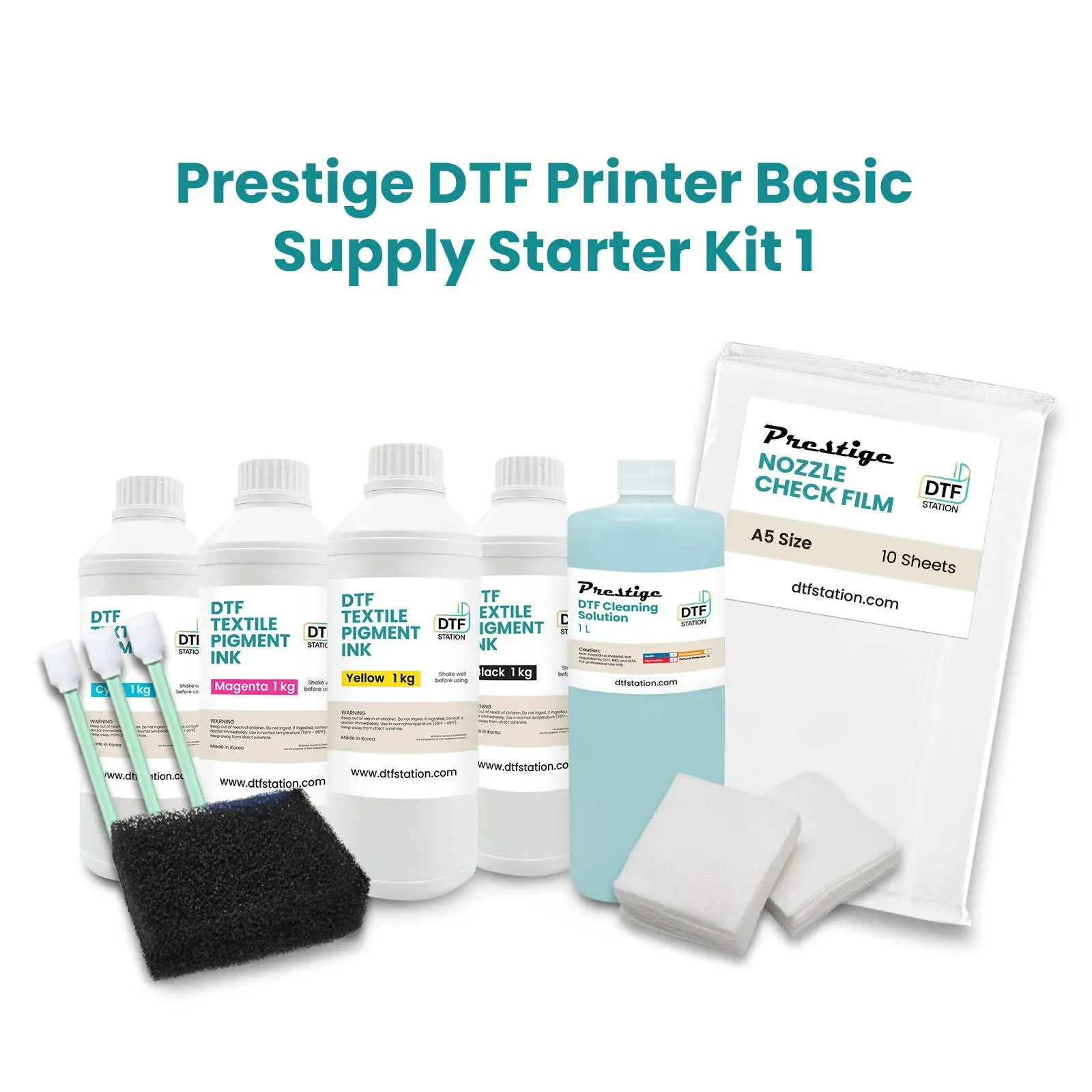
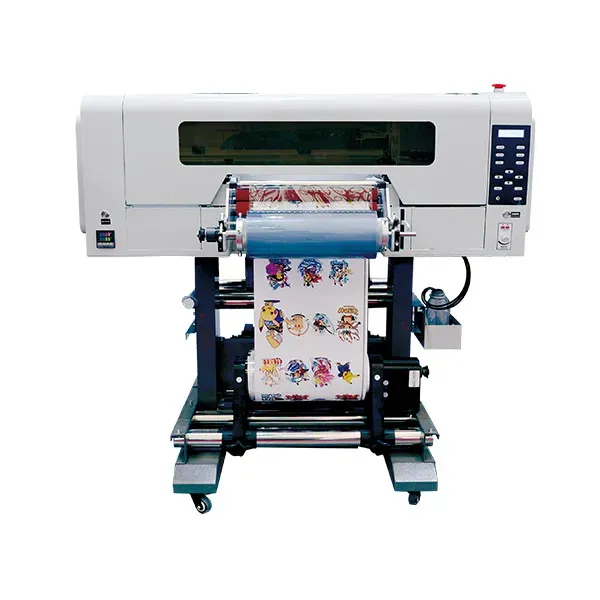
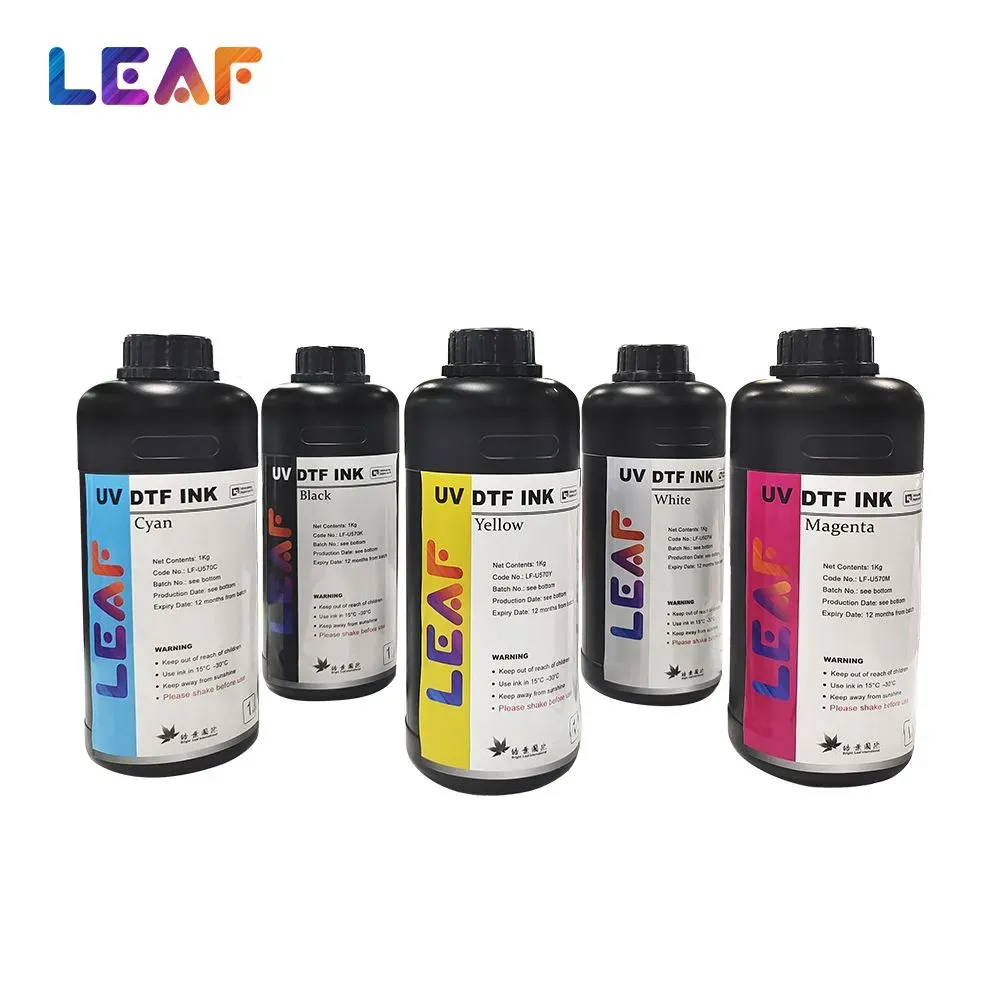
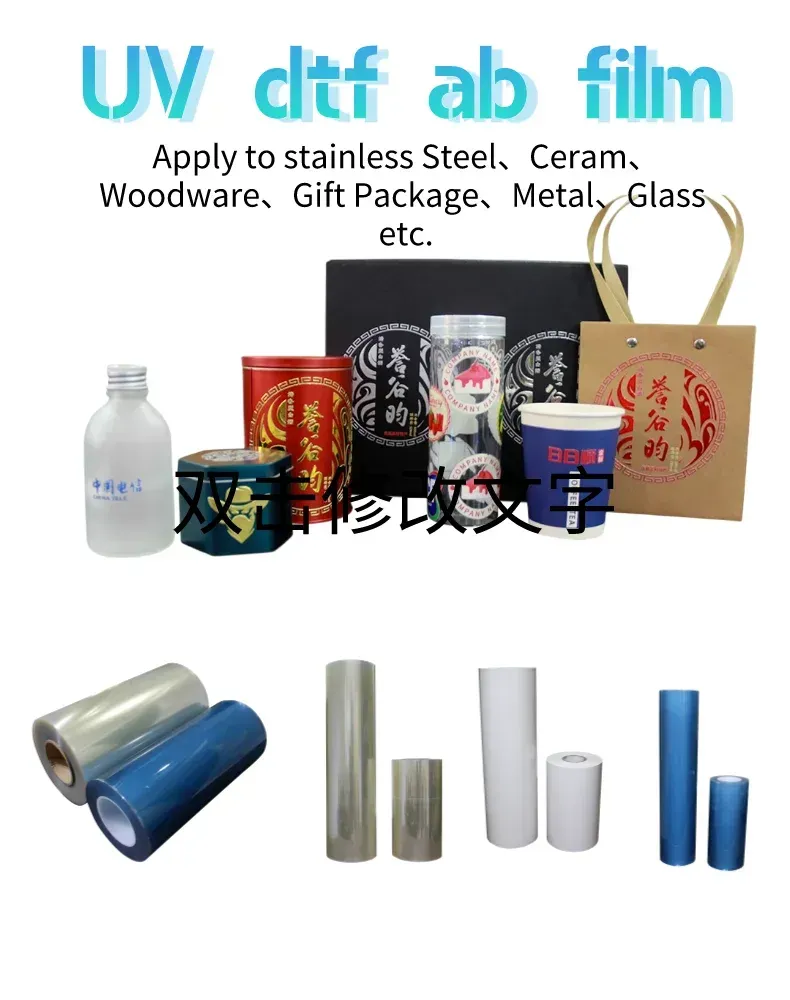
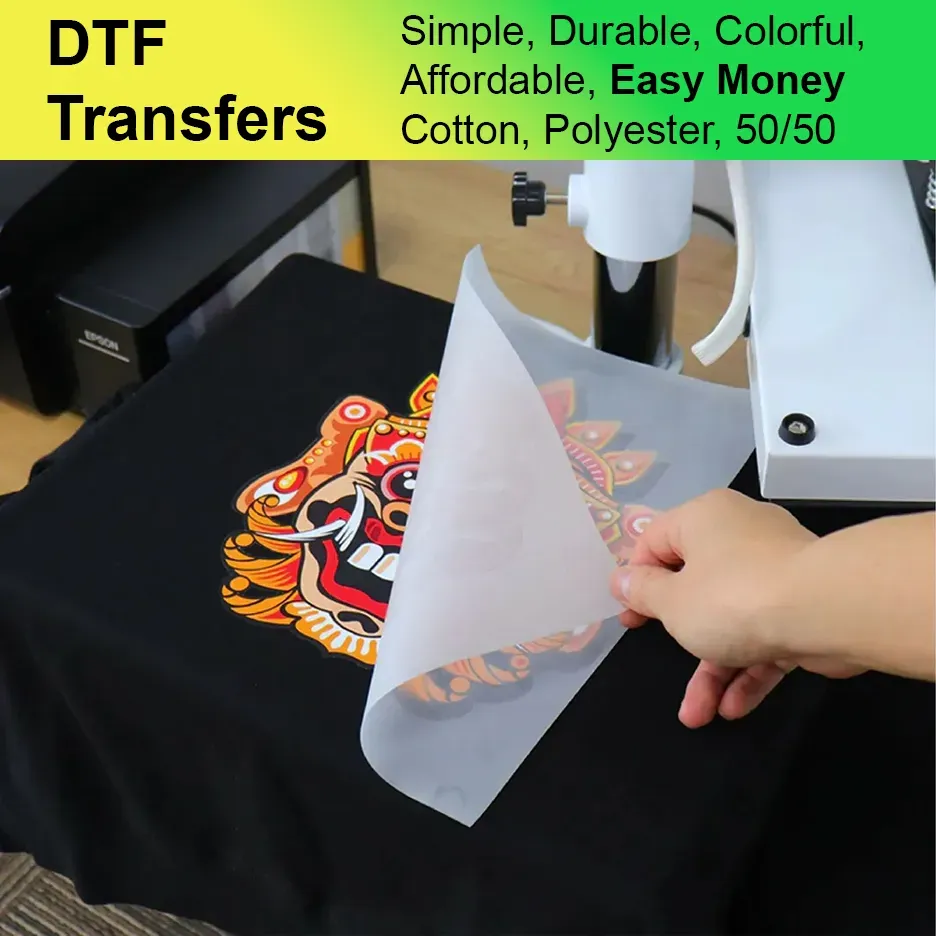
DTF supplies are the secret backbone behind vibrant, durable garment transfers. From DTF inks to DTF films, the right combination determines color richness, opacity, and wash-fastness. Choosing dependable DTF printer supplies and transfer tools helps maintain consistency across batches. Direct-to-Film printing workflows rely on quality materials that work in harmony with your printer, your film, and your heat press. Whether you are new to the process or scaling a shop, understanding the role of these supplies sets the stage for reliable, high-quality results.
In other words, these film-based transfer essentials are the heartbeat of modern garment decoration. Think of the workflow as an ink-on-film solution where color, opacity, and durability hinge on the film media, the ink set, and the bonding powder. This approach, often referred to as Direct-to-Film techniques, relies on compatible transfer media, cohesive inks, and precise heat-press parameters to deliver crisp images. Alternatives to the core vocabulary include terms like print-on-film systems, white underbase strategies, and adhesive-coated sheets that support vibrant results across textiles. A well-chosen mix of these components helps hobbyists and businesses achieve consistent color, soft hand feel, and reliable wash performance.
DTF supplies decoded: inks, films, and tools for high-quality transfers
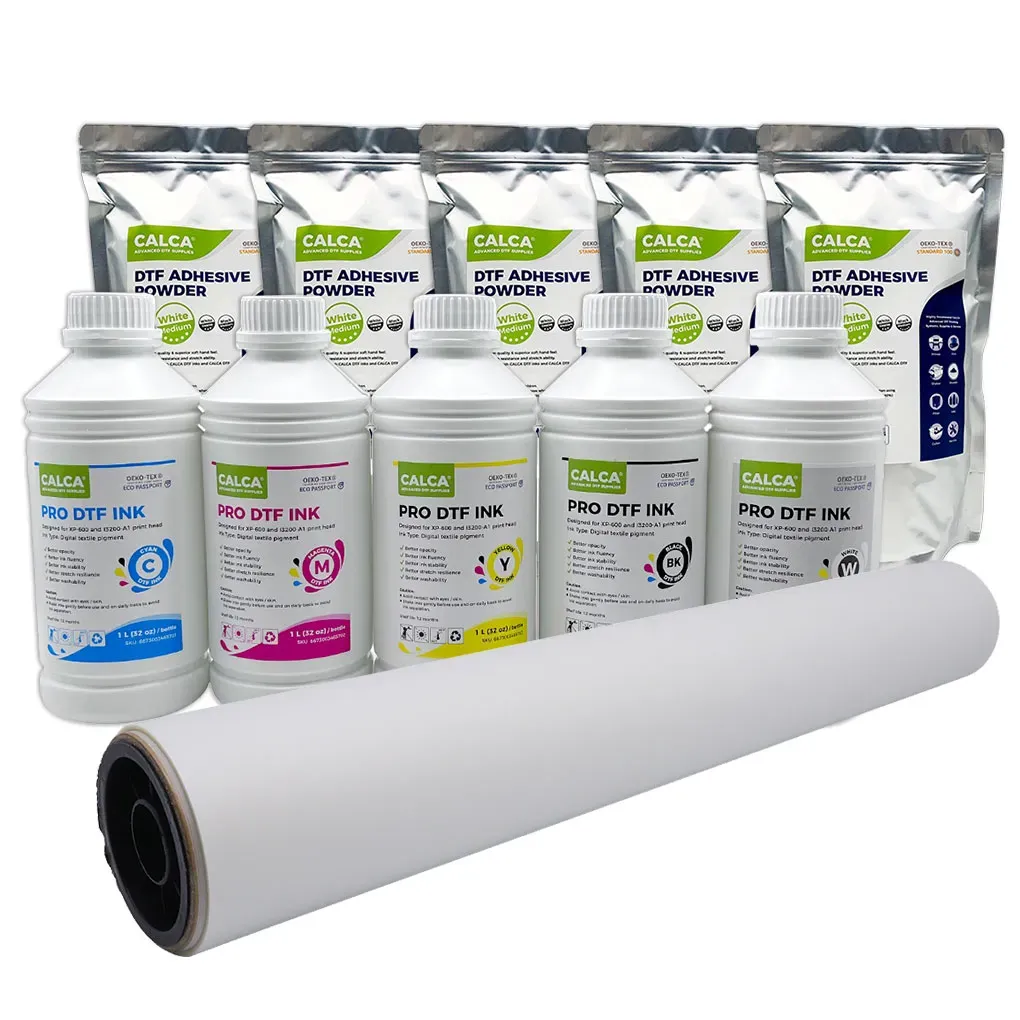
DTF supplies are the backbone of every successful Direct-to-Film project. The key components—DTF inks, DTF films, and DTF transfer tools—must work together with your Direct-to-Film printing workflow to deliver consistent color, sharp details, and durable results. When choosing DTF inks, consider opacity, white underbase performance, odor, safety, and compatibility with your printer model. Pair them with a compatible DTF film whose release properties and thickness provide clean transfers, even on dark fabrics. Finally, select transfer tools designed for even pressure and powder handling to minimize defects and speed up production.
Optimizing these supplies also means thinking about the broader DTF printer supplies ecosystem. Stable ink supply, reliable films, and durable tools reduce downtime and maintain color management accuracy across runs. Testing combinations, recording results, and calibrating with ICC profiles helps you achieve predictable skin tones, vibrant reds, and consistent white underbase on a variety of substrates, from cotton to blends.
Optimizing your DTF workflow with inks, films, and transfer tools for Direct-to-Film printing
In a productive DTF workflow, the synergy between DTF inks, DTF films, and DTF transfer tools becomes the difference between good results and great ones. A well-tuned Direct-to-Film printing process starts with inks that deliver brightness and wash-fastness, then uses films with reliable release to preserve sharp edges, followed by tools that apply heat and powder consistently. The result is a streamlined process where presses, curing devices, and protectors work in harmony with the print and film.
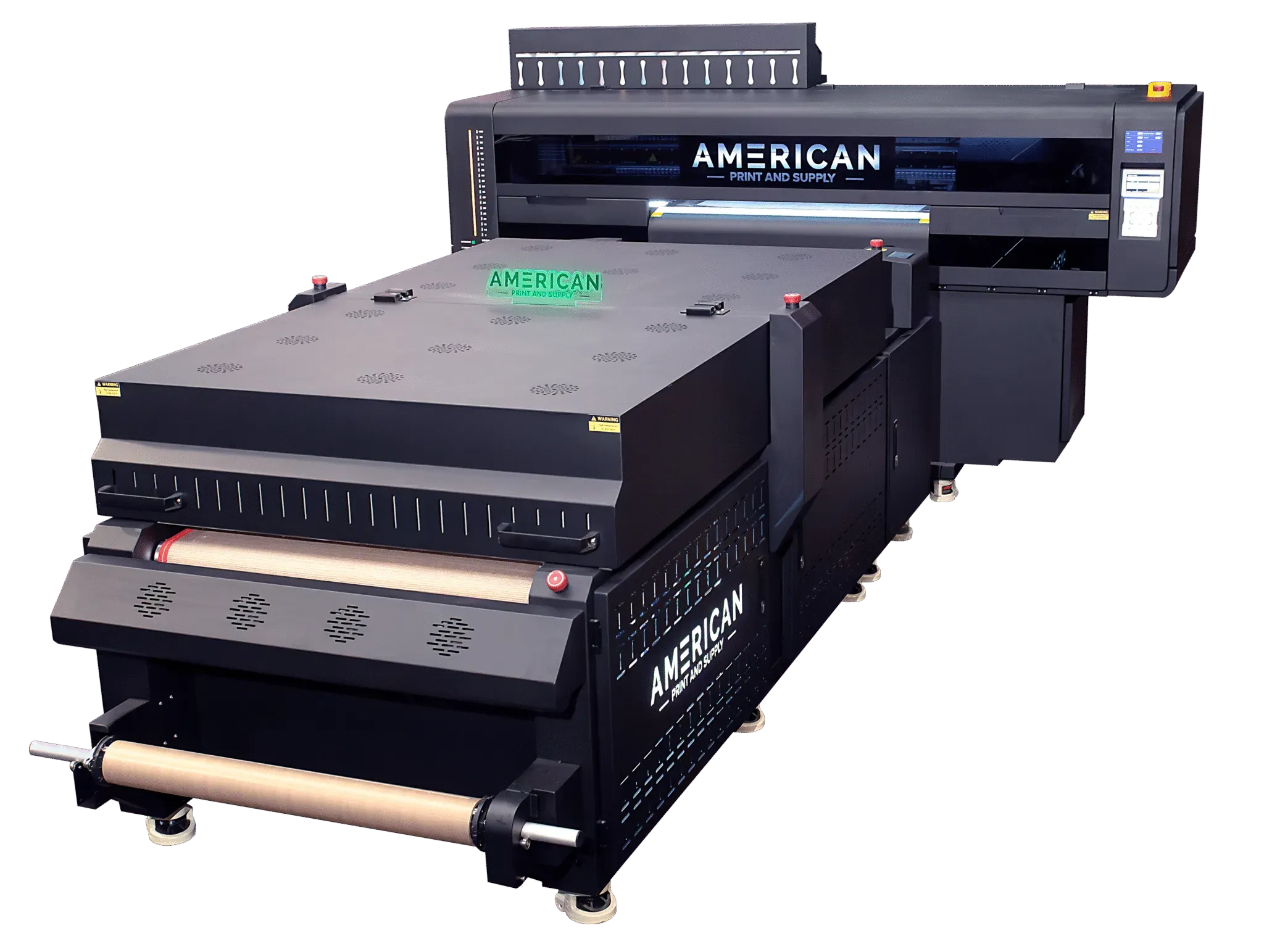
To maintain this harmony, invest in high-quality DTF printer supplies, from color-management tools to sturdy squeegees and accurate heat presses. Regular maintenance of the printer head, correct powder coverage, and careful storage of DTF films prevent curl and batch-to-batch variation. With a disciplined setup, you can scale production while keeping Direct-to-Film prints vibrant and durable across a wide range of fabrics.
Frequently Asked Questions
What are the essential DTF supplies to start Direct-to-Film printing?
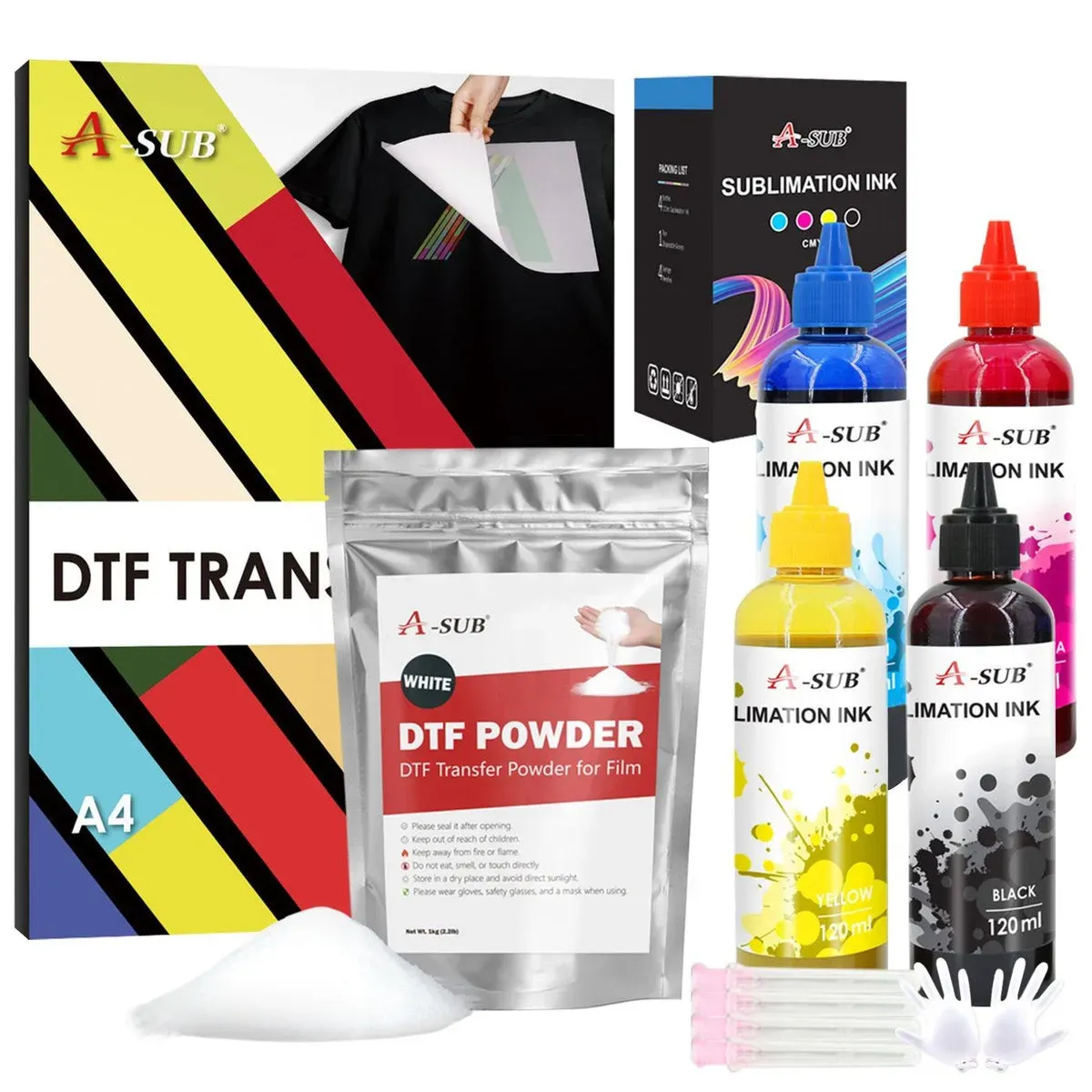
Essential DTF supplies for Direct-to-Film printing include DTF inks, DTF films, and DTF transfer tools. Choose DTF inks compatible with your printer that deliver strong white underbase on dark fabrics and good colorfastness, pair them with reliable DTF films that have a consistent release, and add transfer tools such as squeegees, heat presses, powder shakers, and protective sheets to complete the workflow. Don’t forget DTF printer supplies like maintenance kits and extra ink bottles to keep production smooth.
How do I choose the right DTF supplies for consistent transfers?
Select DTF inks, DTF films, and DTF transfer tools that work well together in your Direct-to-Film printing workflow. Prioritize ink opacity and wash-fastness, film release quality and consistent thickness, and transfer tools that provide even heat, accurate pressure, and clean powder handling. Also consider DTF printer supplies such as spare ink bottles and cleaning kits to maintain a steady, repeatable production process.
| Aspect | Key Points |
|---|---|
| DTF Inks | – Color core of transfers; CMYK inks plus white underbase for dark fabrics. High opacity, reliable white performance across print runs. – Consider ink composition, odor/safety for indoor use, color fastness and wash durability, print head compatibility and maintenance, and consistent replenishment for business use. – When paired with the right printer and films, DTF inks deliver accurate skin tones, sharp logos, and vibrant transfers. |
| DTF Films | – PET-based films with controlled thickness provide stable printing and clean release. – Release coating quality, opacity, and color lift impact transfer clarity and color accuracy. – Adhesion compatibility with adhesive powder and transfer settings is essential; consider storage and resistance to curl for large runs. |
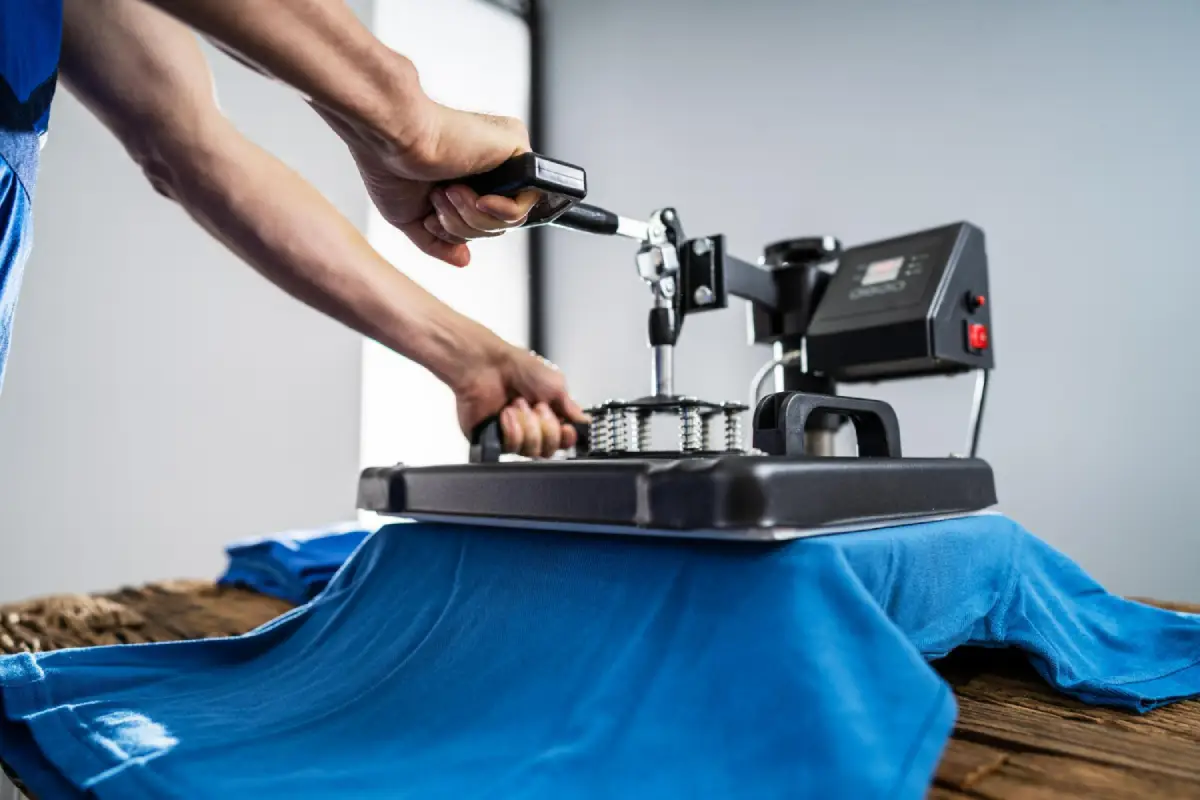
| DTF Transfer Tools | – Squeegees/spreaders, heat press, powder shaker, curing tools, and protective sheets enable even transfer, proper powder bonding, and heat distribution. – Tool quality affects consistency, efficiency, and waste reduction; ergonomics and compatibility with fabrics and powders matter. |
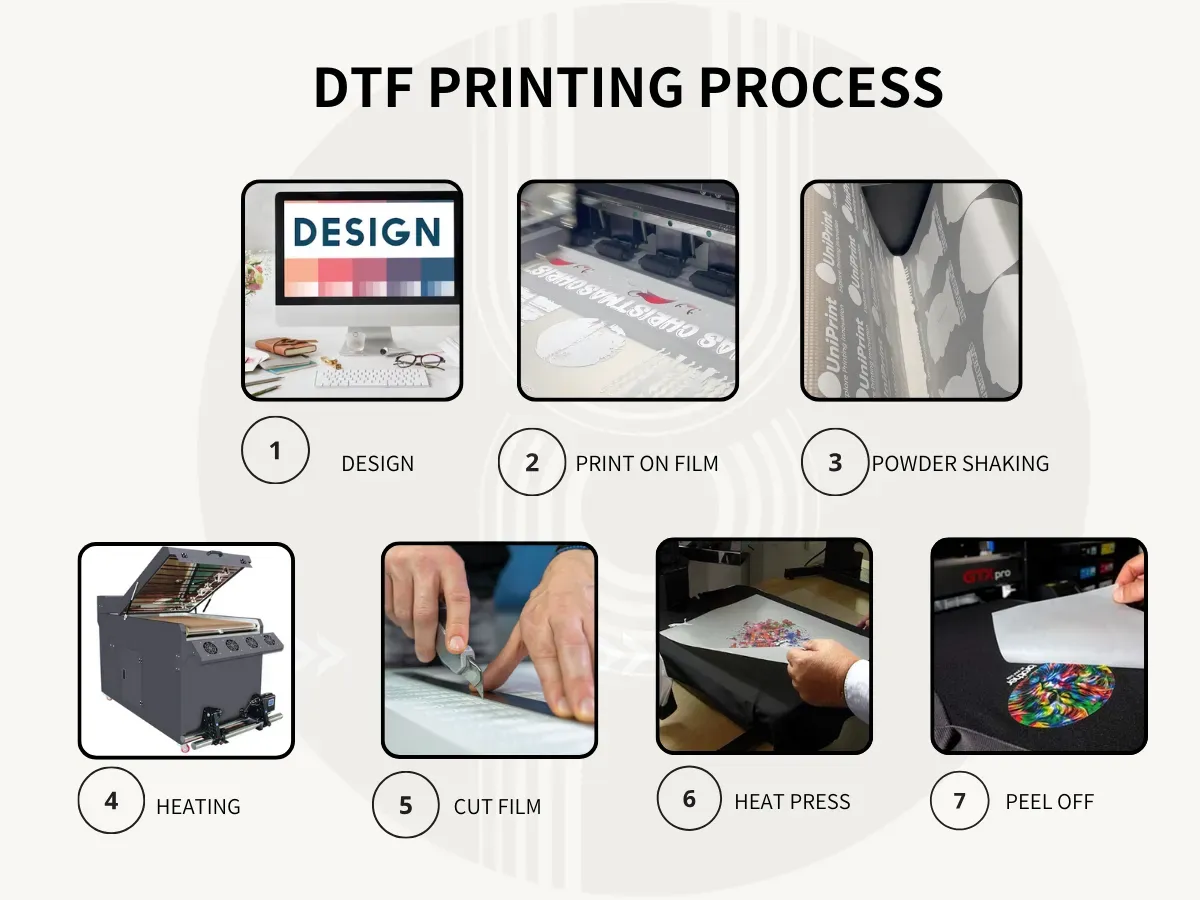
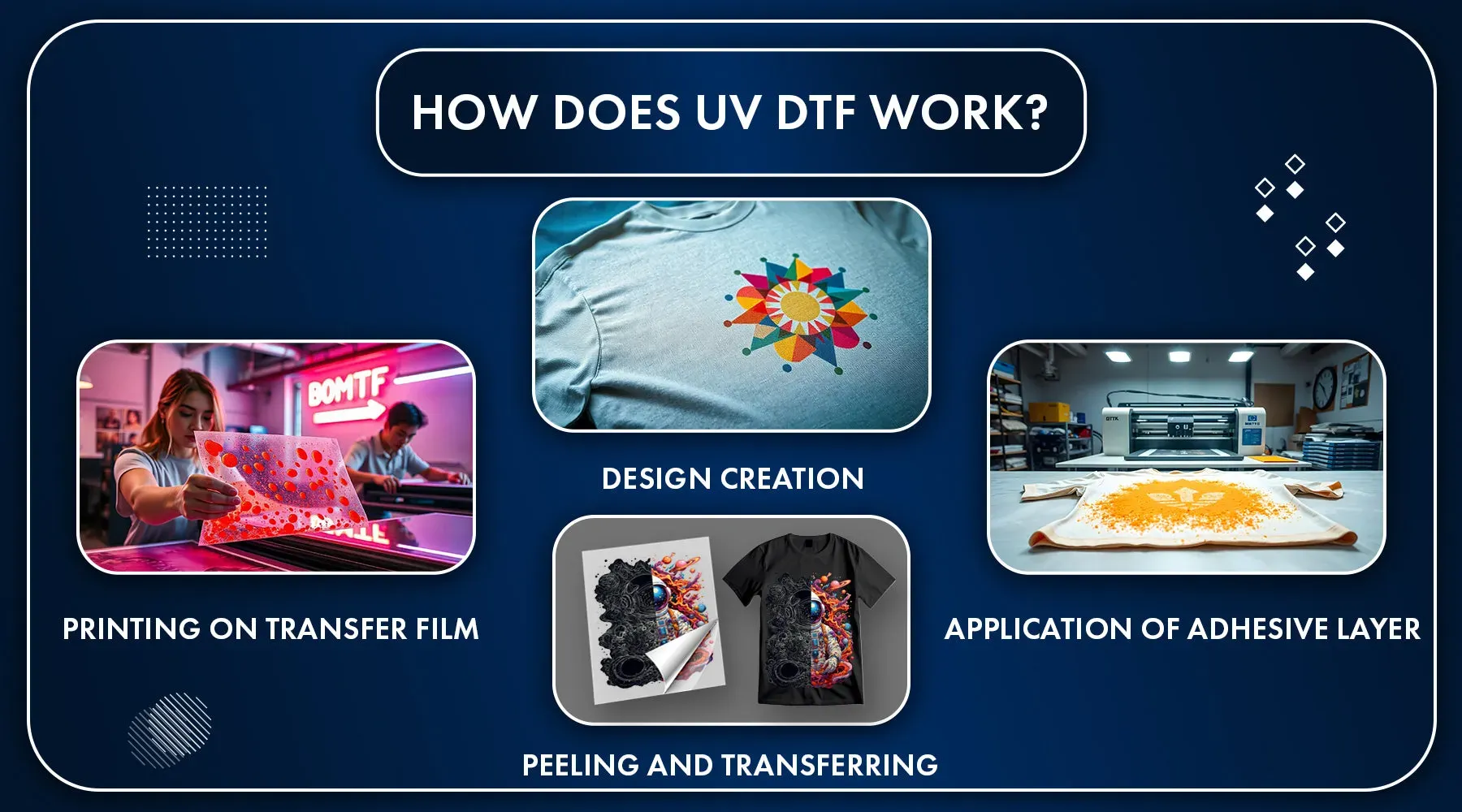
| Workflow Overview | – Prepare artwork with ICC profiles; print on DTF film with white underbase if needed. – Apply adhesive powder to the printed film, cure, align to garment, press with appropriate time/temperature/pressure, and peel per material specs. – Inspect color accuracy and transfer quality, then perform post-press if required. |
| Maintenance & Storage | – Ink handling: keep bottles closed, store upright, follow shelf-life. – Film storage: cool, dry, away from direct sun; store flat or rack to avoid curls. – Tool care: clean squeegees after use; inspect heat press elements and recalibrate as needed. – Control environment to aid consistent curing and powder adhesion. |
| Troubleshooting | – Faded colors or color bleed: verify white underbase and film release; recalibrate color profiles. – Uneven transfer/ghosting: check even pressure, film curl, and powder coverage. – Powder not sticking/over-adhesive: adjust powder amount and cure time; ensure proper curing. – Film tearing/wrinkling: avoid over-tension and excessive handling; maintain film integrity. – White ink issues on dark fabrics: confirm opacity and proper curing. |
| Choosing the Right DTF Supplies | – Consider volume and budget; higher volumes justify more robust inks, films, and tooling. – Ensure substrate compatibility (cotton, polyester blends, dark fabrics) and broad color management capabilities. – Align with suitable press settings; adjustable heat/time/pressure aids optimization. – Focus on wash-fastness and color retention through proper curing and post-press handling. |
Summary
Conclusion
DTF supplies form the backbone of any successful Direct-to-Film project. By selecting high-quality DTF inks, pairing them with compatible DTF films, and equipping yourself with the right DTF transfer tools, you’ll achieve reliable transfers with sharp detail and strong color. The interaction between these components—inks, films, and tools—determines how vibrant, durable, and washable your final products will be. As you grow your DTF printing business or hobby, invest time in testing combinations, documenting results, and refining your workflow. With thoughtful choices in DTF supplies and a consistent process, you’ll turn a simple design into a professional-grade transfer that satisfies customers and stands up to repeated washing.