
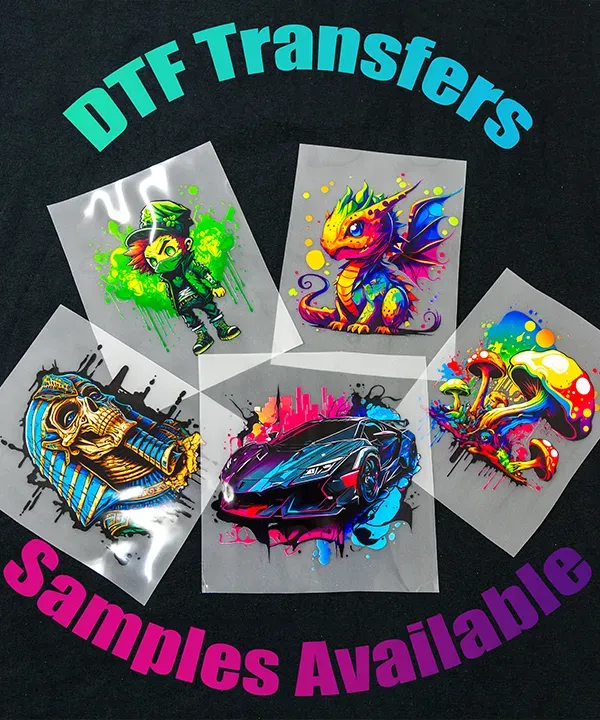
DTF transfers, or Direct-to-Film transfers, are transforming the fabric printing landscape with their remarkable ability to replicate intricate designs with stunning accuracy. This technique has gained popularity among both amateur creators and seasoned professionals, as it allows for vibrant colors and fine details on a range of materials. Essential for achieving a successful output, DTF printing tools, including a reliable DTF printer and quality DTF inks, play a pivotal role in the process. Moreover, the use of a heat press machine paired with adhesive powder for DTF ensures optimal adherence of your designs to the fabric. Whether you are a hobbyist or a commercial printer, understanding these components is crucial for mastering the art of DTF transfers.
Direct-to-Film printing, widely referred to as DTF, represents a groundbreaking method in the realm of fabric graphics. This innovative approach not only simplifies the printing process but also elevates the quality of fabric designs, making it a preferred technique for apparel customization. To embark on a successful journey in DTF, certain must-have printing tools are necessary, including specialized printers and vibrant inks. Additionally, investing in a precise heat press machine and high-quality adhesive powders is key for achieving durable results. As this technology continues to evolve, staying informed about the latest advancements will help enthusiasts and professionals alike create exceptional printed textiles.
What is DTF Printing?
Direct-to-Film (DTF) printing is an innovative printing technology that allows designs to be printed directly onto a specialized film, which is later transferred onto fabric. This method is distinct because it enables the application of vibrant colors and detailed images that stand out on various materials. DTF is gaining popularity due to its versatility, with applications ranging from custom apparel to personalized accessories, making it an excellent choice for businesses in the textiles industry.
The DTF process not only enhances the quality of transfers but also tends to be more cost-effective than traditional screen printing methods for custom designs. By using DTF printers, businesses can save time and resources while maintaining high standards in quality. This elevates the product offerings, enabling designers to cater to specific niches with ease.
Essential Tools for DTF Transfers
To achieve superior results in DTF printing, certain tools are essential. First and foremost, a dedicated DTF printer specifically designed to work with transfer films and DTF inks is crucial. These printers facilitate precise output, ensuring that colors remain vibrant and true to the original design. Brands like Epson and Mimaki are reputable in the market for delivering high-quality DTF printers that meet industry demands.
Along with a quality printer, having the right DTF inks and transfer films is critical. Using water-based pigment inks ensures long-lasting prints that retain their brilliance over time. Quality transfer films absorb ink well and release it effectively during the heat transfer process, thereby enhancing image clarity and adhesion to the fabric.
Importance of Heat Press Machines
A reliable heat press machine is pivotal in the DTF printing process. The heat press is responsible for applying consistent heat and pressure, which are critical to ensuring proper adhesion of the printed design onto the fabric. Different fabrics require different settings, so a heat press with adjustable temperature and pressure settings is ideal for achieving optimal results.
Investing in a commercial-grade heat press machine can make a significant difference in the quality of finished products. Poor quality presses may lead to issues such as improper bonding, fading, or peeling of prints. Therefore, choosing a heat press that is user-friendly and offers adjustable settings tailored for DTF applications is essential for long-lasting results.
Choosing the Right DTF Inks
The quality of DTF inks plays a vital role in the final product. High-quality, compatible DTF inks are necessary for achieving bright and durable designs that withstand washing and wearing. These inks are often water-based, which makes them eco-friendly and easy to work with. It’s crucial to select inks that are specifically designed for your DTF printer to prevent issues such as clogging or inconsistent color output.
Many users overlook the importance of ink selection, but using low-quality or incompatible inks can lead to disastrous results, negating the benefits of investing in premium printing equipment. Always opt for reputable ink brands that come with a guarantee of quality to ensure that your prints maintain their vibrancy and integrity over time.
Utilizing Adhesive Powder for DTF Transfers
Adhesive powder is a crucial component in the DTF printing process. Once designs are printed on transfer films, they must be coated with high-quality adhesive powder before heat pressing onto the fabric. This powder ensures a strong bond between the ink and fabric, making it an essential step for achieving durable, long-lasting designs.
Selecting adhesive powder that complements your specific DTF printing setup can vastly improve the outcome. Quality adhesive ensures that designs remain intact after multiple washes and wear, thus maintaining vibrancy. Proper application techniques, such as dusting evenly and controlling the amount used, will further enhance the effectiveness of the adhesive.
The Role of Pre-Treatment Solutions in DTF
Pre-treatment solutions may be necessary, especially when printing on darker fabrics or materials that present challenges in ink adhesion. Using a pre-treatment can enhance the vibrancy and overall quality of DTF prints, ensuring that colors pop and designs do not fade. Depending on the fabric’s characteristics, a suitable solution can significantly impact the end result.
Choosing the right pre-treatment solution is critical to successful DTF transfers. Make sure to follow the manufacturer’s guidelines for application to avoid issues with ink adhesion. This added step not only improves the quality of prints but can also enhance the longevity of the designs, making it a smart investment for those serious about DTF printing.
Frequently Asked Questions
What is DTF printing and how does it work?
Direct-to-Film (DTF) printing is a modern method for transferring vivid designs onto fabrics. It involves printing designs on a special DTF transfer film, applying adhesive powder, and using a heat press machine to bond the ink to the material. This process provides excellent color vibrancy and detail on a variety of substrates.
What equipment do I need for successful DTF transfers?
To achieve successful DTF transfers, you need essential tools such as a dedicated DTF printer, compatible DTF inks, high-quality transfer films, a reliable heat press machine, adhesive powder, and graphic design software. Each of these components plays a crucial role in producing vibrant and durable prints.
How do I choose the right DTF printer for my needs?
When selecting a DTF printer, consider factors such as print quality, compatibility with DTF inks, and reliability. Brands like Epson and Mimaki offer specialized DTF printers that produce clear, vibrant images. Ensure the printer can handle various fabric types for optimal versatility in your printing projects.
What are DTF inks, and why are they important?
DTF inks are water-based pigment inks specifically designed for DTF printing. They are crucial for achieving vibrant colors and durability in your prints. Using compatible DTF inks with your printer helps avoid clogs and ensures consistent quality throughout your printing process.
Why is a heat press machine necessary for DTF transfers?
A heat press machine is essential for DTF transfers as it applies the heat and pressure needed to bond the printed design onto the fabric. A good heat press allows precise temperature and pressure adjustments, preventing issues like peeling and ensuring that your prints adhere properly.
What is the role of adhesive powder in DTF printing?
Adhesive powder is a key component in the DTF printing process. After printing your design on the transfer film, the adhesive powder is dusted onto the print. During the heat transfer process, it helps bond the ink to the fabric, ensuring that your designs remain vibrant and intact after washing.
| Tool/Equipment | Description |
|---|---|
| DTF Printer | The backbone of DTF printing, designed for direct use with transfer films. |
| DTF Inks | Water-based pigment inks that ensure vibrant colors and durability. |
| Transfer Film | Coated sheets that absorb ink and facilitate heat transfer. |
| Heat Press Machine | Essential for adhering prints to fabrics via precise temperature and pressure adjustments. |
| Adhesive Powder | Bonds ink with fabric during heat transfer, essential for design durability. |
| Pre-Treatment Solution | Enhances ink adhesion especially on tricky fabrics. |
| Software | Graphic design programs (e.g., Adobe Illustrator) for design creation and editing. |
| UV Protection | Coating that protects designs from fading and extends lifespan. |
Summary
DTF transfers are revolutionizing the way we approach fabric printing, combining advanced technology with easy-to-use techniques. By investing in essential tools such as a dedicated DTF printer, high-quality inks, transfer films, and a reliable heat press, you set a strong foundation for achieving vibrant, long-lasting designs. Each component plays a critical role in the success of your DTF projects, ensuring that the intricate details and colors of your prints remain sharp and vibrant. Staying updated on the latest advancements in DTF tools and techniques will help you maximize your success in this ever-evolving industry.