
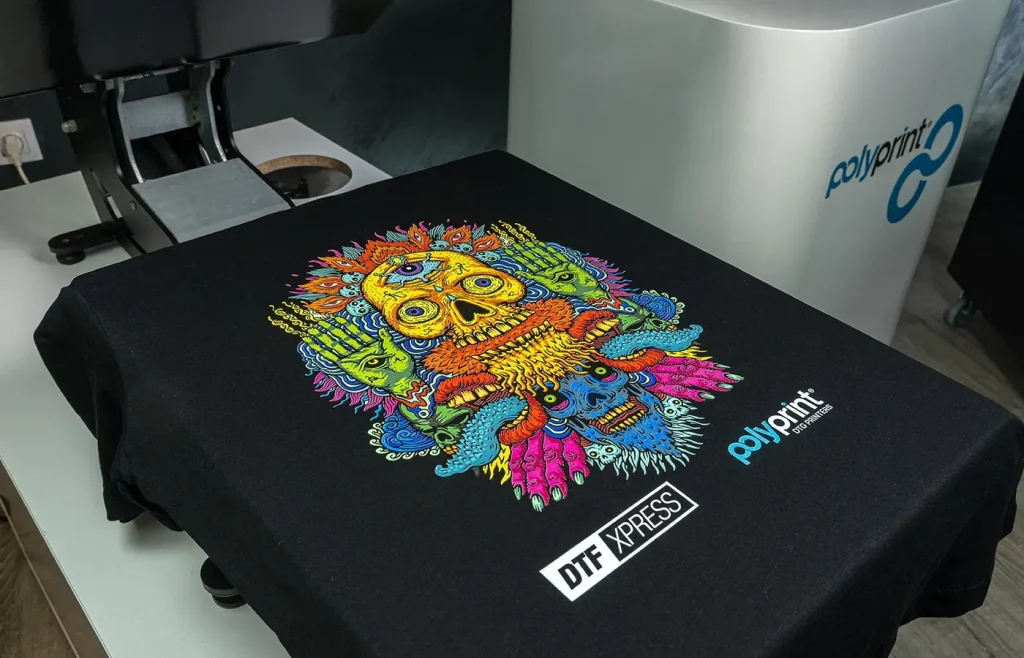
DTF printing, or Direct to Film printing, has emerged as a game-changer for small business printing solutions and custom apparel printing. This innovative technology offers numerous advantages, making it a compelling choice for startups looking to elevate their merchandise without overwhelming costs. With DTF printing, entrepreneurs can create vibrant, durable designs in small batches, thereby eliminating the need for hefty minimum orders typically found in traditional printing methods. The benefits of DTF printing extend beyond mere cost savings; they include quick turnarounds and high-quality results that can significantly enhance a brand’s reputation. As we explore DTF vs screen printing, it becomes evident that DTF is not just a trend but a strategic advantage in the growing competitive landscape.
Also known as digital transfer film printing, DTF printing represents a modern approach to custom garment creation that fosters innovation among small businesses. This method integrates the efficiency of digital printing techniques with the flexibility required by startups, allowing them to adapt quickly to market demands. When compared to alternatives such as screen printing, DTF promotes an accessible entry point for entrepreneurs by minimizing both setup costs and complexity. The versatility of DTF technology enables a diverse range of product offerings, catering to various materials and styles while ensuring high-quality output. As we delve deeper into this topic, it becomes clear that DTF is not just an alternative but a vital tool for any business aiming to thrive in today’s dynamic environment.
Cost-Effectiveness of DTF Printing for Small Businesses
When it comes to establishing a small business, managing costs is essential to sustainability and growth. DTF printing presents an incredibly cost-effective solution for custom apparel printing. Unlike traditional methods such as screen printing which require significant upfront investment in setup costs and bulk inventory, DTF allows businesses to order smaller batch productions at a fraction of the cost. This flexibility makes it easier for startups to manage their finances and allocate resources effectively.
Additionally, DTF printing minimizes material waste and overhead by allowing businesses to print only what they need on demand. With traditional screen printing, excess stock can lead to overproduction and unnecessary spending. In contrast, DTF enables entrepreneurs to test designs and products in the market without financial risk, paving the way for strategic investments in marketing and growth.
Flexibility and Versatility of DTF Printing
The world of custom apparel printing is evolving, and flexibility is becoming a central pillar for businesses aiming to stay competitive. DTF printing shines in this area, as it allows small business owners to print designs on a diverse range of materials, from cotton to polyester blends. This versatility not only opens new avenues for product lines—like t-shirts, hoodies, and tote bags—but also provides an opportunity for businesses to respond to ever-changing customer demands with ease.
For instance, if a startup sees a rising trend in eco-friendly materials, they can pivot quickly to create and market apparel options that reflect this interest. DTF printing’s adaptability ensures that small businesses can experiment with limited runs of unique products, thus maintaining a fresh outlet and attracting a wider customer base.
Quality and Durability of DTF Printed Products
Product quality can make or break a small business, particularly in the custom apparel industry where competition is fierce. DTF printing offers a high-quality finish with vibrant colors and intricate designs that are built to last. Many entrepreneurs experience the advantage of producing merchandise that can endure multiple wash cycles without fading, resulting in high customer satisfaction and brand loyalty.
Moreover, high durability translates into fewer returns and exchanges due to print quality issues, safeguarding a startup’s cash flow. When customers receive items that exceed their expectations in terms of quality, they are more likely to recommend the brand to others, thus fostering organic growth and a robust reputation in the marketplace.
Ease of Use with DTF Printing Technology
Transitioning to DTF printing can considerably simplify the production process for small business owners, particularly those without extensive printing experience. The technology behind DTF is designed to be user-friendly, allowing entrepreneurs to quickly grasp how to operate DTF printers and design applications. Instead of navigating the complexities of traditional methods that may require technical expertise, businesses can get started swiftly with minimal training.
This ease of use is crucial for startups that may be overwhelmed with various operational tasks. By streamlining the printing process, owners can allocate more time to focus on creativity, marketing, and customer engagement, leaving the technicalities of printing as an afterthought rather than a burden.
Rapid Production Speeds in the DTF Printing Process
In an era where consumer expectations are centered around rapid delivery and quick turnaround times, DTF printing technology excels by drastically reducing production times. Startups and small businesses can respond swiftly to market trends or seasonal demands, enabling them to capitalize on opportunities that require quick action. This level of agility is a significant advantage in today’s fast-paced economy.
Through the quick production capabilities of DTF printing, businesses can fulfill orders efficiently, offering customers timely delivery that can set them apart from competitors. This rapid response not only boosts customer satisfaction but also enhances the brand’s reputation for reliability, potentially leading to repeat business and increased sales.
Sustainability Benefits of Adopting DTF Printing
The modern consumer is increasingly becoming aware of their impact on the environment, making it essential for businesses to align their practices with sustainability. DTF printing supports eco-friendly initiatives by reducing waste and allowing for on-demand textile printing. Unlike traditional printing that often leads to overproduction and excess inventory, DTF ensures that businesses only produce what they need, minimizing environmental footprint.
Additionally, many inks used in DTF printing are water-based, significantly lowering the harmful impact typically associated with solvent-based inks. By incorporating sustainable practices through DTF printing, small businesses can enhance their brand image, appeal to eco-conscious consumers, and differentiate themselves in a crowded market. This commitment to sustainability can also foster a loyal customer base that shares similar values.
Frequently Asked Questions
What are the benefits of DTF printing for small businesses?
The benefits of DTF printing for small businesses include cost-effectiveness, flexibility for various materials, high-quality and durable prints, ease of use for non-experts, rapid production speed, and sustainability advantages. These factors make DTF printing an ideal small business printing solution.
How does DTF printing compare to screen printing?
DTF printing vs screen printing highlights key differences: DTF requires lower setup costs and allows for smaller batch sizes, making it more suitable for startups. While screen printing can be cost-effective for large orders, DTF offers flexibility and quicker turnaround times for custom apparel printing.
Is DTF printing suitable for custom apparel printing?
Yes, DTF printing is highly suitable for custom apparel printing. It works effectively on various fabrics such as cotton and polyester, enabling small businesses to create vibrant designs on t-shirts, hoodies, and more, adapting to customer preferences with ease.
What startup printing techniques are involved in DTF printing?
Startup printing techniques in DTF printing include the use of transfer film, specialized inks, and a user-friendly printing process that simplifies design application to garments. This allows new businesses to enter the market with minimal investment and technical expertise.
Can DTF printing contribute to sustainability in small businesses?
Absolutely! DTF printing can contribute to sustainability by minimizing waste through on-demand printing. It utilizes water-based inks, reducing the environmental impact, and helps small businesses appeal to eco-conscious consumers while building a responsible brand image.
What is the production speed of DTF printing compared to other methods?
DTF printing offers rapid production speed compared to traditional methods like screen printing. This allows small businesses and startups to quickly fulfill orders and respond to market trends, making it an effective option for businesses needing fast turnaround times.
| Key Benefit | Description |
|---|---|
| Cost Effectiveness | Lower initial investments and reduced material costs make DTF printing ideal for startups to test products with minimal financial risk. |
| Flexibility and Versatility | Compatible with various materials, allowing businesses to diversify their product lines without heavy investments. |
| Quality and Durability | High-quality prints that are vibrant and can withstand numerous washes, enhancing customer satisfaction and reducing returns. |
| Simplicity of Use | User-friendly technology that enables quick learning, allowing owners to focus on creativity rather than technical skills. |
| Rapid Production Speed | Fast production enables quick responses to market needs, attractive for customers valuing prompt deliveries. |
| Sustainability | On-demand printing minimizes waste and utilizes less harmful inks, catering to environmentally conscious consumers. |
Summary
DTF printing is a transformative technology that offers numerous benefits tailored for small businesses and startups. By emphasizing cost-effectiveness, flexibility, high print quality, user-friendliness, rapid production speeds, and sustainability, DTF printing stands out as a viable solution for budding entrepreneurs. As the printing landscape continues to evolve, embracing DTF can significantly enhance product offerings and ensure competitiveness in a crowded market.