
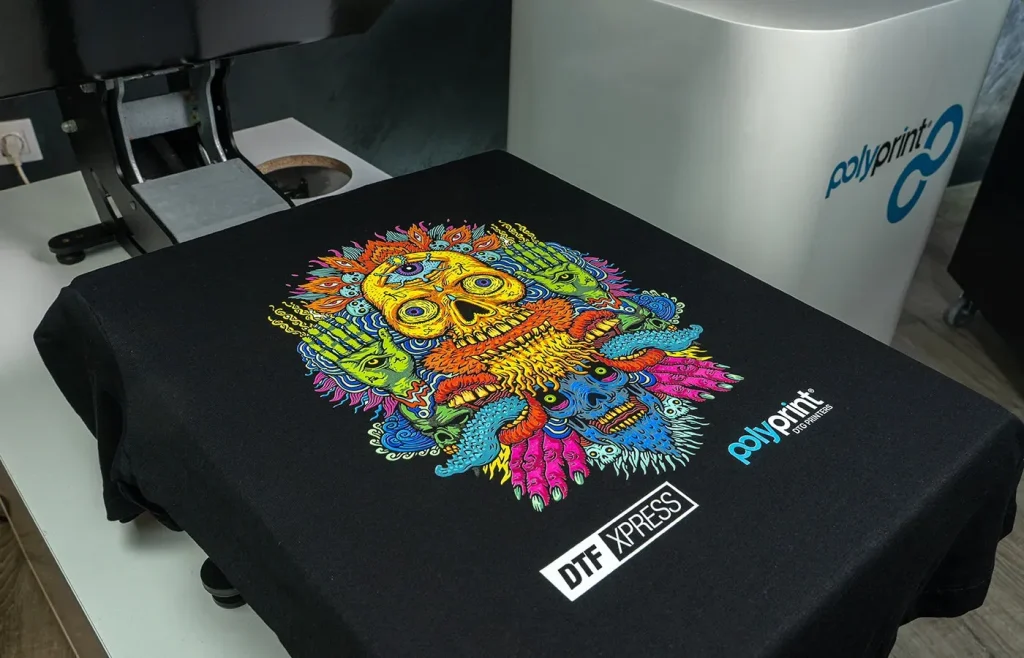
DTF printing, or Direct to Film printing, is transforming the landscape of garment decoration by offering a user-friendly approach akin to traditional printing methods. This innovative process opens doors for both professionals and novice users eager to create stunning prints with minimal complexity. As you delve into this guide on DTF printing for beginners, you’ll discover everything from the essential equipment needed to effective tips for executing flawless designs. Whether you’re looking to understand how to DTF print efficiently or seeking insights into the DTF print process, our comprehensive coverage will equip you with vital knowledge. Get ready to unleash your creativity with DTF printing and elevate your artistry to new levels while learning to navigate the exciting world of custom apparel printing.
Also known as Direct to Film technology, DTF printing is a modern method beloved by both small business owners and DIY enthusiasts alike. This printing technique facilitates the application of intricate designs onto various textiles, providing versatility and vibrancy unlike traditional methods. By utilizing specialized printers and heat transfer processes, users can achieve brilliant colors and long-lasting prints that stand the test of time. Understanding this innovative printing approach is essential for anyone looking to dive into custom garment creation, whether for personal or commercial use. Join us as we unpack the intricacies of DTF printing and provide you with the know-how to bring your creative visions to life.
Understanding DTF Printing: The Basics
DTF printing, or Direct to Film printing, is a method that allows for stunning fabric prints. It utilizes a specialized printer to transfer high-quality images onto a transfer film, which is then heat-pressed onto the fabric. This process ensures that every design pops with color, catering to a variety of fabric types including cotton and polyester. If you’re a beginner, grasping the basics of DTF printing is crucial for your journey into the world of custom apparel.
Moreover, DTF printing stands out from traditional methods like screen and sublimation printing because it doesn’t just rely on specific fabric types and colors. Instead, it supports a diverse range, making it a versatile option for both small businesses and individual creators. Whether you’re crafting one-off pieces or preparing small batch orders, understanding the foundational aspects of DTF printing sets you on the right path.
The Step-by-Step DTF Printing Process
The DTF printing process begins with careful preparation and design. Utilize graphic design software to create vibrant images that resonate with your target audience. Once your design is finalized, it’s time to print onto a special transfer film using a DTF printer. The visual quality is paramount, so ensure the design is crisp and well-aligned before proceeding to the next step.
After printing, you will need to apply a hot melt adhesive powder over the wet ink. This adhesive is vital as it helps bond your design to the fabric during the heat transfer. Following this, it’s essential to cure the printed film with heat to activate the adhesive. Lastly, use a heat press to transfer the design onto your chosen fabric, ensuring even pressure and temperature for a flawless finish.
Essential Equipment for DTF Printing Success
To embark on your DTF printing venture, you’ll need some fundamental equipment. First and foremost, a DTF printer that specializes in water-based inks is key. These printers provide the necessary technology to achieve high-resolution prints that are vibrant and durable. For beginners, desktop models can be an affordable entry point, allowing you to produce quality designs without hefty investments.
In addition to a printer, a reliable heat press machine is essential for the transfer process. Look for models that accommodate adjustable temperature and time settings, which give you the flexibility needed to work with various fabrics. High-quality transfer film and adhesive powder are also crucial assets, as they affect the overall vibrancy and longevity of your prints, helping to ensure your final products stand out.
Useful Resources for DTF Beginners
As you begin your journey into DTF printing, various learning resources are at your disposal. Online tutorials, especially those found on platforms like YouTube, can be incredibly valuable. These videos often demonstrate techniques and common pitfalls, providing visual aids that enhance your understanding of the process. Don’t hesitate to pause and rewind; mastery takes practice!
Additionally, written guides available on blogs and industry websites can provide in-depth knowledge about DTF printing fundamentals. Engaging in community forums can also be beneficial; connecting with experienced printers will allow you to share insights and get feedback on your work. These resources create a supportive learning environment and can significantly reduce your learning curve as you explore DTF printing.
Pro Tips for Effective DTF Printing
While the DTF printing process may appear straightforward, there are several tips to enhance your results. Conducting test prints prior to your final application is crucial. This allows you to play around with color settings and placement, ensuring that your design will turn out just as imagined when printed on fabric. Testing minimizes waste and enables you to establish a trustworthy print routine.
In addition, maintaining your equipment is paramount for consistent quality. Regular cleaning of the printer and heat press ensures that there’s no build-up that could affect print quality. Furthermore, staying updated on the latest DTF printing technologies and trends can give you a competitive advantage, helping you innovate and refine your techniques as you gain experience.
Recent Innovations in DTF Technology
The world of DTF printing is rapidly evolving, with advancements that continue to enhance the technology’s usability. Innovations now include printers that cater to higher resolution outputs and faster curing times, making it significantly easier for printers to achieve excellent results in less time. This is particularly advantageous for businesses aiming to meet tight deadlines while ensuring quality.
Such technological progress has led to improved compatibility with various kinds of inks, further solidifying DTF printing as a versatile choice for garment decorators. With ongoing developments, it’s an exciting time to delve into DTF printing, as new options and capabilities continue to broaden the creative horizons for designers.
Frequently Asked Questions
What is DTF printing and how does it work?
DTF printing, or Direct to Film printing, is a modern method used to transfer high-quality designs onto fabrics. The process involves printing artwork onto a transfer film, applying a special adhesive, and then using a heat press to transfer the design to the garment. This technique is celebrated for producing vibrant and durable prints on various fabric types.
What equipment do I need for DTF printing?
To get started with DTF printing, you’ll need a DTF printer for printing your designs, a heat press machine for transferring the prints, DTF transfer film, and hot melt adhesive powder. It’s also helpful to have print management software to ensure optimal color settings and print quality.
What are some DTF printing tips for beginners?
For beginners in DTF printing, it’s crucial to perform test prints to adjust color settings and design placements. Regularly maintaining your printer and heat press will ensure quality results, and staying updated with the latest DTF printing technologies will help you refine your skills and techniques.
How do I create designs for DTF printing?
To create designs for DTF printing, use graphic design software like Adobe Illustrator or CorelDRAW. It’s important to use vibrant colors and clear images in your designs, as the quality of your graphics plays a significant role in the final print outcome.
What fabrics can I use DTF printing on?
DTF printing is highly versatile and can be used on a variety of fabrics, including cotton, polyester, and blends. This allows you to customize T-shirts, hoodies, and other apparel with striking designs, making it an excellent option for both business and hobbyist applications.
What are the advantages of using DTF printing?
Some advantages of DTF printing include its versatility with different fabrics, cost-effectiveness compared to other printing methods, and efficiency in producing high-quality prints quickly. These features make DTF printing an attractive option for small businesses and individuals seeking to create custom apparel.
| Section | Key Points |
|---|---|
| Introduction | DTF printing simplifies garment customization, suitable for businesses and hobbyists. |
| What is DTF Printing? | DTF printing transfers images onto fabric using a special film, allowing for vibrant and durable designs. |
| Advantages of DTF Printing | 1. Versatility with various fabrics. 2. Efficient for quick, small batch production. 3. Cost-effective with lower setup costs. |
| The DTF Printing Process | Steps: Preparation, printing, applying adhesive, heat curing, and fabric transfer. |
| Equipment Needed | 1. DTF printer 2. Heat press machine 3. Transfer film and adhesive powder 4. Print management software |
| Learning Resources | Utilize online tutorials, blogs, and community forums for pursuing knowledge in DTF printing. |
| Recent Developments | Advancements include enhanced printer technology and improved ink compatibility, boosting efficiency and quality. |
| Tips for Success | 1. Conduct test prints. 2. Maintain equipment regularly. 3. Stay updated on industry trends. |
Summary
DTF printing is a modern technique that empowers creators to produce stunning designs on various fabrics with ease. This printing method allows for versatility across a wide range of materials, making it an ideal choice for anyone looking to customize garments. By understanding the process—from preparation to finishing—and utilizing the right equipment and resources, beginners can unlock their full creative potential. The advantages of DTF printing, such as cost-effectiveness and efficiency, further enhance its appeal in the garment printing industry. With the right guidance and practice, you can embark on a rewarding journey in DTF printing, leading you to create unique and personalized apparel.